Amana heat pumps are a credible alternative for households that need efficient heating and cooling systems. They are reliable in comfort and energy efficient.
Amana has a variety of capacities that range between 2-ton to 5-ton units to suit the size of the home. Such systems are usually a compromise between performance and durability, and this is appealing to most homeowners. The U.S. Department of Energy claims that modern heat pumps can reduce the use of electric heating by about 50 percent relative to electric resistance heating.
Understanding Amana Heat Pumps
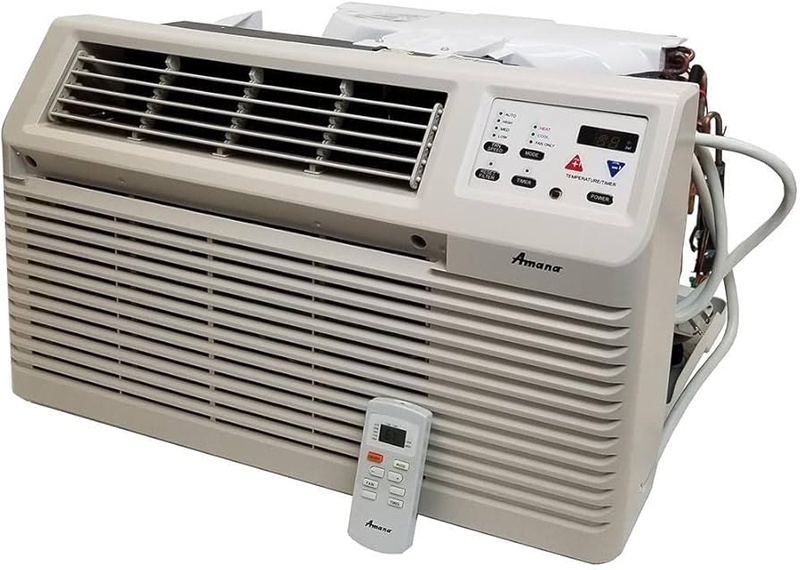
Amana has a reputation of producing HVAC products that combine good construction with innovative technology. The heat pumps of the brand will help to save energy without compromising on indoor comfort.
Amana usually incorporates high quality materials and sophisticated compressors in its units to make sure that the temperature is controlled smoothly all year round.
Other models have such features as inverter-driven compressors and optimized coil designs that provide maximum performance. This technology orientation assists in the stability of temperatures and effective power consumption in different weather conditions.
Moreover, Amana offers a comprehensive warranty on most of its heat pumps and this can be particularly useful to homeowners who worry about repair expenses in the future. Amana provides good warranty coverage, which is an indication of its belief in long-lasting products.
Factors Affecting Prices
The price of an Amana heat pump does not just end with the capacity rating of the unit. The final price may be affected by different factors, including the regional labor rates, installation complexity, efficiency rating, and optional add-ons.
These factors tend to make the total cost vary widely among installations even when identical model and size is applied. Homeowners are advised to consider all the aspects and obtain several quotations prior to making a purchase.
Efficiency Ratings
Amana heat pumps are available in various Seasonal Energy Efficiency Ratio (SEER) and Heating Seasonal Performance Factor (HSPF). Greater levels of efficiency usually have greater initial expenses.
However, these costs can be compensated by the high efficiency of units that will result in a lower utility bill in the long run. According to the U.S. Department of Energy, the increased SEER ratings may lead to the significant savings of the energy consumption during the cooling seasons.
Don’t Overpay for HVAC Services – Call 888-894-0154 Now to Compare Local Quotes!
It might be a good idea to invest in an Amana model that has a 16 SEER or higher in the climates where the cooling season is long. In the cold climates, HSPF rating is very necessary to maintain the heating performance and efficiency.
Geographic Location
The cost is greatly influenced by regional climate and labor rates. Regions that have a high cost of labor or have tight HVAC codes may experience high installation costs. Similarly, houses in areas that are very cold might require additional parts such as backup heat strips.
When budgeting an Amana heat pump project, it is important to consider these location based differences.
Moreover, costs can be lowered in some states by local utility and government incentives. Residents of areas with robust clean-energy programs can receive rebates or reduced permit costs, which can reduce overall costs.
Installation Complexity
Other houses need ducts to be altered, electrical work done, or new insulation before a heat pump can be installed. Such requirements may increase the cost of labor and the duration of the project.
The simple replacement of an older system can usually be less expensive than a complete system overhaul which includes new ductwork and electrical panels.
It is possible to minimize the setbacks by using skilled HVAC contractors who are familiar with the specifications of Amana. Correct sizing and load calculations are also crucial to make sure that the performance is achieved and no retrofits are needed in the future.
Amana Heat Pump Models And Capacities
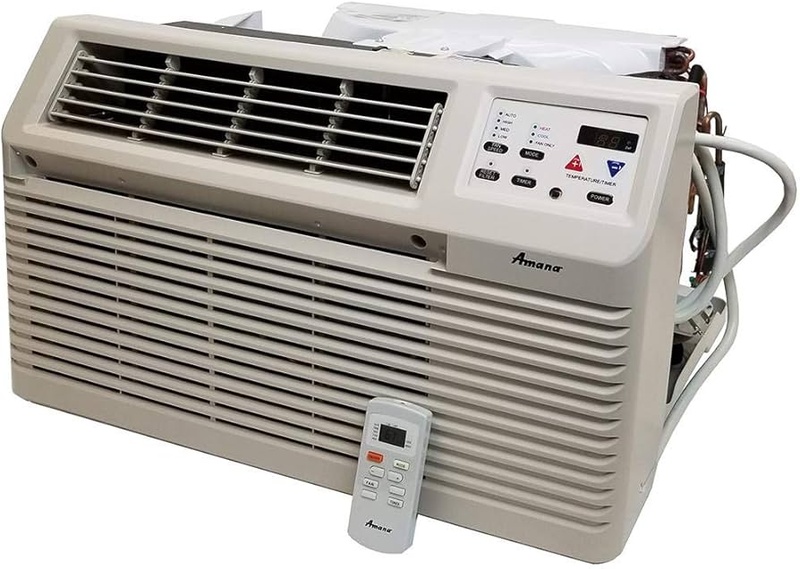
Amana manufactures several lines of heat pumps, which have several capacity models. The most common capacities are 2-ton, 2.5-ton, 3-ton, 3.5-ton, 4-ton and 5-ton. Every capacity is designed to meet unique square footage and climate requirements.
Selecting the appropriate size will avoid such problems as uneven temperatures, short cycling, and increased utility bills. Although smaller houses may be satisfied with a 2-ton system, bigger houses or multi-story buildings may need 4-ton or 5-ton systems.
2-Ton Amana Heat Pumps
A 2-ton Amana heat pump is normally appropriate to houses of about 1,000 to 1,300 square feet, depending on the insulation and climate. These smaller units are good in places where moderate temperatures prevail yet they are sufficient in cold seasons.
This capacity is usually preferred by homeowners who want smaller installations with reduced initial costs. It is also smaller in size, which can cut down on the operation costs and still have a comfortable indoor environment.
2.5-Ton Amana Heat Pumps
A 2.5 ton unit covers about 1,300 to 1,600 square feet with a slightly greater cooling capacity than the 2 ton model. This is an advantage to households who require a little more powerful cooling capacity yet desire moderate energy consumption.
The 2.5-ton system is a compromise of capacity and efficiency in moderate climates. It can also maintain comfortable temperatures throughout the year in homes that have average insulation and moderate occupancy.
3-Ton Amana Heat Pumps
The 3-ton heat pump is applicable to areas of about 1,600 to 1,900 square feet and this depends on the actual needs. Such systems provide sufficient cooling and heating capacity to most suburban houses with normal insulation and occupancy rates.
The choice of such capacity can lead to energy savings in combination with high SEER and HSPF ratings. These ratings can be further improved by combining them with a duct system that is well sealed.
3.5-Ton Amana Heat Pumps
In somewhat bigger homes, a 3.5-ton Amana heat pump covers an area of approximately 1,900 to 2,200 square feet. This ability tends to be a hit among house owners who require high performance in fluctuating weather conditions.
Installation and unit costs may be more than smaller capacities, but a correctly sized 3.5-ton system can maximize comfort and minimize the long-term wear on mechanical parts.
4-Ton Amana Heat Pumps
A 4-ton unit is usually suitable to homes that are 2,200 to 2,600 square feet. This size normally provides the power needed to provide constant cooling even in the hottest months of summer. The purchase of a bigger heat pump can bring visible comfort improvements to rooms that are likely to accumulate heat.
Nevertheless, inefficiency may arise due to wrong sizing. A 4-ton system in a much smaller house can short cycle, consuming more energy and wearing out the compressor with time.
5-Ton Amana Heat Pumps
The Amana heat pump 5-ton is the highest standard capacity and it is recommended to use in homes of 2,600 to 3,200 square feet. Big open-concept houses or homes with several areas tend to turn to this capacity to get the best coverage.
Don’t Overpay for HVAC Services – Call 888-894-0154 Now to Compare Local Quotes!
A 5-ton unit can be more expensive to purchase but can be necessary to keep temperatures consistent because of its powerful production. Effective duct design and zoning plans will guarantee effective delivery of conditioned air within the property.
Average Cost Ranges For Each Capacity
The prices of Amana heat pumps depend on the model, efficiency rating, and location. Approximate figures of the heat pump unit itself and the possible installation costs are indicated in the table below. These figures are just an indication, the actual costs may vary considerably.
| Capacity | Approx. Unit Price Range | Installed Cost Range |
|---|---|---|
| 2 Ton | $1,600 – $2,800 | $3,200 – $5,800 |
| 2.5 Ton | $1,800 – $3,000 | $3,400 – $6,200 |
| 3 Ton | $2,000 – $3,500 | $3,800 – $6,800 |
| 3.5 Ton | $2,200 – $3,700 | $4,000 – $7,300 |
| 4 Ton | $2,400 – $4,000 | $4,200 – $7,800 |
| 5 Ton | $2,600 – $4,500 | $4,500 – $8,500 |
The installation costs are usually labor, new or updated refrigerant lines, electrical changes, system testing and other logistical work. These numbers can increase in case of structural or ductwork modifications.
Additional Installation Cost Components
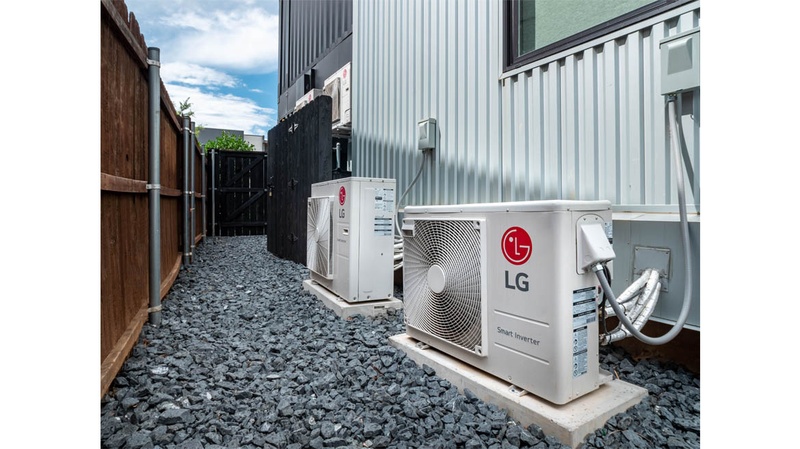
Other add-ons can increase the total bill besides the heat pump and regular labor. These products are enhanced thermostats, surge protectors and home zoning systems to control airflow. Backup electric heating strips may be required in some climates.
The project may also involve improving home insulation, sealing duct leaks or replacing an old air handler. Although such measures increase the initial cost, they may improve the performance and comfort of the system in the long term.
Energy Efficiency And Long-Term Savings
A higher SEER and HSPF rated Amana heat pump is usually more expensive to purchase. This premium is however offset by the reduced monthly utility bills over the life of the system.
The U.S. Department of Energy claims that ENERGY STAR-certified heat pump can help homeowners to save up to 20 percent on heating and cooling expenses.
Efficiency can be maintained by regular maintenance including filter replacement and cleaning of the coil. Properly maintained heat pump will reduce energy wastage and will prolong the life of the system, which will guarantee a greater payback of the initial investment.
Rebates, Incentives, And Warranties
Rebates or tax credits on installation of energy-efficient heat pumps are sometimes available through federal, state, and local programs. Depending on the region, the details are different, and it is recommended to visit local utility websites or contact an HVAC contractor.
The cost can be offset by piling several incentives on top of each other by homeowners.
Amana offers different warranty options such as limited warranties on compressors, parts and functional components. The long warranty is an indication of the quality of the build of the brand. Check the warranty conditions to know what is not covered and what needs to be done on a regular basis.
Maintenance And Lifespan Tips
The efficiency and service life of any heat pump is increased by proper care. Regular filter replacement, coil cleaning and professional tune-ups can assist in identifying small problems before they develop into costly repairs.
The inspection is done annually or twice a year to maintain the parts like the compressor, blower motor, and refrigerant lines in good condition.
It is also important to keep the outdoor unit clear of space. The airflow can be blocked by obstructions such as vegetation, debris, or snow and make the system work harder. These conditions may deteriorate performance with time.
Amana heat pump can serve well up to 15 years or even longer with proper maintenance. Regular inspections and immediate repairs will enable the system to ensure constant comfort and control energy consumption.
Don’t Overpay for HVAC Services – Call 888-894-0154 Now to Compare Local Quotes!

How to Get the Best HVAC Prices
- Firstly, keep in mind that installation quality is always the most important thing for residential HVAC project. So never sacrifice contractor quality for a lower price.
- Secondly, remember to look up the latest rebates as we talked above.
- Thirdly, ask for at least 3 bids before you make the decision. You can click here to get 3 free estimates from your local contractors, and this estimate already takes rebates and tax credit into consideration and filter unqualified contractors automatically.
Lastly, once you chose the right contractor, remember to use the tactics from this guide: Homeowners Tactics When Negotiating with HVAC Dealer to get the final best price.