| Feature | Lennox | Rheem |
|---|---|---|
| Efficiency (SEER/HSPF) | Up to 28 SEER (high-end model; ~25.8 SEER2); Heat pumps up to ~10.2 HSPF | Up to 20 SEER (~20.5 SEER2); Heat pumps up to ~11.5 HSPF |
| Price Range (installed) | $$$$ (Premium pricing; approx. $6,100–$24,500 for full system) | $$ (Moderate pricing; approx. $5,600–$16,100 for full system) |
| Noise Level (Outdoor Unit) | Quiet operation; as low as ~59 dB on top models (near a normal conversation) | Low-noise design; ~58 dB at best (side-discharge unit) and around 71 dB on standard high-end units (street noise level) |
| Smart Features | iComfort® smart thermostats with Wi-Fi; Alexa, Google Assistant, Apple HomeKit integration; advanced system monitoring | EcoNet® smart thermostat with Wi-Fi; Alexa & Google Assistant voice control; optional geofencing & advanced diagnostics |
| Warranty | 5-Year base; 10-Year parts (with registration); 10-Year compressor; 20+ year or lifetime on heat exchanger (furnaces) | 5-Year base; 10-Year parts (with registration); 10-Year compressor; lifetime heat exchanger on select furnaces; some models include unit replacement coverage |
Performance & Energy Efficiency
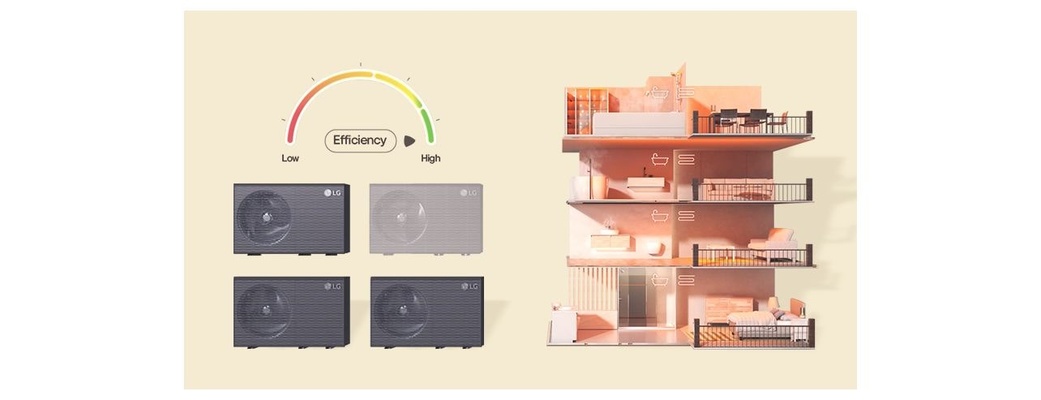
Lennox is also exceptional in high SEER ratings (up to 28 SEER) and heat pumps close to 10.5 HSPF, which provide outstanding energy savings. They even provide solar-assisted systems to be most efficient.
Rheem has a maximum of 20 SEER and 11+ HSPF, which is enough to cover most houses. The additional efficiency of Lennox is useful to people living in very hot areas, whereas Rheem is efficient but at a slightly lower cost. They both are ENERGY STAR 2009 compliant, which means that both brands will save power bills.
Durability & Reliability
Lennox has a reputation of high-quality parts and technology, although its history of quality control has given it some mixed reviews. Installation is important in order to have longevity. Rheem has a reputation of good, tried and true designs and easier service.
With regular maintenance, a lot of Rheem units have a 15-20+ year life. In general, Lennox is an innovative brand, whereas Rheem is a reliable brand, and there are fewer complaints about repairing.
Noise Level Comparison
Lennox focuses on super-silent performance; the best models can go down to 59 dB, which is roughly the level of a normal conversation. Their Signature Series tends to operate at a whisper.
Rheem has also enhanced noise control particularly in newer lines with some side-discharge units achieving 58 dB. The majority of Rheem units work at low-70 dB, which is not very uncomfortable. Both brands are able to provide more silent cooling than the older and louder systems.
Cost & Value (Upfront and Long-Term)
Lennox is on the high-end, and full systems cost about 6,000 to 24,000+. Their state-of-the-art efficiency may reduce utility bills to a great extent, which may compensate the initial expenses.
Rheem is cheaper, usually between 5,500 and 16,000 dollars. Rheem offers great overall value although it is not as high on maximum SEER. Rheem is also cheaper and easily accessible in terms of maintenance and part replacements. Both are capable of giving good returns, but Lennox aims at the highest level of performance at a high price, whereas Rheem is good in terms of efficiency with a moderate price.
Smart Features and Control Options

Lennox has the iComfort platform that supports S30 thermostats, which have Wi-Fi control, sophisticated diagnostics, geofencing, and integration with Alexa, Google Assistant, and Apple HomeKit. Rheem incorporates EcoNet 2 to the same remote access, scheduling, and voice commands with Alexa or Google Assistant.
Rheem also allows geofencing and third-party thermostat compatibility in general. The two brands offer contemporary control systems, and thus any of them can be integrated in a smart home.
Don’t Overpay for HVAC Services – Call 888-894-0154 Now to Compare Local Quotes!
Installation and Maintenance
Lennox normally needs authorized dealers particularly in its high-tech models. Proper installation is essential in order to achieve efficiency and reduce repairs. Individual components may be more specific and expensive.
Rheem is said to be installer-friendly; parts are readily available, and it is simple to design so that most technicians can service it. Both suggest that they should be checked annually, but Rheem tends to cause cheaper maintenance in the long run. The high-tech systems of Lennox can work very effectively, but only in case they are professionally installed and serviced.
Warranty and After-Sales Support
Lennox has a 5-year base parts warranty, which can be extended to 10 years when registered. The top-end models are provided with 10-year compressor protection and extended heat exchanger warranties on furnaces. Rheem also offers 5 years base, which is extended to 10 years on parts and compressors on registration.
The coverage of Rheem is mostly consistent, and certain models have unit replacement warranties. Rheem can be easier to service because of the availability of parts, but Lennox has a reliable dealer network, as well.
User Reviews and Market Feedback
The most common thing that many Lennox owners point out is the quiet energy-efficient comfort they experience, but some complain about increased repair expenses or complicated technology problems. The owners of Rheem often remark on the consistent performance of the brand and its price.
Rheem is also easy to service as professionals point out. Both are rated high on homeowner satisfaction with Lennox slightly ahead on comfort and Rheem on long-term reliability. Finally, an experienced installer is essential to make either of the brands fulfill its promise of comfort and efficiency.

How to Get the Best HVAC Prices
- Firstly, keep in mind that installation quality is always the most important thing for residential HVAC project. So never sacrifice contractor quality for a lower price.
- Secondly, remember to look up the latest rebates as we talked above.
- Thirdly, ask for at least 3 bids before you make the decision. You can click here to get 3 free estimates from your local contractors, and this estimate already takes rebates and tax credit into consideration and filter unqualified contractors automatically.
Lastly, once you chose the right contractor, remember to use the tactics from this guide: Homeowners Tactics When Negotiating with HVAC Dealer to get the final best price.