If you need efficient, zoned cooling and heating without ductwork, mini split systems are the direct solution. Below are five mini splits chosen for energy efficiency, installation options, smart features, and room size coverage. Each entry states who it is best for and one limitation to help you choose quickly.
| Product | Best For | Capacity / Highlight |
|---|---|---|
| GarveeHome 12000 BTU Mini Split | Experienced DIY installers or professionals | 12000 BTU, SEER 18.5, 230V, WiFi |
| YITAHOME 12000 BTU Mini Split | Buyers wanting certified efficiency and Alexa | 12000 BTU, 20 SEER2, 115V, ETL & AHRI certified |
| ROVSUN 9000 BTU Mini Split | Small rooms and noise-sensitive spaces | 9000 BTU, 19 SEER2, ultra-quiet 28dB mode |
| Senville LETO 9000 BTU Mini Split | Users who want Alexa voice control | 9000 BTU, SEER2 21.5, Alexa enabled |
| Feelfunn 9000 BTU Mini Split | Homeowners seeking high SEER2 and all-season range | 9100 BTU cooling, 22 SEER2, Alexa & Google compatible |
GarveeHome 12000 BTU Mini Split

Features stated by the manufacturer include SEER 18.5 inverter technology for up to 30% energy reduction, 12000 BTU capacity sized for rooms up to 750 sq.ft, WiFi control, remote, programmable timer, and a DIY installation kit with line sets and drain hose.
Best for homeowners or contractors who want a higher-capacity 230V mini split with smart controls. It was selected for its inverter efficiency and included installation kit that supports DIY-capable installers.
Caution: The unit is pre-charged with refrigerant but requires vacuumizing during installation. Professional installation is recommended if you lack split AC installation experience.
YITAHOME 12000 BTU Mini Split
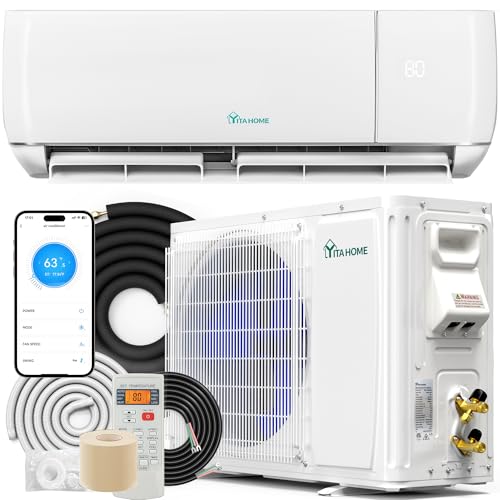
Features include a high-power compressor and heat pump, inverter technology with about 25% energy savings, coverage up to 750 sq.ft, ETL and AHRI certifications, five operating modes, WiFi and Alexa compatibility, automatic defrost, self-diagnosis, and quiet operation under 41 dB.
Best for buyers who want certified efficiency and smart-home integration. Choose this if you need a 115V option that lists ETL and AHRI certification and voice control compatibility for routine automation.
Caution: The feature list includes many automated modes and filtration claims; confirm local installer requirements and electrical compatibility before purchasing.
ROVSUN 9000 BTU Mini Split

Don’t Overpay for HVAC Services – Call 888-894-0154 Now to Compare Local Quotes!
Manufacturer features highlight 9000 BTU capacity for rooms up to 400 sq.ft, inverter technology with 19 SEER rating, heat pump functionality, effective dehumidification, and ultra-quiet operation as low as 28 dB in mute mode.
Best for small rooms, bedrooms, or offices where low noise matters. It was selected for its combination of compact capacity, quiet operation, and energy-saving inverter design.
Caution: The lower BTU rating makes this unit better for spaces up to about 400 sq.ft; avoid this if you need to cool much larger rooms without multiple units.
Senville LETO 9000 BTU Mini Split
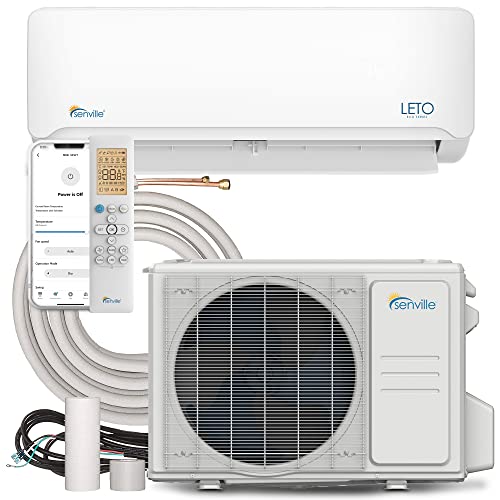
Listed features include Alexa-enabled voice and app control, a 4-in-1 system (cool, heat pump, dehumidifier, fan), turbo function, DC inverter technology, and SEER2 ratings (listed at 21.5 for the 9000 model). The unit is described for home and light commercial use.
Best for smart-home users who want voice control and a compact 9000 BTU option. Choose this if you plan to integrate voice routines or remote app control for scheduled comfort changes.
Caution: Heat pump performance is described down to low outdoor temperatures; confirm your local climate range against the manufacturer’s performance specifications before relying on heat mode in extreme cold.
Feelfunn 9000 BTU Mini Split
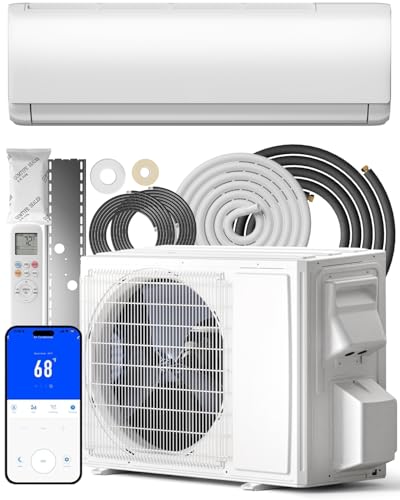
Features include fast cooling and heating with ~9100 BTU cooling and 9500 BTU heating for spaces up to 550 sq.ft, 22 SEER2 efficiency, Alexa and Google Assistant compatibility, self-cleaning, washable filter, and wide outdoor operating range down to -13°F.
Best for buyers prioritizing high SEER2 efficiency and smart controls in an all-season unit. It was selected for its high SEER2 rating and stated self-cleaning feature for maintenance ease.
Caution: The stated operating range and self-cleaning claim suggest broad capability; verify installation location and local climate suitability with a qualified installer.
Buying Guide
How do I choose the right BTU size?
Match unit BTU to room size and insulation. 9000 BTU units commonly cover small rooms (around 300–550 sq.ft depending on insulation). 12000 BTU units typically suit medium rooms up to about 750 sq.ft as listed by manufacturers. Oversizing wastes energy; undersizing reduces comfort.
Should I pick 115V or 230V?
115V (or 110/120V) units plug into standard circuits and suit most homes without new wiring. 230V units deliver higher capacity and may require a dedicated circuit and professional electrical work. Choose 230V for higher-capacity needs only if your home electrical service supports it.
How important is SEER / SEER2?
SEER or SEER2 indicates seasonal efficiency. Higher SEER2 values mean lower energy use in variable-load conditions. Choose higher SEER2 units when you run the system for long periods or in regions with long cooling seasons to maximize operating savings.
Can I install a mini split myself?
Some models include DIY-friendly kits with line sets and guides, but many require vacuumizing refrigerant lines and certified brazing or fittings. If you lack HVAC experience or proper refrigerant tools, plan for professional installation to ensure correct refrigerant charge and warranty compliance.
Which smart features matter most?
Prioritize WiFi control, voice assistant compatibility (Alexa/Google), scheduling/timers, and remote diagnostics. These features enable pre-cooling, energy-saving schedules, and easier monitoring of errors or maintenance reminders.
What about noise and indoor comfort controls?
Look for stated dB levels for quiet operation and modes like sleep, iFeel, or turbo for directed comfort. Units that list ultra-quiet modes (e.g., 28 dB) are better for bedrooms and noise-sensitive spaces.
What installation and maintenance items should I budget for?
Plan for professional installation costs if you cannot vacuumize and mount the outdoor unit yourself. Budget for periodic filter cleaning, occasional coil cleaning, and seasonal checks of refrigerant and electrical connections to maintain efficiency.
FAQ
Q: Do mini splits provide both cooling and heating?
A: Many mini splits are heat pumps and provide both cooling and heating modes as described by the manufacturers. Verify the listed heating temperature range for cold-climate performance.
Don’t Overpay for HVAC Services – Call 888-894-0154 Now to Compare Local Quotes!
Q: Are mini splits energy efficient?
A: Yes. Models with inverter compressors and higher SEER/SEER2 ratings use variable-speed operation that reduces energy use compared with non-inverter systems.
Q: Can I control mini splits with my phone or voice assistant?
A: Several models list WiFi control and Alexa/Google compatibility. Confirm app availability and required hub or account before purchase.
Q: What is required for a reliable installation?
A: Proper refrigerant handling, vacuumization of lines, correct electrical circuit sizing, secure mounting of indoor and outdoor units, and correct drain routing. Professional installation ensures these steps meet local codes.
Q: How often should filters be cleaned?
A: Manufacturers typically recommend regular cleaning of washable filters. Frequency depends on use and indoor air quality; check and clean filters monthly or as needed for optimal performance.
Q: Are ductless mini splits noisy?
A: Indoor units are generally quiet compared with window units. Some models specify mute or low-noise modes with decibel levels (e.g., 28–41 dB) to guide selection for noise-sensitive rooms.

How to Get the Best HVAC Prices
- Firstly, keep in mind that installation quality is always the most important thing for residential HVAC project. So never sacrifice contractor quality for a lower price.
- Secondly, remember to look up the latest rebates as we talked above.
- Thirdly, ask for at least 3 bids before you make the decision. You can click here to get 3 free estimates from your local contractors, and this estimate already takes rebates and tax credit into consideration and filter unqualified contractors automatically.
Lastly, once you chose the right contractor, remember to use the tactics from this guide: Homeowners Tactics When Negotiating with HVAC Dealer to get the final best price.