It is common to find many homeowners who realize that their central AC unit is turned on and is making noise but there is minimal or no airflow in their rooms. This may be very frustrating, particularly when the weather is hot. Knowing the reason why the system is not blowing air can save time, money and discomfort.
Common causes, possible solutions, and preventive measures are discussed below. All the points are supposed to provide detailed information, and the readers should be able to troubleshoot and keep their systems running without any doubts.
| Possible Cause | Key Indicator | Potential Fix |
|---|---|---|
| Thermostat Issues | Improper settings, blank display | Check settings, batteries, or wiring |
| Dirty Air Filters | Weak airflow, dusty environment | Replace or clean air filters |
| Blower Motor Malfunction | Loud humming, lack of air movement | Inspect motor and belts, consider repair |
| Frozen Evaporator Coils | Visible frost, reduced cooling capacity | Turn AC off to thaw, call professional if persistent |
| Damaged Ductwork | Whistling noises, unequal room temperatures | Seal leaks, repair or replace duct sections |
1. Checking the Thermostat
The majority of airflow issues start with a simple thing like a wrongly adjusted thermostat. In case the AC system is on and not blowing air, the thermostat can be on the wrong mode or temperature, which does not allow the fan to come on. There are cases when the internal parts of a thermostat wear out with time and this leads to wrong signals being relayed to the HVAC system.
A thermostat that is old may also have wiring problems or rusty connections. Damage or loose wires can be discovered by a careful examination of wiring harnesses and terminals. The first thing to do is to make sure that the batteries of the thermostat are new and that the fan is in the mode of Auto or On. In case of problems, an upgrade to a digital thermostat may provide increased accuracy and control reliability.
2. Clogged or Dirty Air Filters
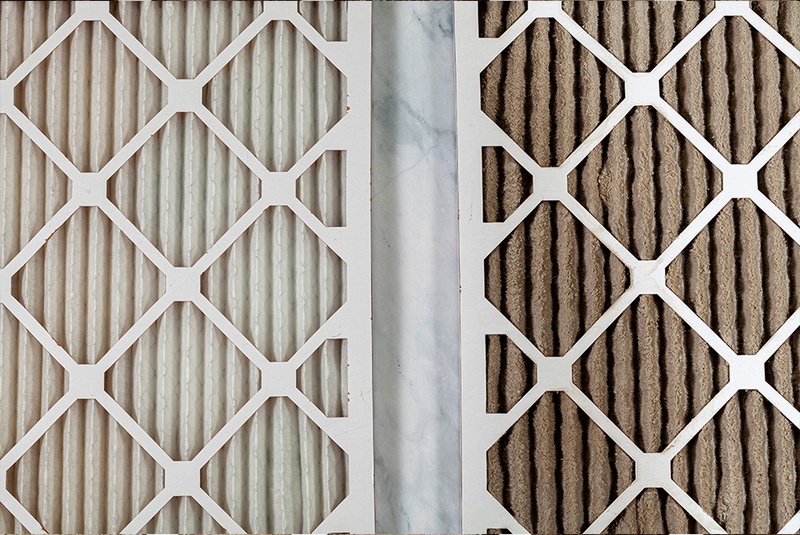
One of the most common causes of poor or no airflow is clogged or filthy air filters. A clogged filter full of dust, pet hair and other debris limits the flow of air within the system. This may cause the blower motor to overwork resulting in wear and tear of its parts and low efficiency.
It is important to change or clean the filters regularly. Most HVAC experts recommend that filters should be changed or cleaned once or thrice in every three months. Frequent changes may be required by homeowners who have pets or who live in dusty conditions. With a clean filter, the system will be able to circulate air, enhance the quality of indoor air, and avoid overworking vital components.
3. Issues with the Blower Motor
In case the central AC is on and the house is still hot, there is a possibility of a faulty blower motor. The fan that pumps cooled air in ducts and into the living space is driven by the blower motor. The problems with blower motor may include worn bearings, electrical problems, or a bad capacitor.
One of the most frequent signs is a strange humming or grinding sound as the system is turned on. In other instances the motor might not even turn and you will have silence in your vents. In case of suspicion of motor damage or in case it continues to trip the circuit breaker, it is time to replace the motor or seek the services of a professional. A blower motor can be made to last longer and have fewer surprises by proper lubrication and regular inspection.
4. Frozen Evaporator Coils
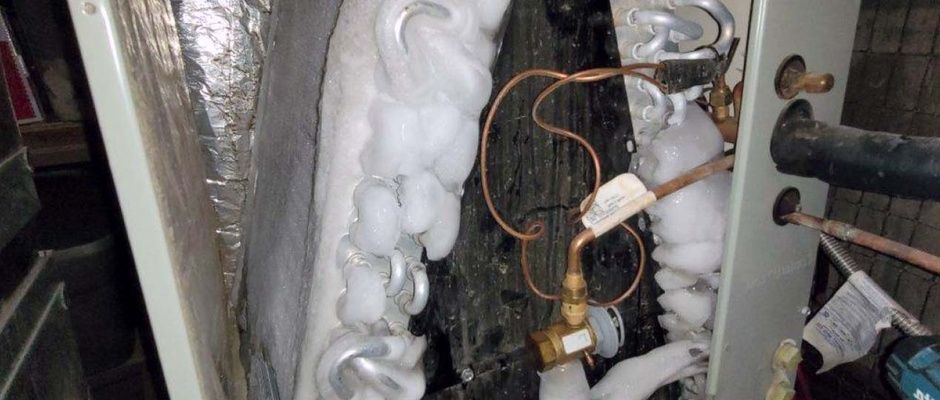
Evaporator coils that are frozen usually occur as a result of poor airflow or low refrigerant. Although the AC compressor is still working, the system is unable to circulate cool air in an effective manner. The homeowner can observe that there is ice accumulation around the coils of the indoor unit or they may feel that the air coming out of the vents is lukewarm.
The first thing is to switch off the AC to enable the coils to thaw. Once the ice has been melted, it assists in checking the air filter, fan and duct system to see whether they are blocked. In case of a repeated freezing shortly after the power is restored, professional diagnostics can be required. The long-term accumulation of ice may break some parts and decrease the efficiency of the system, which is why it is essential to solve the issue as soon as possible.
Don’t Overpay for HVAC Services – Call 888-894-0154 Now to Compare Local Quotes!
5. Refrigerant Leaks or Low Levels
Once the refrigerant is below the specifications of the manufacturer, the AC system finds it difficult to cool and to push air effectively. The cause is usually a leak in the coils or refrigerant lines, which results in a reduced cooling ability despite the unit still being in working condition. Evaporator coils may also freeze due to low refrigerant and this further decreases airflow.
A trained technician is able to gauge the pressure of the refrigerant, detect leaks and recharge the system where necessary. Handling of refrigerants needs certain certification to make sure that it is safe and legal. Periodic inspection may lead to early identification of minor leakages before they cause further damages to the compressor, evaporator and condenser units in the future.
6. Blocked or Damaged Ductwork
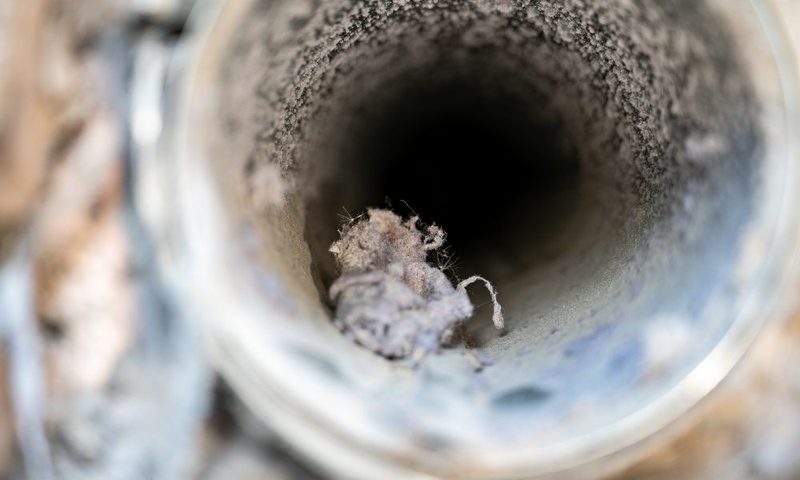
The ducts that are concealed behind the walls and ceilings are necessary to distribute the cooled air in a house. When such ducts get blocked by debris or are physically damaged, airflow may reduce significantly. In some instances, rodents or pests bite through duct material and in other instances, accumulation of dust limits movement.
Efficiency can be restored by sealing leaks or holes and cleaning the insides of ducts. In a badly damaged system, ductwork parts can be replaced to guarantee the best airflow. The homeowners may realize that one or two rooms are warm and others cool down efficiently. Targeted duct repairs in such cases can assist in balancing airflow and ensuring that the indoor temperatures are consistent.
7. Faulty Electrical Components
A central AC is dependent on a number of electrical parts such as relays, circuit boards and capacitors to regulate the flow of power. Should any of these break or have loose connections the fan might not get the correct signal to operate. In the meantime, the outside compressor may still be running creating an illusion that the AC is on but not blowing.
In other cases, the indoor fan may not switch on due to a bad blower relay. In other cases, a blown run capacitor may result in unstable fan speeds or total fan failure. A skilled HVAC technician is able to measure the voltage and integrity of the components. Early detection of electrical faults will help avoid more serious damage and expensive repairs in the future, as well as make the operation of the system safe.
8. Damaged Fan Belt or Motor Belt
In most of the older or belt-driven blower systems, a worn or broken belt may completely stop airflow. Belts can stretch, crack or wear out over time and this can make the fan to rotate at low speeds or even stop. The squealing sounds are the precursors of a belt failure, and they indicate that friction or tension issues are about to happen.
Checking the belts to see whether they have cracks, glazing or abnormal slackness can help in detecting the problem before it gets out of hand. The replacement of belts is usually cheap and simple. Nevertheless, when a broken belt is left to continue its operation, it may cause more serious damages to pulleys or the motor itself. Homeowners can maintain efficient airflow and overall system reliability by making sure that belts are well tensioned and in good condition.
9. Zoning Problems
Other houses are zoned so that various parts can be cooled or heated separately. The ductwork has motorized dampers that open and close to control airflow. In case such dampers fail or get jammed, some areas might not get any air, yet the AC unit will be operating.
Zoning controls, which are normally located on a central control panel, may also fail or show error messages. The zoning problem could be diagnosed by inspecting the panel, dampers, and related wiring. In the case when zoning systems are functioning properly, they increase efficiency by cooling only the necessary areas. Rooms that are supposed to be cooled by cool air may be hot and uncomfortable once they fail. The problem of faulty dampers or control panels can be solved to achieve consistent airflow across all the targeted areas.
10. Importance of Regular Maintenance
Regular servicing is one of the best methods of avoiding AC issues. Regular check-ups will enable technicians to check the level of refrigerant, clean the coils, and identify the signs of wear at an early stage. They can check blower parts during a tune-up, check duct connections and ensure thermostats are working properly.
The simplest DIY task is to change or clean air filters at the recommended time to make sure that dust does not build up and obstruct the airflow. Moreover, regular checks of the tension of belts, fan functioning and simple electrical connections will warn homeowners about minor problems. Through early detection of issues, chances of sudden failure are reduced, and the AC unit will be highly efficient.
11. DIY Troubleshooting Precautions
Although most homeowners would like to fix minor problems with their ACs, safety must be the first concern. To avoid electrical shock, it is always good to turn off the AC at the thermostat and the circuit breaker before commencing any work. The process of filter removal or visual inspection of ice on coils is usually safe, whereas more profound electrical or mechanical work usually needs professional skills.
Handling of refrigerant should not be done without certification since it may have legal and health implications. Also, the internal electrical parts may be tampered with and cause damage to the system or even cause fire. Knowing what tasks are safe and what require a professional, the homeowner minimizes the risk, safeguards equipment, and keeps themselves safe.
12. When to Call a Professional
In some cases, a lack of airflow in the AC is not obvious even after careful DIY inspection. Coils that are always frozen, thermostats that have an unknown problem or frequent electrical failures should be diagnosed by a professional. Licensed HVAC technicians possess special equipment to check the pressures of the system, examine blower motors, and make sure that all parts operate in sync.
Homeowners can be reluctant to call a technician because of the price, but the neglect of the issues can cause more costly damage. The professionals are able to provide customized advice, including replacing a less reliable thermostat with a more reliable one or changing the ductwork design to suit the layout of a home. With proper consultation with the experts in time, people can ensure that they have a free flow of air, have a steady cooling effect and extend the life of their central AC systems.
How to Avoid Being Ripped Off and Get a Fair Repair Price
It is not always easy to find a good AC repair specialist, some of them have very low prices due to their inexperience or bad reputation, and some of them are way too expensive to do the same job. That is why the best idea to receive quality repair at a reasonable price is to compare the estimates of the best-rated local professionals. Visit each of them, get to know their background, and the experience of technicians who will perform the work. Select a reputable AC repair contractor who has fair prices. Our Free Local Estimates service will help you to speed up this process.
Once you complete a short form and send it, you will receive a call soon by three of the best AC repair and installation companies around you. They are pre-qualified in terms of experience, and all of them are licensed and insured to protect you. To start and secure your home and wallet now, click below.

How to Get the Best HVAC Prices
- Firstly, keep in mind that installation quality is always the most important thing for residential HVAC project. So never sacrifice contractor quality for a lower price.
- Secondly, remember to look up the latest rebates as we talked above.
- Thirdly, ask for at least 3 bids before you make the decision. You can click here to get 3 free estimates from your local contractors, and this estimate already takes rebates and tax credit into consideration and filter unqualified contractors automatically.
Lastly, once you chose the right contractor, remember to use the tactics from this guide: Homeowners Tactics When Negotiating with HVAC Dealer to get the final best price.