Leakage of water through an air conditioner vent can be scary and annoying. It is usually a sign of underlying problems in the cooling system, e.g. condensation or blocked drain pipes. The correct diagnosis of the causes and the appropriate remedies can be used to regain the cooling efficiency and the comfortable indoor climate.
This article discusses the key offenders of leaks, how they can be detected and the best methods of dealing with them or avoiding future issues.
Why Water Leaks From Air Conditioner Vents

The issue may be caused by condensation or internal failures when water drips or flows out of an AC vent. Condensate is created in the majority of systems when the warm air comes in contact with the cold evaporator coil. The surplus moisture is then drained through drain lines and safely removed out of the system.
Nevertheless, when this process is disrupted, moisture may accumulate and leak through vents eventually.
Leaks can also be caused by external conditions such as damage to insulation or poor installation. In some cases, the tiniest deviation may enable water to escape the normal drainage system. These weaknesses can be detected through frequent checks and timely maintenance before they can develop into major damages.
Common Causes Of Water Leaking From Air Conditioner Vents
AC vent leaks may be caused by a number of reasons. Being aware of these causes, the users can plan the effective repairs and prevent the excessive water damage. The most common causes of AC vent leakage include the following.

Clogged Condensate Drain Lines
The drain line is tasked with the role of directing the excess condensate out of the system. With time, dirt, mold or debris may build up inside, causing a blockage. After the line is blocked, water will be backed up and leaked out through air vents.
Structural damage and the growth of mold are likely to occur in case the condition remains unaddressed, which is why immediate action is necessary.
Frozen Evaporator Coil
The air is cooled by evaporator coils, however, in case of limited airflow, the coil may freeze. This is as a result of low refrigerant, clogged filters or blocked return vents. Once the ice on the coil melts, the surplus water may spill over and may enter the ductwork, causing leakage to be seen around vents.
Damaged Or Dirty Drain Pan
The evaporator coil is placed above a drain pan which collects condensation. It can rust, crack or get filled with dirt with prolonged use. A damaged drain pan has a hard time collecting the condensate and water escapes through unsealed places.
Don’t Overpay for HVAC Services – Call 888-894-0154 Now to Compare Local Quotes!
Regular checks will help identify the damage in time before it becomes more serious.
Improper Installation Or Insulation
When an air conditioning system is not installed properly, then condensation might not drain as intended. Also, improper insulation of ducts may cause excessive moisture. Even the smallest holes or gaps in the ducts may cause water to leak out, which will later appear in the form of leaks in the vents or the nearby ceilings.
Excessive Humidity And Poor Ventilation
AC units are more burdened in areas that have high humidity. When the system is not able to control the amount of moisture, condensation forms faster. Lack of ventilation also predisposes water leakage, as the air is always warm and humid.
This can be countered by using the dehumidifier regularly and by using equipment of the right size.
Signs And Indicators Of A Leaking AC Vent
Not every leakage of water is noticeable at once. In certain situations, minor shifts are an indication of internal issues. These signs can be observed to enable residents to deal with the leakage in its early stages:
- Water stains on or around air vents
- Moldy or musty odors near the ductwork
- Increased indoor humidity or damp surfaces
- Unexplained spikes in energy bills
- Visible condensation on exterior duct surfaces
Structural damage is avoided and costly repair bills are saved through early detection. Small leaks are prevented by proper vigilance to develop into big problems.
Possible Consequences Of Ignoring Leaks
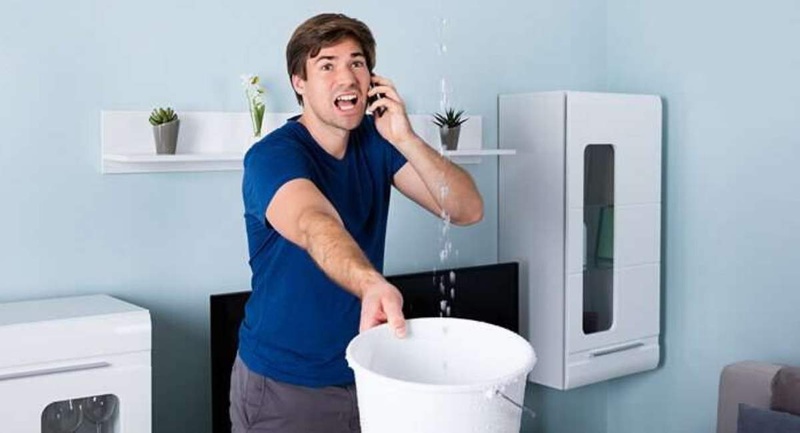
A small drip may not be a big deal but a neglected leak can cause a bigger issue. Uncontrolled water intrusion may encourage the growth of molds which besides damaging the indoor air quality, also deteriorate the building materials. Long-term exposure to moisture may be followed by rot, corrosion and electrical damage.
Such complications may necessitate a lot of reconstruction thus increasing the cost of repair. Early leakage repair is cost-effective and time-saving and preserves the health of the occupants of the building.
Step-By-Step Solutions To Address Water Leaking
Solving vent leaks means finding the cause and taking certain measures. Some of the easiest methods to avoid or correct leakage problems include regular maintenance, cleaning and inspection. The following is a systematic way that can be followed by homeowners or facility managers.
1. Shut Off The Air Conditioner
Turn off the AC unit and cut its power before trying to do any repair. This action eliminates electrical risks and halts the further water flow, reducing the potential damage. Shutting down the system also enables melting of ice on the evaporator coil at a regulated pace.
2. Inspect Condensate Drain Lines
Find the connection of the drain line to see whether it is blocked. Lines that have mold or debris should be cleaned using a wet-dry vacuum or a brush that is special. Cleaning the line will lead to the proper drainage where the moisture will flow out rather than leaking into ducts.
In severe situations, the use of chemical cleaners might be necessary to get rid of stubborn blockages.
3. Check And Clean The Drain Pan
Look at the drain pan under the evaporator coil to see whether it is cracked or has rust spots. Eliminate any stagnant water and wash off dirt. In case the pan is damaged seriously, it may require replacement.
Water collection and drainage can be maintained by regular cleaning using a mild detergent.
4. Replace Dirty Air Filters
The quantity of dust and contaminants in the HVAC system is regulated through air filters. Frozen coils may occur when airflow is limited due to the clogging of filters. Frequent replacement of filters will ensure that there is optimal airflow and that the coil will not be iced and will not cause water leakage as the ice melts.
5. Inspect Ductwork And Insulation
Inspect ducts to see whether they are loose, have gaps or holes. Repair and seal any loose parts using foil tape or mastic sealant. Insulating duct surfaces properly minimizes the condensation by keeping the temperatures within and without the ducts constant.
This is especially important in a humid climate.
6. Adjust Humidity Levels
An AC system may not be able to condense and drain moisture when the level of humidity is high. Some of the stress on the evaporator coil can be relieved by using a dehumidifier or by operating the air conditioner in the dry mode. Regulating the humidity indoors reduces the amount of moisture and reduces the chances of leakages via vents.
7. Seek Professional Assistance
In case of persistent leaks or failure of several repairs to fix the problem, a certified HVAC technician may perform a complete inspection. The professional services involve advanced diagnostics, refrigerant inspection, coil replacement, or re-alignment of the components that have been installed incorrectly.
This makes it more thorough.
Don’t Overpay for HVAC Services – Call 888-894-0154 Now to Compare Local Quotes!
How to Avoid Being Ripped Off and Get a Fair Repair Price
It is not always easy to find the right AC repair professional, some of them will be very cheap due to their lack of experience or bad reputation and some will be way too expensive to do the same job. That is why the best thing to do to receive quality repairs at a reasonable price is to compare the estimates of the best-rated local professionals. Visit them, get to know about their history and the experience of the technicians who will work on your car. Select a professional AC repair contractor who has fair prices. Our Free Local Estimates service will help you to speed up this process.
By completing a short form and sending it, you will shortly receive a call by three of the best AC repair and installation companies in your area. They are pre-screened in terms of experience and they are all licensed and insured to protect you. It is time to get started and secure your home and wallet today, click below.
Preventive Maintenance For Leak-Free Vents
Preventive measures can prevent a recurrence of leakage situations by homeowners or facility managers. Routine check-ups do not only help to avoid leaks of water, but also increase the overall efficiency of the air conditioning system and extend its life.
- Schedule routine HVAC inspections (at least twice a year)
- Clean or replace air filters every one to three months
- Keep the condensate drain line free from debris
- Monitor refrigerant levels for balanced system performance
- Examine and seal ductwork periodically
A combination of these actions reduces the chances of moisture escaping through vents to a great extent.
Health And Safety Considerations
Leakages in water may become a health risk as molds grow in wet areas. Mold spores cause breathing difficulties and worsen allergies or asthma. Mold growth is discouraged by regular cleaning and control of humidity. Also, electrical wiring close to water leaks may be dangerous in terms of shock.
Fix leaks as fast as possible to reduce these risks and maintain a comfortable living or working environment.
Estimated Costs For Fixing Leaks
The repair costs also differ in case the problem is simple cleaning or replacing the damaged parts. A crude guide is given in the table below:
| Problem | Repair/Action | Approximate Cost |
|---|---|---|
| Clogged Drain Line | Clearing Blockage | $50 – $150 |
| Damaged Drain Pan | Pan Replacement | $200 – $600 |
| Frozen Coil Issue | Coil Cleaning/Repair | $150 – $500 |
| Air Duct Leaks | Sealing And Insulation | $250 – $750 |
Note: These estimates can be affected by labor costs and local rates. It is prudent to seek several quotes to do proper budgeting.
Authoritative Insights And Data
According to the U.S. department of energy, poor insulation and inefficient air conditioners are some of the factors that lead to high energy consumption. Research indicates that as much as 30 percent of cooling energy may be lost by ductwork leakage alone. Leakage problems are usually accompanied by energy wastages and therefore, proper maintenance is not only a means to prevent leakages but also a method of cutting bills.
Energy Star suggests that HVAC should be tuned up annually to guarantee the best performance. Examples of such tune-ups are checking the level of refrigerant, cleaning the evaporator coils and testing the airflow of the system. Early leak repair is part of the best practice in the industry in terms of comfort, safety, and cost-effectiveness.
Additional Tips To Avoid Recurring Leaks
There is more to a one-time repair to prevent repeat incidents. Constant maintenance of the air conditioner and the surrounding environment assists in preventing future problems. The following are workable recommendations:
- Run ceiling fans to circulate air, reducing humidity accumulation.
- Position furniture and décor to allow unobstructed vent airflow.
- Take an example of UV lamp installation to prevent mold growth around coils.
- Use smart thermostats to manage humidity and temperature settings.
- Make regular attic and roof inspections to identify unrelated water penetration.
With few basic measures, the chances of observing water stains or drips around vents can be reduced drastically.
When To Contact A Professional
Although some of the leaks are caused by simple problems that are easy to fix, others can be an indication of advanced HVAC problems. When the water damage is large, when significant parts need to be replaced, or when deep-cleaning is required, professional intervention is usually required.
In case DIY attempts have been made several times and have not helped, or in case there are indications of refrigerant leaks, it is safer to arrange a professional inspection. The certified technicians are equipped with skills and tools that can deal with more complicated diagnoses, which guarantees the overall life of the system.
Optimizing For Efficiency And Comfort
Leak control can be used as a stepping stone to wider energy savings and indoor comfort. Water leakage is something that should be eliminated to ensure that the AC system is running at its best. This assists in stabilizing the temperatures indoors, keeps humidity levels constant and prolongs the life of the equipment.
Don’t Overpay for HVAC Services – Call 888-894-0154 Now to Compare Local Quotes!
Finally, regular inspections and maintenance of repairs create a balance between the comfort of the house and the regulated utility costs.
Final Thoughts On Addressing AC Vent Water Leaks
Leaking of water through air conditioner vents is not just a small inconvenience. Active detection and elimination minimizes the chances of mold, structural deterioration, and unnecessary energy expenses. With the help of preventive measures, regular professional checkups, and monitoring the system performance, users will be able to experience a leak-free and energy-efficient cooling process.
A well-functioning AC system will help to create a healthier and comfortable environment to all the people involved.

How to Get the Best HVAC Prices
- Firstly, keep in mind that installation quality is always the most important thing for residential HVAC project. So never sacrifice contractor quality for a lower price.
- Secondly, remember to look up the latest rebates as we talked above.
- Thirdly, ask for at least 3 bids before you make the decision. You can click here to get 3 free estimates from your local contractors, and this estimate already takes rebates and tax credit into consideration and filter unqualified contractors automatically.
Lastly, once you chose the right contractor, remember to use the tactics from this guide: Homeowners Tactics When Negotiating with HVAC Dealer to get the final best price.