Understanding Why Your AC Is Blowing Hot Air
It is frustrating and uncomfortable when your air conditioner begins to blow hot or warm air when you need cool air to relieve you of the hot weather, especially in the summer months. The issue is a common one that may be caused by minor problems that you can resolve on your own or more serious mechanical failures that need the assistance of a professional.
Knowing the causes will enable you to know the right solution and possibly prevent the expensive repairs.
| Common Causes | DIY Fixable? | Average Repair Cost |
|---|---|---|
| Thermostat Issues | Yes | $0-$250 |
| Dirty Air Filter | Yes | $10-$30 |
| Refrigerant Leaks | No | $200-$1,500 |
| Dirty Condenser Coils | Partially | $100-$400 |
| Compressor Issues | No | $600-$2,000 |
| Electrical Problems | Mostly No | $150-$600 |
Thermostat Problems Causing Warm Air
Your thermostat is the control hub of your cooling system and improper settings or failure may lead to warm air coming out of your vents. The first thing to check when troubleshooting an AC blowing hot air is always the thermostat since this is the easiest possible solution. This tiny gadget is a frequent source of trouble that resembles bigger problems in the system.
Start by making sure that your thermostat is not on “HEAT” or “FAN” mode but on “COOL” mode. This might be a no-brainer, but it is a surprisingly frequent oversight, particularly in homes with more than one person who changes settings. To initiate cooling, the temperature must be reduced by at least 5 degrees of the existing room temperature.
In case of battery operated thermostats, ensure that the batteries are not worn out. The battery power may be low and this may lead to erratic behavior or inability to communicate effectively with your AC system. Not all digital thermostats have a low battery indicator, however most of them do.
Advanced Thermostat Troubleshooting
In case you have a programmable thermostat, check that you are not having programmed schedules override your manual settings. The reason why your system blows cool air at some time and warm air at other times can be attributed to scheduled temperature changes. Check and modify programmed schedules where necessary to ensure constant cooling.
Think of the position of the thermostat in your house. Thermostats should not be located in direct sunlight, close to heat-generating devices, or in warmer parts of your house because they will show a higher temperature than the real living space. This location problem makes the system to cycle off early leading to poor cooling.
In case simple troubleshooting fails to solve the problem, reset your thermostat as per the instructions of the manufacturer. A new thermostat can be required in case of chronic issues. Smart thermostats of today do not only offer a more precise control of temperature but can also assist in diagnosing other problems in the system.
Dirty Air Filters and Restricted Airflow
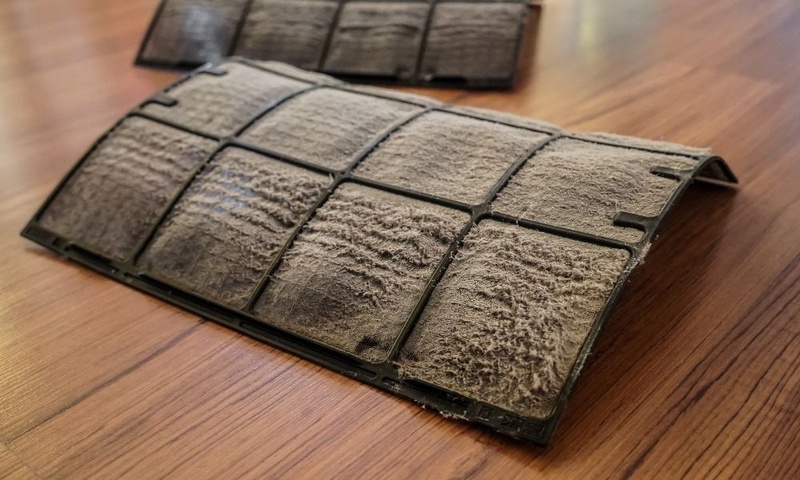
Air filters are used to remove dust, pollen, pet dander and other air particles to enhance indoor air quality, however, they lose their effectiveness when they are clogged with debris. Blocked filters limit the flow of air in your system, which makes your air conditioner strain to produce less cooling, which can lead to warm air coming out of your vents.
This is a typical problem that can be avoided through routine check-ups.
Don’t Overpay for HVAC Services – Call 888-894-0154 Now to Compare Local Quotes!
Find the air filter of your system that is usually located in the return air duct or in the air handler unit. Switch off your system and then take out the filter to examine it. Put it in front of a light source, and, in case you cannot see the light going through, the filter is blocked and needs to be changed. Filters that are not fully blocked can also cause a major decrease in system efficiency.
In the majority of residential systems, the professionals advise that filters should be checked on a monthly basis during peak cooling season and should be changed once every 1-3 months based on the factors of usage. Houses that have pets, allergy victims or are dusty in nature may need to change the filters more often to ensure that there is sufficient airflow and that the system is performing well.
Choosing the Right Filter Replacement
Choose a replacement filter that balances the quality of filtration and airflow requirements. Filters that have a MERV rating of 11 and higher trap more particles but can limit airflow to the point of causing the cooling issues you are attempting to address in the first place. Look at your HVAC manual to find out recommended filter specifications.
The dimensions of filters should be the same in order to avoid air bypassing around the edges. Check the size of your existing filter, which is normally shown as length x width x depth in inches (e.g. 16x25x1). A filter that is not the right size may leave loopholes through which dust may pass through without being filtered at all, which speeds up the process of coil contamination.
In addition to avoiding warm air problems, frequent filter replacement has other advantages such as better indoor air quality, less energy use, longer life of equipment and lower utility costs. This is a small maintenance job that gives huge returns on a small investment of time and money.
Refrigerant Leaks and Low Refrigerant Levels
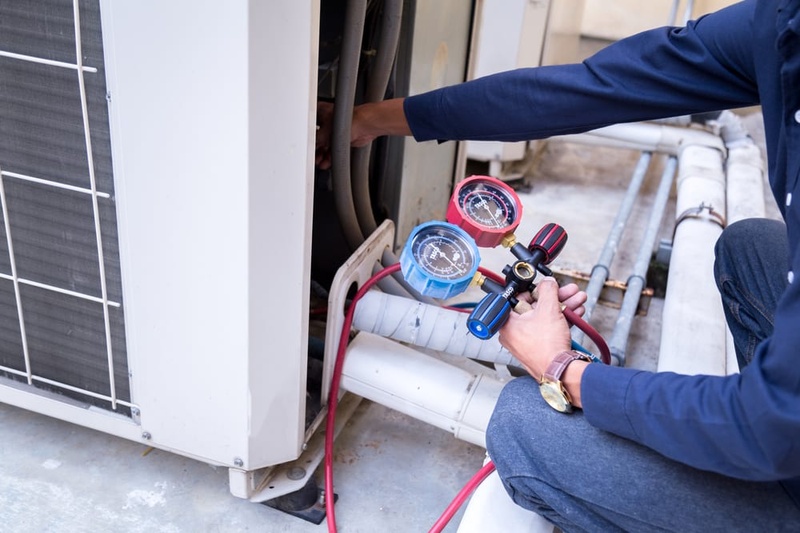
Refrigerant is the medium that is critical in moving the heat within your home to the outside. As refrigerants decrease because of leakages, your air conditioner becomes less efficient in cooling, and in most cases, you may find that your air conditioner is blowing warm air even when it is on. Refrigerant does not wear out, as fuel does, during normal operation: a low level is always a sign of a leak.
Hissing noises around copper lines, ice on the evaporator coil or refrigerant lines and a gradual loss of cooling ability over time are common indicators of refrigerant leaks. You may find that your system is taking longer cycles and generating less cooling effect which means you will have to pay more electricity bills and also you will not be as comfortable as before.
Leaks of refrigerants are issues that need the services of EPA certified technicians. The federal laws bar the unlicensed persons to handle refrigerant because of environmental and safety reasons. Moreover, the repair of the leaks needs special equipment to detect, repair, and confirm the repair after which the system is recharged.
Understanding Different Refrigerant Types
The kind of refrigerant you have in your system determines repair possibilities and prices. Older systems (pre-2010) are usually R-22 (Freon), which has been phased out as being environmentally unfriendly, newer systems use more environmentally friendly alternatives such as R-410A (Puron). This difference has a great influence on repairing.
The R-22 refrigerant has been getting costly and hard to come by because it is no longer produced due to EPA regulations. In case your older system that uses R-22 has a leak, you will incur a lot of money in repairing the system than the newer systems. Most homeowners prefer to replace old equipment with new ones instead of spending a lot of money on repairing R-22.
In the event of refrigerant leaks, a qualified technician is expected to carry out a complete leak detection procedure, seal all the leaks found, evacuate the system to eliminate moisture and non-condensables, and accurately charge with the right type and quantity of refrigerant. Saving on any of these steps usually results in repetitive issues.
Compressor and Condenser Unit Problems
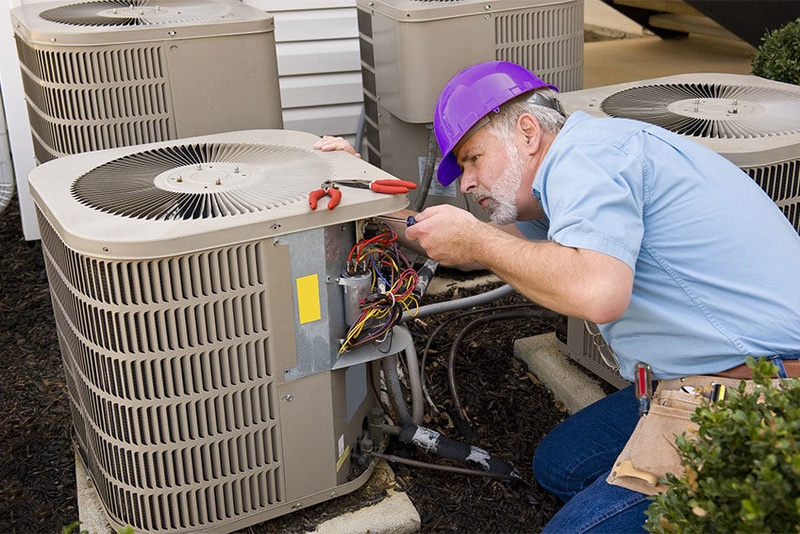
Your air conditioning system has a vital part in the outdoor unit that comprises of the compressor and the condenser coil. The issues with these elements often lead to warm air, since they are the ones that make the process of heat transfer possible, which allows cooling to take place. The knowledge of these parts will allow you to understand possible problems and talk to HVAC specialists.
Your compressor is the heart of the cooling system and pressurizes refrigerant and keeps it circulating during the refrigeration cycle. The causes of compressor failures may be electrical, mechanical damage inside the compressor, or inappropriate operating conditions. The warning signs are the abnormal sounds (buzzing, rattling, or knocking), frequent cycling of the system, or the shutdown of the system.
The condenser coil, which is a copper tube with aluminum fins, discharges the heat gathered in your house to the outside world. When this coil is dirty or damaged, the efficiency of heat transfer is reduced and this leads to poor cooling and even warm air through your vents even when the system is on.
Outdoor Unit Maintenance and Care
Most of the condenser and compressor issues are avoided by proper maintenance of the outdoor unit. Make sure that the space around your outdoor unit is free of plants, trash, and other objects, leaving at least 2 feet of free space around and 5 feet above to provide enough air circulation. Limited airflow leads to inefficiency of the system and possible damage of the components.
Check your condenser coil periodically to see whether it is dirty, damaged or crushed. Homeowners can do light cleaning by turning off the power, followed by the removal of debris using a soft brush and spraying with water using a garden hose (not a pressure washer). Do not bend the fragile aluminum fins that may limit airflow.
A professional maintenance should involve a complete cleaning of the condenser coils, refrigerant pressures, electrical connections and the performance of the compressor. This preventive care is much cheaper than emergency repairs and assists in keeping the system operating at its best to avoid warm air problems.
Electrical Issues Affecting Cooling Performance
There are numerous electrical issues that may cause your air conditioner to fail to cool and thus warm air comes out of your vents. These problems include minor problems such as tripped circuit breakers to more complicated problems such as capacitors, contactors or control boards that need professional diagnosis and repair. Knowledge of simple electrical troubleshooting can determine when to seek the services of a professional.
The majority of the residential central air systems have two distinct electrical circuits, one of them is the indoor air handler and the other one is the outdoor condensing unit. In case the indoor unit is powered and the outdoor unit is not, you will have airflow, but not cooling. Inspect your electrical panel to see if there are tripped circuit breakers that are specific to your HVAC system especially the outdoor unit.
Although a circuit breaker may seem to be in the correct position, attempt to reset it by turning it completely off and then on. At times, breakers can trip inside without physically moving to the off position. This is a basic procedure that can solve most of the seemingly AC failures and it is not dangerous to do it without special knowledge by the homeowner.
Don’t Overpay for HVAC Services – Call 888-894-0154 Now to Compare Local Quotes!
Capacitor and Motor Problems
Start and run capacitors are used to give the electrical kick that is required to start motors and maintain them running efficiently. The common cause of air conditioners blowing warm air is due to failed capacitors, the compressor or fan motors will not start or run correctly even though the system has power. During heat waves, the systems are operated continuously and capacitor failures are on the rise.
Evidence of capacitor issues is a humming sound without the appropriate functioning of the motor, failure of the system to start, or the outdoor fan being halted and the compressor still running. Bulging or leaking of capacitors is common in failed capacitors. Although replacing capacitors is not very costly, it is a task that needs electrical expertise and safety measures, which are better left to the experts.
The fan motors of the indoor and the outdoor units may also have electrical issues that accumulate with time. Failure of an outdoor fan motor will not allow the correct release of heat by the condenser and a failure of an indoor blower motor will not allow the correct flow of air over the evaporator coil. Both of these situations lead to reduced cooling ability and possibly hot air coming out of your vents.
Frozen Evaporator Coil Issues
Your evaporator coil, which is in your indoor air handler, removes heat in the air of your home. When this coil freezes, it creates a wall of ice that does not allow the heat to transfer properly and you end up having warm air coming out of your vents even though the system is on. Frozen coils are signs of some underlying issues that should be addressed to avoid damaging the system.
There are a number of conditions that may lead to the freezing of the evaporator coil, the most common being the limited airflow. When the air flow is not enough over the coil, the coil temperature falls below freezing point and the moisture in the air condenses as ice. This is usually caused by clogged air filters, shut supply registers or blower motor issues.
Coil freezing is also common when there is low level of refrigerant. The evaporator coil temperature becomes lower than the normal operating range when the refrigerant pressure decreases because of leaks and this causes the formation of ice. This condition needs professional repair where refrigerant leaks are identified and repaired prior to recharging the system.
Resolving Frozen Coil Problems
In case you suspect a frozen evaporator coil, the first thing you should do is switch off your cooling system. The system should be restarted after 24 hours of letting the ice melt naturally as running with a frozen coil may cause damage to the compressor, which may cost a lot of money to repair or replace. Do not ever chip or scrape ice off the coil because this will permanently damage the coil.
In the meantime, when the coil is thawing, check and change the air filter in case it is dirty. Make sure that all the supply registers and the return grilles are open and free. To speed up the thawing process, and to make sure that the blower is working, you can run the fan (no cooling) to do the thawing.
Thaw your system and restart it, then observe performance. In case of refreezing of the coil or insufficient cooling, it is necessary to call in a specialist who will diagnose and eliminate the cause. Repeated freezing means that there is more than just airflow restriction, usually leaks in the refrigerant or other mechanical problems.
Ductwork Problems and Airflow Restrictions
In the case of central air conditioning, the ductwork is used to spread the cooled air in your house. Poorly designed, damaged, or leaking ducts may lead to the inadequate cooling of some or all of the rooms leading to the feeling of warm air even though the air conditioner is working properly. The issue of ducts has a major influence on comfort and energy efficiency.
One of the most widespread and influential issues is duct leakage, and the typical home loses 20-30 percent of the conditioned air before it can get to living areas due to leaks. This unused cooling capacity causes longer run times of the system, increased energy costs, and possibly warm air in the farthest vents of the system.
Flexible ducts that have collapsed or been crushed in attics, crawlspaces or basement locations can cause serious airflow limitations to the rooms involved. This destruction is usually done in the course of other repairs or renovations in the home where the ductwork is stepped on or moved by the workers. These obvious obstructions can be detected by visual inspection of the accessible ductwork.
Diagnosing and Fixing Duct Problems
There are a number of symptoms that indicate that ductwork issues are causing warm air problems. Rooms that are not cooled evenly, an abundance of dust around the vents, whistling coming out of the registers, and damage to ducts that are accessible all point to possible problems with the duct system that should be assessed. Duct testing done by a professional is conclusive.
The duct sealing by professionals has great advantages to the leaking systems. This service normally involves the application of special mastic sealant or metal backed tape to fix the leaks that are accessible. To seal the whole duct system, aerosol-based internal sealing technologies can seal the leaks in the whole duct system even in inaccessible places.
In certain instances, it might be required to modify or replace ducts to eliminate airflow issues. Newer flexible ducts which have better insulation and sealing capabilities are much more efficient and durable than the older materials. Although it is a significant investment, the right ductwork enhances comfort, lowers energy use, and increases the life of the system.
Don’t Overpay for HVAC Services – Call 888-894-0154 Now to Compare Local Quotes!
When to Call a Professional HVAC Technician
Although there are certain air conditioner problems that can be fixed by performing a DIY troubleshooting, there are a lot of problems that need professional skills to diagnose and fix the right way. Call a HVAC expert in case your system has refrigerant problems, electrical problems, compressor problems, or when the simple troubleshooting does not fix the warm air issue. Timely professional service eliminates additional damage.
All issues that may involve refrigerant should be addressed by professionals. The federal laws do not allow unlicensed persons to work with refrigerant, and the diagnosis should be done using special equipment. DIY repairs that deal with refrigerant are not only illegal, but they can also be dangerous to you and the environment.
Electrical issues that cannot be solved by just resetting the circuit breakers should be left to the experts. HVAC systems have complicated electrical parts that work at different voltages and this poses a risk of severe injury in case of a wrong repair attempt. Also, improper electrical repairs can cause fire or destroy costly parts of the system.
How to Avoid Being Ripped Off and Get a Fair Repair Price
It is not always easy to find a good AC repair specialist, some of the companies will offer very low prices due to their inexperience or bad reputation, and some of them will simply overcharge you to do the same job. That is why the best thing to do to receive quality repairs at a reasonable price is to compare the estimates of the best-rated local professionals. Visit each of them, get to know more about their background and the experience of the technicians who will perform the repair.
Select a contractor of AC repair that has experience and fair prices. You may accelerate this process with the help of our Free Local Estimates service.
Once you complete a short form and send it, you will receive a call soon by three of the best AC repair and installation companies in your area. They are preselected in terms of experience and all of them are licensed and insured to protect you. Get started now to secure your home and wallet today by clicking below.
Choosing a Qualified HVAC Contractor
Choosing the appropriate professional will guarantee quality services and reasonable prices. Seek contractors that are licensed, insured, manufacturer certified, have good customer reviews, and have open pricing policies. Several estimates will give you an idea of what a fair market price is on your particular repair requirements and costs.
Question the prospective contractors on their diagnostic. Quality professionals conduct a comprehensive system analysis instead of suggesting a rush replacement of parts. They are supposed to describe the problems identified in a manner that can be understood and talk about the different repair options available and their costs and advantages.
Watch out on contractors that are much cheaper than the others because quality materials and good workmanship are not sold at a discounted price. On the same note, very high estimates could be a sign of overpricing. Find out the average repair prices of your particular problem to know what is reasonable and what is suspect.
Preventive Maintenance to Avoid Hot Air Problems
Routine maintenance will go a long way in ensuring that your air conditioner does not blow warm air besides increasing the life of the system and enhancing energy conservation. Putting in place a preventive maintenance schedule that involves both professional service and homeowner chores will safeguard your comfort and investment, which can save you thousands of dollars in repair and premature replacement expenses.
A typical professional maintenance involves checking the level of refrigerant, inspection of electrical components, cleaning of coils, clearing of condensate drain and thorough testing of the system. These services detect and solve small problems before they turn out to be big problems. Most homeowners have the best time to do spring maintenance before the cooling season starts.
Maintenance that is carried out by the homeowner between professional visits keeps the system efficient. The essence of DIY maintenance that can help avoid the most frequent causes of AC warm air issues is regular filter replacement, making sure that outdoor units are free of debris, that indoor vents are not blocked, and that the problems are visually checked.
Creating an Effective Maintenance Schedule
Create a maintenance schedule that will help in regular maintenance of the system. Professional service should be scheduled once a year, and other homeowner maintenance activities should be done once a month or once every three months based on your particular system requirements and usage. This schedule can be kept with the help of digital calendar reminders.
Replacing filters is an aspect that should be given special consideration in your maintenance plan. The 1-inch filters are usually replaced every 1-3 months and thicker media filters can last up to 6-12 months. The factors that influence the frequency of replacement are system usage, pets, allergies, and environmental conditions. Put down dates to check and replace filters.
Keep a record of all the maintenance that has been done either by a professional or yourself. This record can be used to follow trends, demonstrate warranty adherence, and give information to future technicians. Most homeowners do not need more than a simple digital or paper log that records the dates, services that have been done, and any parts that have been replaced.
Troubleshooting Different AC Types
Various air conditioning systems adopt different troubleshooting methods in case they blow warm air. Central, window and portable units have certain issues in common, but also have issues specific to the system that need specific diagnostic and repair methods. Knowing the type of system you have can narrow down on the troubleshooting.
The most complex air conditioning systems are the central air conditioning systems that have separate indoor and outdoor units that are linked together using refrigerant lines. In case central AC blows warm air, then the issue may be in either of the units, connecting lines, or duct system. This complexity usually requires professional diagnosis of problems that cannot be solved by simple maintenance.
Window and through-wall units integrate all of the parts into one housing, making certain parts of troubleshooting easier, but reducing the ability to repair them with do-it-yourself methods. Most repairs that would be available in the split systems are not practical to be undertaken by the homeowner in these integrated systems, but simple maintenance is significant and can be performed.
Window and Portable Unit Considerations
In case of window units that blow warm air, first ensure that there is no problem with the installation. These units need to be kept at the slight downward tilt recommended by the manufacturer to the outside to allow condensate to drain, but need to be sealed against air infiltration on the outside. Much of the performance issues with window units are due to improper installation.
Portable air conditioners need to have an adequate exhaust venting. Check the exhaust hose to see whether it is kinked, disconnected or too long to allow the removal of hot air. The best exhaust system is the one that has the shortest route with minimum turns to effectively release the heat to the outside.
Mini-split ductless systems are a hybrid between central and window units, and have their own peculiarities of maintenance. When these systems blow warm air, ensure that the indoor air handlers are clean of filters and have good drainage, and ensure that the outdoor units are not blocked and have good clearance to allow free airflow.

How to Get the Best HVAC Prices
- Firstly, keep in mind that installation quality is always the most important thing for residential HVAC project. So never sacrifice contractor quality for a lower price.
- Secondly, remember to look up the latest rebates as we talked above.
- Thirdly, ask for at least 3 bids before you make the decision. You can click here to get 3 free estimates from your local contractors, and this estimate already takes rebates and tax credit into consideration and filter unqualified contractors automatically.
Lastly, once you chose the right contractor, remember to use the tactics from this guide: Homeowners Tactics When Negotiating with HVAC Dealer to get the final best price.