It is annoying to turn on a central air conditioner and hear the fan is working, yet the air is only warm or at room temperature.
This problem usually indicates some mechanical, airflow or refrigerant issues. Being aware of the most frequent causes and the way to deal with them, homeowners can make the right decisions and maintain their AC system in the best condition.
| Symptom | Possible Cause | Suggested Action |
|---|---|---|
| AC runs but no cold air circulates through vents | Clogged or dirty air filter | Replace or clean the filter |
| Airflow is weak or inconsistent in various rooms | Leaking or obstructed ductwork | Seal leaks or remove blockages |
| The air handler is on but no considerable cooling is observed | Low refrigerant or refrigerant leak | Contact an HVAC technician for repair |
| Outdoor unit compressor runs loudly but no cold air is generated | Blocked or dirty condenser unit | Clear debris & schedule cleaning |
| The compressor of the outdoor unit is running and is very noisy but no cold air is produced | Thermostat malfunctions or wiring issues | Calibrate or replace thermostat |
Common Reasons an Air Conditioner Runs but Does Not Cool
A number of causes may cause warm or not cooled air. These include a mere thermostat malfunction to more complicated problems such as refrigerant leaks. The system is often restricted in its cooling ability by dirty air filters, blocked vents, or coils that are not clean, and problems with electrical connections or mechanical components can also compound the problem. The following are the most likely suspects and the way they affect the capacity of a central AC unit to produce cold air.
1. Thermostat Issues
One of the easiest reasons why an air conditioner does not cool even when it is running is a faulty thermostat or improperly set thermostat.
In some cases, the thermostat can be in the mode of Fan On or Auto rather than Cool, which makes the air handler circulate unconditioned air. In other instances, an older thermostat can lose its calibration, and thus it can misinterpret the indoor temperatures. Also, poor wiring may cut the connection between the thermostat and the AC system. The minor thermostat issues can frequently be solved by homeowners by checking the mode settings, replacing batteries (where applicable), or adjusting the temperature setpoint. In case these measures fail to fix the absence of cooling, it might be required to call a professional to test or replace the thermostat.
2. Refrigerant Leaks or Low Refrigerant
Absorption and release of heat is impossible without the use of refrigerant.
When the levels are low, the AC unit will not be able to remove enough thermal energy in the indoor air. The refrigerant lines or coil connections are prone to corrosion or physical damage and leaks are likely to develop.
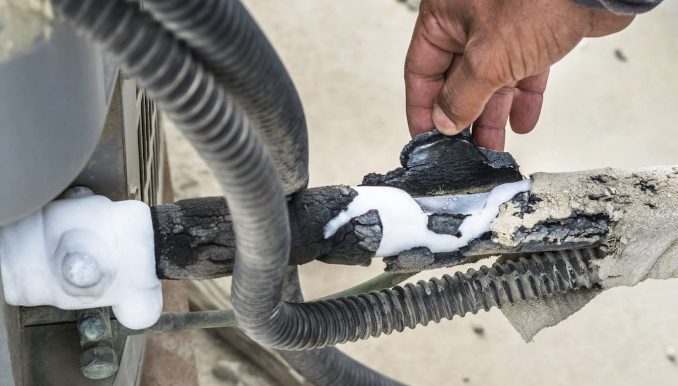
The evaporator coil can freeze when the levels are low, which limits the airflow and does not allow cooling.
Technicians use special equipment to diagnose the leaks, repair or replace the damaged parts and recharge the system to the proper pressure of the refrigerant. The problem of trying to refill the refrigerant without repairing the cause of the leak is usually recurrent. Leakage is properly addressed, which extends the life cycle of the system, keeps it cool, and prevents possible environmental damage.
3. Dirty or Clogged Air Filters
The air filters protect the evaporator coil and indoor environment by trapping dust, pollen and debris. With time, these particles build up to a level that airflow is restricted.
Don’t Overpay for HVAC Services – Call 888-894-0154 Now to Compare Local Quotes!
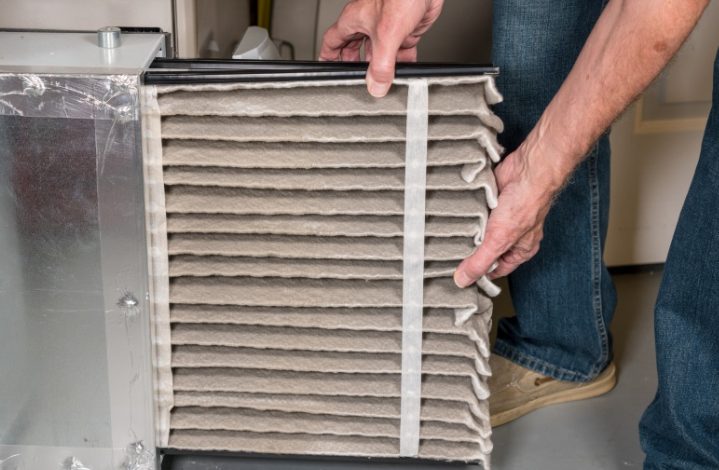
When the filter is too dirty, the system has to struggle to draw air through it, and the amount of air that goes over the cooling coil is less. This strain usually results in reduced cooling ability and in extreme cases it may result in freezing of the coil.
Changing or cleaning the filter as suggested by the manufacturer usually once a month to three months will keep the airflow consistent. Also, a clean filter reduces the use of energy and provides a healthier indoor environment since dust is less circulated.
4. Frozen Evaporator Coils
Freezing of evaporator coils is a sure indication of some problems like airflow obstruction or low refrigerant.
The coils with a layer of ice on them severely limit the heat exchange, and air that comes out of the vents is lukewarm. The temporary solution would be to switch off the AC system and let the coils thaw, but the cause of the problem should be identified to avoid the recurrence of the freeze-ups. This could include cleaning or changing filters, removing obstructions in the vents and making sure that the refrigerant pressures are within the correct range.
There are also instances when coil icing can be caused by the malfunction of the blower motor or fan speed, which will need professional troubleshooting.
5. Blocked or Dirty Condenser Unit
The outdoor condenser radiates the heat that is taken in the house. When this unit is blocked with leaves, grass clippings or dirt, the airflow is impeded and the condenser will have difficulty getting rid of the heat. The AC will then find it hard to cool the air inside the building.
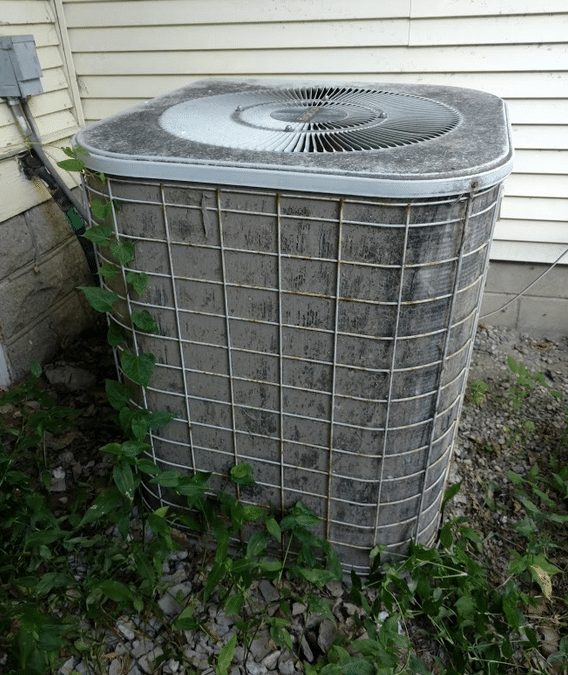
In order to fix this, it is necessary to clear the debris regularly and have professional cleanings every now and then. Improved airflow is achieved by making sure that there is at least two feet of clearance around the condenser unit. When there is a lot of pollen or dust, cleaning might be required more often.
The outdoor unit should be left clear so that the whole system can be more energy efficient and save on utility bills, but still, the indoor temperature can be comfortable.
6. Damaged or Leaking Ductwork
Cooled air is distributed in the house by ducts. When they become leaky, have gaps or are damaged, cool air can leak into the unconditioned areas like attics or crawl areas and rooms will not get as much chilled airflow.
Unbalanced pressure may also be caused by poorly designed or installed duct systems, which may result in some rooms being hotter than others. Periodic duct inspection and sealing are used to maintain integrity of air distribution. Duct sealing options are to seal gaps with mastic sealant or special tape. Heat gain is also avoided by proper insulation of ducts in unconditioned spaces so that by the time the conditioned air reaches the vents it is as cool as possible.
7. Electrical or Mechanical Problems
There are many electrical and mechanical components that help in the cooling of an air conditioner. The cold air output can be decreased by a faulty compressor, worn out fan motor bearings, defective capacitors or a faulty contactor.
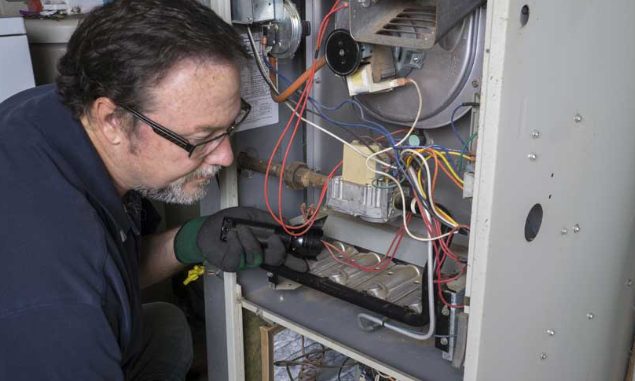
Electrical issues may be in the form of tripped breakers, buzzing, or uneven operation whereas mechanical issues may be in the form of strange grinding or squealing noises.
The most important thing to do when diagnosing these issues is to put safety first- switching off the system and calling a licensed HVAC technician is usually the most appropriate thing to do.
Doing electrical or mechanical repairs without the proper tools and know how can also cause more damage to the unit and pose a danger to the person doing the work.
How to Troubleshoot an AC That Is Running but Not Cooling
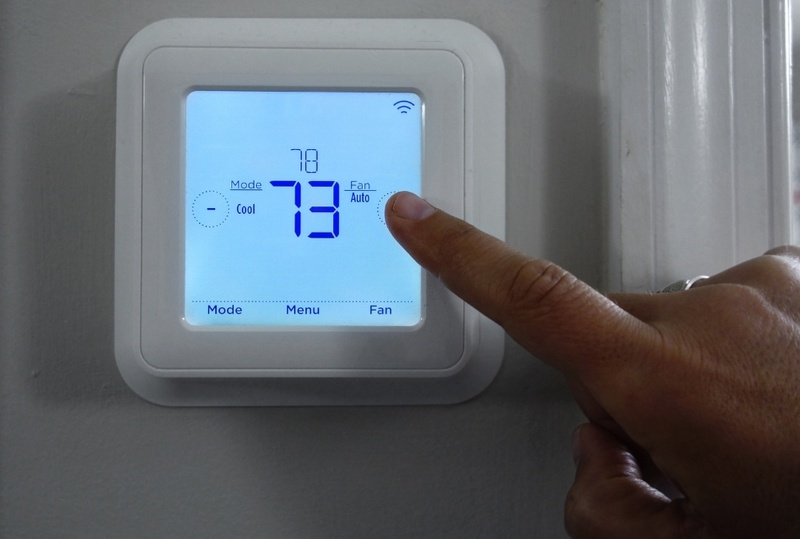
Troubleshooting can be a set of logical tests to identify the issue. First, ensure that the thermostat is in the position of Cool and the temperature set is lower than the current indoor temperature. Then, check the air filter to see whether it is dirty or clogged because a heavily soiled filter can have a major effect on cooling. In case the filter is clean, check the evaporator coil to see whether there is ice or water around the furnace. These symptoms usually show airflow blockage or refrigerant problems.
The homeowners are also advised to listen to any strange noises of the outdoor condenser. A squeaky or rattling sound may indicate mechanical wear or fan blades that are blocked. When simple test fails to show an obvious cause, it is usually advisable to contact an HVAC expert. Professionals are able to check the level of refrigerant, check electrical connections, and do sophisticated diagnostics which might not be within the reach of DIY. This method is time-saving, avoids additional damages and makes proper repairs.
Professional vs. DIY Maintenance
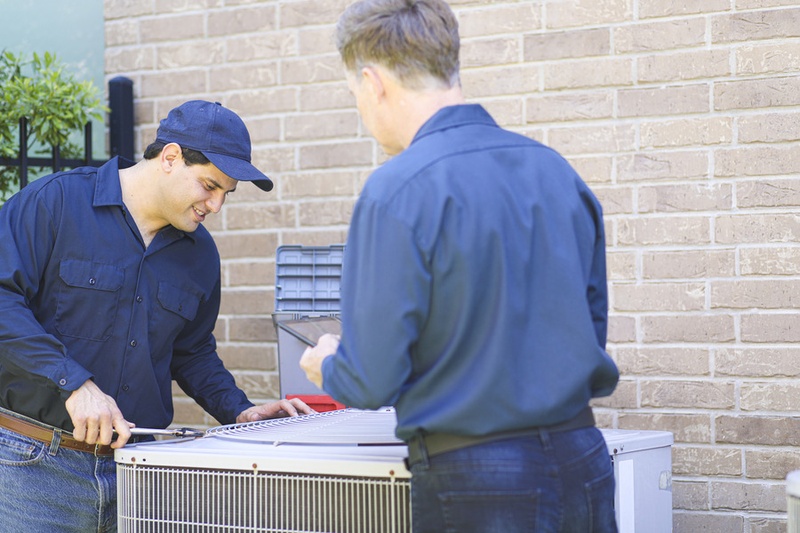
Regular maintenance is essential to any central air conditioner, yet the choice between professional and do-it-yourself work is based on the complexity of the work. The basic maintenance of air filters, cleaning, and replacement, keeping the outdoor condenser clear of debris, and replacing the thermostat batteries with new ones are usually within the capabilities of most homeowners. Frequent cleaning of outdoor unit fins using a soft brush and occasional cutting of surrounding vegetation also helps in good airflow.
Higher level maintenance, like checking refrigerant levels, servicing blower motors, or checking electrical parts usually need special knowledge and tools. Certified HVAC specialists are able not only to detect minor problems before they become serious but also to make sure that the system is working safely. Without training, trying to make major repairs can break the system, invalidate warranties, or cause safety problems. A mix of simple DIY maintenance and professional tune-ups will help homeowners to prolong the life of their AC unit, keep it at the highest efficiency, and prevent costly emergency repairs.
Preventative Measures to Keep the AC Blowing Cold
Seasonal scheduling is the first step towards preventative maintenance.
Preferably, a central AC unit undergoes a comprehensive check in spring prior to the onset of high cooling season. In this visit, a technician inspects some important parts, including the refrigerant charge, the coil cleanliness, the blower operation and the system performance. Small problems can be identified early enough before they become bigger and more expensive to solve, such as worn fan belts or loose connections.
Don’t Overpay for HVAC Services – Call 888-894-0154 Now to Compare Local Quotes!
The air conditioner is also not overworked by proper insulation and weatherproofing of the home. The AC will not have to work hard to provide a comfortable indoor environment by sealing cracks, updating windows, and installing attic insulation.
Other measures that enhance efficiency are regularly cleaning or replacing air filters, checking thermostat settings, and keeping track of energy use. These precautionary steps do not only make the system continue blowing cold air but also extend its service life.
Cost Considerations for AC Repairs vs. Replacement
Cost is usually a determining factor when one is deciding whether to repair or replace a central air conditioner that is running but is not cooling. Small repairs like changing a capacitor, duct sealing, or thermostat calibration are usually cheaper and can drastically improve performance. Nevertheless, when the system has a significant leak of the refrigerant, a malfunctioning compressor, or an old technology that needs regular costly repairs, it might be more economical to purchase a new one.
Newer systems are more reliable, more energy efficient and in some cases have a better warranty. Initial expenses of a new installation may be quite high, but the savings on monthly utility bills and the absence of service calls can cover the initial cost. Moreover, the homeowners that choose efficient models can receive rebates or tax credits.
A comparison of the cost of repair with the age and performance of the existing unit will help make a reasonable decision.
How to Avoid Being Ripped Off and Get a Fair Repair Price
Finding the right AC repair expert can be tricky—some companies offer rock-bottom prices because they’re inexperienced or have poor reputations, while others charge far too much for the same work. That’s why the smartest way to get quality repairs at a fair price is to compare estimates from top-rated local pros. Meet with each, learn about their history and the experience of the technicians that will do the work. Choose an experienced AC repair contractor with reasonable rates. You can expedite this process by using our Free Local Estimates service.
When you fill out a quick form and submit it, you’ll soon be contacted by three of the top AC repair and installation companies near you. They are prescreened for experience, and all are licensed and insured for your protection. Click below to get started and protect your home and wallet today.

How to Get the Best HVAC Prices
- Firstly, keep in mind that installation quality is always the most important thing for residential HVAC project. So never sacrifice contractor quality for a lower price.
- Secondly, remember to look up the latest rebates as we talked above.
- Thirdly, ask for at least 3 bids before you make the decision. You can click here to get 3 free estimates from your local contractors, and this estimate already takes rebates and tax credit into consideration and filter unqualified contractors automatically.
Lastly, once you chose the right contractor, remember to use the tactics from this guide: Homeowners Tactics When Negotiating with HVAC Dealer to get the final best price.