When the air conditioner fan stops spinning but produces a humming noise, it often indicates an internal malfunction or component failure. These issues can stem from capacitor problems, motor failure, or mechanical obstructions. Addressing the root cause quickly helps restore optimal cooling and prevents further damage. According to the U.S. Department of Energy, consistent maintenance of cooling systems can enhance efficiency and prolong service life. Understanding the causes and fixes ensures a comfortable indoor environment during the hottest months.
Signs Of A Failing AC Fan
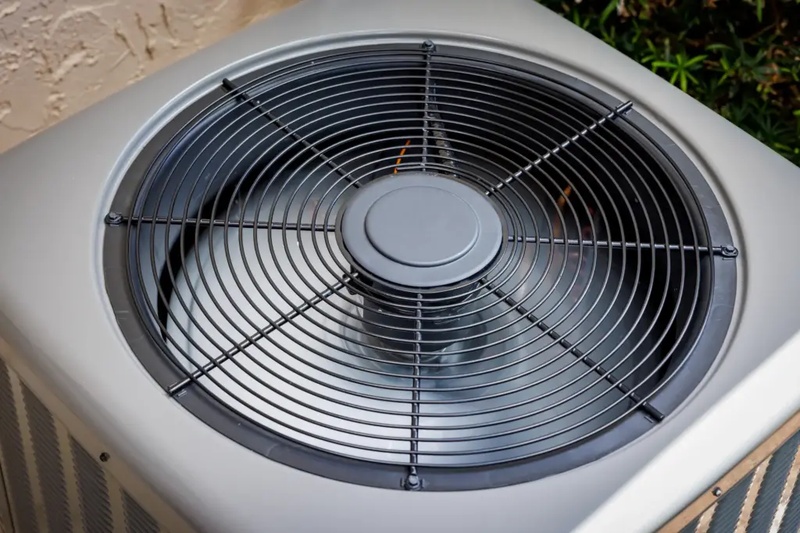
A fan that hums but does not spin typically signals a mechanical or electrical issue. These issues can range from simple debris blockages to serious motor malfunctions. Recognizing the early warning signs empowers homeowners to act before the damage becomes extensive.
Sometimes, the humming sound can be faint. In other situations, it may grow loud or change pitch over time. Unusual vibrations, warm air output, or sudden spikes in energy bills can also indicate a fan problem that requires attention.
Common Causes Of A Non-Spinning Fan
Several factors contribute to an AC fan failing to rotate. Each cause demands a specific approach to troubleshooting. Pinpointing the exact reason often saves time and money by eliminating guesswork.
1. Faulty Capacitor
The run capacitor stores the electrical charge that energizes the fan motor. When it fails, the motor may only hum because there is insufficient power to start the blades spinning. A swollen or leaking capacitor suggests an internal fault.
Capacitors typically degrade over time. Electrical surges and exposure to intense heat accelerate this process. If a capacitor can no longer release enough voltage, the fan remains stuck, even though the motor still hums.
2. Damaged Fan Motor
Another key culprit is the fan motor itself. Worn bearings, accumulated dirt, or burned windings can limit its performance. Regularly cleaning and lubricating the motor extends its lifespan.
When a motor fails, it may draw excessive current, causing the electrical components to overheat. This scenario often results in a humming sound without any blade rotation. A professional evaluation can confirm whether motor replacement is needed.
3. Debris Or Obstruction
Sometimes, physical objects obstruct fan blades. Leaves, twigs, or loose parts can restrict motion. Even slight bending of the blades can cause the fan to jam. Clearing debris is often an easy fix.
Outdoor units are more vulnerable to debris buildup. Regular inspections of the condenser area help detect and remove blockages. In many cases, removing the debris allows the fan to spin freely again.
Don’t Overpay for HVAC Services – Call 888-894-0154 Now to Compare Local Quotes!
4. Electrical Connection Problems
Loose wiring or corroded terminals disrupt power flow to the motor. This issue can occur over time due to vibration, moisture, or improper installation. Ensuring secure connections can often restore normal operation.
Additionally, damaged wiring insulation can result in short circuits. It is essential to address these concerns promptly to avoid more extensive system failures or hazards.
5. Contactor Malfunction
The contactor is a switch that supplies power to the AC unit’s components. When it fails, the motor may not receive the voltage needed to start. This leads to a silent or humming fan.
Dirty, worn, or burned contactors disrupt power delivery. Timely replacement of a faulty contactor prevents more severe electrical complications from arising in the system.
Quick Diagnosis Tips
Homeowners can conduct a simple assessment to narrow down the problem. However, caution is necessary when dealing with electrical parts. Switch off the power before handling components to avoid electrical shock or accidental damage.
- Look for visible damage on the capacitor (bulging or leaking)
- Gently spin the fan blades by hand to see if they rotate freely
- Inspect the wires for visible fraying or loose connections
- Listen for abnormal vibrations or excessive grinding sounds
Troubleshooting Steps
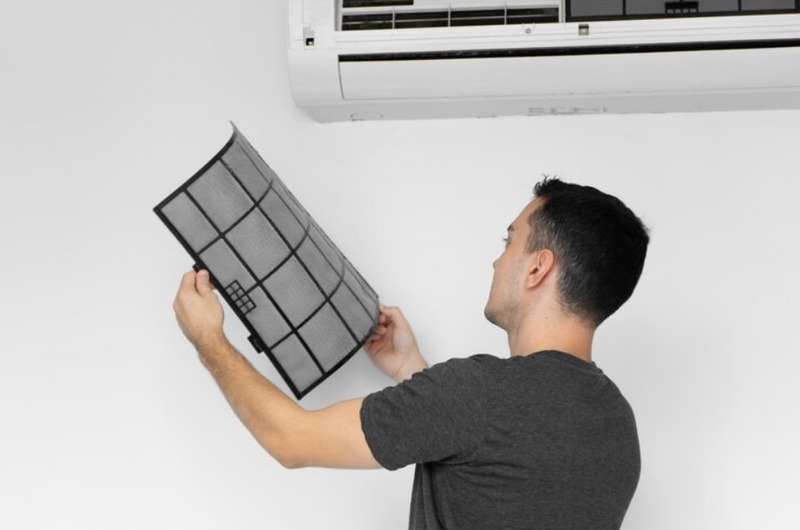
In some cases, a simple fix like cleaning debris or tightening a connection can remedy the issue. More complex problems, such as capacitor failure, may require specialized parts. Following a step-by-step process can streamline troubleshooting.
1. Turn Off Power And Open The Unit
Always shut down the breaker or main disconnect switch for safety. Remove the protective panel to access the fan motor and other components. Ensure no electrical current is flowing before proceeding.
2. Inspect For Physical Blockages
Check the condenser area for leaves, branches, or other debris. Clear any obstructions around the fan blades. If the fan still does not spin, move to internal component checks. A clean compartment helps the unit operate optimally.
3. Examine The Capacitor
Locate the run capacitor near the fan motor. Look for swelling or leakage on its casing. Test its capacity with a multimeter if available. A reading outside the specified range often confirms a failing capacitor. Replacing the capacitor is a common fix if the motor otherwise functions normally.
4. Check The Motor
Remove dust buildup around the fan motor vents. Manually rotate the shaft to see if it moves without friction. If the motor appears seized, or if it wobbles excessively, professional repair or replacement might be necessary. Well-maintained bearings prevent premature motor failure.
5. Evaluate The Wiring
Carefully inspect connections for damage or corrosion. Tighten any loose terminals. Repair or replace wires with broken insulation. Properly secured wiring ensures a stable flow of electricity to the fan.
DIY Fixes And Precautions
Some homeowners prefer to handle basic issues without hiring a technician. While this can save money, improper DIY efforts may result in injury or system damage. Following safe practices and using the right tools is crucial.
- Use a capacitor discharge tool to release stored voltage before handling
- Wear insulated gloves and eye protection when performing checks
- Label wires before disconnecting for proper reconnection
- Consult the AC unit’s manual for recommended parts and procedures
If uncertainty arises at any step, it is better to contact a certified technician. This ensures that any repairs meet local safety and efficiency regulations.
Professional Repair Or Replacement
When troubleshooting is inconclusive, or a significant internal fault is discovered, professional assistance is the safest path. Licensed HVAC technicians can diagnose intricate problems and source quality parts.
Technicians often perform additional tests on components like the compressor or electronic control boards. They can also identify hidden faults, such as refrigerant leaks or failing contactors, that might have gone unnoticed by a DIY approach.
Common Replacement Parts And Their Functions
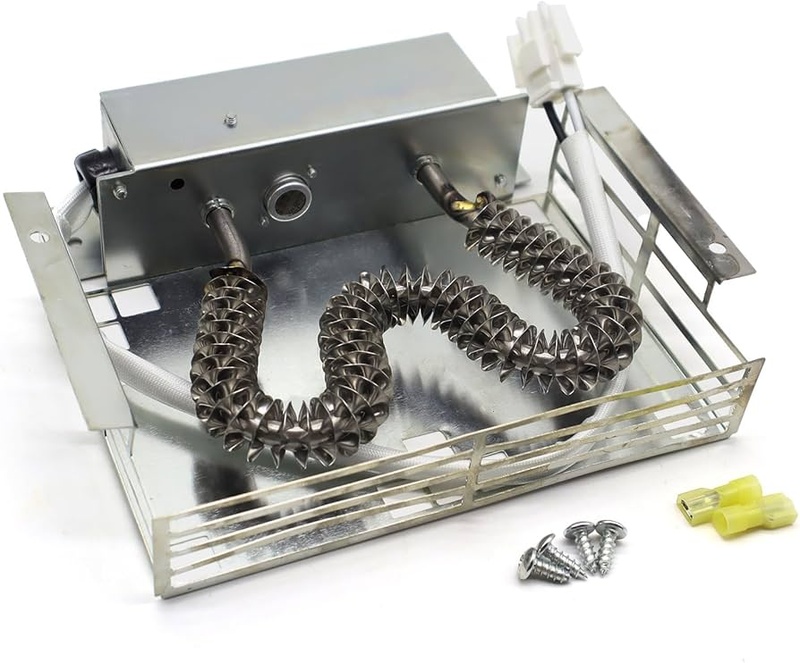
Understanding the components that may need replacement can help homeowners anticipate costs. Identifying the correct part for a specific model ensures compatibility and proper operation.
| Component | Function | Typical Lifespan |
|---|---|---|
| Run Capacitor | Stores and releases electric charge to start the motor | 5-10 years |
| Fan Motor | Rotates the fan blades for efficient heat exchange | 10-15 years |
| Contactor | Switches power to the system’s components | 5-10 years |
| Fan Blade | Pushes air across the condenser coil | Varies, subject to mechanical damage |
Why The AC Hums Instead Of Spins
A humming noise often indicates the fan motor is receiving voltage but cannot rotate. This occurs because internal resistance or insufficient torque prevents the blades from turning. A faulty or weak capacitor is a prime suspect.
In certain cases, an underpowered motor draws current without starting. The hum is the result of the energized coils vibrating. If left unresolved, the increased current draw can shorten the lifespan of other electrical components.
Preventing Further Damage
Maintaining the AC unit after identifying the cause saves money and guarantees a consistent cooling performance. Preventive steps reduce the likelihood of recurring problems.
- Replace the air filter regularly to maintain good airflow
- Schedule annual professional inspections to detect early issues
- Keep the outdoor unit clear of debris, vegetation, and dirt
- Verify that all electrical components are in proper working order
Maintenance Tips For A Healthy AC System
Routine maintenance not only addresses the fan’s health but also ensures the entire system operates at peak efficiency. Proactive care cuts down repair costs and minimizes downtime during peak cooling seasons.
Don’t Overpay for HVAC Services – Call 888-894-0154 Now to Compare Local Quotes!
Regular coil cleaning helps prevent overheating. Dust accumulation on the evaporator or condenser coils blocks heat exchange, leading to stress on the fan. Lubricating the fan motor (if applicable) and verifying the belt tension (for belt-driven models) further ensure a smooth run cycle.
When To Seek Professional Assistance
Even straightforward fixes can become complicated if the issue originates from deeper electrical or mechanical faults. Timely professional intervention is recommended when simple attempts fail.
If a homeowner notices signs like repeated capacitor blowouts, persistent circuit breaker trips, or unusual motor noises, a professional diagnosis is prudent. Quick action prevents further wear and tear, helping preserve the unit’s overall performance.
Cost Considerations
Expenses vary depending on the severity of the problem and the parts needed. Budgeting for major components can make financial planning easier. Simple capacitor replacements are relatively inexpensive, while a new fan motor or condenser coil can be more costly.
In some instances, an older air conditioner may be near the end of its lifespan. Upgrading to a more efficient model reduces long-term energy expenses and maintenance costs, although the upfront investment may be higher.
Optimizing Air Conditioner Performance
For better airflow and improved cooling, homeowners can supplement fixes with additional enhancements. Sealing duct leaks or upgrading insulation can prevent conditioned air from escaping. This allows the AC fan to work less, extending its lifespan.
Installing a programmable thermostat helps align cooling with household routines. As a result, the air conditioner cycles more efficiently, reducing strain on the fan and other components in the process.
How to Avoid Being Ripped Off and Get a Fair Repair Price
Finding the right AC repair expert can be tricky—some companies offer rock-bottom prices because they’re inexperienced or have poor reputations, while others charge far too much for the same work. That’s why the smartest way to get quality repairs at a fair price is to compare estimates from top-rated local pros. Meet with each, learn about their history and the experience of the technicians that will do the work. Choose an experienced AC repair contractor with reasonable rates. You can expedite this process by using our Free Local Estimates service.
When you fill out a quick form and submit it, you’ll soon be contacted by three of the top AC repair and installation companies near you. They are prescreened for experience, and all are licensed and insured for your protection. Click below to get started and protect your home and wallet today.
Safety Measures And Best Practices
Working around electrical systems always carries risk. Wearing proper protective gear and following manufacturer guidelines mitigates hazards. Ensuring the breaker is turned off before accessing any components is vital.
It is also good practice to use the recommended replacements that match original equipment specifications. Installing incorrect parts can lead to recurring failures, voided warranties, and potential fire risks.
Summary Of Key Takeaways
When an air conditioner fan hums but does not spin, the most common causes include a failing run capacitor, damaged motor, electrical connection issues, or physical obstructions. Addressing these promptly can restore the system’s functionality and prevent larger repair bills.
Simple fixes, like clearing debris or tightening connections, may suffice for minor issues. More severe cases, such as a bad motor or burned contactor, demand professional intervention. Regular maintenance and timely part replacements keep the AC unit running efficiently and safely for years to come.

How to Get the Best HVAC Prices
- Firstly, keep in mind that installation quality is always the most important thing for residential HVAC project. So never sacrifice contractor quality for a lower price.
- Secondly, remember to look up the latest rebates as we talked above.
- Thirdly, ask for at least 3 bids before you make the decision. You can click here to get 3 free estimates from your local contractors, and this estimate already takes rebates and tax credit into consideration and filter unqualified contractors automatically.
Lastly, once you chose the right contractor, remember to use the tactics from this guide: Homeowners Tactics When Negotiating with HVAC Dealer to get the final best price.