The constant running of an air conditioner fan even after it has been switched off may be puzzling to most homeowners. This paper examines some of the major causes including defective thermostats and short-circuits and gives a clear way of dealing with the issues.
Identifying the causes of this problem, the readers will be able to implement effective solutions and maintain their cooling systems effective. Be it a minor adjustment or a professional assistance, finding the right cause and solution will guarantee comfort and safety in any house or office.
What are Common Reasons Why The Air Conditioner Fan Keeps Running
When the fan of an air conditioner keeps running even when the unit is turned off, then it is an indication of either internal or external problem. The fan motor is in most cases not given the right commands to shut down. It is important to determine the main cause in order to have a solution. The most common problems are listed below.
Thermostat Malfunction
A faulty thermostat may not transmit the correct signal and this may keep the fan running permanently. The fan can never stop working in case the sensor of the device fails to read the right temperature or in case the internal mechanism is broken. This can be solved by checking the thermostat to see whether there is a wiring fault or calibration fault. In other cases, the problem can be solved by replacing the battery or resetting the system.
Incorrect Fan Settings
The new thermostats usually contain various fan settings such as Auto, On, and Circulate. When the switch is left in the position of On, the fan will be told to operate continuously. Switching to the setting of Auto usually switches off the fan at the end of the cooling cycle. Check the thermostat user manual at all times to make sure that it is properly set.
Dirty Air Filters
Air filters that are clogged hinder the flow of air and may make the system to strain. This stress may fool the system into making the fan run longer. Changing or cleaning the filters regularly can enhance the airflow and assist the fan to turn off correctly.
The U.S. Department of Energy states that you can save up to 15 percent of the energy your air conditioner uses by replacing the dirty filters.
Possible Electrical Problems
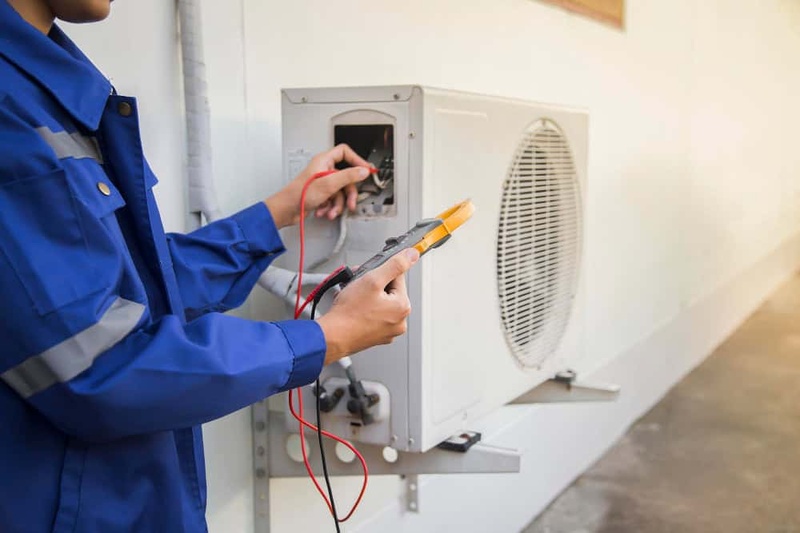
An air conditioner is dependent on a number of electrical connections. A small short-circuit may also prevent the fan to shut down. Damaged circuits or loose wiring may result in constant current flow and the fan may keep spinning without stopping. The following are some of the electrical problems to consider.
Faulty Relay Switch
The relay switch is a gateway of electrical signals. Once it gets stuck or damaged, it might not close the circuit and maintain the fan on. The most appropriate thing to do when diagnosing such problems is to replace the relay. An experienced HVAC technician will be able to diagnose a bad relay switch in a short period.
Capacitor Issues
The capacitor gives the initial surge to initiate and sustain the working of the fan. A bad capacitor might transmit irregular electrical signals and the fan might continue to run when it is supposed to stop. The capacitor should be tested professionally to make sure that the diagnosis is correct because improper handling may be hazardous.
Don’t Overpay for HVAC Services – Call 888-894-0154 Now to Compare Local Quotes!
How To Diagnose The Issue
It is important to diagnose the reason as to why the fan keeps on running. A logical process may save time and avoid unnecessary repairs. The following are some of the recommended steps that most homeowners can safely carry out.
- Inspect Thermostat Settings — Make sure that the thermostat is not on but rather on auto. One of the easiest villains is a wrongly selected setting.
- Check Air Filter — A brief examination of the filter will verify whether or not the accumulation of dirt is making the system to run the fan longer.
- Check for Obvious Damage — Inspect the outdoor unit and the indoor parts to see whether there is any burned wire or loose connections.
- Test The Thermostat — If you can, use a different thermostat or take the one you have out and put it back in and see whether the fan behavior changes.
In case these measures fail to provide a definite solution, then it is possible to call a professional HVAC technician.
DIY Fixes For A Continuously Running Fan

There are fixes that do not require special tools. Nevertheless, never work on any of the electrical parts without turning off the power at the circuit breaker. Safety must be one of the priorities when doing DIY. Some of the approaches are given below.
Reset The System
Minor software or electrical hiccups can be solved by a regular reset. Switch off the air conditioner at the thermostat, and turn off the main circuit breaker. Wait some minutes and turn them both on. This reset usually fixes the problems associated with buggy controls.
Thermostat Battery Replacement
Certain thermostats are battery operated and a battery that is about to die may transmit wrong signals. Change the batteries once every year, or when malfunctions are noticed. This is a fast measure that can do away with fan control problems.
Cleaning Or Replacing Filters
Take out the old filter and clean it or change it. Proper airflow lowers the chances of overheating or prolonged use of the fan. See the manual of your unit to find out the specific filter recommendations and replacement frequencies.
Common Causes And Simple Fixes
| Cause | Possible Fix |
|---|---|
| Thermostat Wiring Issue | Check or replace thermostat; ensure proper connections |
| Relay Switch Malfunction | Replace the relay if stuck or burned out |
| Dirty Air Filter | Clean or install a new filter regularly |
| Capacitor Failure | Test the capacitor and replace if necessary |
| Fan Setting On “On” | Switch to “Auto” to allow proper cycling |
Being aware of these common causes and solutions will enable the homeowner to solve the problem in the shortest time possible.
When To Call A Professional
There are some situations that need professional help. Managing complicated parts without training may cause further damage or even injury to a person. It is recommended to contact an HVAC specialist in case one of the following is true:
- Weird sounds or burning odors — May be a sign of major electrical issues or motor failure.
- Recurring component failure — Recurring component failures are usually an indication of more serious problems in the cooling system.
- Repair uncertainty — In case the homeowner is not sure of diagnosing or repairing the issue, it is safer to seek professional assistance.
A qualified technician possesses the equipment and expertise to identify problems fast. They also make sure that all the parts are installed or replaced in the industry standards and local building codes.
How to Avoid Being Ripped Off and Get a Fair Repair Price
It is not easy to locate the right AC repair expert, some of them will give you very low prices due to the inexperience or bad reputation, and some will charge you too much money to do the same job. That is why the best option to receive good repair at a reasonable price is to compare the estimates of the best-rated local professionals. Visit each of them, get to know their background and experience of the technicians who will perform the repair. Select a competent AC repair contractor who has fair prices. Our Free Local Estimates service can help you to speed this process up.
Once you complete a simple form and send it in, you will shortly receive a call back by three of the best AC repair and installation companies in your area. They are pre-qualified in terms of experience and they are all licensed and insured to protect you. Click below to start and secure your home and wallet today.
Routine Maintenance Tips
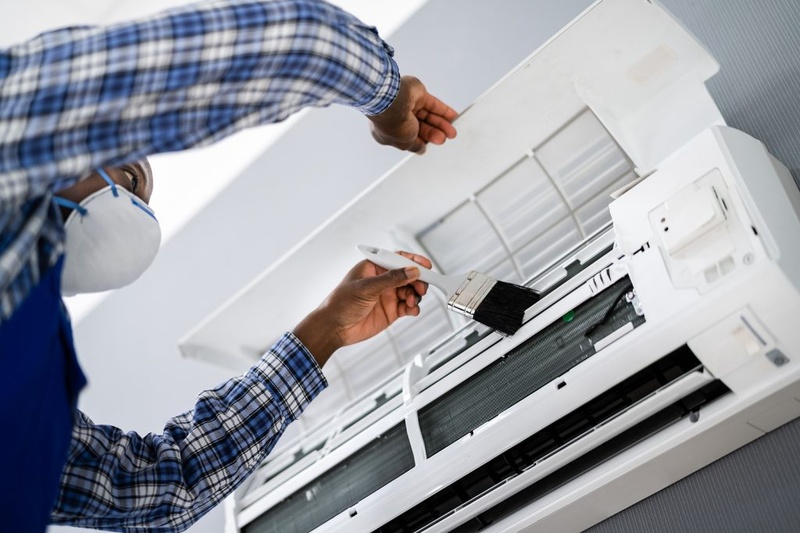
Routine check up is the spine of an effective air conditioning system. Regular checkups and cleaning minimize the chances of fan related issues. A regular schedule will also allow identifying small problems before they become big.
These are some of the best practices:
- Seasonal Inspections — Get a professional to check the system at least once per year. This usually involves verifying the levels of refrigerant, cleaning coils and ensuring that there are proper electrical connections.
- Filter Replacements – Replace or clean filters once a month when in high use. Clean filters do not only avoid fan overrun but also improve the quality of indoor air.
- Outdoor Unit Care – Make sure the outdoor condenser is clear of debris, leaves and obstructions. The fan and the rest of the system can be strained to the minimum by proper airflow around the condenser.
- Check Thermostat Accuracy — Thermostat accuracy should be checked by calibration as suggested by the manufacturer. A correct thermostat means a more precise temperature control and less fan running without a reason.
By doing these steps, it is possible to make sure that the fan switches off when necessary. Small issues can be solved quickly and this will prolong the overall service life of the unit and make it more energy efficient.
Homeowners and facility managers can be proactive by knowing the reason why an air conditioner fan continues to run even when it is switched off. This information does not only avoid discomfort but also reduces wastage of energy. An air conditioning system is a reliable and cost-effective system through systematic checks and careful maintenance.

How to Get the Best HVAC Prices
- Firstly, keep in mind that installation quality is always the most important thing for residential HVAC project. So never sacrifice contractor quality for a lower price.
- Secondly, remember to look up the latest rebates as we talked above.
- Thirdly, ask for at least 3 bids before you make the decision. You can click here to get 3 free estimates from your local contractors, and this estimate already takes rebates and tax credit into consideration and filter unqualified contractors automatically.
Lastly, once you chose the right contractor, remember to use the tactics from this guide: Homeowners Tactics When Negotiating with HVAC Dealer to get the final best price.