Carrier is a major brand in air conditioning and has a large product line that is reliable, efficient and technologically advanced. This article discusses the prices of Carrier AC and installation cost of 2-ton, 3-ton, 4-ton and 5-ton.
The following is a general pricing table of the central air conditioner units of the Carrier company depending on their tonnage.
The numbers include the average equipment prices and the rough installation prices in the United States. The real figures can be different according to the efficiency ratings, labor rates in your area, and the needs of a particular project:
| AC Size | Approx. Unit Cost (USD) | Approx. Installed Cost (USD) |
|---|---|---|
| 2 Ton | $2,800 – $4,400 | $3,900 – $5,900 |
| 3 Ton | $3,300 – $5,200 | $4,500 – $7,300 |
| 4 Ton | $4,000 – $6,600 | $5,400 – $8,400 |
| 5 Ton | $4,700 – $7,700 | $5,900 – $9,600 |
What Factors Influence Carrier AC Prices?
Carrier air conditioner prices are based on a number of factors. Although Carrier systems are usually placed in the middle-to-high price range, the ultimate price will be determined by:
Unit Capacity (Tonnage)
The bigger houses require bigger tonnage AC units. A 5-ton system is usually more expensive than a 2-ton system both in the equipment and the complexity of installation. It is also important to size the system correctly, an oversized model may consume excessive energy and experience a lot of on-off cycling, an undersized unit will not be able to cool properly.
Energy Efficiency (SEER Rating)
Seasonal Energy Efficiency Ratio (SEER) is used to determine the amount of cooling an AC gives in relation to the amount of electricity consumed. Carrier has models that range between 14 SEER (standard efficiency) and 20+ SEER (premium, high-efficiency). Increasing the SEER rating may increase the initial cost, but it may reduce monthly utility expenses.
Technology and Features
Carrier manufactures simple single-stage ACs all the way up to variable-speed. Two-stage or variable-speed compressor systems, better humidity controls, and communicating thermostats have better performance and comfort levels and thus have a higher price.
Don’t Overpay for HVAC Services – Call 888-894-0154 Now to Compare Local Quotes!
Installation Complexity
When the installation location requires extra effort, e.g. duct repairs, electrical upgrades, refrigerant line changes, or structural changes, the total costs rise. A simple replacement with available ductwork that is in good condition is usually cheaper.
Competition and Local Labor Rates
The cost of labor varies according to the region. Labor fees could be higher in regions with a higher cost of living or where the competition of HVAC contractors is low. On the other hand, local advertising, seasonal offers, and the presence of several contractors willing to take up the job can lower the price of installation to some degree.
Rebates, Incentives & Seasonal Promotions
Carrier can do promotions or collaborate with utilities to provide rebates on high efficiency equipment. Federal or state tax credits are also available to homeowners, and these allow them to offset a portion of the cost of purchase of energy-efficient systems.
The knowledge of these factors will enable homeowners to make realistic budgets and choose the most appropriate Carrier AC model that suits their own needs
How Much Does a 2-Ton Carrier AC Cost?
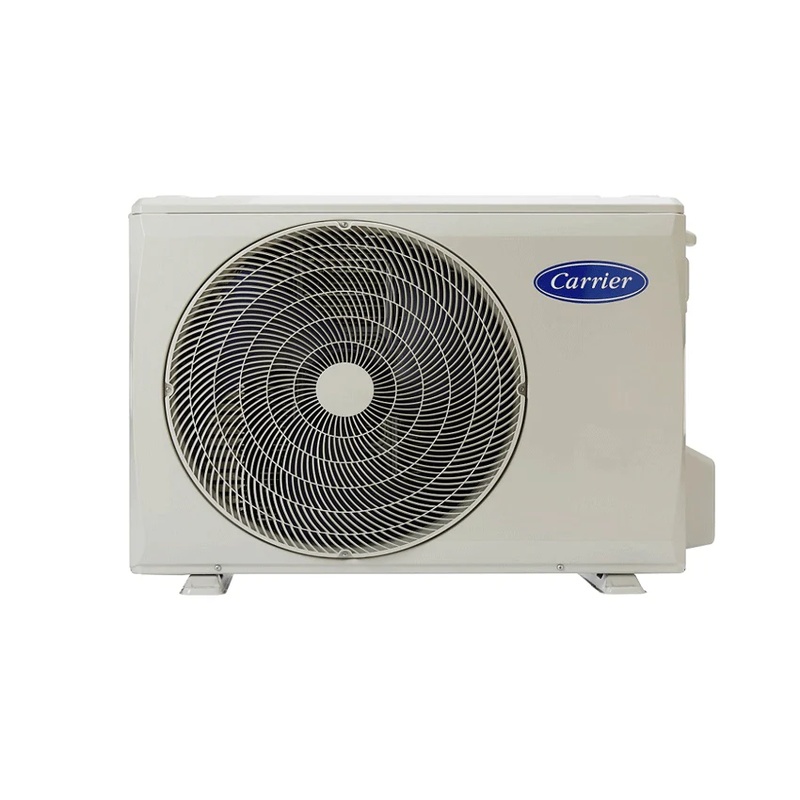
A 2-ton Carrier AC is usually appropriate in smaller houses, apartments, or condos of about 1,000 square feet, but the exact size will always vary depending on local climate, the number of people living in the house, insulation, etc.
A 2-ton Carrier unit typically begins at about 2,800 dollars on basic-efficiency models, and rises to 4,400 dollars and above on the upgraded models. Homeowners may pay up to 3,900 to 5,900 dollars when labor and materials are included. These numbers presuppose that the current HVAC system will be altered to the minimum.
Small Homes: Homes that are about 800-1,000 square feet may be cooled effectively with a 2-ton system, particularly when they are well insulated.
Mild Climates: Regions that have moderate temperatures all year round can probably get the best out of a smaller capacity, since the AC will not be required to perform at full capacity during the summer months.
Apartments and Condominiums: Multi-unit buildings that are normally insulated to standard levels often fit into the cooling capacity of a 2-ton system.
Choosing a more-SEER 2-ton Carrier system, like the Comfort or Performance series, may increase the cost a little bit. Nevertheless, it can frequently lead to real energy savings, particularly in areas that have long or severe cooling seasons. In the long run, the initial expenditure can be justified by the lower costs of electricity.
A 2-ton installation can be new refrigerant lines or a matching indoor air handler in case the existing equipment is old. Provided that the existing ductwork is of the right size and is properly sealed, and the electrical system is capable of supporting the requirements of the AC, the general installation process is not that complex.
How Much Does a 3-Ton Carrier AC Cost?
A 3 ton Carrier AC is a common one used in medium sized houses, say 1,100-1,500 square feet. The final selection of the tonnage is still affected by climate, sun exposure, and construction type.
A single Carrier unit with 3 tons can cost between 3,300 dollars and 5,200 dollars depending on the SEER rating of the system. The installed cost of between $4,500 and 7,300 is typical when labor, any adjustments, and additional materials are considered.
The product line of Carrier consists of the basic single-stage air conditioners and more sophisticated two-stage or variable-speed compressor-based ones. The latter increases the initial expenditure but homeowners tend to enjoy more stable indoor temperatures, less noise and reduced monthly payments. The main consideration is whether to go with comfort features or budget limitations.
It needs regular maintenance regardless of whether the system is standard- or high-efficiency. Regular filter change, evaporator coil cleaning, and annual inspection are not only efficiency-saving measures, but they also increase the life of the unit.
How Much Does a 4-Ton Carrier AC Cost?
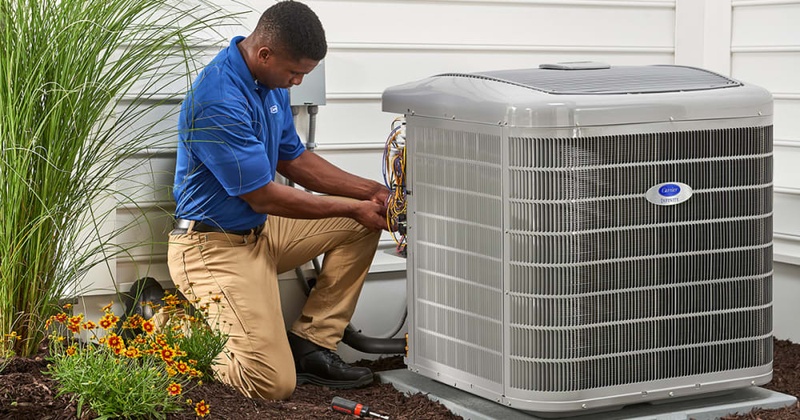
A 4-ton Carrier AC is suitable in homes of about 1,600-2,000 square feet but a larger system may be required depending on the vaulted ceilings or poorly insulated parts. The proper capacity is important to ensure that careful load calculations are done by a reputable HVAC technician.
The AC equipment will cost about 4,000 to 6,600 dollars. When you add installation, labor, and any other additional work, such as duct sealing, electrical work, or advanced thermostat installation, the final cost may be as high as 5,400 dollars to 8,400 dollars. The wide range indicates the disparity in efficiency ratings, local labor rates and complexity of the project.
Don’t Overpay for HVAC Services – Call 888-894-0154 Now to Compare Local Quotes!
A lot of homeowners spend on mid- and high-level efficiency of a 4-ton system. Carrier has Performance and Infinity lines that have high SEER ratings, two-stage or variable-speed compressors and noise-reducing technology. Although these models are more expensive initially, they can take a significant bite out of monthly power bills throughout the 15+ year life of the unit.
The 4-ton AC circulates a lot of air. In case the current duct system is insufficient or contains numerous leaks, the work of the air conditioner may be impaired. A detailed duct examination can expose some underlying problems that should be rectified, which can add up to the overall cost of the installation. Nevertheless, the result of these improvements is the enhancement of cooling, indoor air quality, and overall efficiency.
How Much Does a 5-Ton Carrier AC Cost?
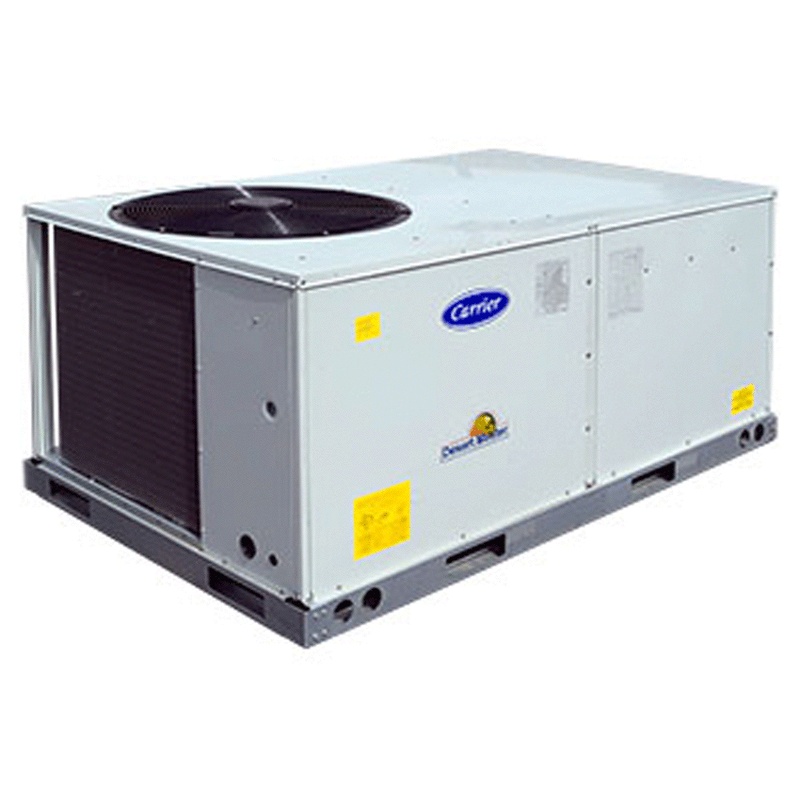
A 5-ton Carrier AC is suitable to fit homes that have a square footage of 2,000 and above or have special features such as big windows, high ceilings, or multi-stories. Correct sizing is the most important thing to prevent short-cycling or uneven cooling problems.
An individual 5-ton Carrier unit can range anywhere between 4,700 and 7,700 dollars. When the cost of labor, possible duct remodeling, replacement of refrigerant lines, or electrical improvements are added, the project can cost between 5,900 and 9,600 dollars. The upper limit can be exceeded by high-efficiency features or smart controls loaded into advanced models in the Infinity series.
Purchasing a 5-ton system is usually accompanied by the desire to obtain a high-tech comfort technology. The overall indoor environment can be enhanced greatly by using variable-speed compressors, humidity control, and communicating thermostats. Although these characteristics raise the cost of purchase, they can be worth it to the households in areas that experience long or severe summers.
Other homeowners make the mistake of thinking that the bigger the better and end up buying an oversized system. Nevertheless, an over-sized AC may cause increased energy costs, irregular temperature regulation, and poor dehumidification. Correct load calculations aid in aligning the cooling requirements of the home to the right size of the system.
A 5-ton system may be more complicated to install than a smaller one. The project may involve rearranging duct branches, increasing the amperage on the electrical panel, or structural changes to support the bigger equipment. These measures are costly but they make the AC work at the highest efficiency and reliability.
Which Installation Aspects Affect the Total Cost?
In addition to the AC unit itself, a number of installation factors may have a huge influence on the final costs:
Leak-free ducts of the right size are the key to efficient cooling. When holes, poor insulation, and undersized ducts are found during an HVAC inspection, it is usually required to do some remedial work to maximize performance- increasing the cost of installation.
Newer Carrier air conditioners have the ability to consume more power as compared to the older systems. In the case that the electrical panel in the home has no available capacity or does not comply with the current codes, it might be necessary to upgrade the panel or rewire the home.
Carrier ACs are usually filled with R-410A refrigerant, but newer lines are switching to lower-global-warming-potential blends. In case the current line sets are not compatible with the diameter or specification requirements of the new AC, they will have to be replaced incurring additional charges.
Removal of a used or non-functioning air conditioner entails recovery of refrigerant and disposal of the device as per the EPA regulations. These steps are usually added to the project by most contractors and they increase the time and labor involved.
Labor may be complicated by the installation or replacement of an AC in attics, tight crawl spaces or older houses with unconventional layouts. Additional costs can be caused by any structural modification or special equipment (e.g., lifts, scaffolding).
How Can Homeowners Save on Carrier AC Costs?
Even though Carrier units are often found in the middle- to high-end of HVAC prices, there are several ways in which homeowners can manage costs:
- Compare Multiple Estimates
Get quotes of a few local contractors or Carrier-authorized dealers. They can all have varying offers, labor rates, or installation methods. Comparing different offers will enable you to identify competitive prices. - Time the Purchase Strategically
There are usually less emergency installations during spring and autumn. During these off-peak seasons, the contractors may reduce their prices or offer promotions to get new business. Carrier also at times provides seasonal discounts. - Leverage Rebates and Incentives
Carrier occasionally has national promotions on certain models and utility companies or state programs may offer rebates on high-SEER installations. Investigation of the existing incentives can save a lot of net costs. - Ensure Proper Sizing
A proper load calculation commonly known as Manual J avoids oversizing and undersizing. Right-sized AC is more efficient, has fewer chances of breaking down, and does not waste money on overcapacity. - Invest in Routine Maintenance
Have AC tune-ups on a regular basis to extend the life of the system and keep it running at its best. Failure to perform regular maintenance, such as filter replacement or coil cleaning, may increase repair expenses and reduce the value of a quality Carrier system. - Explore Financing or Extended Warranties
Other contractors collaborate with financial institutions in order to provide payment plans so that homeowners can pay the cost of a new Carrier AC over time. Long term repair costs can also be reduced by extended warranties, but at the expense of the initial expenditure.
How to Get the Best Carrier AC Prices?
- Firstly, keep in mind that installation quality is always the most important thing for air conditioner project. So never sacrifice contractor quality for lower price.
- Secondly, remember to look up the latest tax credit and rebates.
- Thirdly, ask for at least 3 bids before you make the decision. You can click here to get 3 free estimates from your local contractors, and this estimate already takes rebates and tax credit into consideration and filter unqualified contractors automatically.
At last, once you chose the right contractor, remember to use the tactics from this guide: homeowners tactics when negotiating with HVAC dealer to get the final best price.
Don’t Overpay for HVAC Services – Call 888-894-0154 Now to Compare Local Quotes!