For a 500 sq ft room, a 12,000 BTU ductless mini split is the most practical choice for year-round comfort. Choose a higher-SEER2 model if energy efficiency and lower operating cost matter, or a WiFi-enabled model if you want smart control. Below is a quick comparison of top mini splits suited for ~500 sq ft, with the buyer type each matches best.
| Product | Best For | Key Feature |
|---|---|---|
| Temprium 12000 BTU Mini Split | Energy-conscious buyers | 22 SEER2, library-quiet 23 dB |
| YITAHOME 12000 BTU Mini Split | Smart-home and certified reliability | WiFi/Alexa, ETL & AHRI certified |
| Nexaro 12000 BTU Mini Split | Buyers wanting flexible coverage claims | Inverter tech, R32 refrigerant |
| Kinetheme 12000 BTU Mini Split | Buyers prioritizing fast temperature response | Rapid cooling/heating, 17 SEER2 |
Temprium 12000 BTU Mini Split

Features listed: 22 SEER2 rating, DC inverter compressor, eco-friendly R32 refrigerant, 12,000 BTU cooling and 12,300 BTU heating, operation to 122°F cooling and down to 5°F heating, WiFi smart control, noise as low as 23 dB, installation kit included.
Best for: buyers who want maximum energy efficiency and very quiet operation. Choose this if minimizing monthly energy consumption is a priority and quiet bedrooms or offices are important.
Why selected: the high 22 SEER2 rating and inverter tech directly reduce energy use compared with lower-SEER2 models. The very low listed noise level suits sleeping areas and libraries.
Caution: the listing claims wide temperature ranges and low noise; confirm local installer requirements and electrical circuit compatibility before purchase.
YITAHOME 12000 BTU Mini Split
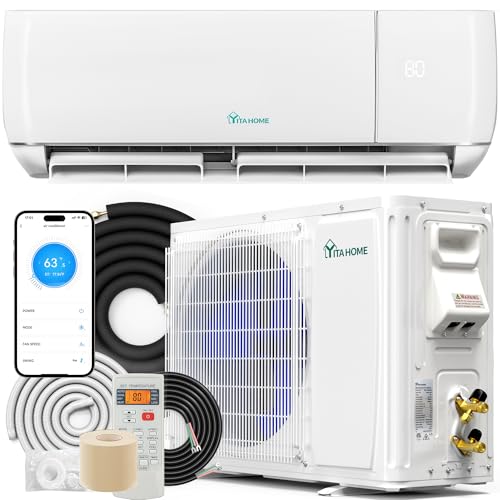
Features listed: 20 SEER2 inverter system, covers up to 750 sq.ft per listing, ETL and AHRI certified, five operating modes (auto/cool/dry/heat/fan), WiFi-enabled and Alexa compatible, automatic defrosting and self-diagnosis, “HEALTH” mode with negative ions and PM2.5 removal, quiet operation below 41 dB, complete installation kit.
Best for: smart-home owners and buyers who want certified efficiency. Choose this if Alexa or app control and built-in air-cleaning modes are useful to your household.
Why selected: the combination of ETL/AHRI certification and smart control features makes this a reliable pick for buyers who want documented performance and remote control convenience.
Don’t Overpay for HVAC Services – Call 888-894-0154 Now to Compare Local Quotes!
Caution: while the unit is WiFi-enabled and quiet, users who prioritize the absolute lowest noise levels should compare decibel claims against ultra-quiet models.
Nexaro 12000 BTU Mini Split
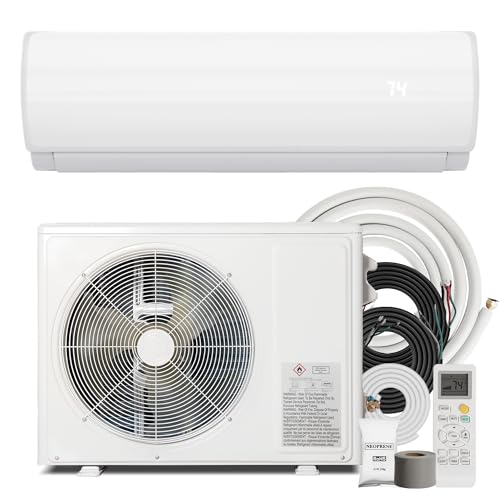
Features listed: inverter compressor for year-round cooling and heating, R32 refrigerant, multiple modes (cool/heat/auto/fan/dry), 4 fan speeds, eco mode, turbo boost, sleep mode and 24-hour timer. The feature text references wide-area coverage and lower environmental impact refrigerant.
Best for: buyers who value inverter performance and eco-friendlier refrigerant. Choose this if R32 refrigerant and flexible modes are priorities for your installation.
Why selected: the inverter-driven compressor and multiple operating modes provide adaptable performance for 500 sq ft rooms with varying loads (sunlight, occupancy). The listing highlights R32 refrigerant to limit global warming potential compared to older refrigerants.
Caution: the product text includes differing coverage claims in listing copy; verify the seller’s stated sizing guidance for your room before buying.
Kinetheme 12000 BTU Mini Split

Features listed: 12,000 BTU cooling and heating, 17 SEER2 rating, R32 refrigerant, rapid temperature adjustment (cooling in about 30 seconds, heating in 60 seconds per listing), five modes and four fan speeds, 24-hour timer, sleep and silent modes, complete installation kit.
Best for: buyers who want fast temperature response and stable comfort in medium-size rooms. Choose this if rapid cooling or quick heating is important for the space.
Why selected: the listing emphasizes quick temperature change and stable performance, which helps in spaces that need fast recovery from heat or cold when doors open or occupancy changes.
Caution: the rapid response claims are based on listed operating conditions; actual performance depends on room layout, insulation and outdoor temperature.
Buying Guide
How many BTUs do I need for 500 sq ft?
General guidance uses about 20–30 BTU per square foot depending on insulation, ceiling height and sun exposure. For a typical 500 sq ft room, that guideline points to 10,000–15,000 BTU. A 12,000 BTU mini split is commonly recommended because it balances capacity and cycling for most 500 sq ft scenarios.
How important is SEER2 rating?
SEER2 measures seasonal energy efficiency. Higher SEER2 numbers mean lower electricity usage for the same cooling output. If you plan to run the unit many hours or live in a hot climate, prioritize higher SEER2 (for example 17–22) to reduce long-term operating costs.
What does refrigerant type matter?
R32 refrigerant is commonly used in modern mini splits and has a lower global warming potential than older refrigerants. Choose systems that list R32 if minimizing environmental impact is a factor, but always confirm local service availability for refrigerant handling.
Do I need professional installation or can I DIY?
Some units include a basic installation kit for line sets and mounting, but refrigerant connections, vacuuming and electrical work often require specialized tools and local code compliance. Choose professional installation if you are not certified to handle refrigerant or to meet local electrical requirements.
What electrical considerations should I check?
Confirm the unit’s required voltage and circuit breaker size in the product specifications. Many mini splits operate on 115V or 220V and may require a dedicated circuit. Verify breaker size, wire gauge and disconnect requirements with an electrician before purchase.
How loud are mini splits?
Noise levels vary by model and operating mode. Some listings specify values as low as 23 dB for indoor units designed for bedrooms. If low noise is critical, compare listed decibel levels in sleep mode and check reviews or manufacturer noise charts when available.
Which smart features are useful?
WiFi control and voice assistant compatibility (Alexa, Google) are helpful for scheduling, remote adjustments and integration into smart-home routines. If you want app-based control, choose a WiFi-enabled unit and confirm platform compatibility before buying.
Maintenance and long-term care
Expect to clean or replace filters regularly, check outdoor condenser clearance, and schedule professional service for refrigerant-level checks and annual inspections. Systems using R32 or other refrigerants should have service options in your area.
FAQ
- Is a 12,000 BTU mini split the right size for 500 sq ft? A 12,000 BTU unit is typically suitable for a well-insulated 500 sq ft room. Use the 20–30 BTU per sq ft guideline and adjust for insulation, windows, ceiling height and sun exposure.
- Can I install a 115V mini split on existing home wiring? Verify the unit’s required circuit capacity and breaker size in the specifications. Many 115V mini splits still require a dedicated circuit; consult an electrician to confirm compatibility.
- How do SEER2 ratings affect my electric bill? Higher SEER2 values indicate greater efficiency. A higher-SEER2 mini split will typically use less electricity for the same cooling or heating output, reducing operating costs over time.
- Does R32 refrigerant make a big difference? R32 generally has lower global warming potential than older refrigerants and is common in modern mini splits. It reduces environmental impact, but service availability for R32 should be checked locally.
- Are WiFi and voice controls worth it? WiFi and voice controls add convenience for remote control, scheduling and integration with smart-home systems. They are worthwhile if you want remote access or automated temperature routines.
- How often should I service a mini split? Clean filters monthly or per manufacturer guidance and schedule a professional inspection annually for refrigerant checks, electrical safety and general performance assessment.

How to Get the Best HVAC Prices
- Firstly, keep in mind that installation quality is always the most important thing for residential HVAC project. So never sacrifice contractor quality for a lower price.
- Secondly, remember to look up the latest rebates as we talked above.
- Thirdly, ask for at least 3 bids before you make the decision. You can click here to get 3 free estimates from your local contractors, and this estimate already takes rebates and tax credit into consideration and filter unqualified contractors automatically.
Lastly, once you chose the right contractor, remember to use the tactics from this guide: Homeowners Tactics When Negotiating with HVAC Dealer to get the final best price.