Heat pumps are very common in the United States due to their efficiency in energy and the ability to heat and cool.
Nevertheless, even the most trustworthy systems may have problems, including failure to turn on or just stop.
The U.S. Department of Energy claims that a well-maintained heat pump can save up to 50 percent of the electricity consumed in heating as compared to conventional electric resistance heat.
Failure of a heat pump to start up may cause inconvenience and worry about the possible repair.
Knowing the most frequent causes of a heat pump failure to start, homeowners can avoid unnecessary calls to the service.
This article will set out to discuss some of the causes of this, which include power supply issues to mechanical failures, and provide advice on how to resolve them. The aim is to make sure that the system is back to normal operation without loss of efficiency. This detailed guide can assist new and old owners to troubleshoot more efficiently. Maintaining an orderly practice may be the ticket to fast fix and long-term dependability.
Understanding Heat Pump Basics
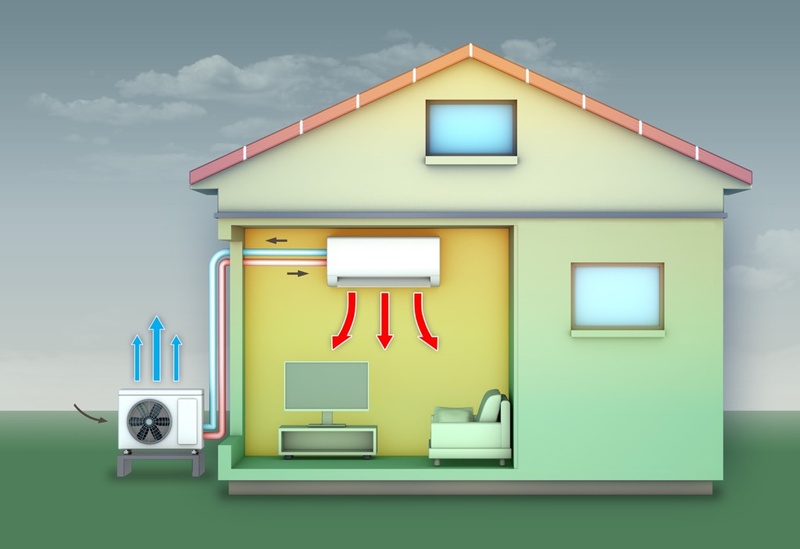
It is useful to know how a heat pump operates before going into details of the causes.
A heat pump differs with the traditional furnaces that burn fuel in that it absorbs and moves heat between the indoors and outdoors. In cold months, it absorbs heat in the outside air or the ground and releases it in the inside. During summer the process is reversed and the indoor space is cooled by transferring heat to the outside. Heat exchange is essential to good performance.
The current heat pump systems have become more advanced and they include such components as reversing valves, defrost controls and additional heating elements.
Such additional features may increase comfort and energy efficiency. They however add complexity and troubleshooting becomes difficult. Diagnosis of the cause of a no-start condition may require a sequential electrical and mechanical breakdown. Some of the repairs can be done by the do-it-yourselfer, whereas others require a licensed HVAC technician.
Don’t Overpay for HVAC Services – Call 888-894-0154 Now to Compare Local Quotes!
Common Causes of a Heat Pump Not Turning On
Thermostat Issues
One of the first things to look at when a heat pump does not start is a malfunctioning thermostat.
The powering on of the system may be blocked by a simple setting error like wrong mode or temperature setting. In other cases, the thermostat internal sensors could be defective and give inaccurate temperature readings. The first step is easy, which is to make sure that the thermostat is set to either heat or cool mode.
Also, the thermostat display may fade or fail to work due to low batteries.
When it lacks power, the signal to the heat pump is broken and the whole unit might be off. Battery replacement and checking of the thermostat should be included in routine maintenance. When a digital thermostat fails to respond even after replacement of the battery, then there might be a more serious problem in the wiring.
Power Supply or Circuit Breaker
Another common cause why a heat pump may fail to start is the lack of electrical power.
The system can be easily interrupted by power outage or a tripped circuit breaker. A heat pump unit that is installed outdoors usually has a dedicated circuit breaker and this circuit breaker may trip when the motor overloads. The breaker can be checked and reset, which can get the normal operation back in a short period of time, as long as there is no electrical problem.
The disconnect switch, which is typically found close to the outdoor unit, is also worth looking at.
A fuse that has blown or a loose connection on this switch may cause a total shutdown. In case the breaker or fuse continues to trip, then the problem can be with the compressor or fan motor. In these situations, it is recommended to address a professional technician to identify possible electrical or motor failures.
Clogged or Dirty Air Filters
One of the most common but least thought of reasons is a clogged or dirty air filter.
Heat pumps require sufficient air circulation to work effectively, and clogged filter may restrict air circulation. This reduced air flow may activate safety switches that are meant to prevent the system against overheating or freezing. Consistent replacement or cleaning of air filters can assist the unit to continue functioning in a regular manner and put less pressure on the blower motor.
The frequency of changing the air filters may be recommended to be different, yet most specialists recommend checking the filters once a month and changing them at least once in three months.
Houses that have pets or people who are allergic might have to be checked more often. Regular filter cleaning does not only increase efficiency but also extends the life of the whole system.
Outdoor Unit Obstructions
The heat pumps depend on the outdoor unit to absorb or release air to facilitate the exchange of heat.
When leaves, branches or other debris are allowed to build up around the unit, the airflow is inhibited. This may cause the unexpected shutdown or even failure to boot up, particularly when the system identifies unsafe operating conditions. Keeping a clear space of at least two feet around the outdoor cabinet will also provide sufficient space to the fan and coils to work effectively.
The unit may also stop running due to ice build up at times.
This could be associated with defective defrost controls or low refrigerant. Whatever the cause, it is important to ensure that the outdoor area is clear and unobstructed as a preventive measure against the no-start situation.
Faulty Reversing Valve
A reversing valve is a fundamental part that enables a heat pump to alternate between cooling and heating.
When this valve gets stuck or damaged, there is a possibility that the heat pump may not be able to work in one of its modes. The valve may sometimes get stuck in a neutral position and the unit will not turn on at all. The reversing valve usually needs professional diagnosis, because internal mechanical failures are difficult to detect without special tools.
The cost of replacing a reversing valve may be more costly and time consuming than most repairs.
The faulty valve can also be the symptom of some underlying electrical or refrigerant problems. Technicians normally check the proper functionality by using meters or special gauges, and only then they suggest a complete replacement.
Don’t Overpay for HVAC Services – Call 888-894-0154 Now to Compare Local Quotes!
Low Refrigerant or Refrigerant Leaks
Heat pumps transfer heat by means of a refrigerant.
In case the level of refrigerant is insufficient because of a leak or incorrect charge, the system might fail to start or might shut down soon after starting. Refrigerant shortage may cause reduced heating and cooling abilities, and in case the problem is not addressed, it may result in compressor damage. Early detection of refrigerant leaks eliminates the possibility of more serious issues and expensive repairs.
Low refrigerant symptoms are hissing around the refrigerant lines, ice on the coils and inability to regulate temperature.
Leak detection tools or ultraviolet dyes are normally used by technicians to detect leaks. After repairing the leak, the system can be recharged to the recommended specifications of the manufacturer and this will make it efficient.
Frozen Coils
The most common shutdown trigger is frozen coils on the indoor air handler or the outdoor unit.
Over-icing is usually as a result of poor air circulation or low refrigerant. In the case of freezing of the coils, sensors can indicate the system to stop working to ensure safety and avoid further damage. The defrost cycles are set to melt the ice that has accumulated but in extreme cases, they might not be enough.
The coils can be thawed by putting the system on fan-only mode, which will enable the air to naturally thaw the ice.
Nevertheless, it is advisable to have a professional inspection to determine the cause of the problem which may be as simple as changing a filter to a more complicated refrigerant problem. Ignoring this issue may result in recurrent freeze-ups.
Step-by-Step Troubleshooting
In the event that a heat pump does not turn on, a step-by-step method assists in identifying the problem.
Simple troubleshooting will help avoid early service calls and get the comfort back quicker. The following is a rough procedure that can be followed by homeowners:
- Check thermostat settings and batteries.
- Inspect circuit breakers and disconnect switches.
- Examine air filters for dirt or clogs.
- Clear debris around the outdoor unit.
- Listen for unusual sounds or rattles indicating loose components.
- Look for ice buildup on coils or refrigerant lines.
In case these measures fail to fix the problem, it is a good decision to call an HVAC specialist.
There may be specialized knowledge and tools required to check electrical connections, test refrigerant pressures or check reversing valves. Although homeowner troubleshooting is good, it is also important to know when to call in an expert in order to maintain system integrity and safety.
Professional Help and Costs
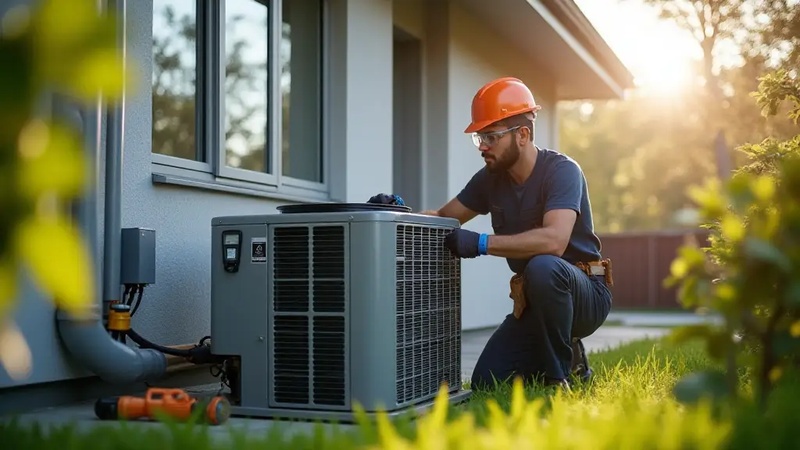
There are problems which can be solved by simple DIY.
Nevertheless, cases of low refrigerant, reversing valve issues or chronic electrical problems usually demand a qualified HVAC technician. According to the industry statistics, professional heat pump repairs in the U.S. cost on average between 150 and 600 dollars, depending on the complexity. The large parts such as compressors or reversing valves may cause bills of over 1,000 dollars.
It is important to select a technician who is experienced to make the right diagnosis and repair.
Don’t Overpay for HVAC Services – Call 888-894-0154 Now to Compare Local Quotes!
Most HVAC companies offer service contracts which entail seasonal check-ups, priority scheduling and reduced rates. This preventative measure usually averts unforeseen failures and may increase the life of the equipment. Exploring warranties or extended coverage could also save on out-of-pocket costs of qualifying repairs.
How to Avoid Being Ripped Off and Get a Fair Repair Price
It is not easy to find the right person to repair your heat pump, there are those companies that will offer you the lowest prices due to their inexperience or bad reputation and there are those companies that will charge you way too much money to do the same job.
That is why the best thing to do to get good repairs at a reasonable price is to compare the estimates of the highest rated local professionals. Sit with each of them, find out their history, the experience of the technicians who will work on your car. Select a professional heat pump repair contractor who has affordable charges. Our Free Local Estimates service will help you to speed up this process.
As soon as you complete a short form and send it, you will be contacted by three of the best heat pump repair and installation services in your area.
They are pre-screened in terms of experience and they are all licensed and insured to protect you. Get started and secure your home and wallet now by clicking below.
Preventive Maintenance
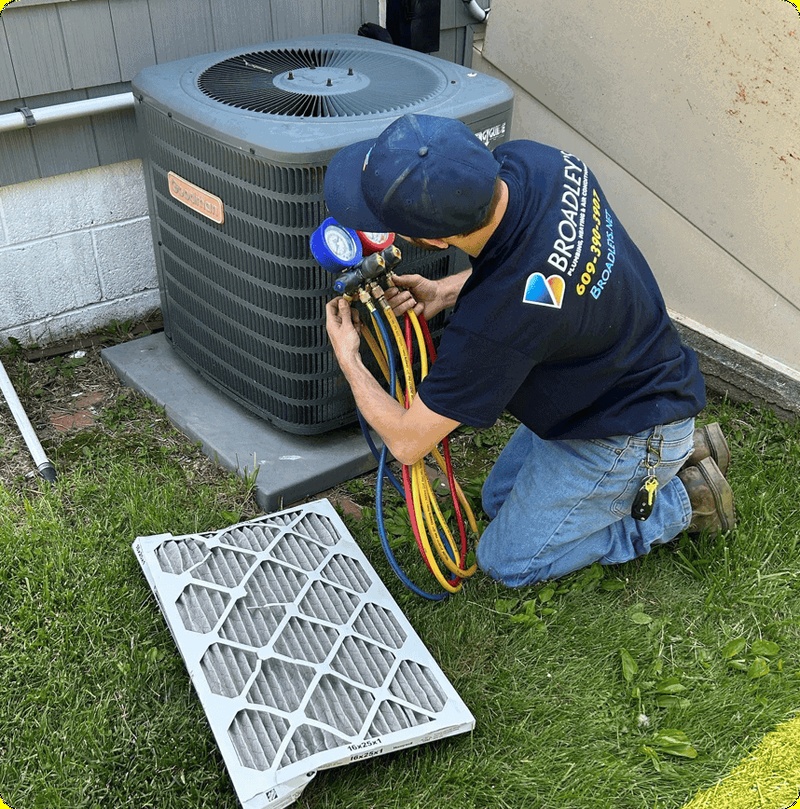
Most of the above problems can be prevented by regular maintenance.
This includes routine activities such as air filters replacement, outdoor unit cleaning, and thermostat accuracy checks. It is advisable to have a professional tune-up done at least once a year. In this service, the technicians normally inspect the level of refrigerants, coil integrity, lubricate moving parts and measure electrical connections to detect wear.
Energy consumption can also be minimized by preventive measures.
A properly maintained heat pump does not only operate more efficiently but also has a reduced number of mechanical failures. Keeping a record of all the inspections, repair and replacement of parts helps in tracking the system over time. This record may be particularly useful in case of warranty claims or in case the house is put up on sale.
Using a Quick-Reference Table
To make it easy, I have made a small table of the most common causes and solutions.
A brief guide can assist homeowners to troubleshoot more effectively.
| Problem | Possible Cause | Suggested Fix |
|---|---|---|
| No power | Tripped breaker or loose wiring | Reset breaker or secure connections |
| Thermostat unresponsive | Dead batteries or wiring issue | Replace batteries or check wiring |
| Unit short cycles | Clogged filter or refrigerant leak | Clean/replace filter, check refrigerant |
| Outdoor unit iced up | Defrost failure or low refrigerant | Use defrost setting, call technician |
| Strange noises | Loose parts or failing motor | Tighten screws, consult professional |
Other Directions for Improvement
In addition to repairing the current problems, homeowners can do something to enhance their general heating and cooling system.
One of such directions is the evaluation of home insulation. Insulation and air sealing decreases heat loss during winter and heat gain during summer, which decreases the burden on the heat pump. This method will help to save money on utility bills and the possibility of premature equipment failure.
The other good step is to replace with a smart or programmable thermostat.
They are more efficient because these devices automatically regulate temperatures according to schedules or adaptive learning. The comfort can also be maximized by zoning systems that only conditioned air is directed to occupied spaces. To the environmentally conscious, the solar panels or even the hybrid heating systems can be installed to provide more sustainability.
Conclusion
The heat pump is a central component of a properly functioning home, as it maintains equal temperatures throughout the year.
When it does not turn on, there are a number of problems that may be involved, including a tripped breaker and more complicated refrigerant leaks. Systematic troubleshooting can be faster and less disruptive, especially when one takes the time to do it. Be it a small DIY solution or a bigger technical issue, solving it in time will save comfort and efficiency.
Continuous maintenance is one of the most sure methods to prevent future disturbances.
Even such minor activities as filter replacement or outdoor debris removal can have a great effect. In more complicated issues, it is strongly advised to seek the services of a trained HVAC expert. With the best practices and proactive approach, homeowners will be able to have a reliable heat pump that will last as long as it is expected or even longer, which will help them have a more comfortable and energy-efficient living environment.

How to Get the Best HVAC Prices
- Firstly, keep in mind that installation quality is always the most important thing for residential HVAC project. So never sacrifice contractor quality for a lower price.
- Secondly, remember to look up the latest rebates as we talked above.
- Thirdly, ask for at least 3 bids before you make the decision. You can click here to get 3 free estimates from your local contractors, and this estimate already takes rebates and tax credit into consideration and filter unqualified contractors automatically.
Lastly, once you chose the right contractor, remember to use the tactics from this guide: Homeowners Tactics When Negotiating with HVAC Dealer to get the final best price.