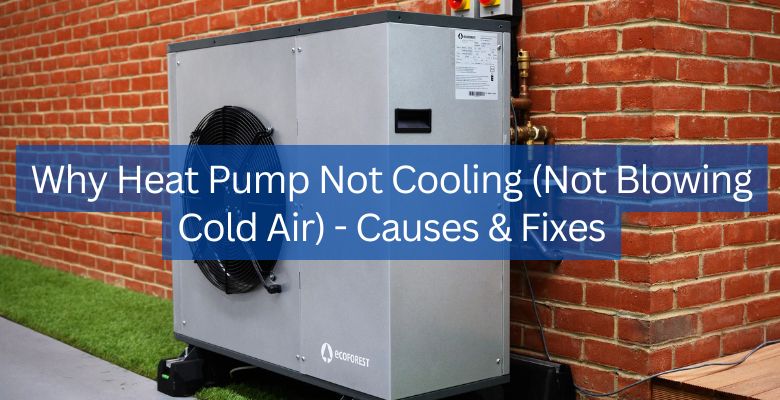
The popularity of heat pumps in most American households has been attributed to their energy efficiency and the fact that they can both cool and heat a living space. But it is not unusual that a heat pump may just quit blowing cold air and leave the homeowner scratching his head and wondering what to do. Heat pumps are very sensitive to the balance of components, amount of refrigerant and airflow to operate correctly.
When there is a disruption of this balance, then the system might not give the cool comfort that is expected. The U.S. Department of Energy estimates that heat pumps can save about 50 percent of the electricity used in heating as compared to conventional resistance-based heating. However, as any other major appliance, they may develop problems that make them perform poorly. This paper discusses the most prevalent reasons why a heat pump does not blow cold air and the possible solutions. It also gives other ideas on how to streamline and keep the system as efficient as possible.
Understanding the Basics of Heat Pumps
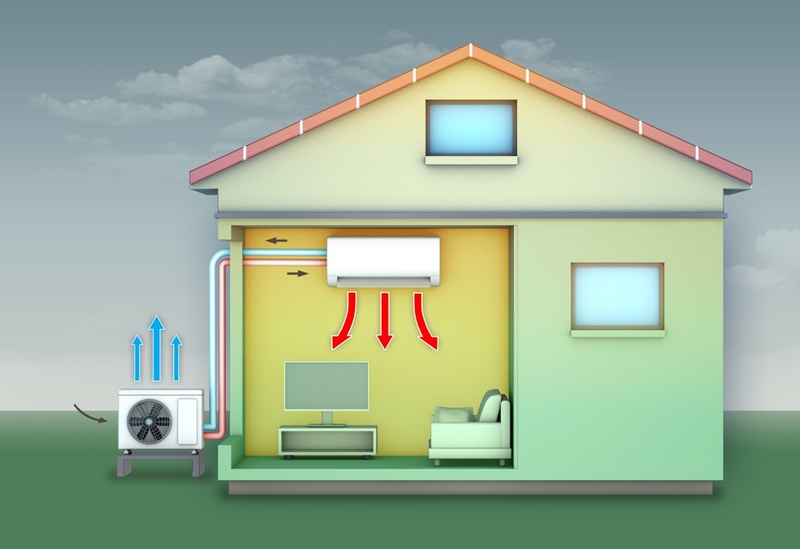
A heat pump operates by moving heat between two places, either between the outside air (air-source heat pump) or the ground (geothermal heat pump). In cooling mode, the system takes the heat inside and moves it outside thereby cooling the inside. When this process is interrupted, what comes out of the vents is either lukewarm or warm air as opposed to the expected cold air.
Prior to the possible causes, it is necessary to mention that the routine inspection and maintenance may assist in detecting the problems in time. Some of the problems are caused by a simple thing like a clogged air filter or a wrong thermostat setting and some of them are caused by complex mechanical failures. The root causes may be understood to determine whether to do troubleshooting or consult a professional.
Common Causes of a Heat Pump Not Blowing Cold Air
Thermostat Issues
Other times it is the thermostat itself that is the most obvious culprit. The heat pump may fail to change to cooling mode in case a thermostat is turned to the incorrect mode or the internal settings of the thermostat are not properly calibrated. This may occur following a power failure, a manual setting or even a battery problem in a non-wired thermostat. One of the fastest solutions is thermostat malfunctions, which however can be confusing at the beginning.
- Wrong Mode: The system may have been put in the wrong mode such as heat or auto.
- Dead Batteries: Older thermostats that are not wired use batteries to keep settings.
- Improper Connections: The thermostat and the heat pump may have loose wiring, which causes control failures.
In most cases, the initial procedure in diagnosing a heat pump that is not blowing cold air is to check proper functioning of the thermostat.
Low or Leaking Refrigerant
Heat pumps use a refrigerant to transfer heat between the interior and the exterior (during cooling) or exterior and interior (during heating). In case the level of the refrigerant is low, usually due to a leak, the pump will have difficulty in absorbing and transferring heat. This is normally in the form of tepid air and extended run times. In case of the further leak of the refrigerant, the system may freeze, which will cause additional difficulties.
- Symptoms: Longer running periods, decreased cooling ability, potential ice build up on coils.
- Causes: Broken lines, worn out connections, or faulty production of the refrigeration circuit.
- Fix: A competent HVAC technician should find the leak and fix it, and then fill the system with the right amount of refrigerant.
Since the EPA controls the handling of refrigerants in the United States, it is advisable to have a licensed technician assess and fix any possible leaks of the refrigerant.
Dirty or Clogged Air Filters
A dirty air filter is one of the most common causes of low cooling performance. An air filter cleans the air that circulates in the system and prevents the ductwork and the inner parts of the heat pump to become dirty. With time, the filter gets clogged and blocks airflow, which does not allow sufficient air to go through the system. This causes several problems:
- Poor Airflow: The heat pump can cool down the air but it cannot effectively circulate it in the house.
- Overworked Fan Motor: The fan motor must work harder, which can lead to system stress, with limited airflow.
- Potential Coil Freeze: When there is no warm air passing over the cold evaporator coil it can freeze, further restricting airflow.
This can be rectified by replacing or cleaning the air filter once a month or after three months or according to the manufacturer recommendations depending on whether the air filter is disposable or reusable. A simple and cheap way of maintaining optimum cooling is to maintain the filters regularly.
Don’t Overpay for HVAC Services – Call 888-894-0154 Now to Compare Local Quotes!
Frozen Evaporator Coil
The other usual suspect of a heat pump that does not blow cold air is the frozen evaporator coil. This usually happens when there is low refrigerant or when there is not enough airflow- this may be due to dirty filters or a blower motor problem. Airflow is blocked when ice forms on the coil leading to warm airflow or no airflow.
Frozen coil may be diagnosed by the presence of ice on the indoor unit. A fast fix to this (which is only temporary) is to change the thermostat to the fan only setting and leave it on a few hours to promote thawing. Nonetheless, the cause behind it should be looked into to avoid recurrent freeze-ups. In case a homeowner observes that the evaporator coil is often frozen, a professional should examine the system to ensure that the right amount of refrigerant is used, that there is no airflow problem, or mechanical failure.
Malfunctioning Reversing Valve
The reversing valve is important in a heat pump to change the heating and cooling modes. In case the reversing valve gets stuck or faulty, the unit can be in heating mode when the thermostat is calling to cool. This condition causes warm air to blow as opposed to the cold air.
Although homeowners are able to perform some simple troubleshooting, like making sure that the thermostat wiring is correct, a reversing valve problem would usually require an experienced HVAC technician. The solenoid and internal mechanism of the valve can be tested by a professional to know whether the valve should be repaired or replaced.
Blocked Outdoor Unit
A heat pump has an outdoor unit that needs free air flow to operate well, particularly in cooling season. When debris such as leaves, dirt, or snow accumulates around the unit or on top of it, it may obstruct the airflow and limit the heat pump in its capacity to remove heat. Any blockage in the outdoor coils may block efficiency and cause absence of cool air inside.
- Clear Debris: Leaves, shrubs, tall grass and other materials may collect around the outdoor unit.
- Keep Clear Space: U.S. department of energy suggests that there should be a minimum of two feet clear space around the outdoor heat pump unit.
- Seasonal Cleaning: Coils can be rinsed gently or the visible dirt and grime can be removed by using a low pressure water hose.
One of the simplest DIY steps to ensure the adequate heat pump cooling is to keep the outdoor area clean.
Electrical or Mechanical Failures
Heat pumps have a variety of electrical (contactors, capacitors, control boards) and mechanical (fans, compressors, motors) components. One failure such as a locked fan motor or a shorted contactor can cause the system to fail to blow cool air. These more complicated malfunctions are usually diagnosed with technical skills.
- Fan Motor Problems: A motor that hums but does not turn is probably locked up or has a bad capacitor.
- Problems with Compressors: The compressor does the hard work in the refrigerant cycle. Poor cooling may be caused by a faulty or worn out compressor.
- Loose Wiring: Connections can become loose with vibration, creating electrical shorts or failures.
In case of electrical or mechanical failure, it is often advisable to call a well-known HVAC technician, who will conduct detailed tests and identify what repairs or replacements are needed.
Effective Fixes and Maintenance Strategies
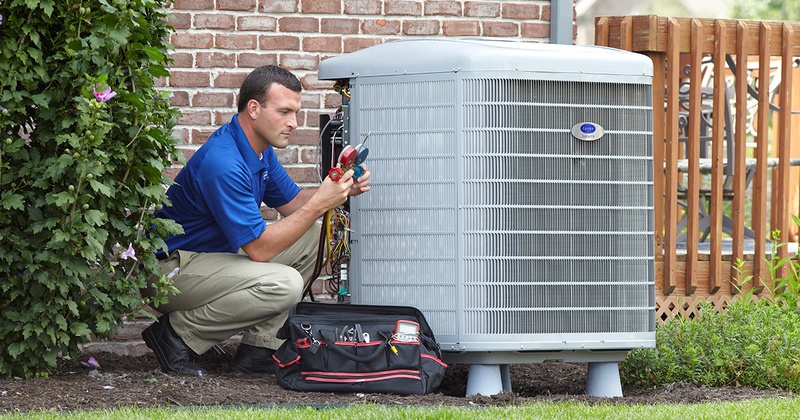
When the cause of the problem is identified, it becomes easier to repair a heat pump that is not blowing cold air. The next steps will allow to restore the cooling performance and avoid further problems.
Ensuring Proper Thermostat Settings
Check the thermostat is set to cool and the temperature set a few degrees below the room temperature before attempting any more complicated troubleshooting. Change thermostat batteries where applicable and make sure the thermostat is level on the wall (in older mercury based units). Make sure that the wiring connections are tight and not corroded.
Changing or Cleaning the Air Filter
One of the most basic but important parts of maintenance is the cleanliness of the air filter. This action will solve or avoid numerous issues associated with airflow that cause poor cooling. The filters must be inspected once a month, particularly in the high usage periods, and changed at least once every three months.
- Disposable Filters: Change them with the same size and type of filters.
- Reusable Filters: Wash them with some water, dry them thoroughly and reinsert.
- High-Efficiency Filters: It is possible to use filters with higher MERV ratings, but they should not reduce the airflow excessively.
Clearing the Outdoor Unit
The outdoor condenser unit can be checked visually in a few seconds to see any debris or blockage. Clearly, any leaves, branches or dirt around the unit should be removed. Prune foliage to keep the clearance space recommended. To clean more carefully, the power must be switched off at the breaker and then the coils should be sprayed with water gently to wash away the dirt and other residues.
Addressing Refrigerant Leaks
In case the low refrigerant has been identified as the problem, the leak should be fixed by a licensed technician who should also replenish the system to manufacturer specifications. When one tries to add refrigerant without finding the leak, chances are high that he or she will fail repeatedly and incur more expenses. Long-term performance is essential to proper repair.
Unfreezing the Evaporator Coil
The short term objective when confronted with a frozen coil is to defrost it safely. To melt the ice, it is possible to switch the system to the fan only mode or just turn it off. Once thawed, the cause of the freeze-up, e.g. limited airflow or low refrigerant, should be corrected to prevent future freeze-ups. It is possible to destroy the compressor or other parts by continuing to use a heat pump with a frozen coil.
Professional Inspection of Mechanical Parts
When it comes to reversing valve malfunctions, electrical failures, or compressor issues, the professional experience is usually needed. These problems can be detected early and in some cases avoided by routine professional inspection which is recommended once a year. A technician is also able to ensure that all the internal parts are working in unison and the chances of any sudden breakdown during the peak summer or winter seasons are minimized.
Table of Common Problems and Quick Fixes
| Problem | Symptoms | Possible Quick Fix |
|---|---|---|
| Thermostat Error | Incorrect mode, unresponsive display | Check mode/battery and reset |
| Low Refrigerant | Longer run times, coil icing | Contact technician for leak repair and recharge |
| Dirty Air Filter | Weak airflow, system overheating | Replace or clean filter |
| Frozen Evaporator Coil | No airflow, ice on coil | Thaw coil and address underlying cause |
| Blocked Outdoor Unit | Reduced cooling, visible debris | Clear away dirt, leaves, or obstructions |
| Reversing Valve Stuck | System remains in heating mode | Professional inspection and repair |
| Mechanical/Electrical Failure | System won’t cool, unusual sounds | HVAC technician diagnosis |
Additional Directions to Consider
Although the short-term objective is to get the cooling back, there are other things that homeowners can do to increase efficiency and minimize the risk of future heat pump problems.
Regular Maintenance Plan
Seasonal tune-ups may help to detect small issues before they develop into serious ones. Most of the HVAC contractors provide maintenance services which involve checking of the filters, diagnostics of the system, evaluation of the refrigerant, and cleaning of the coils. Servicing on a regular basis will keep the heat pump operating at optimum efficiency and will also increase the life of the heat pump.
Upgrading to a Newer System
The older heat pumps, particularly those that are approaching the end of their normal 10-15 years of service life, might not be able to cool as efficiently as they used to because of worn-out parts. Replacing with a new, high efficiency system can offer better comfort and energy savings. According to the U.S. Environmental Protection Agency (EPA), newer ENERGY STAR-certified heat pumps are up to 20 percent more efficient than older heat pumps.
Enhancing Home Insulation
A well functioning heat pump may not be able to cope even when the house is not well insulated. During summer months, heat gain can be minimized by enhancing insulation and air sealing of doors, windows and attics. This implies that the heat pump will not be required to work so hard and will find it easier to keep the indoor temperature comfortable.
Managing Airflow Within the Home
Make sure that vents and registers are not blocked by furniture, rugs or other household objects. In multi-story houses, the airflow can be balanced to enhance comfort within the house. Too much closing or restriction of vents in one area may create pressure imbalances, which may make the system work harder and may also decrease cooling performance in the entire house.
Don’t Overpay for HVAC Services – Call 888-894-0154 Now to Compare Local Quotes!
Energy Efficiency Considerations
A heat pump can be very economical to those people who reside in areas that experience moderate climates. The U.S. Energy Information Administration (EIA) reveals that the average residential electricity rate in the U.S. is gradually increasing, which supports the need to have efficient systems. Proper maintenance of a heat pump on a regular basis will guarantee that it is working at its optimum level and will be beneficial in terms of finances and the environment.
Conclusion

When a heat pump is not blowing cold air, it can be frustrating as well as uncomfortable, particularly in warm summer months. Nevertheless, the majority of problems can be related to such causes as thermostat problems, low refrigerant, clogged filters, frozen coils, or mechanical breakdowns. These issues can be solved by easy DIY work, such as changing filters or cleaning the outdoor unit area, or by professional services in case of more complicated issues, such as refrigerant leaks and valve problems.
Proper maintenance and repairing on a regular basis will keep the heat pump in good condition and comfortable and efficient throughout the year.
Other than short term solutions, homeowners can think of long-term solutions like replacing old equipment, increasing insulation and following a regular maintenance schedule. A holistic approach to the care of heat pumps does not only address the immediate issue of cooling but also contributes to the best efficiency and long-term reliability. When properly maintained, a well-operating heat pump can serve many years more to bring the convenience of combined heating and cooling.
How to Avoid Being Ripped Off and Get a Fair Repair Price
It is not easy to find a good heat pump repair expert, some of them are very cheap because they are inexperienced or have bad reputation and some are very expensive to do the same job. That is why the best and the most intelligent thing to do to get quality repair at a reasonable cost is to compare estimates of the highest-rated local professionals. Meet with them, get to know their history and experience of technicians who will perform the job. Select a professional heat pump repair contractor who has affordable prices. Our Free Local Estimates service will help you to speed up this process.
As soon as you complete a short form and send it, you will be contacted by three of the best heat pump repair and installation companies in your area. They are pre-screened in terms of experience and they are all licensed and insured to protect you. Click below to start and safeguard your home and wallet today.

How to Get the Best HVAC Prices
- Firstly, keep in mind that installation quality is always the most important thing for residential HVAC project. So never sacrifice contractor quality for a lower price.
- Secondly, remember to look up the latest rebates as we talked above.
- Thirdly, ask for at least 3 bids before you make the decision. You can click here to get 3 free estimates from your local contractors, and this estimate already takes rebates and tax credit into consideration and filter unqualified contractors automatically.
Lastly, once you chose the right contractor, remember to use the tactics from this guide: Homeowners Tactics When Negotiating with HVAC Dealer to get the final best price.