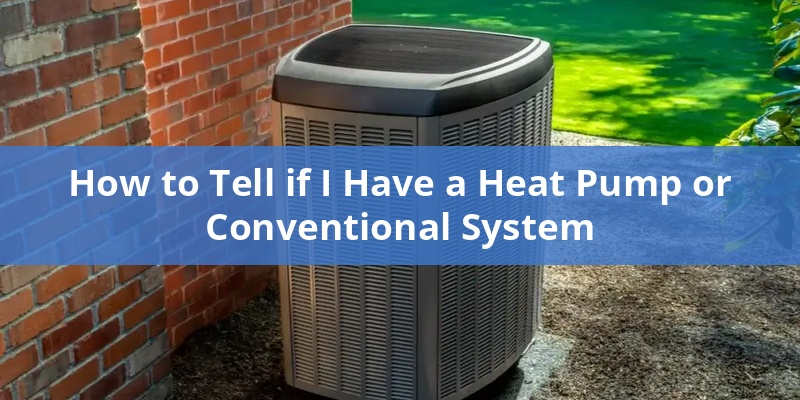
It is confusing to tell whether a home heating and cooling system has a heat pump or a conventional system. The two technologies have temperature control, although they work differently.
This paper describes some of the main indicators to recognize each of them. It includes thermostat labels, exterior parts, and special functions. Homeowners can be sure of determining the system they have by going through these signs.
| Feature | Heat Pump | Conventional System |
|---|---|---|
| Operation | Transfers heat from outside to inside | Uses furnace for heat, AC for cooling |
| Thermostat Label | Often has AUX/EM heat | Typically does not include EM heat |
| Winter Defrost | Performs regular defrost cycles | No defrost function needed in winter |
| Backup Heat | Electric or gas strips for sub-freezing temps | Furnace handles all heating needs |
Understanding Heat Pumps

Heat pumps transfer heat and not generate it. In winter they absorb heat in the outside world and bring it inside. During summer, they do the opposite to get rid of heat indoors.
Such an arrangement renders heat pumps highly efficient in moderate climates.
They are usually similar to ordinary air conditioners, yet they have a reversing valve. A heat pump can use electric heat strips or gas as a backup to heating when temperatures are low.
These characteristics make them different to other systems.
Important lesson: Heat pumps are both cooling and heating systems that move heat rather than produce it.
Understanding Conventional Systems
Traditional heating systems are usually a mixture of a furnace and an air conditioner. A furnace can be natural gas, propane, or electric element. The air conditioner is only useful in one thing; to eliminate the heat inside the house when it is hot.
A traditional system does not reverse its process of heating like a heat pump. Rather, the furnace warms up air through burning fuel or electric resistance.
This is the basic difference in the functioning which enables the homeowners to differentiate between a conventional system and a heat pump.
Don’t Overpay for HVAC Services – Call 888-894-0154 Now to Compare Local Quotes!
Main lesson: In traditional systems, heating and cooling are performed using different devices, so each of them is specialized in a specific task.
Key Differences Between Heat Pumps And Conventional Systems
In making a decision on whether the installed equipment is a heat pump or a conventional system, note the basic differences. Such differences can be in some of the components, their functions or even energy usage.
Visible differences include:
- Reversing valve: Present in a heat pump’s outdoor unit
- Dual usage: One outdoor unit for both heating and cooling
- Auxiliary heat source: Heat pump systems have electric heating elements or a backup furnace
- Separate furnace: Conventional systems have distinct heating and cooling units
Important lesson: When it comes to unique equipment features, it is usually easy to tell what system is installed.
Checking Thermostat Settings
The thermostat may give some useful hints concerning the system type. The majority of thermostats include such mode choices as Heat, Cool and Off. In the event that the system is a heat pump, then there may be an Emergency Heat or Auxiliary Heat option.
Also known as EM Heat or AUX Heat, this option can assist the unit to give additional heat during extremely cold temperatures. The traditional system does not normally have such an option since the furnace is already able to produce high-temperature heat.
Important note: Thermostat that has Emergency or Auxiliary heat mode typically represents a heat pump.
Examining The Thermostat Model
Some smart thermostats, such as Wi-Fi-enabled ones, show more information about the system. A heat pump system is confirmed by the thermostat referring to a heat pump, or by installation instructions referring to a reversing valve wire (usually marked O/B).
Main point: Check the thermostat or wiring information to see whether there is an explicit labeling of the heat pump.
Inspecting The Outdoor Unit

The label and the parts of the outdoor unit tell a lot. Traditional air conditioners usually have the nameplate containing the term AC or Air Conditioner. Heat pumps may have either HP or Heat Pump in the model number or product description.
In addition to labeling, heat pumps possess a four-way reversing valve, which may be seen sometimes. It is a copper valve that diverts the flow of refrigerants.
Conversely, a regular AC does not have this important component.
Important clue: Labels on the outdoor units and valves are good indicators of a heat pump or a regular AC.
Location Of Key Components
In case there is a single outdoor unit and no furnace in the house (only an air handler), that system is usually a heat pump system. There are however some hybrid systems that use a heat pump and a gas furnace and this needs a better examination of labeling to ascertain.
Important note: Lack of a dedicated furnace and use of an air handler implies a heat pump system, but make sure to check the details to be sure.
Observing Defrost Mode
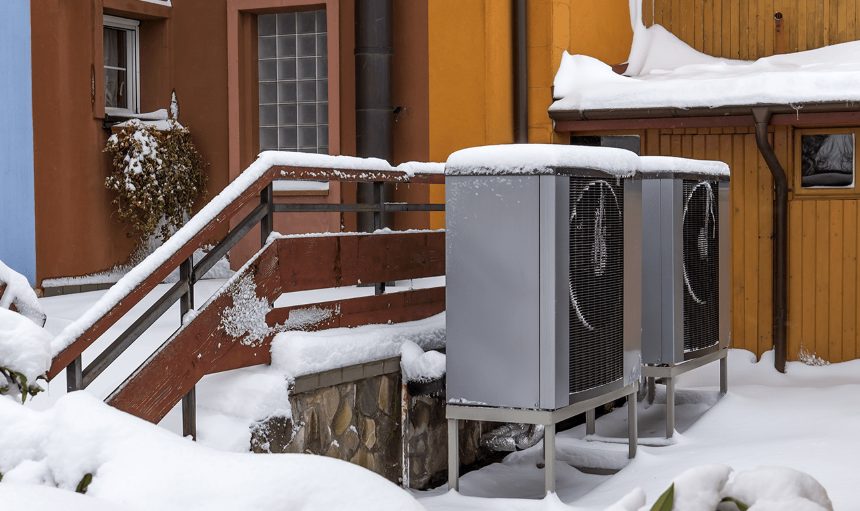
Heat pumps also change to a defrost cycle when it is cold to melt any ice that may have accumulated on the outdoor coils. This is natural and is normal to operate. The outdoor fan can temporarily shut down during defrost and homeowners may experience a gush of steam or vapor.
In a typical AC plus furnace system, such a defrost cycle does not happen during the winter, as the furnace is heating and the AC is off. This difference in operations is very evident in cold weather.
Important tip: When the outdoor unit does a defrost cycle every now and then in the winter, it is a heat pump.
Duration Of Defrost Cycle
The duration of defrosting ranges between several seconds and a few minutes. The cycle may occur more frequently in case of heavy accumulation of ice. In the process, the thermostat can cause a backup heat source to be activated temporarily to keep the indoors comfortable.
Main lesson: The fact that heat pumps need to be defrosted regularly during winter is a peculiarity of the heat pump that is not exhibited by conventional systems.
Don’t Overpay for HVAC Services – Call 888-894-0154 Now to Compare Local Quotes!
Looking For AUX Or EM Heat
When the weather is very cold, the capacity of a heat pump to draw heat out of the outside air reduces. To make up, a lot of heat pumps include backup heat, frequently electric strips or a little gas burner. This may be shown by a thermostat as AUX or EM Heat.
The backup heat gives a boost when it is activated. The traditional furnace systems typically do not require an emergency label, since the main furnace can satisfy the need of higher-temperature heating.
Important insight: An AUX or EM Heat button that is visible is a very strong indication that the main heating source is a heat pump.
Typical Usage Of Auxiliary Heat
Auxiliary heat usually comes on when the outside temperatures fall to the 30s (Fahrenheit) or lower. The precise temperature level will be determined by the efficiency of the heat pump and insulation of the house.
The increased heating load can be seen in the increased electricity bills during these periods by the homeowner.
Important insight: A high frequency of AUX heat engagement shows that a heat pump depends on supplemental heating in extremely cold conditions.
Using Model And Serial Numbers
The majority of HVAC manufacturers put model and serial numbers on a rating plate on the outside unit or the inside furnace. These tags specify the kind of equipment, capacity, voltage and other details. It is common to find out whether it is a heat pump or air conditioner by searching the model number.
Model names Some model names include letters such as HP to indicate a heat pump model. Although the label may not mention the term Heat Pump, a brief check in the documentation of the brand can verify the type of product.
Important tip: You can check the official documentation of the unit or the nameplate data to see whether it is a heat pump model.
Where To Find The Label
The rating plate is normally located on the side of the outdoor condenser cabinet or in an access panel. The identification stickers or plates are also placed on the indoor components, i.e. furnaces or air handlers. Look thoroughly over all the available surfaces to see any labels printed in a clear manner.
Important lesson: An easy way to find out system type is to read official labels and locate them.
Evaluating Energy Efficiency
The heat pumps are generally more energy efficient in mild climates because of the heat transfer process rather than heat creation. In most parts of the U.S., a heat pump may help to cut the energy bills by decreasing the use of natural gas or fuel during winter.
In states that are very cold, conventional systems may be more appropriate since direct heat of a furnace is desired. But those conditions are also well suited to some high-efficiency heat pumps, when combined with backup burners.
Main lesson: Heat pumps are commonly preferred by homeowners who want to reduce energy expenses, especially in moderate climates.
Seasonal Energy Efficiency Rating (SEER)
Heat pumps as well as conventional AC units are rated in SEER. The higher the SEER, the more efficient it is. Heat pumps also have another rating termed HSPF (Heating Seasonal Performance Factor) to be used in heating.
Don’t Overpay for HVAC Services – Call 888-894-0154 Now to Compare Local Quotes!
Instead, conventional furnaces have AFUE (Annual Fuel Utilization Efficiency) ratings.
Important fact: Heat pumps will have SEER and HSPF, and furnaces will have AFUE.
Examining System Operation Sounds
In winter, the outdoor unit of a heat pump is in operation to produce heat. It may have a lower hum than the ignition or the blower of a furnace. The furnace of a conventional system can produce a very characteristic rumble as it starts up, particularly when it is gas or oil-fired.
Although the presence of sound is not decisive, regular use of the outdoor unit to heat the house is a good indication of a heat pump. A conventional air conditioner would be lying idle during winters.
Important insight: A heat pump is usually indicated by outdoor machinery actively operating in cold weather.
Noise Characteristics In Defrost Mode
During defrost, heat pumps can produce strange sounds such as hissing, rushing air, or small clanks. That is the reversing valve and the flow of the refrigerant. These sounds are normally absent in conventional systems.
Important insight: Distinct defrost sounds also indicate the differences in the functioning of a heat pump.
Common Brand Indicators
Most of the well-known HVAC manufacturers are also manufacturers of heat pumps and conventional systems. It is common to get more clues on the setup by checking the brand and product line. Certain brands are conspicuous in labeling heat pump models on the outside cabinet.
Manufacturers that should be mentioned: Carrier, Trane, Lennox, Goodman, Rheem, York, Bryant, and others. Both provide model families that are specifically designated as heat pumps, which may be verified online or in manuals.
Important lesson: Product lines in brands frequently have identifiers of heat pumps.
Contacting The Manufacturer
In the case of older or worn out labels, the homeowner can call the manufacturer using the model and serial numbers. System details can be verified by the customer support. This simple approach can be used in case of missing or ambiguous data on-site.
Lesson learned: The manufacturer support is a good source of verification of system specifications.
Monitoring Winter Operation
A simple test is checking whether the outdoor unit is operating in cold temperatures. A heat pump operates by removing heat in the outside air, and thus the outdoor fan and compressor will be normally running. In case the outdoor unit is not used during the winter, then it is probably a regular air conditioner.
Sometimes used in very cold weather may be an indication of a dual-fuel system, where a heat pump and furnace are combined. Even in this case, there is a presence of a heat pump component.
Important tip: A heat pump is a good indicator by the fact that it operates continuously during winter even when the outside unit is on.
Performance At Lower Temperatures
Heat pumps usually keep the inside comfortable until the outdoor temperatures are much below freezing. Another sign of the drawbacks of a heat pump over a furnace is the fact that the heating performance will be noticeably worse without the auxiliary heat.
Important lesson: The use of additional heat during cold weather is an indication of the fundamental functioning of a heat pump.
Identifying Additional Clues
Although the above-mentioned techniques are simple to use in order to determine the system, there are some additional clues that can be used to support the findings. These minor details involve the existence of heat strips, defrost timers and special thermostat wiring.
Occasionally a sealed chimney or a furnace flue that is not in use suggests that the system is electric or heat pump based. Lack of a gas supply line to the HVAC equipment can also indicate a heat pump.
Important tip: Lesser operational indicators and parts of the system can support the suspicions of a heat pump system.
Noting Utility Bills
There is another hint which is monthly energy costs. In warmer areas, heat pumps may mean increased electric bills during winter when backup strips are activated too frequently. Instead, a traditional gas furnace can display variable gas consumption over the season.
Important point: The comparison of electricity and gas consumption over time can be an indication of the heating system used.
Frequently Asked Questions
Q: Is it possible to have a dual-fuel system that has a gas furnace, yet it is also a heat pump?A: Yes. These systems combine a heat pump and a gas furnace. In extremely cold weather they tend to use gas heat.
Q: Is it a sure thing that I have a heat pump when I see frost on my outdoor unit in the winter?A: Probably, but look to see that it has a defrost cycle. The common air conditioners are not used in winter and therefore frosting is not common.
Q: Is a heat pump controlled by all thermostats that have an Emergency Heat setting?A: Yes, in general. That additional mode is intended to be used on heat pump systems with backup heating.
Lesson learned: The knowledge of the most frequent questions will consolidate the information on how to recognize heat pumps and conventional systems.

How to Get the Best HVAC Prices
- Firstly, keep in mind that installation quality is always the most important thing for residential HVAC project. So never sacrifice contractor quality for a lower price.
- Secondly, remember to look up the latest rebates as we talked above.
- Thirdly, ask for at least 3 bids before you make the decision. You can click here to get 3 free estimates from your local contractors, and this estimate already takes rebates and tax credit into consideration and filter unqualified contractors automatically.
Lastly, once you chose the right contractor, remember to use the tactics from this guide: Homeowners Tactics When Negotiating with HVAC Dealer to get the final best price.