


When replacing the water heating system in your home, a decision between a heat pump water heater and a traditional electric water heater is a big one. The two technologies vary considerably in the method of producing hot water, energy efficiency, cost of operation and environmental effect. Heat pump water heaters transfer heat with electricity instead of producing it directly, whereas conventional electric water heaters produce heat with resistance elements.
This inherent disparity impacts all the way down to installation needs to long term operating costs.
| Feature | Heat Pump Water Heater | Electric Water Heater |
|---|---|---|
| Energy Efficiency | 3-4x more efficient (UEF 2.0-4.0) | Less efficient (UEF 0.9-0.95) |
| Initial Cost | $1,200-$3,500 | $300-$900 |
| Annual Operating Cost | $120-$250 | $400-$600 |
| Lifespan | 10-15 years | 8-12 years |
| Installation Requirements | Complex, needs adequate space and airflow | Simple, minimal space requirements |
Heat pump water heater (HPWH) is a sophisticated device that does not produce heat but transfers it with the help of electricity. In contrast to the traditional electric water heaters with resistance elements, HPWHs take the heat out of the air and deliver it to the water in the tank. Such technology is occasionally referred to as hybrid water heaters since most models have backup electric resistance elements during times of peak demand.
These systems work in the same principle as the refrigerators but in reverse. They include an evaporator which absorbs heat of the surrounding air, a compressor which pressurizes the refrigerant and increases its temperature, a condenser coil which transfers heat to the water and an expansion valve which keeps the pressure difference in the system.
HPWHs come in different capacities, usually 50-80 gallons, which makes them suitable to households of different sizes. The majority of the contemporary models have smart capabilities such as digital displays, programmable timers, vacation modes, and Wi-Fi connectivity to monitor and control remotely.
What Is an Electric Water Heater?
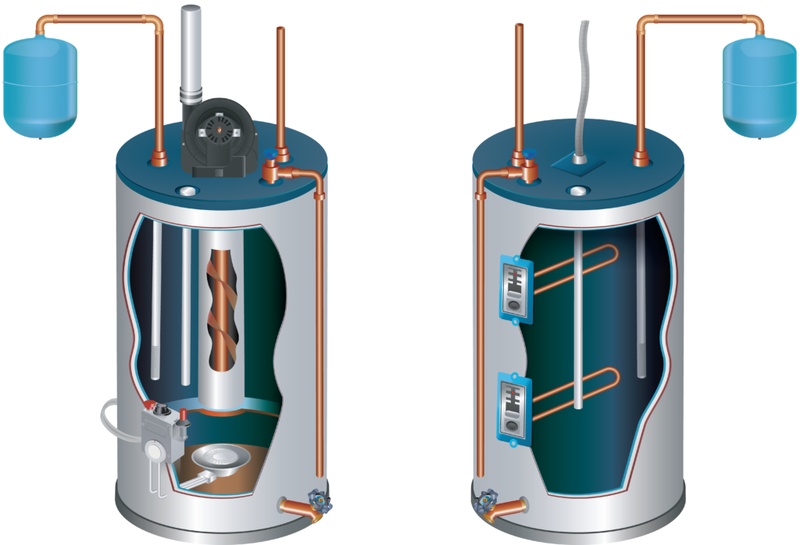
A traditional electric water heater is a simple device which heats water directly with electrical resistance elements. These cylindrical tanks usually have two heating elements, one at the top and one at the bottom, which act as the coils of an electric oven, and convert electricity directly to heat.
The cold water is introduced in the tank through a dip tube which reaches the bottom. When water is heated it automatically moves to the top of the tank and is drawn off. Each heating element is controlled by a thermostat that switches the heating element on when the water temperature drops below the set point. The common safety measures are temperature and pressure relief valves to avoid hazardous situations.
Electric water heaters are available in different sizes and normally between 30 to 100 gallons. They come in various models, such as point-of-use models that serve a single fixture, tall or short models to fit various installation areas and special models that fit mobile homes or special needs areas.
Working Principle: How Each System Operates
Heat Pump Water Heater Operation
The heat pump water heaters work on the refrigeration cycle. This starts by the evaporator absorbing heat in the surrounding air which causes the liquid refrigerant to vaporize. This vapor is then compressed and this causes the temperature of the vapor to rise considerably. The hot refrigerant gas passes through a condenser coil wound around the tank, giving up the heat to the water and expanding and cooling, and the cycle is complete.
The majority of the heat pump water heaters work in various modes. They can only use the heat pump to warm water in heat pump (or efficiency) mode. They operate mostly on the heat pump in hybrid mode, with the ability to turn on electric resistance elements in times of peak demand. Electric-only mode skips the heat pump altogether, whereas vacation mode keeps the temperatures low when the house is not inhabited.
Don’t Overpay for HVAC Services – Call 888-894-0154 Now to Compare Local Quotes!
Electric Water Heater Operation
The principle of operation of electric water heaters is much simpler. When the thermostat senses that the water temperature is below the setpoint it closes an electrical circuit to the resistance heating elements submerged in the tank. These components turn electrical energy directly into heat by electrical resistance, like a toaster or electric oven.
The heating process goes on until the water in the tank attains the required temperature. Since hot water is utilized, cold water gets into the bottom of the tank and causes the lower element. When hot water is drawn in large quantities, the upper element comes into use and heats water at the top of the tank rapidly so that it can be used immediately and the lower element keeps heating the rest of the water.
Energy Efficiency Comparison
The efficiency gap between these types of water heaters is high. The water heaters that use heat pumps are incredibly efficient, consuming 60-70 percent less electricity than the traditional electric ones. The measure of this efficiency is Uniform Energy Factor (UEF) that shows how well the unit transforms energy into hot water.
The UEF of heat pump water heaters is generally 2.0 to 4.0, indicating that they produce 2-4 times the energy as hot water than they use in electricity. In comparison, electric resistance water heaters have UEF ratings of about 0.90-0.95, with most but not all electrical energy converted to heat, some energy wasted in tank insulation and standby losses.
The difference in efficiency is directly related to energy use. An average electric water heater may consume 4,000-5,000 kWh per year in a family of four, whereas a similarly sized heat pump model may consume only 1,000-2,000 kWh of the same hot water demand. The efficiency of heat pumps can be slightly reduced in cold weather or during winter season when the unit has to struggle to draw heat out of the cooler air.
| Water Heater Type | Typical UEF Rating | Annual Energy Use (Family of 4) | Energy Savings vs Standard Electric |
|---|---|---|---|
| Heat Pump | 2.0-4.0 | 1,000-2,000 kWh | 60-70% |
| Standard Electric | 0.90-0.95 | 4,000-5,000 kWh | – |
Cost Analysis: Initial Investment vs Long-Term Savings
The economic analysis of heat pump and electric water heaters is the trade off between the initial cost and the savings over the life of the operation. Heat pump water heaters have an average price of between 1,200 and 3,500 dollars before installation, whereas the conventional electric ones cost between 300 and 900 dollars. The cost of installation also varies whereby heat pumps have more complicated installation that can increase the cost of the project by 500-1000 dollars.
The heat pump units excel in the difference in operating costs. They are more efficient and thus can save up to 250-500 dollars a year in electricity bills as compared to the standard electric ones. This implies that the average payback period of the incremental investment is 2-5 years based on your electric rates, consumption habits and incentives.
The total ownership costs (purchase, installation, and operation) of the heat pump technology are often preferable over a 10-year life span even though the initial investment is more. The economic benefit is even greater in homes in warm climates where the electricity rates are high. The difference in up front cost can be greatly reduced by rebates and tax incentives offered by many utilities and government agencies.
Example 10-Year Cost Comparison (Family of 4, $0.15/kWh)
| Cost Factor | Heat Pump Water Heater | Electric Water Heater |
|---|---|---|
| Purchase Price | $1,500 | $600 |
| Installation | $800 | $500 |
| Annual Operating Cost | $225 ($2,250 over 10 years) | $600 ($6,000 over 10 years) |
| Maintenance (10 years) | $400 | $200 |
| Total 10-Year Cost | $4,950 | $7,300 |
Installation Requirements and Considerations
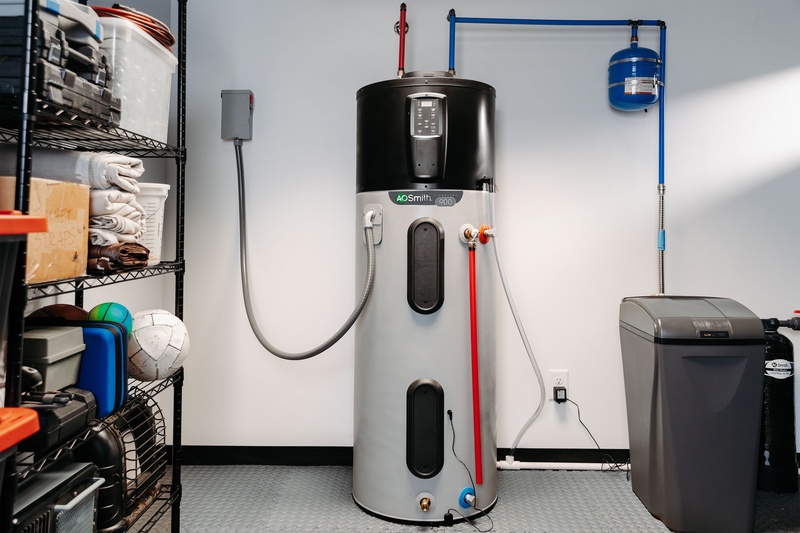
The installation requirements of these types of water heaters are different. Heat pump water heaters require particular space and environmental conditions that limit their location. They require a minimum of 1,000 cubic feet of air space and ambient temperatures of 40-90°F to work effectively. Most manufacturers suggest 7 feet ceiling clearance and minimum room volume of 750 cubic feet.
Heat pump units also need adequate condensate drainage, adequate airflow and are frequently installed in unconditioned areas such as garages or basements. They ought to be placed in the regions where cooling and dehumidification are not harmful but rather helpful. The majority of models need a 240V electric connection and older homes may have to upgrade the electrical service.
Electric resistance water heaters are far less demanding. They may be placed in closets, crawl spaces and other tight quarters provided there is little clearance to access the service. They are simple to operate and thus they can be used in any indoor setting irrespective of the ambient temperature or humidity. They usually need less installation skills, and hence are easier and cheaper to install or replace.
Both of them need connections to water supply, temperature and pressure relief valves with proper drainage, and the local building codes. When retrofitting, it is usually necessary to change the electric to heat pump which may involve space changes and potentially moving the unit to a more appropriate location, further increasing the cost and difficulty of installation.
Performance and Hot Water Delivery
These types of water heaters vary in significant ways in their ability to deliver hot water. Electric resistance water heaters have a steady recovery rate independent of the environment, and average 50-gallon models have first-hour ratings (the quantity of hot water obtainable in the initial hour of operation) of 55-65 gallons.
The water heaters that use heat pumps tend to recover more slowly in heat-pump-only mode. An example of a 50-gallon heat pump model could have a first-hour rating of 50-60 gallons, which is a little less than its electric equivalent. The majority of heat pump models however have hybrid operation modes that engage resistance elements when the demand is high, thus performing as well as the standard electric units when required.
Consistency of temperature is usually very good with either technology, but heat pump models can exhibit minor variation as they change operating modes. The efficiency of a heat pump decreases in low temperatures, which may impact the performance in winter months in case of installation in unconditioned areas. Most newer heat pump systems make up by automatically switching to electric resistance when the ambient temperatures are not at their optimum levels.
Recovery Rate Comparison
| Water Heater Type | Recovery Rate (GPH at 90°F rise) | First Hour Rating (50-gal tank) | Continuous Hot Water Capacity |
|---|---|---|---|
| Heat Pump (heat pump mode) | 8-12 GPH | 50-60 gallons | Limited by recovery rate |
| Heat Pump (hybrid mode) | 20-25 GPH | 65-75 gallons | Strong with resistance backup |
| Standard Electric | 20-25 GPH | 55-65 gallons | Limited by recovery rate |
Maintenance and Durability
There is a big difference in maintenance of these types of water heaters. Heat pump water heaters are more complicated and need more maintenance such as cleaning the air filter (usually every 2-3 months) and evaporator coil (once a year) to be efficient. The condensate drain should also be periodically inspected to avoid clogging and water damages.
Electric resistance water heaters require little maintenance other than the yearly draining of the tank that is recommended to eliminate the accumulation of sediment. Both systems are advantaged by the fact that the anode rod should be periodically inspected (every 2-3 years) and replaced when it has been seriously worn out. This sacrificial part assists in avoiding the corrosion of the tank and prolonging the life of the unit.
In terms of durability, the heat pump water heaters have a life span of 10-15 years compared to the conventional electric ones that have a life span of 8-12 years. The extra mechanical parts of heat pump systems (compressor, fan, evaporator) add more places where things can go wrong, but they tend to be quite reliable when maintained. The vast majority of heat pump models have longer warranties (usually 10 years) than standard electric units (usually 6 years) because manufacturers are confident that they will last longer.
Heat pump water heaters are more expensive to service when repairs are necessary because they are complex and contain specialized parts. Replacing or repairing a compressor, e.g., may be costly, whereas repairing an electric resistance element is fairly easy and cheap. This difference in maintenance and repair costs ought to be considered in long term ownership calculations.
Environmental Impact
The environmental effects of these types of water heaters are mainly due to their energy consumption trends. The greenhouse gas emissions of heat pump water heaters are much lower because they consume less electricity, usually 60-70 percent less than the conventional electric water heaters. This may translate to significant carbon footprint savings by a household that uses clean electricity grid.
Don’t Overpay for HVAC Services – Call 888-894-0154 Now to Compare Local Quotes!
Heat pump water heaters do contain refrigerants which are globally warming in case they are released. The majority of the modern units are based on R134a or newer less environmentally harmful gases, and the end-of-life disposal of the units makes sure that the gases are not released. Refrigerant leaks are also minimized during operation by professional installation and service.
The two types of water heaters can be recycled to a large extent at the end of their life, and their steel tanks and other metal parts can be recycled using conventional recycling methods. The heat pump units are more sensitive to disposal to ensure that the refrigerants are captured, although there are numerous HVAC recycling programs that can be used to do so.
Both types of water heater can be used with little environmental cost to homeowners who have solar panels or access to renewable electricity. Nevertheless, the high efficiency of heat pump technology makes it the obvious environmental champion irrespective of the electricity source, particularly in the areas where electricity is generated using carbon-intensive methods.
Noise and Space Requirements
The difference in the way of life between these types of water heaters is significant due to operational features. The heat pump water heaters produce sound when in use, usually 40-60 decibels, which is similar to a modern refrigerator or low-level conversation. This is the noise that is mainly caused by the compressor and fan needed in the heat pump cycle.
Electric resistance water heaters are quieter and thus they are better suited in installation close to living areas or bedrooms where noise is an issue. The fact that it operates silently is a major plus in small houses or where the water heater has to be located in or near the living quarters.
Space demands are also very different. Heat pump units require adequate volume of air (usually 750-1,000 cubic feet) and clearance to operate efficiently. They are typically higher than similar electric models, because the heat pump components are placed on top, and they may need 6-8 inches of extra height clearance. Their requirement of proper airflow renders them unsuitable to be installed in closets or other small enclosed areas unless greatly modified.
Another factor is the air cooling effect of the heat pump operation. This cooling effect is useful in warm weather or in summer but it may be counterproductive in heated rooms in winter. In cold climates, the energy savings of heat pump technology need to be weighed against the possible higher costs of space heating in the case that the unit is air-sourced in heated spaces.
Rebates and Incentives
The cost equation can be influenced greatly by financial incentives in the selection of the type of water heater. Heat pump water heaters are frequently eligible to receive large rebates, tax credits and utility incentives that can make their effective cost of purchase very low. The 2022 Inflation Reduction Act created a federal tax credit of up to 2,000 dollars on qualifying heat pump water heaters, which significantly lowered the technology cost gap.
Most electric utilities provide extra rebates of between 300 and 1,000 dollars on heat pump water heaters, as they are interested in cutting peak electricity demand. Other utilities also offer special time-of-use rates or demand response programs which also benefit the owners of heat pump water heaters. In comparison, typical electric water heaters do not often receive large incentives other than utility rebates on the more efficient models.
In some cases, state and local governments provide extra incentives to heat pump technology as a climate action plan or energy efficiency program. When combined with federal and utility incentives, these incentives can even pay up to 50 percent or more of the cost of purchase and installation, which makes the economic argument of heat pump technology much more dramatic.
Homeowners are advised to use the Database of State Incentives for Renewables & Efficiency (DSIRE), contact local utilities, and talk to qualified installers who can frequently assist with available programs to maximize available incentives. The availability of incentives is dynamic and therefore up to date research is critical in making a proper comparison of costs.
Best Applications for Each Type
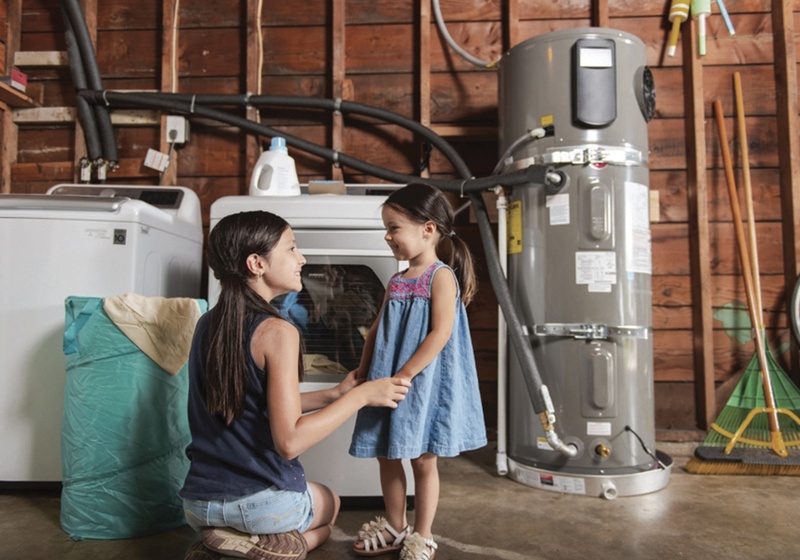
The various home conditions prefer different water heating technologies. Heat pump water heaters are most advantageous in houses in moderate to warm climates where they can be used throughout the year. They are especially adapted to installation in basements, garages or utility rooms where the temperature is above 40°F and where the air volume is adequate.
The heat pump technology provides the highest financial payback in regions where electricity rates are high, and the savings made in the operations accumulate fast. Houses that already have ductwork or ventilation in the area of installation can take advantage of the side effects of cooling and dehumidification, especially in humid climates where the side effects are of extra utility.
The traditional electric water heaters are still the viable option in confined spaces such as closets, crawlspaces or attics where heat pump models cannot fit. They also suit places with very cold ambient temperatures where the efficiency of heat pumps would be reduced, or where there is very low use of hot water where the saving in energy would not be worth the extra cost of installation.
Electric resistance systems also are sensible in secondary or point-of-use installations, or in vacation homes where the system will not be used all the time, or as a short-term measure when the cost of investing in a heat pump is prohibitive. In retrofitting cases in which a large amount of space alterations would be necessary to install a heat pump, the incremental construction costs can swing the pendulum in favor of traditional electric technology.
Don’t Overpay for HVAC Services – Call 888-894-0154 Now to Compare Local Quotes!
Choosing the Right Water Heater for Your Home
The choice of the best water heater depends on a number of important factors related to your case. First, evaluate the space available to install a heat pump to see whether it has sufficient clearances and air volume to accommodate a heat pump unit. Measure the height of the ceiling, square feet and ventilation capacity of the targeted location.
Assess your hot water needs in your household based on family size, usage habits and peak needs. The efficiency of a heat pump can be more advantageous to larger households with a high demand of hot water, whereas it may be too long to recoup the initial investment in households with small demands or little usage.
Compute your possible savings using local electricity rates, incentives and estimated usage. Generally, as a rule of thumb, the higher the electricity rates are (greater than 0.12/kWh), the sooner the heat pump technology will pay back in the home. Think about your climate and where you want to install it, in moderate climates garages or basements are the best places to install a heat pump.
Lastly, consider your environmental priorities and ownership plans in the long run. Homeowners who intend to stay in their homes more than 5 years and are energy conscious will tend to get the advantage of the heat pump technology even though it is more expensive in the short run. People with a shorter projected ownership lifetime or a more limited starting budget may well choose to go with traditional electric models, particularly in space-limited cases.
- Select heat pump water heaters where: There is adequate space to install the system, electric rates are high, the climate is moderate to warm, environmental issues are a priority, large incentives are offered and long-term ownership is intended.
- Use electric resistance water heaters when: Space is at a premium, budget is a major factor, ambient temperatures are extremely low, hot water demand is low or sporadic, noise is a factor, or when the ownership period is short term.

How to Get the Best HVAC Prices
- Firstly, keep in mind that installation quality is always the most important thing for residential HVAC project. So never sacrifice contractor quality for a lower price.
- Secondly, remember to look up the latest rebates as we talked above.
- Thirdly, ask for at least 3 bids before you make the decision. You can click here to get 3 free estimates from your local contractors, and this estimate already takes rebates and tax credit into consideration and filter unqualified contractors automatically.
Lastly, once you chose the right contractor, remember to use the tactics from this guide: Homeowners Tactics When Negotiating with HVAC Dealer to get the final best price.

