Armstrong and Aire-Flo furnaces display error codes through flashing LED lights to signal specific problems with the heating system. These error codes help homeowners and technicians diagnose issues quickly by indicating problems like failed ignition, pressure switch malfunctions, or limit switch failures.
Each error code consists of a unique pattern of LED flashes that corresponds to different component failures or operational issues within the furnace. Learning to read these codes saves time and money during troubleshooting and repairs.
The furnace control board uses these diagnostic codes to communicate problems that range from simple maintenance needs to serious safety concerns that require immediate attention. Common error codes include flame sensor issues, blower motor problems, and gas valve malfunctions.
Common Armstrong/Aire-Flo Furnace Error Codes
Armstrong and Aire-Flo furnaces use LED flash sequences to signal various operational issues and malfunctions. These codes help technicians and homeowners identify problems quickly.
The LED indicator shows system status through specific flash patterns. A steady light indicates normal operation, while no light suggests a power issue.
| Flash Pattern | Meaning | Action Required |
|---|---|---|
| 1 Flash | Gas valve issue – flame detected when off | Professional repair needed |
| 2 Flashes | Pressure switch closed with inactive inducer | Professional repair needed |
| 3 Flashes | Pressure switch open with active inducer | Check secondary stage |
| 4 Flashes | Primary limit switch open | Check secondary stage |
| 5 Flashes | Rollout switch open | Professional repair needed |
| 6 Flashes | Pressure switch cycle lockout | Check secondary stage |
| 7 Flashes | Failed ignition lockout | Check secondary stage |
| 8 Flashes | Repeated flame loss | Check secondary stage |
| 9 Flashes | Incorrect line voltage polarity | Professional repair needed |
The furnace control board maintains these error codes until power cycles. Keep the power on during troubleshooting to preserve the active error code.
Some error codes indicate serious issues requiring professional attention, while others may need basic system checks. Always document the flash sequence before taking action.
Troubleshooting Guide for Common Errors
Specific troubleshooting steps and diagnostic procedures can resolve most Armstrong and Aire-Flo furnace error codes quickly. Following the correct sequence of checks helps identify and fix issues safely.
Ignition Failure Errors
Check the igniter for cracks or damage through visual inspection.
Test the igniter’s resistance with a multimeter – readings should be between 40-90 ohms when cold. Replace if outside this range.
Don’t Overpay for HVAC Services – Call 888-894-0154 Now to Compare Local Quotes!
Verify proper gas pressure at the valve (3.5″ WC for natural gas). Low pressure prevents successful ignition.
Clean or replace flame sensor if coated with carbon deposits. Use fine steel wool for gentle cleaning.
Pressure Switch Issues
Inspect the pressure switch tubing for cracks, kinks, or blockages.
Check inducer motor operation and listen for unusual noises. A failing inducer won’t create proper draft.
Test pressure switch contacts with a multimeter. Switch should close when inducer runs.
Clean the vent system and check for obstructions in both intake and exhaust pipes.
Temperature Sensor Malfunctions
Test sensor resistance values against manufacturer specifications.
Replace sensors showing open/short conditions or readings outside normal range.
Inspect sensor wiring connections for loose, corroded, or damaged terminals.
Common Temperature Sensor Readings:
- Return Air: 10kΩ at 77°F
- Supply Air: 10kΩ at 77°F
- Limit Switch: Closed at normal temps
Blower Motor Errors
Check capacitor condition and microfarad rating.
Listen for bearing noise during operation. Squealing or grinding sounds signal bearing failure.
Measure motor amp draw against nameplate specifications. High current indicates mechanical binding.
Clean blower wheel thoroughly – dirt buildup causes imbalance and vibration.
Flame Detection Problems
Clean flame sensor rod with emery cloth or steel wool.
Verify proper flame sensor positioning in burner flame path.
Check sensor current using microamp meter – readings below 2 microamps indicate poor flame detection.
Replace sensor if cleaning doesn’t restore proper operation. Bent or damaged sensors can’t be repaired.
Diagnostic Tools and Equipment
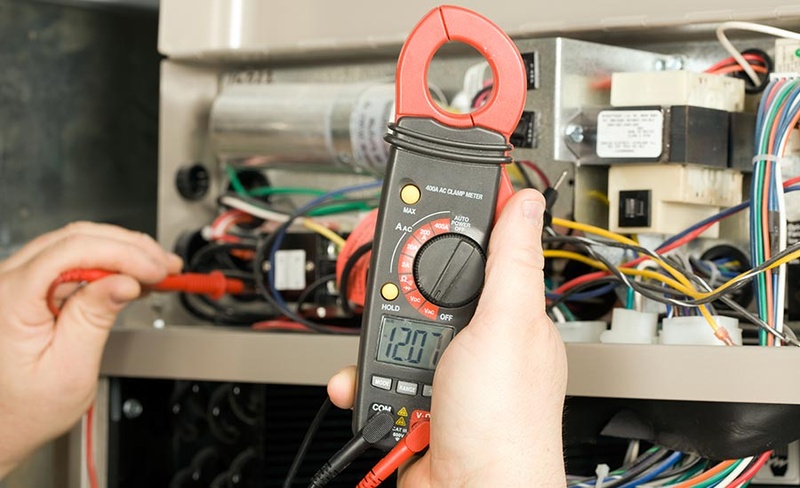
Professional HVAC technicians utilize specialized tools to diagnose Armstrong and Aire-Flo furnace error codes accurately. The most essential tool is a digital multimeter for measuring voltage, resistance, and continuity.
A manometer helps measure gas pressure within the system, ensuring proper fuel flow and combustion. Flue gas analyzers detect combustion efficiency and potential safety issues.
Don’t Overpay for HVAC Services – Call 888-894-0154 Now to Compare Local Quotes!
Temperature probes and infrared thermometers monitor heat exchanger performance and airflow temperatures. These tools identify potential overheating problems or inadequate heating issues.
Essential Diagnostic Equipment List:
- Digital multimeter
- Gas pressure manometer
- Flue gas analyzer
- Temperature probes
- Infrared thermometer
- LED inspection light
- Carbon monoxide detector
Service technicians should also carry basic hand tools like screwdrivers, wrenches, and pliers for accessing internal components. A bright LED inspection light aids in visual inspections of furnace parts.
Safety equipment remains crucial during diagnostics. Carbon monoxide detectors protect technicians while working on combustion systems. Protective gloves and safety glasses prevent injury during repairs.
The furnace control board often provides built-in diagnostic features through LED flash codes. Technicians can interpret these signals using the manufacturer’s documentation.
Manufacturer Support and Resources
Armstrong Air and Aire-Flo provide multiple channels for technical support and troubleshooting assistance. Customers can contact their customer service team directly at 1-800-448-5872 during regular business hours (8 AM – 5 PM EST, Monday-Friday).
The manufacturer’s website offers downloadable product manuals, specification sheets, and installation guides for all furnace models. Homeowners can access these resources by entering their model number on the support portal.
Certified HVAC professionals can register for the Armstrong Air Pro technical support program, which provides access to advanced diagnostic tools and technical documentation. This program includes direct communication channels with factory-trained technicians.
The Armstrong Air dealer locator tool helps homeowners find authorized service providers in their area. These dealers receive specialized training and maintain current certifications for Armstrong and Aire-Flo equipment repairs.
A mobile app is available for both iOS and Android devices, offering quick access to error code definitions, basic troubleshooting steps, and maintenance schedules. The app also stores warranty information and service records.
For emergency situations outside normal business hours, Armstrong Air maintains a network of 24/7 service partners. Contact information for these partners can be found through the dealer locator or support portal.
Warranty and Service Information
Armstrong and Aire-Flo furnaces come with a limited warranty that covers parts for 10 years when registered within 90 days of installation. The heat exchanger carries a 20-year limited warranty.
Unregistered units default to a 5-year parts warranty and a 20-year heat exchanger warranty. Labor costs are not covered under the manufacturer’s warranty.
Annual maintenance by a certified HVAC technician helps maintain warranty coverage and prevents system failures. Regular service includes cleaning, safety checks, and performance testing.
To find authorized service providers, homeowners can visit the Armstrong or Aire-Flo website or call their customer service department. The manufacturer recommends only using certified technicians for repairs to protect warranty coverage.
Don’t Overpay for HVAC Services – Call 888-894-0154 Now to Compare Local Quotes!
Homeowners should keep detailed records of all maintenance and repairs. Important documents include the original warranty certificate, proof of registration, and service invoices.
Required Documentation for Warranty Claims:
- Original proof of purchase
- Installation date records
- Product registration confirmation
- Maintenance service records
- Model and serial numbers
The warranty becomes void if the furnace is installed improperly or operated outside manufacturer specifications. Using non-approved replacement parts also invalidates warranty coverage.
How to Avoid Being Ripped Off and Get a Fair Repair Price
Finding the right furnace repair expert can be tricky—some companies offer rock-bottom prices because they’re inexperienced or have poor reputations, while others charge far too much for the same work. That’s why the smartest way to get quality repairs at a fair price is to compare estimates from top-rated local pros. Meet with each, learn about their history and the experience of the technicians that will do the work. Choose an experienced furnace repair contractor with reasonable rates. You can expedite this process by using our Free Local Estimates service.
When you fill out a quick form and submit it, you’ll soon be contacted by three of the top furnace repair and installation companies near you. They are prescreened for experience, and all are licensed and insured for your protection. Click below to get started and protect your home and wallet today.
Frequently Asked Questions
Armstrong and Aire-Flo furnace error codes provide essential diagnostic information to identify and fix heating system issues. Proper interpretation of these codes helps homeowners and technicians pinpoint problems quickly.
What steps should I follow for troubleshooting an Armstrong air furnace that is not igniting?
Check if the thermostat is set correctly and verify power supply to the unit.
Inspect the gas valve to ensure it’s fully open and confirm the gas supply is active.
Clean or replace dirty flame sensors and check igniter condition for signs of wear or damage.
How can I locate the error code on my furnace?
The LED indicator light is typically located on the control board behind the furnace’s front panel.
Count the number of flashes between pauses to determine the specific error code.
What do the various flash codes on my Armstrong heat pump indicate?
Two flashes often signal a system lockout due to failed ignition attempts.
Four flashes typically indicate an open high limit switch or rollout switch issue.
Five flashes commonly point to flame sense problems or incorrect flame signals.
How do I resolve a furnace that is giving three flashes as an error indicator?
Three flashes usually indicate a pressure switch problem.
Check the pressure switch hoses for blockages or disconnections.
Inspect the inducer motor operation and verify proper venting.
What could be the reason my Armstrong air furnace is failing to start?
A tripped circuit breaker or blown fuse can prevent furnace startup.
Dirty air filters can trigger safety switches and prevent operation.
Faulty thermostats or incorrect wiring connections may prevent the startup sequence.
How does the pressure switch in an Aire-Flo furnace function and what are the signs of its malfunction?
The pressure switch monitors proper air flow and venting conditions during furnace operation.
A stuck or faulty pressure switch may produce clicking sounds or prevent the furnace from starting.
Common signs of pressure switch problems include frequent cycling and error codes related to venting issues.

How to Get the Best HVAC Prices
- Firstly, keep in mind that installation quality is always the most important thing for residential HVAC project. So never sacrifice contractor quality for a lower price.
- Secondly, remember to look up the latest rebates as we talked above.
- Thirdly, ask for at least 3 bids before you make the decision. You can click here to get 3 free estimates from your local contractors, and this estimate already takes rebates and tax credit into consideration and filter unqualified contractors automatically.
Lastly, once you chose the right contractor, remember to use the tactics from this guide: Homeowners Tactics When Negotiating with HVAC Dealer to get the final best price.