Midea air conditioners are known for efficient performance and reliability. However, cooling issues can sometimes arise due to various factors. Most causes relate to simple maintenance oversights or wear and tear. By examining common reasons and potential solutions, individuals can address the problem promptly. This article delves into detailed troubleshooting methods, essential preventive measures, and practical advice to help ensure optimal cooling.
| Possible Cause | Indication | Suggested Action |
|---|---|---|
| Dirty Air Filter | Weak Airflow | Clean Or Replace Filter |
| Thermostat Issues | Inaccurate Temperature Reading | Recalibrate Or Relocate Device |
| Refrigerant Leak | Excessive Humidity And Inadequate Cooling | Contact A Certified Technician |
| Blocked Condenser | Reduced Efficiency | Clear Debris Around Outdoor Unit |
Common Reasons For Cooling Issues

One of the most frequent reasons for a Midea air conditioner not cooling is insufficient airflow. Filters clogged with dust or debris can restrict circulation, making it harder for the system to produce cold air. Proper filter maintenance remains a critical step to sustain efficiency. It is often overlooked that a dirty filter can reduce cooling capacity by up to 15%.
Another common cause is incorrect thermostat settings. If the thermostat is not calibrated or placed in direct sunlight, the unit may misread indoor temperatures. In such instances, the compressor might fail to kick in or run at the wrong times. Placing the thermostat away from heat sources ensures accurate temperature detection.
Low refrigerant levels can also be a culprit. Small leaks or prolonged use may gradually lower refrigerant pressure, undermining the ability to cool effectively. Technicians often discover these leaks during routine inspections and can seal them before the system fails completely.
Mechanical issues with the compressor or condenser fan motor can disrupt smooth operation. Worn-out motors, damaged fan blades, or compressor problems reduce the system’s capacity to circulate cold air. In many cases, early detection of motor issues can prevent more significant breakdowns.
Electrical problems, such as loose wiring or corroded connections, also hinder cooling. When electrical flow is interrupted or irregular, the compressor may not function consistently. Routine checks of wiring and circuit breakers can help avoid sudden failures.
Troubleshooting And Basic Checks
Filter Inspection And Replacement
Checking the air filter is a simple process. A clogged filter can lead to frosty coils and weak airflow. Filters are often accessible through a panel on the indoor unit. Replacing or cleaning the filter monthly can significantly improve cooling performance. This step not only enhances comfort but also extends equipment lifespan.
Thermostat Settings And Position
A digital thermostat should display the indoor temperature accurately. Incorrect readings might come from poor positioning or sensor malfunctions. Calibrating the device according to the manufacturer’s manual or relocating it away from windows, doors, and electronics often improves temperature sensing. Making sure the fan setting is on “auto” rather than “on” can also help maintain proper cycle times.
Condenser Unit Inspection
The outdoor condenser coil must remain free of dirt and debris. Grass clippings, leaves, or other obstructions can reduce airflow, making it difficult to cool effectively. Clearing the condenser fins with a gentle water spray or a soft brush once every few months maintains efficient heat exchange. This step helps remove trapped contaminants and prevents unnecessary strain on the system.
Advanced Diagnostics And Technical Considerations
Refrigerant Level Checks
Refrigerant plays a vital role in heat transfer. When levels drop below manufacturer specifications, the AC unit struggles to remove heat efficiently. Only certified technicians should handle refrigerant testing and recharging. Specialized tools allow them to measure pressure and pinpoint potential leaks. Addressing refrigerant issues promptly ensures that the compressor is not overworked.
Don’t Overpay for HVAC Services – Call 888-894-0154 Now to Compare Local Quotes!
Coil Maintenance
Evaporator and condenser coils must remain clean for proper temperature exchange. Over time, dust buildup can insulate these surfaces, resulting in weaker cooling. Technicians often use fin combs and coil cleaning solutions to restore optimal conditions. Regular coil maintenance has been shown by the U.S. Department of Energy to improve overall system efficiency by up to 30%.
Compressor Testing
The compressor is the heart of an air conditioner. It circulates refrigerant and maintains pressure for effective cooling. Warning signs of compressor trouble include loud noises, frequent cycle interruptions, or warm air even at low thermostat settings. Professional testing usually involves measuring electrical resistance and checking for grounded windings. Identifying early warning signals can prevent total system failure.
Electrical System Evaluation
Loose wiring or faulty capacitors can cause intermittent cooling or complete malfunction. A licensed technician can use a multimeter to confirm if voltage and amperage readings match specifications. Since capacitors store significant electrical charge, only trained personnel should attempt replacement or repairs. Verifying all connections can resolve erratic performance.
Additional Factors That Can Affect Performance
Older units may inherently lack modern efficiency features. Seasonal Energy Efficiency Ratio (SEER) ratings have improved in recent years. Therefore, a decade-old Midea air conditioner might struggle compared to newer models. Upgrading can yield notable gains, especially in extreme climates. Nonetheless, periodic maintenance is still crucial for both old and new units.
Improper installation sometimes results in undersized or oversized systems. If the cooling load is miscalculated, the unit might short-cycle or run continuously. Professional sizing calculations determine the appropriate capacity needed to cool a given space. This prevents strain and keeps utility costs in check.
Ductwork can also hinder cooling performance when leaks or blockages exist. Air escaping from loose duct connections leads to loss of conditioned air. Sealing ducts and insulating them can significantly enhance overall air delivery efficiency. This measure ensures that cold air reaches intended spaces without wastage.
Maintenance Tips To Prevent Cooling Problems
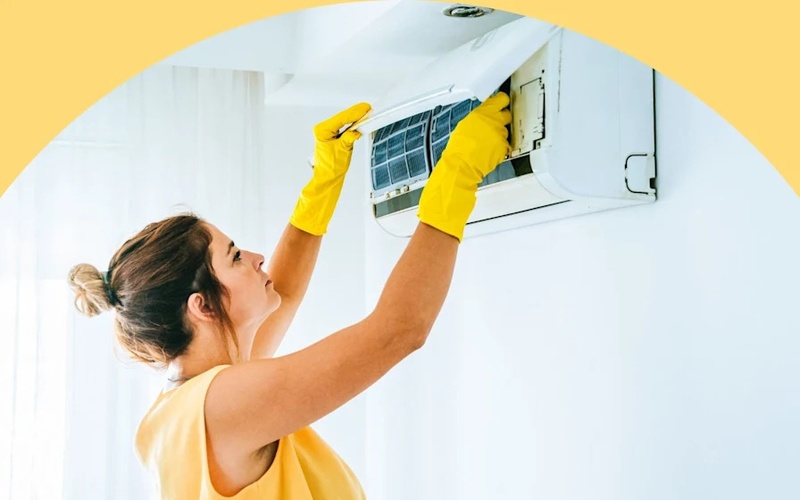
Regular maintenance is essential to keep Midea air conditioners running smoothly. At least twice a year, the system should undergo an in-depth inspection by a qualified technician. They typically check refrigerant levels, clean coils, and tighten electrical connections. These proactive measures help detect minor issues before they become major repairs.
Outside of professional servicing, individuals can adopt simple habits. Keeping curtains or blinds closed during peak daylight hours reduces heat gain. Minimizing direct sunlight can prevent the air conditioner from working overtime. Additionally, clearing the immediate area around the outdoor condenser enhances airflow and prevents plant debris from clogging the fins.
Schedule filter replacements in line with the AC usage. If used heavily, monthly checks are advisable. Homes with pets may need even more frequent filter inspections. Maintaining a schedule lowers the risk of airflow restrictions and improves indoor air quality by capturing allergens and dust.
Professional Assistance And Warranties
In many cases, a professional service call ensures accurate diagnosis and lasting repairs. Certified technicians possess the knowledge and specialized tools to handle complex issues. They can detect hidden refrigerant leaks, identify worn components, and advise on the best course of action. This level of expertise protects the longevity of the investment.
For newer Midea models, the manufacturer warranty might cover specific repairs or part replacements. Familiarizing oneself with warranty terms is beneficial. Failing to follow recommended maintenance schedules may void certain coverage clauses. Therefore, documenting routine upkeep can prove valuable if a claim is needed. Also, extended warranty plans can offer additional peace of mind.
When professional repairs are required, it is prudent to request itemized quotes. This practice allows individuals to understand the exact costs for labor, parts, and additional fees. Comparing quotes from reputable service providers can lead to more competitive pricing. Refraining from do-it-yourself repairs for complicated electrical or refrigerant problems ensures safety and proper system functioning.
Environmentally Conscious Considerations
Midea air conditioners that operate with older refrigerants, such as R-22, face regulatory phase-outs due to environmental impact. Switching to newer, more eco-friendly refrigerants extends the viability of the system. Technicians equipped for retrofitting can guide individuals through the replacement process. This approach also helps maintain compliance with evolving environmental standards.
Energy-efficient operation not only benefits homeowners but also contributes to reduced carbon footprints. According to the U.S. Environmental Protection Agency, optimizing HVAC systems can significantly lower greenhouse gas emissions. By ensuring the air conditioner runs efficiently, individuals help preserve natural resources and limit energy waste.
Signs That Prompt Immediate Attention

Strange noises or vibrations may point to mechanical misalignment within the fan blades or motor assembly. Hissing sounds can indicate refrigerant leaks, while banging noises may imply loose internal parts. Addressing these symptoms promptly helps avoid further damage to the unit.
A sudden spike in utility bills can also be a clue. Energy consumption typically increases when an air conditioner struggles to maintain the desired temperature. Detecting a consistent monthly rise could suggest a hidden malfunction or blocked airflow path. Timely troubleshooting can mitigate unnecessary energy expenses.
Recurrent short-cycling, where the AC turns on and off rapidly, imposes stress on the compressor. Additionally, inadequate ventilation from blocked vents or closed-off rooms can cause inconsistent cooling. Reopening these vents and ensuring no furniture obstructs airflow paths can restore balanced cooling throughout the area.
Final Notes On Optimal Cooling Performance
Addressing a Midea air conditioner not cooling requires a blend of basic inspections, thorough maintenance, and occasional expert intervention. By keeping filters clean, ensuring accurate thermostat control, and monitoring refrigerant levels, the system can operate at peak efficiency. Routine maintenance stands as the best preventive measure against recurring malfunctions. When problems persist or appear severe, a qualified technician can provide precise solutions, safeguarding both comfort and the unit’s lifespan.

How to Get the Best HVAC Prices
- Firstly, keep in mind that installation quality is always the most important thing for residential HVAC project. So never sacrifice contractor quality for a lower price.
- Secondly, remember to look up the latest rebates as we talked above.
- Thirdly, ask for at least 3 bids before you make the decision. You can click here to get 3 free estimates from your local contractors, and this estimate already takes rebates and tax credit into consideration and filter unqualified contractors automatically.
Lastly, once you chose the right contractor, remember to use the tactics from this guide: Homeowners Tactics When Negotiating with HVAC Dealer to get the final best price.