Bad smells that are produced by air conditioners may make the refreshing experience quite uncomfortable. The smells are normally as a result of mold, bacteria or accumulation of dust in the system. These odors must be eradicated by regular maintenance and proper cleaning to ensure good indoor air quality.

This is an ultimate guide on the causes of air conditioner odors, how to clean them, products to use and preventive measures to ensure that your AC is free of odors and works efficiently.
What are Causes of Bad Odors in Air Conditioners
There is hardly a chance of air conditioner odors without a cause. The majority of bad odors are a sign of some problem that has to be addressed. The origin of the problem is important in order to be able to eradicate it.
These are the most typical reasons of foul-smelling air conditioners:
The most common one is the growth of mold and mildew. The air conditioners produce condensation when they are running and when this water is allowed to gather in dark areas in the air conditioners, it provides the right environment to allow mold and mildew to grow. This normally gives out a musty earthy odor like a wet basement.
The accumulation of bacteria on the evaporator coil may produce what is often known as the dirty sock syndrome. This is as a result of bacteria growing on a wet coil and emitting a smell that is similar to that of unwashed gym socks. This is especially frequent when one is changing between heating and cooling.
Blocked drain pipes may cause water blockage and stagnation. The condensate drain line helps to get rid of the moisture that is produced in the cooling process, however, in case of clogging, water may accumulate, and provide a favorable environment to the growth of bacteria and mold, which leads to unpleasant odors.
The presence of dust and debris on the filters and internal parts may result in a burning or dusty odor, particularly at the time when the system is initially activated after a long idle time.
This buildup can be avoided by changing or cleaning filters on a regular basis.
Rodents or birds that have entered the ductwork or unit can result in serious, foul smells. This needs to be dealt with as soon as possible and in many cases professionally removed to deal with the odor and possible health risk.
Don’t Overpay for HVAC Services – Call 888-894-0154 Now to Compare Local Quotes!
Electrical issues may cause specific burning or smoky smells, and this could be a sign of overheated parts or wiring.
A qualified technician should deal with them as soon as possible because they pose fire risks.
Signs Your Air Conditioner Needs Cleaning
Knowing the signs of early warning can assist in solving the problem of odors before they get serious.
Early intervention will save time, money and discomfort.
Watch out on these signs that your air conditioner needs cleaning:
The first thing that can be noticed is reduced cooling efficiency. In case your air conditioner does not manage to deliver the desired temperature or it takes more time than usual to cool the area, it can be a sign that some dirt or debris is blocking the airflow or preventing the system to work properly.
Abnormal noises when in use like grinding, squealing, or rattling may be an indication of dust build-up or problems with the components. These noises usually come along with odor issues and it is a sign that the maintenance is due.
Obvious mold or slime near vents or drain locations is a definite indication of microbial growth.
Do not disregard obvious mold because it not only brings about bad smells, but also leads to respiratory problems and allergies.
Symptoms of allergies or breathing difficulties that are aggravated by the air conditioner indicates that the system is possibly circulating allergens, mold spores or bacteria.
This is especially worrying to people with asthma or immune systems that are weak.
Leakages around the indoor unit usually show that the drain line is clogged and this usually causes odor problems. This can be dealt with early enough to avoid water damage and worse still odor issues.
Basic Cleaning and Maintenance Techniques
Air conditioner odors can be best defended by regular maintenance.
A thorough cleaning procedure is to be conducted at least once in six months, preferably before the periods of intensive use.
Make sure that the power is disconnected to the unit before starting any cleaning procedure.
To begin with, prepare the following supplies: soft brush, vacuum with a brush attachment, microfiber cloths, a mild detergent or a special AC coil cleaner, gloves, eye protection, and a spray bottle.
Preparation of all the materials in advance will make the cleaning process more effective.
Clean and remove any accessible parts in the following order, outer panels, filters, and any removable drain pans.
This methodical process will guarantee a good cleaning and reassembling.
Mark connections or photograph them before you take them apart in case you are not sure how to put them back together.
Don’t Overpay for HVAC Services – Call 888-894-0154 Now to Compare Local Quotes!
A soft brush is used to dust the surfaces prior to the use of any cleaning solutions.
This eliminates loose materials that might turn muddy when wet hence the cleaning process becomes hard.
This is well done using a vacuum brush attachment.
Cleaning solutions should be used on various parts to give them a deeper clean. Avoid rough chemicals which may break sensitive parts or cause pungent smells.
Green cleaners are usually effective and safer to the indoor air quality.
Reassemble components after they are dry. The moisture that is left behind may add to the same mold and mildew that you are attempting to get rid of.
Drying can be accelerated by the use of a fan without the danger of damaging parts.
Cleaning the Air Filter
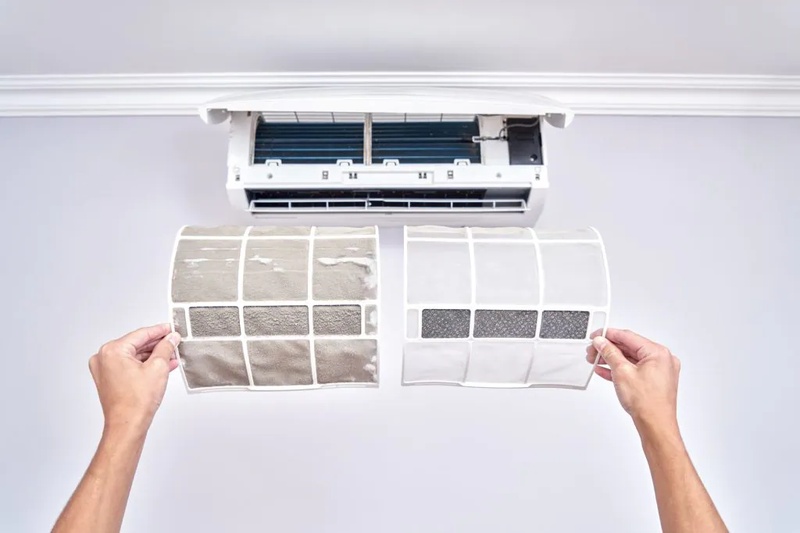
Your first line of defense against odors is the air filter and this should be the first thing to be dealt with in any cleaning routine.
Clogged filters limit airflow, decrease efficiency and play a major role in odor problems.
This is the right way of cleaning or replacing your air filter:
Find the filter, normally located behind the wall, ceiling or in the air handling unit itself, behind the return air grille. Other units contain more than one filter thus it is important to consult your owner manual in order to locate all the filters.
Look at the type of filter to know whether it is washable or disposable.
Washable filters are cleaned and reused whereas disposable filters have to be discarded when they are dirty.
The filter frame normally tells whether it is washable or disposable.
In the case of washable filters, wash using warm water to get rid of loose debris.
Don’t Overpay for HVAC Services – Call 888-894-0154 Now to Compare Local Quotes!
To clean stubborn dirt, apply mild soap solution and a soft brush to clean without destroying the filter material.
Wash well to get rid of all the soap that would have an impact on the quality of air.
Washable filters should be left to dry before they are reinstalled.
Reinserting a wet filter in the system may encourage mold growth and increase the problem of odor.
Drying can take a couple of hours depending on the level of humidity.
In the case of disposable filters, change to the right size and MERV (Minimum Efficiency Reporting Value) rating as suggested by the manufacturer.
The increased levels of MERV ratings offer superior filtration at the expense of airflow in non-rated systems.
Note down the schedule of filter cleaning.
The majority of filters are to be inspected once a month and cleaned or changed in 1-3 months, depending on the usage and the environment.
Homes that have pets, smokers or large amount of dust need to be given more attention to the filter.
Choosing the Right Filter
The choice of a proper filter may influence the odor control greatly.
Simple fiberglass filters provide little protection against odors whereas more sophisticated ones can assist in the reduction of airborne contaminants that cause odors.
Activated carbon components of the pleated filters are especially useful in reducing odors.
The activated carbon is effective in that it adsorbs the odor forming molecules and volatile organic compounds in the air.
These filters are more expensive and have better odor control.
HEPA filters are great at trapping particulates, but do not target odors in particular unless used with activated carbon.
This difference in understanding can be used to have realistic expectations of filtration performance.
Look at the long-term value of washable electrostatic filters.
These form a static charge which attracts and retains particles, can be washed and reused over years and in many cases are more effective than simple disposable filters in odor control.
Cleaning the Evaporator Coils
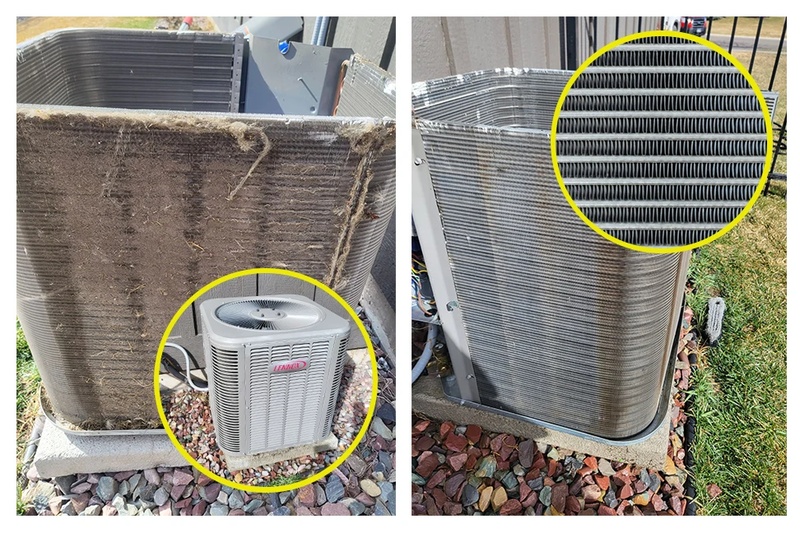
The evaporator coils are the best places where mold and bacteria grow and thus they are the main causes of odors in the air conditioners. Cleaning of these coils is more demanding yet it is necessary to remove stubborn odors.
These are the steps to clean coils:
To reach the evaporator coil, you need to take the access panel off your indoor unit. This normally involves unscrewing or clipping a couple of screws. Check your owner manual as they are all different by manufacturer and model.
Check the coil to see whether it has mold, dirt or slime. The state will dictate the cleaning procedure and the level of cleaning. Light dust may be treated in a different way as compared to heavy mold or large amounts of debris.
To do light cleaning, apply compressed air or a soft brush to clean the loose dust and debris. Work with the fins as opposed to damaging these fragile parts. The fins are very fragile and can easily be bent and block airflow.
To clean more thoroughly, apply a commercial no-rinse evaporator coil cleaner that is specifically formulated to air conditioners. These foaming cleaners dissolve the dirt and clean the surfaces without the need of water rinsing that may be hard in confined areas.
Cleaner can be applied by manufacturer instructions, usually by spraying the top and letting it drip down through the coil, taking debris with it. Use small container or absorbent materials to collect the runoff to avoid mess.
Wait till the coil has dried and then replace the access panel and continue working. Operation of the system with wet coil may lead to further growth of microbes and may also damage the system.
You might want to consider having a UV germicidal light that is mounted close to the coil as a continuous means of preventing microbial growth. The lights assist in avoiding the growth of molds and bacteria on the coil surface between cleaning.
Cleaning the Condensate Drain Line
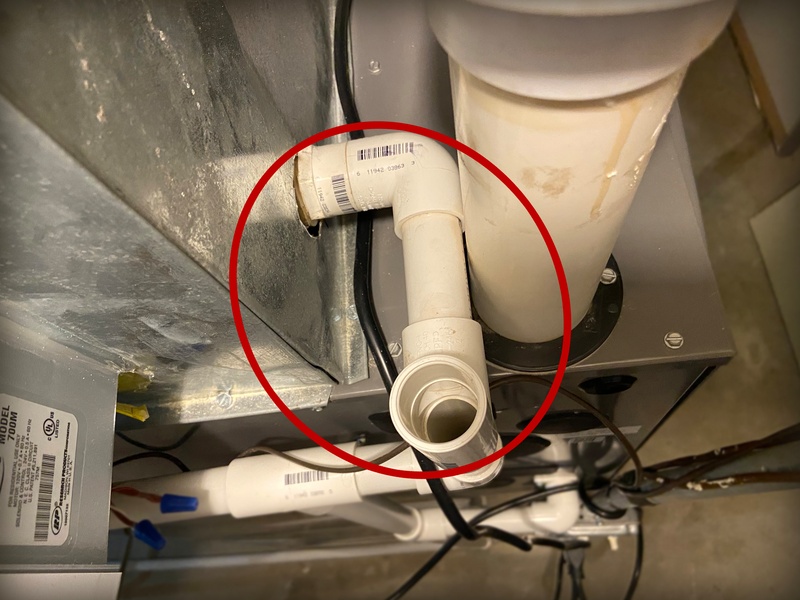
The most common source of musty odors is a clogged or dirty condensate drain line and may cause water damage.
This component is easy to maintain regularly and is very important in prevention of odor.
This is how you can clean it correctly:
Find the condensate drain line that usually leaves your house close to the outdoor unit. The access is normally indoors, close to the indoor unit where the drain pan is attached to the pipe. Here is where you will concentrate on cleaning.
Look at the drain pan to see whether it has standing water meaning that the line is clogged. Dispose of any debris that is visible in the pan and clean it using a disinfectant solution to kill any present bacteria.
Basic clogs: apply suction of a wet-dry vacuum to the end of the outdoor drain line. To get a better suction, seal the nozzle with a wet cloth. This will be able to drag out blockage-causing debris.
Alternatively, blow through the line with compressed air at the point of connection inside. Cover possible splashing zones because the dirty water can be pushed out of the outside end. Blow inwards and outwards never outwards and inwards.
To perform regular cleaning and to remove biofilm, pour 1 cup of white vinegar, bleach solution (1 part bleach to 10 parts water), or hydrogen peroxide into the drain line at the point of access inside the house. Leave the solution to rest in 30 minutes and rinse with water.
Put in a condensate drain line trap that can be easily cleaned out in the future.
These features are available in some newer units but they can be retrofitted to most existing systems by a professional.
You may want to consider safety float switch which will automatically turn off the air conditioner when the drain line is clogged. This will avoid water damage and will warn you of drainage problems before they can cause major odor problems.
Advanced Cleaning Methods for Persistent Odors
In cases where the simple cleaning fails to eliminate odor problems, deeper methods might be needed.
These new techniques are aimed at the removal of deeply rooted contaminants that lead to lasting odors.
These are some of the methods of dealing with odor problems that are stubborn:
Areas that are hard to reach manually can be reached by fogging the system with an EPA-approved disinfectant that is specifically designed to be used in HVAC systems.
This process entails the application of a fine mist of disinfectant by way of a fogger all through the ductwork and parts of the system.
Professional duct cleaning can be required in case the odors cannot be eliminated even after cleaning the visible parts. Dust and moisture may also build up over time in ductwork, which provides a perfect environment to grow mold, which causes odors.
UV light treatments that are installed in your system offer continuous sanitization since it destroys the DNA of microorganisms. The systems are especially efficient in the prevention of future mold and bacteria growth on coils and in drain pans.
Ozone treatment may be used to remove odors that are difficult to remove but it must be done by professionals in a controlled environment. Ozone is very effective in destroying odor causing compounds but it can be toxic to humans, pets and plants in case of poor management.
In extreme cases, it might be required to replace the entire components especially in older units where coils or insulation are saturated with contaminants. This option is expensive but in some cases more cost effective than frequent professional cleaning of highly contaminated parts.
Using Specialized Products for Air Conditioner Odors
There are different commercial products that are specifically meant to eliminate air conditioner odor.
Selecting the proper product to your particular smell problem can greatly enhance performance.
The following are some of the good alternatives:
Disinfectant-based evaporator coil cleaners do not only clean the dirt but also kill the microorganisms that cause odor. Seek EPA-registered products which list the ability to kill mold and bacteria that are prevalent in HVAC systems.
Tablets of condensate pan dissolve gradually in the drain pan without allowing the growth of algae, slime and bacteria within a period of up to three months. These tablets provide an easy-care method to avoid one of the most frequent causes of air conditioner odors.
Recommended Products and Their Applications
Knowing the products that are most effective in particular odor problems can be time and frustration saving.
The table below shows suggested types of products to be used to overcome common air conditioner odor issues:
| Product Type | Best For | Application Method | Duration of Effect |
|---|---|---|---|
| No-rinse coil cleaner | Musty odors from coils | Spray directly on coils | Until next contamination |
| Condensate tablets | Preventing drain odors | Place in drain pan | 2-3 months |
| HVAC disinfectant spray | General system sanitizing | Spray into return vent | 2-4 weeks |
| Carbon air filters | General odor reduction | Replace standard filter | 1-3 months |
| UV light system | Persistent mold issues | Professional installation | Continuous (bulb replacement yearly) |
Organic matter which causes odors is broken down by enzymatic cleaners instead of masking them. Such biologicals are especially useful in breaking down the biofilm that grows in drain pans and lines.
They are mostly environmental friendly and safe to be used indoors.
UV light systems are placed close to the evaporator coil and act as a constant defense against growth of mold and bacteria.
Although they are more costly than chemical methods initially, they are in the long run economical in preventing the odor and the only maintenance that is required is the replacement of the bulbs occasionally.
Activated carbon or other absorbent filter-type odor neutralizers can be used to capture and destroy the odor molecules before they are released into your house.
These are effective as supplemental action to more specific cleaning of odor source.
When to Call a Professional
Although most of the air conditioner odor problems can be solved by the DIY approach, there are some cases when it is better to turn to professionals.
The identification of the necessity to involve professionals may help to avoid damaging the system and keep it safe.
Professional assistance is to be considered in the following situations:
Odors that cannot be eliminated even after deep cleaning could be a sign of issues in the inaccessible parts or a problem with parts that cannot be serviced without special tools.
The professional technicians are able to carry out full system diagnostics to detect the hidden sources.
Smell of burning should not be overlooked since it is usually a sign of electrical issues that are likely to cause fires.
Switch off the system and call a certified HVAC technician immediately when you smell burning odors of your air conditioner.
Chemical or gas smell, especially the smell of rotten eggs that can signify a leak of refrigerant, should be dealt with by a professional immediately. Contemporary refrigerants are toxic and may be dangerous when released and must be dealt with by licensed technicians.
Odor problems in systems that are more than 10 years old may be helped by a professional evaluation to see whether it is more economical to repair or replace the system. Old systems tend to have several problems at a time which aggravate the odor.
Following floods or water damage, it is recommended to have the place cleaned professionally so that all the affected parts would be sanitized and dried.
The water damage might result in the growth of molds in the secret places that might not be identified by the DIY procedures.
How to Avoid Being Ripped Off and Get a Fair Repair Price
Finding the right AC repair expert can be tricky—some companies offer rock-bottom prices because they’re inexperienced or have poor reputations, while others charge far too much for the same work. That’s why the smartest way to get quality repairs at a fair price is to compare estimates from top-rated local pros. Meet with each, learn about their history and the experience of the technicians that will do the work. Choose an experienced AC repair contractor with reasonable rates. You can expedite this process by using our Free Local Estimates service.
When you fill out a quick form and submit it, you’ll soon be contacted by three of the top AC repair and installation companies near you. They are prescreened for experience, and all are licensed and insured for your protection. Click below to get started and protect your home and wallet today.

How to Get the Best HVAC Prices
- Firstly, keep in mind that installation quality is always the most important thing for residential HVAC project. So never sacrifice contractor quality for a lower price.
- Secondly, remember to look up the latest rebates as we talked above.
- Thirdly, ask for at least 3 bids before you make the decision. You can click here to get 3 free estimates from your local contractors, and this estimate already takes rebates and tax credit into consideration and filter unqualified contractors automatically.
Lastly, once you chose the right contractor, remember to use the tactics from this guide: Homeowners Tactics When Negotiating with HVAC Dealer to get the final best price.