If you want to install a mini split yourself, choose units with pre-charged line sets, clear DIY kits, or “Quick Connect” fittings. The list below highlights systems best for first-time DIYers, larger spaces, energy-conscious buyers, quiet operation, and smart-home control. Each pick notes who should choose it and one limitation to consider.
| Model | Best For | Key Feature |
|---|---|---|
| MRCOOL 5th Gen 12000 BTU | First-time DIYers | Pre-charged 25-ft Quick Connect line set |
| MRCOOL Easy Pro 18000 BTU | Larger rooms up to ~800 sq.ft. | Higher capacity, Easy Pro series DIY |
| GarveeHome 12000 BTU | DIYers with HVAC experience | Included DIY kit; pre-charged but vacuumize |
| ActiveTrail 12000 BTU | Energy-conscious DIYers | High SEER2, R32 refrigerant, pre-charged kit |
| YITAHOME 12000 BTU | Quiet operation and smart features | WiFi, 20 SEER2, silent performance |
MRCOOL 12000 BTU 5th Gen DIY

Features referenced: 12,000 BTU capacity; cools/heats up to 550 sq. ft.; 5th Generation DIY with pre-charged 25-foot Quick Connect line sets; low noise; designed for easy DIY installation without special tools.
Best for: homeowners who want a true DIY experience and limited HVAC tools. Chosen because the listed Quick Connect pre-charged line set reduces refrigerant handling and simplifies the install process.
- Choose this if you want minimal refrigerant work and faster installation.
- Avoid this if you need coverage for spaces larger than the specified area (about 550 sq. ft.).
Caution: The unit requires correct electrical supply and proper wall/condensing placement; follow the manufacturer guide for safety and performance.
MRCOOL Easy Pro 18000 BTU

Features referenced: 18,000 BTU capacity; heats/cools up to about 800 sq. ft.; Easy Pro Series designed for streamlined DIY installation; inverter technology for energy-efficient operation; quiet performance noted in features.
Best for: buyers needing higher capacity for larger rooms, garages, or open-plan areas. Selected because the Easy Pro line emphasizes DIY-friendly installation while offering greater capacity than typical single-room units.
- Best for larger spaces where a single higher-capacity unit is needed.
- Better for users comfortable with handling a larger outdoor unit footprint and higher electrical requirements.
Caution: Higher BTU models often require appropriate circuit capacity and may need professional electrical upgrades; verify home electrical compatibility before purchase.
GarveeHome 12000 BTU With DIY Kit

Don’t Overpay for HVAC Services – Call 888-894-0154 Now to Compare Local Quotes!
Features referenced: 12000 BTU, SEER 18.5 inverter technology, DIY installation kit including line sets, drain hose, remote, and step-by-step guide. Product notes pre-charged refrigerant but specifies the unit needs vacuumization during installation.
Best for: DIYers who have some HVAC experience and can follow vacuum and brazing procedures. Selected because it includes a full DIY kit and clear guidance, with higher SEER for efficiency.
- Choose this if you can perform vacuum and pressure checks or plan to hire a certified HVAC technician for those steps.
- Avoid this if you want a zero-refrigerant-touch installation.
Caution: Although pre-charged, the product notes vacuumization is required during installation; this step typically needs a gauge set and vacuum pump or a professional installer.
ActiveTrail 12000 BTU Smart WiFi Mini Split
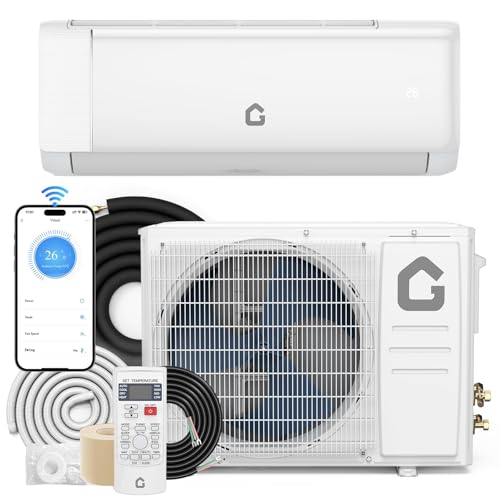
Features referenced: 12,000 BTU inverter unit for up to 750 sq. ft.; SEER 22 efficiency; R32 refrigerant; smart WiFi and remote; simple DIY install kit with pre-charged line sets, drain hose, and manual.
Best for: energy-conscious DIYers who want high efficiency and eco-friendlier refrigerant. Selected because of the higher SEER2 rating and explicit pre-charged kit aimed at DIY installs.
- Best for buyers seeking lower operating costs through high efficiency (SEER 22) and R32 refrigerant.
- Better for those who can follow the included manual for the DIY install or who will coordinate a professional for electrical hookup.
Caution: High-efficiency models may require correct airflow and placement to achieve listed SEER performance; follow manufacturer installation guidance carefully.
YITAHOME 12000 BTU WiFi-Enabled Mini Split
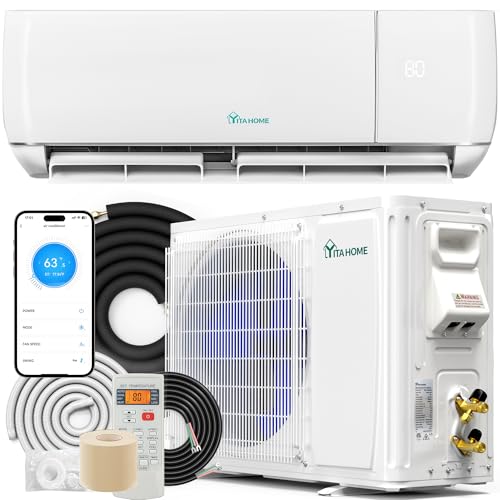
Features referenced: 12,000 BTU, 20 SEER2, covers up to 750 sq. ft.; WiFi-enabled and Alexa-compatible; five modes including auto/dry/heat/fan; silent performance below 41 dB; automatic defrost and self-diagnosis functions; complete installation kit included.
Best for: buyers who prioritize quiet operation and smart-home features. Selected for its balance of energy efficiency, quiet noise levels, and included installation kit that supports DIY or assisted installs.
- Choose this if silent operation and Alexa/WiFi control are important for bedrooms or living spaces.
- Avoid this if you require a higher-capacity unit for very large open areas beyond the stated coverage.
Caution: Quiet operation and smart features depend on proper installation and network setup; ensure stable WiFi coverage where the indoor unit will be placed.
Buying Guide
How Do I Match BTU To Room Size?
Choose BTU based on room square footage and usage. Smaller bedrooms typically need 9000–12000 BTU, while larger open rooms or combined spaces may need 18000 BTU or more. Refer to manufacturer coverage notes; many product listings specify approximate square feet served.
Do DIY Units Come With Pre-Charged Lines?
Many DIY-focused mini splits include pre-charged line sets or Quick Connect fittings to reduce refrigerant handling. Examples include MRCOOL Quick Connect and units that list pre-charged line sets in the kit. Some models still require vacuumization or final charging steps—read the product instructions carefully.
115V Or 230V: Which Should I Choose?
115V models can often plug into existing circuits and are common for single-room installs. 230V units can support higher-capacity systems and may require dedicated circuits. Verify your home’s circuit capacity and consult an electrician if unsure.
What Tools Or Skills Does A DIY Install Require?
Basic DIY installs may require a drill, level, wall saw or hole saw, wrenches, and knowledge of mounting brackets. Pre-charged Quick Connect systems reduce refrigerant tasks, but vacuum pumps or HVAC gauges may still be needed for some models. Follow the included installation manual and local code requirements.
How Important Is SEER2 / Efficiency?
Higher SEER2 ratings indicate better seasonal energy efficiency and lower operating costs over time. If you plan to run the unit continuously or in extreme seasons, a higher SEER2 (e.g., 20–22) can yield meaningful energy savings.
When Should I Hire A Professional?
Hire a professional if electrical upgrades are required, if vacuumization/brazing is needed and you lack tools, or when local regulations require licensed HVAC technicians for refrigerant handling or permits.
FAQ
Can I install a mini split myself? Many DIY-friendly models include pre-charged line sets and installation kits that simplify the process, but the level of difficulty varies by model and your skills.
Do DIY mini splits come pre-charged with refrigerant? Several DIY units include pre-charged line sets or Quick Connect lines, but some still require vacuumizing or final charge adjustments; check the product notes.
Will I need an electrician? Possibly. Some units operate on existing 115V circuits while higher-capacity or 230V units often need a dedicated circuit and a qualified electrician for safe installation.
Don’t Overpay for HVAC Services – Call 888-894-0154 Now to Compare Local Quotes!
Are smart features common on DIY units? Many modern DIY mini splits offer WiFi and voice assistant compatibility (Alexa/Google) as listed features, enabling app control and routines.
How do I choose between 12,000 BTU and 18,000 BTU? Use the room size guideline and heat load: 12,000 BTU commonly covers medium rooms (up to ~550–750 sq.ft. depending on model); 18,000 BTU suits larger or open areas up to ~800 sq.ft.
What refrigerant should I look for? Newer high-efficiency models often use R32, which some manufacturers list as a lower global-warming-potential option compared to older refrigerants; check each product spec for the refrigerant type.

How to Get the Best HVAC Prices
- Firstly, keep in mind that installation quality is always the most important thing for residential HVAC project. So never sacrifice contractor quality for a lower price.
- Secondly, remember to look up the latest rebates as we talked above.
- Thirdly, ask for at least 3 bids before you make the decision. You can click here to get 3 free estimates from your local contractors, and this estimate already takes rebates and tax credit into consideration and filter unqualified contractors automatically.
Lastly, once you chose the right contractor, remember to use the tactics from this guide: Homeowners Tactics When Negotiating with HVAC Dealer to get the final best price.