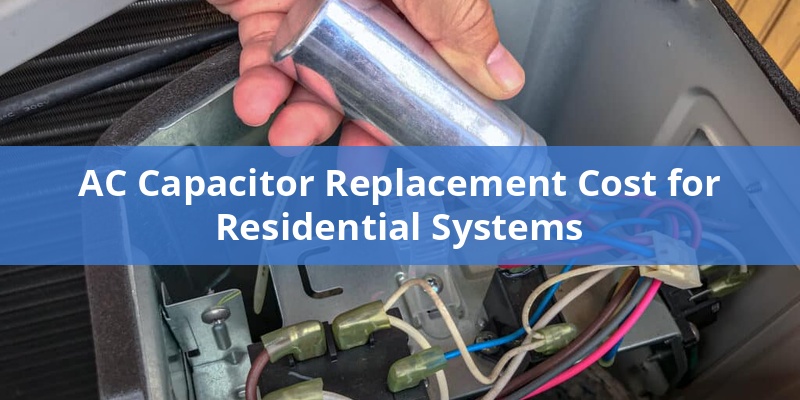
One of the cheaper HVAC repairs that a homeowner can do is to replace a bad air conditioner capacitor.
The average price of replacing the capacitor of residential AC in the United States is approximately 175 dollars with parts and labor.
The average amount of professional replacements is approximately between $100 and $250 in total. The price is however as low as ~$80 when you DIY (parts only) and as high as 300-400+ in some high-cost situations.
The capacitor part alone is typically only 10-50 dollars, with the rest of the cost being composed of labor and service charges.
Below is a quick overview of AC capacitor replacement costs:
| Cost Aspect | Estimated Price (USD) |
|---|---|
| Capacitor Part (Residential AC) | $10 – $50 (standard types) |
| High-End/OEM Capacitor Part | $60 – $140 (premium brands) |
| Professional Service (Total) | $100 – $250 (typical range) |
| National Average Total | $175 (parts + labor) |
| DIY Replacement (Part Only) | $30 – $80 (average DIY cost) |
| High-End Scenario | $300 – $400+ (premium part or emergency service) |
Understanding AC Capacitors and Why They Fail
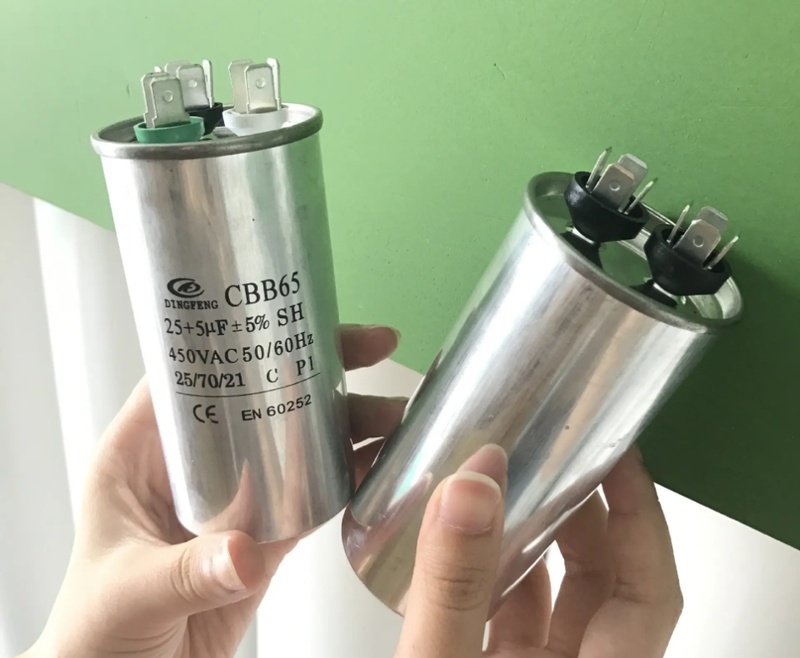
An AC capacitor is a small cylindrical object (typically located in the outdoor condenser unit) which stores and discharges electrical energy to start and operate the motors of the air conditioner. In a house central air conditioner or heat pump system, capacitors give the required electrical jolt to start the compressor, condenser fan, and blower motor and keep them running effectively.
It is like a battery that provides a jump-start whenever your AC switches on. When the capacitor is faulty, then the compressor and fan may not start at all and you will be left without cooling in your home.
Capacitors can deteriorate with age, heat and electrical stress. The average life of most AC capacitors is 10-20 years, although frequent cycling, high outdoor temperatures, or power surges may reduce the life of the capacitor.
The symptoms that you may observe when a capacitor is failing include the AC humming but not turning on, the fan blades not turning, warm air coming out of the vents, or the unit clicking on and off. Since a bad capacitor can totally kill your cooling, it is a matter of urgency to replace it when failure is established.
Luckily, capacitors are not very expensive parts in the first place. The component is usually priced at a few dollars to tens of dollars depending on the kind and specifications.
Don’t Overpay for HVAC Services – Call 888-894-0154 Now to Compare Local Quotes!
The biggest cost of replacing capacitors is typically the labor and service call of an HVAC technician which is 2-4 times the part cost. It is worth knowing about the various capacitors before discussing the details of cost as the type will determine the cost of the part as well as the procedure of replacement.
Types of AC Capacitors and Their Costs
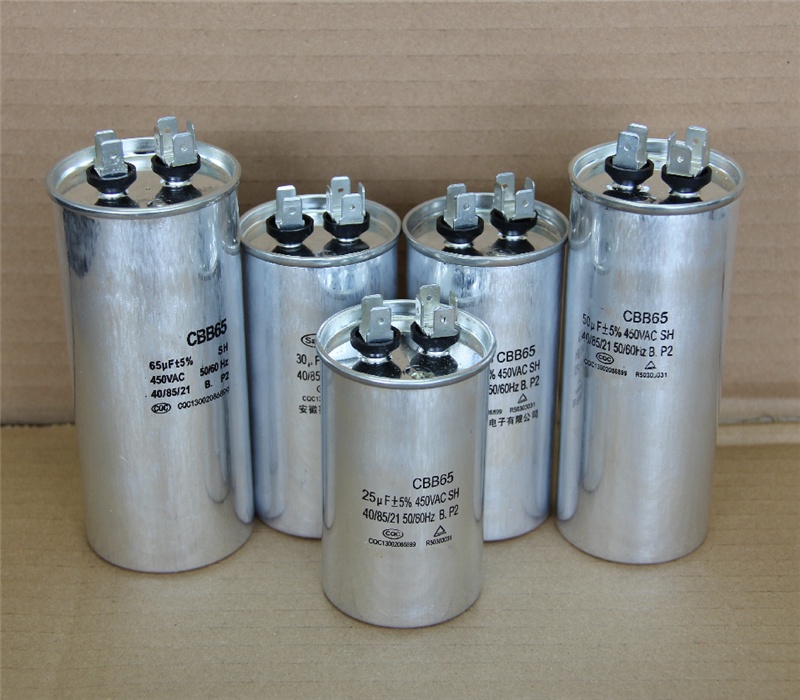
There are various types of capacitors that can be used in residential HVAC systems and these are primarily divided into start capacitors, run capacitors, or dual-run capacitors. Also, a furnace or air handler has an indoor blower motor that employs a capacitor.
The two types differ in their functions and cost a little:
- Run Capacitor: This capacitor supplies power to maintain the compressor and fan motors of the AC running even after the start up. It exists in almost all central ACs. The part of a typical single run capacitor (one motor) is about $5-$30. When installed by a professional, the cost is approximately 100-230 dollars including the labor.
- Start Capacitor: A start capacitor is used in certain systems to provide a little extra kick to start a heavy compressor, it delivers a short burst of energy and then disconnects. Most of the newer AC units lack a separate start capacitor unless a hard-start kit is installed. The price of a part is normally between 9 and 25 dollars. Installation: about 100-225 in total.
- Dual-Run Capacitor: A dual-run capacitor is found in most newer central AC systems and it is a single canister with two capacitors inside that run the compressor and the fan motor at the same time. This is space and wiring saving.
- Dual capacitors are bigger and slightly more expensive, typically costing about $15-45 in the part. With labor, a replacement of a dual capacitor costs approximately 105-245 dollars in most instances. When one part of a dual capacitor is broken, the entire component has to be changed.
- Blower Capacitor (Indoor Fan Capacitor): The smaller run capacitor on the blower motor of your furnace or air handler that moves air through your ducts is also called a blower capacitor. These are usually cheap, approximately 9-12 dollars per part. The cost of replacing an indoor blower capacitor by a technician may be approximately 100-212 dollars in total, just like an AC capacitor, because it requires labor.
- Heat Pump Capacitor: Heat pumps also use capacitors in the same way as air conditioners (usually a dual-run capacitor in the outdoor unit). The cost of a capacitor component of a heat pump is approximately 15-25 dollars and the overall cost of replacement is comparable to a dual capacitor: approximately 105-225 dollars installed.
To conclude, the majority of replacement AC capacitors (be it run, start, or dual) cost less than 50 dollars on the part. The following table is a summary of the average cost of replacing parts and professionals by type of capacitor:
| AC Capacitor Type | Part Price Range | Total Installed Cost* |
|---|---|---|
| Run Capacitor (single) | $8 – $30 | $98 – $230 |
| Start Capacitor | $9 – $25 | $99 – $225 |
| Dual-Run Capacitor | $15 – $45 | $105 – $245 |
| Blower/Furnace Capacitor | $9 – $12 | $99 – $212 |
| Heat Pump Capacitor | $15 – $25 | $105 – $225 |
*Total installed cost includes typical part + labor and service fees.
The unit cost of any AC capacitor tends to be significantly less than 50 dollars in the U.S. market as the table indicates. The labor is the main source of difference in the total cost.
A two run capacitor (bigger device that runs two motors) may be a few dollars more in the part than a single run capacitor, but the service call and labor will be close. The part price of even the largest capacitors of high-capacity units is normally less than $45 60.
Practically, labor and any extra charges will decide whether your replacement bill will be nearer to 100 or nearer to 250+ and this brings us to the cost breakdown.
Average Replacement Cost & Cost Breakdown
The average cost of a professional AC capacitor replacement is approximately between $150 and 250 among homeowners in the country. That is the service call, the diagnostic, the new capacitor and the labor to install.
Various sources estimate the national average to be about $175-180 in total on this repair. As an example, research by HomeGuide indicates an average cost range of between 100 and 250 dollars with 175 dollars as the median, and HomeAdvisor also indicates that most homeowners pay between 200 and 400 dollars with an average of 180 dollars (the upper end of the HomeAdvisor range may reflect premium situations or higher regional rates).
The total cost of replacing an AC capacitor can be divided into two primary parts, including the part cost and service/labor cost. These cost factors are broken down below:
| Cost Component | Typical Price (USD) |
|---|---|
| Capacitor Part (standard) | $10 – $50 |
| Capacitor Part (high-end brand) | $60 – $140 |
| HVAC Technician Labor | $90 – $200 |
| Service Call/Diagnostic Fee | $80 – $130 (often rolled into labor) |
| Total Replacement (typical) | $100 – $250 |
The capacitor component itself will cost only 10-30 dollars of the bill in most cases, the rest will be the time, knowledge and business overhead of the technician. HVAC businesses usually have a fixed fee (diagnostic fee) of approximately 100-129 dollars to simply come out and diagnose the problem.
This price may cover the initial hour of work. In the event that the technician identifies the capacitor as the problem and changes it on the spot, you will then pay the part and maybe some extra labor. The cost of labor of HVAC repairs is usually between approximately $90 to 200 a job, depending on the cost of labor in the area and the complexity or time-consuming nature of the replacement.
In total, in most cases, you should be ready to pay about 150-250 dollars in total to a professional to replace a simple capacitor. Depending on the lower end of your technician, you may only pay a total of $100-$150, but the more expensive HVAC companies or cost-of-living regions may cost up to $250-$300.
Prices beyond 300 dollars are normally only when you are paying a large premium such as a high-priced emergency service or an expensive OEM capacitor part. As a rule, the cost of labor and overhead constitutes 70-80 percent of the cost of replacing the capacitor, and the part is a small component.
It is worth mentioning that there are contractors who will give an all in price of the job. As an example, a flat rate of the entire capacitor replacement may be $250 in one company, and another may charge $100 diagnostics + $20 part + $130 labor.
In any case the total is likely to be in the same range. Never forget to inquire whether the diagnostic fee will be charged against the repair, and most of the reputable HVAC services will waive or roll the diagnostic fee into the repair bill in case you decide to go ahead with the repair.
DIY vs. Professional Replacement
Since the capacitor component is so cheap, the most important question is whether to hire a professional to do the job or to do a do-it-yourself replacement. With the right HVAC knowledge and safety measures, you can replace a capacitor by yourself at a cost as low as the cost of the part, which is usually between 15 and 80 dollars in total, a DIY project.
In comparison, the cost of employing a professional is about 150-250 dollars as discussed. That is, you may end up saving a few hundred dollars doing it yourself.
As an example, Sears Home Services says that a capacitor part is between 30 and 80 dollars, but a technician will charge approximately 200 dollars in total to provide and replace it. In the same way, Angi cost guide states that a capable homeowner can purchase a new capacitor and the tools required to do the job at about 60-100 dollars and replace it, thus avoiding the 200-300 dollars labor cost.
Don’t Overpay for HVAC Services – Call 888-894-0154 Now to Compare Local Quotes!
Such savings are tempting, but with caveats:
- Safety: AC capacitors hold high voltage electricity when the power is switched off. A charged capacitor can give a severe shock when you touch the terminals. Before removal, you have to know how to discharge the capacitor using insulated tools properly.
- There is also danger of electrical errors, damage of equipment or even the capacitor bursting in case of improper handling. Due to this, most professionals highly discourage DIY capacitor replacement unless you are a professional in electrical work.
- Warranty Issues: Most HVAC manufacturers will demand that a licensed professional do the repairs to maintain the warranty of your unit. When you install a non-approved part or wrong wiring, it may invalidate the remaining warranty on your AC.
- Your AC might be newer (less than 5-10 years old), and still have parts warranty, but typically only when done by a certified tech.
- Correct Diagnosis: What happens when it is not just the capacitor? When replacing a capacitor, HVAC techs will frequently check the rest of the system (such as a burned out fan motor or burned wires).
- A DIYer may change the capacitor and still the AC may not run because of some other fault. Professionals bring along with them the experience and equipment (such as multimeters) to test the capacitor and make sure that the root cause is dealt with.
- Time and Convenience: It takes a relatively short time to replace a capacitor (many pros can do it in 20 30 minutes). But unless you have done it previously, you will have to take time to research the process, get the right part and do the repair in a careful manner.
- In the process, your AC will be out of service and your house might become too hot. There are homeowners who appreciate the ease of having a pro do it quickly.
In short, DIY capacitor replacement may cost you only 20-50 dollars out of your own pocket (the cost of the part) but it is very dangerous and you can easily misdiagnose or make a mistake. Conversely, professional service is more expensive (~$150-$250), but you are paying to get quality, safety and confidence that the work will be done properly and with a warranty.
The recommended path to follow is to have a professional replacement, which is the case with most homeowners, particularly the ones who lack electrical experience. In the words of one HVAC technician, it is not worth the risk of injury or damage to save 100-200 dollars when you are not one hundred percent sure of the process.
But there is a compromise: some homeowners will buy the right capacitor themselves (usually on the Internet, where they cost 10-30 dollars) and then a technician will install it. This may occasionally cut a little on the markup.
The following section will talk about capacitor brands and the reason why the prices of parts may differ.
How to Avoid Being Ripped Off and Get a Fair AC Capacitor Replacement Price
It is not always easy to find a good expert in replacing the AC capacitor, there are companies that can offer the lowest prices, as they are inexperienced or have a low reputation, and there are companies that can offer too high prices to perform the same work.
That is why the best thing to do to get good repair at a reasonable price is to compare the estimates of the best-rated local professionals. Meet them, know about their background and experience of technicians who will do the job.
Select a repair contractor of AC capacitor replacement with affordable costs and experience. You may accelerate this process with the help of our Free Local Estimates.
By completing a short form and sending it, you will shortly receive a call by three of the best AC capacitor replacement and installation firms in your area. They are pre-screened in terms of experience and they are all licensed and insured to protect you.
Start now and secure your home and wallet by clicking below.
Common AC Capacitor Brands and Price Differences
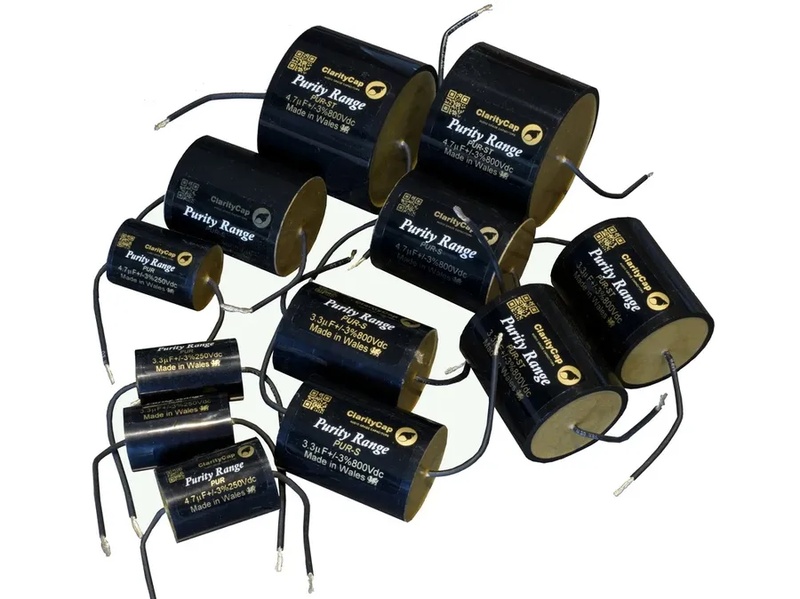
Capacitors are not made equal. Capacitors come in a wide variety of brands, with cheap generic brands to expensive heavy-duty brands. In residential HVAC, common brands of capacitors are Genteq (formerly GE Industrial, a common OEM brand used in units by Trane, Carrier, etc.), Packard, Titan Pro, Mars and AMRAD (American Radionics).
A large number of replacement capacitors are off-the-shelf, and are very cheap, usually between $5 and 20 for standard sizes, and are made in China.
Indeed, according to one of the discussions, a good brand-name capacitor must cost less than 20 dollars when buying it through an online store. Capacitors in the 35 80 microfarad range (typical of 2 5 ton AC units) are usually generic or budget-brand and fall in this price range.
At the other extreme, high-quality capacitors, or OEM (original equipment manufacturer) components may be expensive. As an example, AMRAD produces a series of USA-made capacitors (such as the Turbo series) that are of better quality and longer life – they can be $60 or more per unit.
According to HomeGuide statistics, the price of high-end branded capacitors ranges between 60-140 dollars or more, depending on the type. Such high-end units can include such features as improved internal material, longer life, or the capability to replace several sizes (in the case of so-called universal capacitors such as the Turbo 200).
Don’t Overpay for HVAC Services – Call 888-894-0154 Now to Compare Local Quotes!
Likewise, when you purchase a capacitor that is directly branded by an HVAC manufacturer (e.g. Carrier or Lennox OEM part), it may cost more than a generic equivalent.
It should be mentioned, though, that the difference in the performance of brands is typically slight to the homeowner. So long as the capacitor is within the specification (correct microfarad and voltage rating) needed by your AC, a cheap generic capacitor costing 15 dollars will usually put your AC back into service as well as a more expensive premium capacitor costing 60 dollars.
The lifetime might be different some HVAC technicians state that the cheaper capacitors might die a little earlier, particularly when heavily loaded or in hot conditions. High quality capacitors may boast of longer life or tolerance to heat. You may choose a more durable brand in case you live in a very hot climate or your capacitor broke down several times.
The HVAC companies may mark up the parts so the capacitor they put in may be charged at 30-80 dollars when it is a 15 dollar part. This is standard procedure because it includes handling and warranty that the company offers on the part.
You may inquire with the technician on the brand of capacitor that he/she is fitting. You may as well ask them to use a particular brand (some homeowners ask them to use an AMRAD or other high-end cap so it will last longer), but be warned that it may add to the cost of the part.
The brand will not significantly influence the overall cost of the service in the majority of the cases, however, the labor remains the prevailing factor. An expensive capacitor could cost an extra 20-50 dollars.
As an example, an upgrade of a unit to a high-quality OEM capacitor could cost a total of 300-400 dollars instead of 150-250 dollars, mainly because of the difference in the price of the part.
Additional Factors and Fees Affecting Cost
On top of the basic prices of the parts and labor, there are a number of other factors that may affect the final invoice of a capacitor replacement:
- Service Call / Diagnostic Fee: As stated, the majority of HVAC businesses will charge a service call fee to come out and diagnose the issue. This may be approximately 75 dollars to 150 dollars depending on the company and area.
- Other companies charge a flat diagnostic fee (e.g. 99) that includes the visit and trouble shooting and then add the repair cost on top. The diagnostic fee will be waived by others in case you authorize the repair.
- It is nice to explain this policy during scheduling service. Diagnostic charge is normally fixed regardless of whether the repair is a capacitor or otherwise.
- Labor Time and Difficulty: Most of the time, it is a fast task to change a capacitor (usually 15-30 minutes). However, in the case where the capacitor is in an inaccessible place, it may take time.
- As an example, electrical compartments of some units are tight or they are roof mounted or located in attic spaces which are hard to reach. The cost of labor can go up when the tech will have to take additional time to access the part or replace it safely. Very filthy or rusted units may also require more time to service.
- In general, however, the work involved in replacing a capacitor is very minimal compared to other HVAC repairs.
- Emergency or After-Hours Service: When your AC goes out in the middle of a hot summer night and you call in for emergency service, you will pay a premium.
- Most HVAC contractors will have an after-hours charge or an increased hourly rate at night, weekends or holidays. A visit to the emergency room would simply cost an extra of $50 to $150 on top of the usual price.
- During the peak summer months, daytime repairs may also be charged at a higher price because of demand. You can avoid these surcharges by waiting until normal business hours to have your capacitor.
- Climate and Usage: This does not directly affect the cost of repair, but it should be noted that capacitors fail more frequently in hot climates (Southern U.S., etc.), and HVAC companies in those regions may have a slightly different pricing model.
- During heat waves, the prices may increase due to high demand. On the other hand, during off-season or in cooler regions, you may get competitive prices or discounts.
- AC Unit Size and Type: Bigger AC systems (larger houses) tend to have a higher microfarad rating capacitors. These are slightly higher.
- As an example, a 5-ton AC may have a 80/7.5 0F dual capacitor that may be slightly more expensive than a 45/5 0F cap on a 2.5-ton unit. According to Today Homeowner, the high-end AC brands and bigger systems might require more costly capacitors.
- In the majority of cases the difference is not enormous (perhaps a difference of a few dollars in part price), but it is a consideration. The nature of the system also counts, the capacitor of a simple window AC unit is much cheaper and easier to replace than the capacitor of a complex dual-fuel heat pump system, to give an example.
- Warranty Coverage: In case your air conditioner is not so old, look at your warranty. Most AC units are sold with a 5-year or 10-year parts warranty (which may be extended in case the unit was registered during installation).
- In case your capacitor is defective within the warranty period, then the manufacturer may supply the part free of charge. You will however still pay the labor of installation, as labor is hardly ever covered after the first year.
- The usual case is that you pay the service call (say 100 dollars) and the technician gets a warranty replacement capacitor free, so you may only pay that 100 dollars. Whenever you think a part is under warranty, always tell the HVAC company so that they can check and process it, as it may save you the price of the part.
- Several Components or Other Repairs: In some cases a bad capacitor can be accompanied by other problems. Technicians are not unheard of replacing the capacitor during another repair, such as a condenser fan motor replacement (in fact, condenser fan motor replacements are usually done with a new capacitor included as a matter of course).
- The additional cost of the capacitor component is minimal in case you are already paying a higher amount to get a bigger repair. On the other hand, when the tech discovers other faulty parts in the course of the call, you may be charged more than the capacitor, but the additional charges will be on the other parts/labor.
- Concisely, the situation of the repair may also determine whether you are paying only a capacitor or a larger cost.
In general, in case of a simple replacement of a capacitor, the additional costs that should be considered are the service call and after-hours charges. During normal business hours and in a non-emergency case, you should be able to match the averages provided with your costs.
Never accept a total price without the breakdown (part, labor, etc.) particularly when the total appears to be high. Being aware of the common prices e.g. that the capacitor part is cheap can assist you in doubting any quote that appears to be too high. As an example, when you get a quote of over 400 dollars to replace a capacitor in normal circumstances, then that is on the upper side of the scale and you might want to get a second opinion.
Tips to Save Money on AC Capacitor Replacement
Although this is typically a fairly inexpensive repair, there are a couple of things that penny-pinching homeowners can do to save on AC capacitor replacement:
- Spot the Problem Before It Spots You: Be on the lookout when you have early indicators of a bad capacitor (faint humming, hard starting, etc.). When you fix it before it completely breaks, you can have it serviced at a time convenient to you rather than having to shell out money to have it serviced on an emergency basis when the AC breaks down on a 100 degree day.
- It is also possible to avoid additional damages by turning off the AC when the first problems appear, as running an AC with a bad capacitor may overheat motors and cause even more significant repairs.
- Repairs during Off-Peak Season: Wherever feasible, have your HVAC service done during spring or fall. HVAC companies are less occupied during mild seasons and some of them may be willing to lower their rates or give off-season discounts.
- You also have fewer chances of being subjected to long queues or emergency charges. Naturally, you can not always decide when your capacitor is going to give out, but in case your AC is hobbling along and cooler weather is just around the corner, you may get by and replace the capacitor during the off-season.
- Purchase the Capacitor: In case you are not afraid of finding the right capacitor (the one with the same µF and voltage), you can buy it at an appliance parts store or online at a low price.
- AC capacitors are available in many hardware stores and online retailers at a price of between 10-30 dollars. The part markup can be removed sometimes when the part is in hand of the technician.
- Angi professionals recommend purchasing the capacitor yourself to save on money- just make sure that it fits your AC specifications. Ask your HVAC company, some will install parts supplied by the customer, others will want to use their own (especially when the work is warranted).
- Maintenance Plans or Memberships: In case your HVAC company has an annual maintenance plan, it may cover the cost of replacing the capacitor at no cost or a reduced price. Most of the plans offer free check-ups and do not charge members on service calls.
- Likewise, you may get a small discount by being loyal to a company (or using the same company that installed your system). You can consider it in case you have an older AC that is likely to have problems.
- Get Several Quotes: Provided you have time, call two or three HVAC providers to get quotes. Replacing capacitors is a very standard job and most companies will be able to give you a ball park figure on the phone.
- Comparing rates can make sure that you are not paying too much. Quotes have been received by homeowners as low as 150 to as high as 400+ on the same capacitor job so it does pay to shop around in case you feel a quote is too high.
In short: The repair of an AC capacitor in a residential system is a fairly minor job, usually costing a few hundred dollars or less. Knowing how much it costs (the cheap bit, the labor and the fees) and what you can do (DIY, select the part, time the service) will allow you to make an informed decision and possibly save on the cost.
Either way, replacing your cooling by installing that new capacitor will save your compressor and fan motors and make your AC work efficiently during the hot summer months.

How to Get the Best HVAC Prices
- Firstly, keep in mind that installation quality is always the most important thing for residential HVAC project. So never sacrifice contractor quality for a lower price.
- Secondly, remember to look up the latest rebates as we talked above.
- Thirdly, ask for at least 3 bids before you make the decision. You can click here to get 3 free estimates from your local contractors, and this estimate already takes rebates and tax credit into consideration and filter unqualified contractors automatically.
Lastly, once you chose the right contractor, remember to use the tactics from this guide: Homeowners Tactics When Negotiating with HVAC Dealer to get the final best price.