A leaking air conditioner in the house may be worrying and disturbing. It can cause moisture damage, mold growth and poor cooling. Homeowners can prevent the problem and remain comfortable by being aware of its underlying causes and knowing how to solve it in practice.
This article provides the general causes of water leaks, symptoms that show that something is wrong, and self-help tips on how to maintain. It also points out the time to seek professional help. Any person can easily fix leaks and keep an air conditioning system efficient and reliable with the appropriate knowledge.
| Common Causes | Quick Solutions |
|---|---|
| Clogged Condensate Drain | Clear The Drain Line |
| Frozen Evaporator Coil | Check Airflow & Refrigerant |
| Damaged Drain Pan | Repair Or Replace |
| Dirty Air Filters | Clean/Replace Monthly |
Common Causes Of Air Conditioner Leaking Water Inside
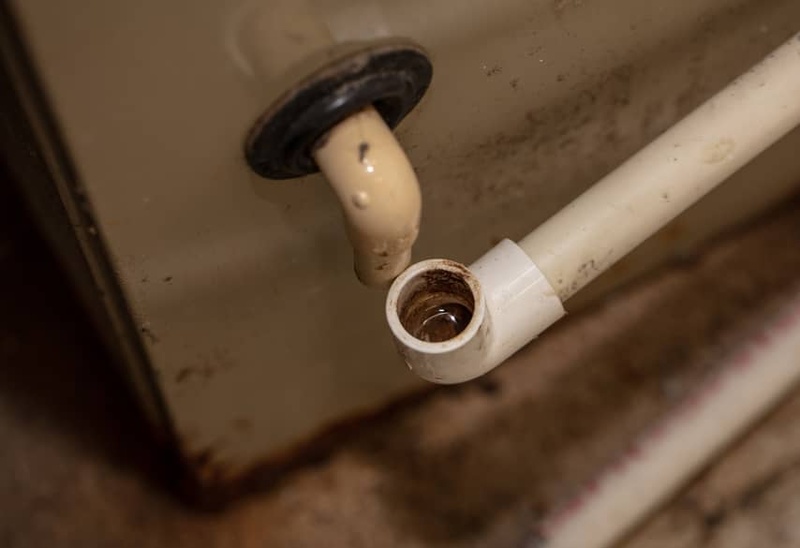
A clogged condensate drain is one of the common causes of water leaking out of an air conditioning unit. The drain line can also be clogged with dirt, debris, and even mold over time. Once this occurs, water will be backed up and will eventually spill into the indoor unit.
Blockages can be avoided by regularly cleaning the drain line. When not dealt with, water may leak into the walls, the floor, and other areas of the house causing expensive damages. Early prevention of clogs is important in ensuring that the system is running smoothly.
The other possible suspect is a broken or rusted drain pan. The evaporator coil is located below the drain pan, which is meant to gather and drain off condensation. It may rust or crack with time since it is always exposed to moisture.
A tiny crack is enough to cause leakage of water. This can be fixed by replacing the drain pan or by sealing it. Regular pan cleaning prolongs the life of the system and prevents water damages.
Leaks can also be caused by a frozen evaporator coil. The coil also gets ice when it is frozen by the lack of airflow or low refrigerant. Due to the melting of the ice, there can be too much water that can spill over the condensate pan.
It is important to find and correct the cause of the freeze, e.g. dirty filters or low refrigerant. The possibility of a coil freeze and consequent leaks can be significantly minimized by monitoring the level of refrigerants and maintaining the appropriate airflow.
In some cases, water leakage may be aggravated by excess humidity in the air. In areas that are humid, the air conditioner is required to process a lot of moisture. The unit might not be able to dehumidify properly in case it is undersized or not operating at its best.
The extra moisture condenses in places that are not expected. Humidity issues can be solved by checking the capacity of the system and making sure that the speed of the blower is adequate to prevent the possibility of water leaks inside the building.
Don’t Overpay for HVAC Services – Call 888-894-0154 Now to Compare Local Quotes!
Also, clogged or dirty air filters are the major cause of water leaks. Obstruction of filters leads to impairment of airflow and this may result in the evaporator coil falling below freezing. As said, any ice accumulation will melt, filling the drain pan.
It is necessary to check and replace filters periodically. Depending on the situation, changing the filters every month or every three months is often enough, although people living in dusty or pet-friendly households might need to change filters more often.
Signs And Symptoms Of A Water Leak In The AC System
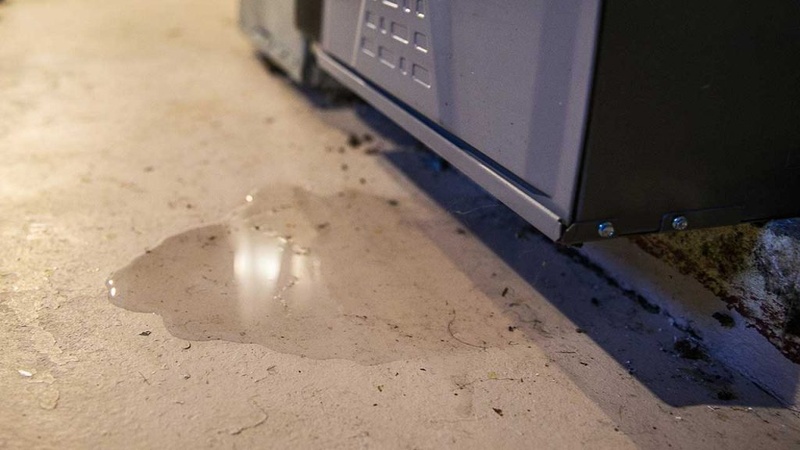
An obvious sign of an impending problem is evident water puddles around the interior HVAC unit. Even minor puddles can be an indication of an emerging problem. The homeowner ought to examine the presence of any wet areas at the bottom of the unit or on the surrounding surfaces.
Minor leaks should not be ignored since they may develop into bigger problems such as damaged building materials and possible growth of mold. Prevention can be very cost effective in repairing damages.
A musty or moldy smell is also another symptom when the air conditioner is on. Standing water or wetness may provide a breeding ground of mold. These spores of molds are then spread through the air supply of the home, which may cause health issues.
By checking and fixing a water leak immediately an abnormal smell is noticed, one will be able to keep the indoor air quality good and the living environment healthier.
Other people observe a reduction in cooling capacity when there is a leakage of water. The inability of condensation to drain may interfere with the capacity of the system to eliminate heat in the air. Consequently, the AC can have longer cycles or it can not achieve the desired temperature.
There is also the possibility of higher energy bills because of the unit working overtime. Noticing any cooling inefficiencies may be a crucial indication that there are water problems on the horizon.
In case the air conditioner experiences a repeated on-and-off cycling (short-cycling), it may be associated with water leaks or frozen coil. Short-cycling also wears out the system and does not allow dehumidification. It may be due to a blocked filter, low refrigerant, or a blocked drain line, which in most cases leads to water leaking out of its channels.
By dealing with these triggers, short-cycling can be eradicated and the life of the equipment preserved.
Another less apparent indication is the presence of high humidity in the house. In case the AC system does not condense and eliminate moisture effectively, the air inside a building may become clammy, particularly during summer. High humidity promotes the growth of mold, rotting of structures, and discomfort.
The owners of the house may observe condensed windows or a humid environment, which may be an indication of a leakage. The most important thing is to take measures to guarantee good drainage and humidity.
DIY Troubleshooting And Maintenance

Homeowners may use some basic troubleshooting methods to control leaks before calling a professional. Clearing the condensate drain is one of the effective measures. This may be achieved by finding the drain line close to the indoor unit and clearing any visible obstruction and flushing the line with a mild mixture of water and vinegar.
Regular cleaning will avoid clogs and ensure that the system is running well. It is essential to be regular, do this exercise every several months.
Another important DIY measure is to change or clean air filters regularly. A clogged filter makes the system to strain and there is likelihood of coil freezing. It is advisable to change filters once every month during the high use periods.
When the filter appears to be too dirty, it is better to change it than to take a chance of having less airflow and possible water leakage. This is a cheap and fast solution that will have a great impact on the load on the AC system.
In some cases, it is possible to detect the problems that are not obvious by looking at the drain pan. The drain pan must not have rust or cracks. When rust is involved, a special sealant may prolong its life, but when rust is serious, a new pan is usually in order.
A small crack can be repaired using a waterproof epoxy or silicone based sealant. This can be avoided by regularly checking to ensure that minor problems do not develop into large water damages under the unit or in other buildings.
In case of suspected frozen evaporator coil, switch off the system and leave it to thaw. To accelerate the thawing process, run the fan-only mode. Once the ice has melted, make sure to look at the potential causes, including the clogged filters, blocked vents, or low refrigerant.
Some of the airflow issues can be resolved by ensuring that there are no furniture or other obstructions in the way of the return vents and supply vents. Although some of the refrigerant problems need the assistance of a professional, the homeowner can take care of the simple airflow solutions.
Don’t Overpay for HVAC Services – Call 888-894-0154 Now to Compare Local Quotes!
In case you want to reduce the humidity, a standalone dehumidifier or a change in the speed of the AC fan may be useful. Make sure that the fan of the system is not always on because it may blow off the moisture on the coil before it is drained.
Rather, the fan can be switched to the AUTO mode, which enables the fan to run only when cooling is taking place and condensation can drip into the drain pan. Minor modifications can make a lot of difference in avoiding water build-up.
When To Contact A Professional
Although DIY solutions may be useful, there are cases when professional HVAC knowledge is needed. In case the owner of the house suspects the leakage of the refrigerant or observes that the unit is always freezing, a licensed technician must be called.
The wrong refrigerant level does not only cause water leakage but also decreases the cooling capacity of the system and may ruin the compressor. A technician is able to check the amount of refrigerant, seal the leaks and recharge the system to the maximum.
Constant leakages that recur even after simple repair are also worth the attention of the expert. This may be a sign of a more serious issue like a broken condensate pump or a drain line that is not installed correctly. A technician has the equipment to identify complex problems, e.g. worn out pump components or bent drain pipes and to make sure that all the components of the drainage system are properly aligned so as to prevent recurrent overflows.
In case some significant parts of the system are rusted or corroded, a thorough check is recommended. A lot of rust may indicate that several parts of the system are damaged, such as the drain pan, the coil housing, or other important parts.
In such instances, replacement may be required partially or fully. An HVAC expert will be able to determine the cost-effectiveness of repairing the system or replacing it, which will help homeowners make a decision that will last a long time.
Diagnosis of leaks is difficult in houses with complex ductwork or attic installations. Water may flow in ducts or beams and then appear in an observable location. Professionals will be able to determine the source of the problem, detect the damage that is not visible and suggest specific repairs.
When you depend on expertise, you save time and avoid additional structural complications because of trial-and-error. The help of professionals is an investment in the AC unit and the integrity of the house.
Lastly, when the homeowner feels unsafe doing things such as unclogging a blocked drain or working with mechanical components, then it is advisable to avoid any possible hazards and call an expert technician. HVAC systems have electrical parts and sensitive components that may be destroyed by mishandling.
A professional will avoid accidents, save warranties, and make sure that repairs are made properly the first time.
How to Avoid Being Ripped Off and Get a Fair Repair Price
Locating the best AC repair specialist is not always easy, some of the firms are selling at rock bottom prices due to inexperience or bad reputation and others are selling way too high on the same job. This is why the best idea to get a good repair at a reasonable price is to compare the estimates of the best-rated local professionals.
Visit each of them, get to know their history, and the experience of the technicians, who will perform the work. Select an AC repair contractor who has been in the business long enough and has fair prices. You may speed up this process with the help of our Free Local Estimates service.
All you have to do is fill out a short form and send it, and you will shortly receive a call by three of the best AC repair and installation companies in your area. They are pre-screened in terms of experience and they are all licensed and insured to protect you.
Click below to start and secure your home and wallet today.
Don’t Overpay for HVAC Services – Call 888-894-0154 Now to Compare Local Quotes!
Cost Considerations And Warranties
In the case of an air conditioner that is leaking water indoors, the prices depend on the cause of the problem and the difficulty of the repair. A simple clog in the condensate drain can be fixed with little cost, particularly when the homeowners do it themselves.
Conversely, major repairs, such as replacing a cracked drain pan or fixing refrigerant leaks, may involve professional labor and special parts, which can increase the cost.
The homeowners ought to determine whether their system is still under warranty. Most of the new AC models are sold with warranties on some of their parts within a given time. In case the leakage is associated with the failure of a component, such as a faulty coil or a faulty part, the warranty may cover the repair expenses.
It is important to maintain records such as purchase and service records to ensure that the warranty claim procedure is smooth in case of covered problems.
In other situations, the cost management can be better with the help of preventive maintenance plans proposed by HVAC contractors. Such service contracts can involve seasonal inspections, reduced repairs and priority booking.
With regular servicing of the unit, the small issues are detected before they become big and this prevents the costly emergency calls. Maintenance plan may be more cost effective in the long-term since it extends the life of the system and keeps it efficient.
Although cost may tempt some homeowners to forego professional assistance, the cost of repair that is not done on time usually ends up being more expensive. The leakage of water can cause a lot of damage to the ceilings, walls and floors when the cause of the leakage is not attended to.
Moreover, the cost of mold remediation may become outrageous in case of moisture problems. Taking care of water leakage before it happens will protect the house and avoid the scenario of the problem becoming an even greater financial loss.
Homeowners can also get competitive prices by comparing quotes of various HVAC contractors. It is also advisable to obtain at least two or three estimates whereby the reputation, certifications and experience of the provider should be satisfactory.
It is not always the cheapest that is the best choice because quality workmanship and customer service that can be relied on is of long term value. Paying a little extra to hire a good contractor may be worth the headache and more reliable repairs.
Preventive Measures For A Leak-Free Home
The most effective way to prevent water leakage of an air conditioner indoors is a regular maintenance program. Professional inspection at least once a year will make sure that the drain line is clear, the evaporator coil is clean and the refrigerant is at the right level.
Preventive inspections enable the technicians to detect the initial signs of wear or damage to ensure that the problems are corrected before they lead to serious leaks. A small maintenance is worth a lot.
In hot or humid climates, homeowners are advised to check the level of humidity in the house. It is usually advised that indoor humidity should be maintained at less than 60 percent to deter the accumulation of condensation.
With the help of a hygrometer, it is possible to monitor the change in humidity and adjust it, e.g., by installing dehumidifiers or changing the AC settings. The system is less stressed to deal with excessive water since the environment is controlled in terms of moisture thus reducing the chances of leakages.
Regular replacement of filters is a cheap and simple preventive mechanism. Clean filters guarantee maximum airflow across the evaporator coil, which enables the coil to keep the correct temperature and avoid freeze-ups.
In addition to avoiding leaks, improved airflow will save energy and make the indoor environment more comfortable. This is one task that should not be forgotten and it can be prevented by creating a filter replacement schedule or setting reminders.
Another important prevention tip is to ensure that proper installation is done. When installing, the professionals are supposed to ensure that the AC is properly sized to the cooling requirements of the home, the condensate drain line is properly pitched and installed and that the connections are sealed.
Poor installation of a unit may result in frequent water problems that require constant repair. A quality installation is confirmed to provide a stable base of the whole system life.
Lastly, small problems should be dealt with immediately, which is a great difference in avoiding leaks. When a homeowner hears some strange sounds, warm air, or a little dripping, it is prudent to check immediately.
Immediate response reduces losses, minimizes expenses, and ensures a comfortable environment. A few basic steps, such as caulking minor cracks or reattaching loose drain pipes, can prevent a minor issue to grow into a full-fledged leakage crisis.
Frequently Asked Questions About AC Water Leaks
Why does my AC suddenly leak water? Leaks that come suddenly may be a sign of a clogged drain line or a frozen coil. When the drain line is clogged, there is no place where water can flow and it spills. Alternatively, a frozen coil may thaw and result in sudden influx of water.
The first steps of the problem are usually checking whether there are blockages and thawing the coil. In case the problem continues, professional assistance can be required.
Is it possible that a filthy air filter can lead to water leaks? Yes, a blocked air filter may impede airflow over the evaporator coil, and this may become lower than the freezing point. After the formation and melting of ice, the surplus water may flood the drain pan and cause spillage.
Regular replacement of the filter will maintain the right airflow and prevent freezing of coils, which causes leaks.
What happens when my drain pan is a bit cracked? A small crack is able to be filled with a waterproof epoxy or silicone based sealant. But when the pan is too rusted or the crack is too big, then it is advisable to replace it.
It is possible to leave a damaged pan and this may cause additional corrosion and greater damage. A new pan or professional repair will make sure that water will go to the drain line and will not leak inside.
Does water leakage indicate low levels of refrigerants? It may be. Refrigerant that is low may lead to the freezing of the evaporator coil. The coil may eventually thaw and cause an overflow of water into the pan and cause leaks.
A certified technician is able to test the level of the refrigerant, fix the leakage and recharge the system when necessary. The timely solution of a refrigerant problem will save the compressor and make the AC work more efficiently.
Will a large AC unit lead to increased water leakages? Potentially, yes. A large unit will cool the house quickly and will have shorter cycles, which means it will have less dehumidification capacity. When the dehumidification is not enough, additional moisture can be created and cause condensation issues.
Poor sizing may also overload the system, which raises the chances of mechanical problems. A visit to an HVAC expert will also guarantee that the AC is appropriately sized to fit the area.
How frequently are professional maintenance to be scheduled? An AC system is ideally supposed to have a checkup once or twice a year usually before and after the cooling season. This assists in making sure that everything is at its best.
Professional maintenance involves cleaning the coils, inspecting the drain lines, gauging the level of refrigerant and inspecting the electrical connections. These measures significantly minimize the possibility of water leaks and increase the life span of the system.
Can I operate my AC when it is leaking water? In the majority of the situations, the further use of a leaking AC can even raise the danger of additional harm. Water can either destroy electrical equipment or penetrate building materials of the house.
The safest thing is to switch off the unit and find out the cause. In case the homeowner does not know the cause, it is advisable to call a professional technician to avoid the dangers and make the necessary repairs.

How to Get the Best HVAC Prices
- Firstly, keep in mind that installation quality is always the most important thing for residential HVAC project. So never sacrifice contractor quality for a lower price.
- Secondly, remember to look up the latest rebates as we talked above.
- Thirdly, ask for at least 3 bids before you make the decision. You can click here to get 3 free estimates from your local contractors, and this estimate already takes rebates and tax credit into consideration and filter unqualified contractors automatically.
Lastly, once you chose the right contractor, remember to use the tactics from this guide: Homeowners Tactics When Negotiating with HVAC Dealer to get the final best price.