This article gives some important information on why a window air conditioner may continue to run but fail to blow cold air. It discusses common causes, necessary troubleshooting procedures, and common maintenance advice.
When an air conditioner does not cool well, it may be due to a clogged filter, bad thermostat or low refrigerant. These issues can be solved in time to prolong the life of the unit and enhance general comfort. The U.S. Department of Energy notes that regular maintenance is the key to energy efficiency and performance.
Common Causes Of Insufficient Cooling

There are a number of reasons that may hinder a window air conditioner to provide the desired cold airflow. The filters, coils, thermostats, and refrigerant lines are all components that should be functioning at their best to cool an interior environment.
Early detection of the cause of inefficiency enables one to find specific solutions and prevent bigger issues.
Dirty Air Filter
An air filter is very important in capturing dust, pollen and other air particles. These pollutants build up with time and clog the airflow, which makes the system strain more. A very dirty filter may decrease cooling capacity by 15 percent.
This pressure can result in increased energy usage, increased internal wear and ultimately poor cooling.
Most of the time, the filter should be cleaned or replaced once a month or two. The filter may have to be replaced more often by homeowners who live in dusty conditions or have pets. One of the easiest methods of ensuring that there is a constant flow of cold air is by ensuring that the filter is clean.
Clogged Condenser Coils
The condenser coils help in the process of heat dissipation. When they are filled with dirt, grime or debris, the air conditioner will find it hard to get rid of the heat. Consequently, the indoor environment might be warm even when the unit is on.
It is advisable to remove the unit out of the window so that it can be cleaned thoroughly at least once a year. Rust or damage to coil fins can be avoided by simply brushing or rinsing the coils. In severely clogged coils, a special coil cleaner might be required to clean the coils and allow efficient heat exchange.
Refrigerant Leaks
Refrigerant is necessary to absorb and release heat in the cooling process. The decrease of the level of the refrigerant usually results in poor cooling or warm airflow. The accumulation of ice on the evaporator coils is one of the indicators and this may further affect performance.
Don’t Overpay for HVAC Services – Call 888-894-0154 Now to Compare Local Quotes!
The leaks may occur in many places including the evaporator coil, the condenser coil, or the connecting pipes. Refrigerant can only be handled by certified HVAC technicians.
They are able to diagnose, seal the leakage and recharge the system to the recommended levels. The further use of a leaking unit may break internal parts and aggravate energy consumption.
Faulty Thermostat Or Temperature Sensor
The temperature sensor, also known as thermostat, indicates the compressor to start or stop. In case of failure of this sensor, the air conditioner might not cool accordingly. In other instances, a faulty sensor may lead to inaccurate temperature readings, and this will not allow the compressor to cycle accordingly.
An efficient thermostat will make the system operate until the required room temperature is attained. In case the unit runs continuously without producing cold air, the wiring of the sensor and thermostat should be one of the first steps to troubleshoot. A bad or old thermostat can be replaced to bring back steady performance.
Motor Or Fan Blade Problems
The circulating fan passes the air over the evaporator coil and cool air is released into the room. In case of a failure of this fan or in case of loose blades, the airflow becomes weak, and cooling becomes less. The rattling sounds or vibrations that are unusual are usually indicative of the fan problems.
Checking the fan motor to see whether it is worn out and ensuring that the blades are fastened and balanced is a preventive measure that is cost effective. Immediate response to abnormal noises may allow avoiding more serious internal damage, including bent fins or broken motor mounts.
Incorrect Sizing
The air conditioner should be a window type and it should be equivalent to the square footage of the room. A unit which is too small can be operating all the time and still fail to reach the desired temperature. On the other hand, an oversized model can be switched on and off too frequently resulting in poor humidity control.
It is important to choose a unit that is of the right size depending on the size of the room and its usage.
The suggested rule of thumb prior to buying is approximately 20 British Thermal Units (BTUs) per square foot. But other factors like the orientation of windows and the level of insulation may require adjustment of BTU calculation. A precise match can be done by consulting size charts or professional resources.
Essential Troubleshooting Steps
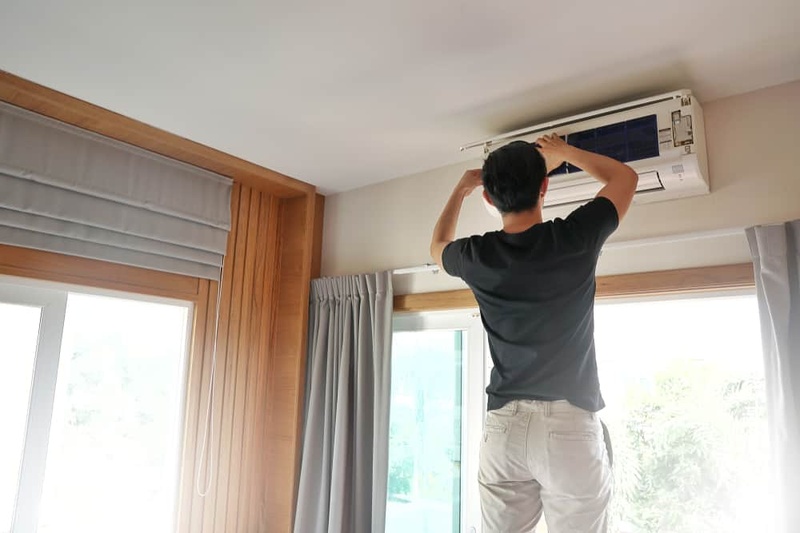
A simple troubleshooting may be able to fix the problem when a window air conditioner is running but not blowing cold air. It is possible to save money and time by first attending to the easier problems like cleaning of filters and checking the power source of the unit.
- Step 1: Ensure that the thermostat is on cool and the thermostat is set to a lower temperature than the room temperature.
- Step 2: Look at the breaker or fuse box to make sure that the circuit is not tripped or blown a fuse.
- Step 3: Check whether there are strange noises indicating fan or motor problems. Make sure that the fan is rotating freely.
- Step 4: Check the filter and condenser coils to see whether they are dirty. Replace or clean parts as necessary, if dirty.
- Step 5: Check whether there are signs of ice accumulation in the interior of the unit. Ice may be a sign of low refrigerant or poor airflow.
In case these initial checks do not help to restore cooling, additional diagnosis is probably required. In this case, the use of special equipment or the skills of a professional technician will allow isolating the root cause in a short time.
Regular Maintenance Tips
Regular maintenance is essential in extending the life span of a window air conditioner. Preventive actions minimize the risk of unexpected failures and ensure energy-saving. A unit that is well maintained can also offer healthier indoor air since it can filter pollutants.
- Filter Cleaning: Clean or replace the filter on a regular basis, particularly during the high usage time in warmer months.
- Drain Pan Maintenance: Make sure the drain pan is clear of mold or debris that may limit water flow and result in overflows.
- Coil Maintenance: Maintain the evaporator and condenser coils clean to maintain efficient heat transfer.
- Check Seals: Look at the seal between the window frame and the air conditioner. The gaps may enable warm air and pests to get in.
- Storage: Keep the unit in good storage during off-seasons to reduce the amount of dust that accumulates and the damage that may occur.
Following these guidelines will allow ensuring reliable cooling. The U.S. Department of Energy insists that debris removal and filter maintenance can save up to 5 to 15 percent of the energy bills in the long run.
Possible Repairs And Replacements
Despite the careful maintenance, some problems need the professional treatment. When there are complex parts or closed refrigerant systems, accuracy and safety have to be guaranteed by trained technicians.
Refrigerant Recharge
A refrigerant charge may decrease with time because of small leaks or because of wear. When the levels are low, the system struggles to absorb heat and this leads to minimal cooling. Recharging means locating and fixing any leakages and then adding refrigerant to the precise specification of the manufacturer.
Refrigerant handling and disposal are regulated by the environmental laws because of the possibility of ozone depletion. Technicians have special equipment to identify the leaks correctly and reduce the harmful emissions. Although such service may be expensive, failure to maintain low refrigerant may result in compressor and other important components getting damaged.
Fan Motor Replacement
The fan motor is subjected to a lot of stress especially under unfavorable operating conditions. Some of the indicators of a failing motor include loud humming, stalling, or uneven airflow. The replacement of the motor in time can recover the cooling capacity of the unit and relieve other parts.
A high quality replacement that is compatible will fit and be electrically compatible. The alignment of the new motor to the fan cage is done professionally to reduce vibrations and increase the life of the motor. Such a repair is usually cheaper compared to the purchase of a new air conditioner.
Thermostat Or Control Board Repair
The air conditioner may fail to enter cooling mode properly in case the thermostat has lost the ability to properly detect room temperature, or the control board is faulty. These problems are usually corrected by upgrading to a modern digital control or replacing the sensor.
Technicians are able to check thermostat continuity, check the wiring and make sure that every part is working properly. Diagnostic tools have to be accurate in complex electronic boards.
Don’t Overpay for HVAC Services – Call 888-894-0154 Now to Compare Local Quotes!
The unit should be back in business when the cooling cycle is replaced properly.
Unit Replacement
Older units, which are usually more than 10-12 years, may have frequent breakdowns. In this case, it is usually cheaper to replace rather than to keep repairing. The newer ones have better Seasonal Energy Efficiency Ratios (SEER) and better refrigerants, which save energy in the long run.
The square footage of the room and insulation are important before choosing a replacement. The cooling capacity is matched to the environment and thus the problem of over or under-sizing is avoided. Newer models tend to have programmable thermostats, sleep modes and better filtration systems.
Importance Of Airflow Management
Effective cooling is based on proper airflow. In a case where airflow is limited, the air conditioner will have to work longer and use more energy to achieve the desired temperatures. The best airflow begins with a free flow of intake and exhaust.
The machine should be able to suck air in the room, pass it through the cooling coil and exhaust the hot air out of the room. Curtains or furniture that are too near the unit inhibits airflow. On the same note, barriers around the condenser side outside hamper the release of heat.
Ensuring that there is at least two feet of clearance around the window air conditioner will ensure maximum heat exchange. Minor changes in airflow can produce significant results in cooling performance and power consumption.
Role Of Outdoor Conditions
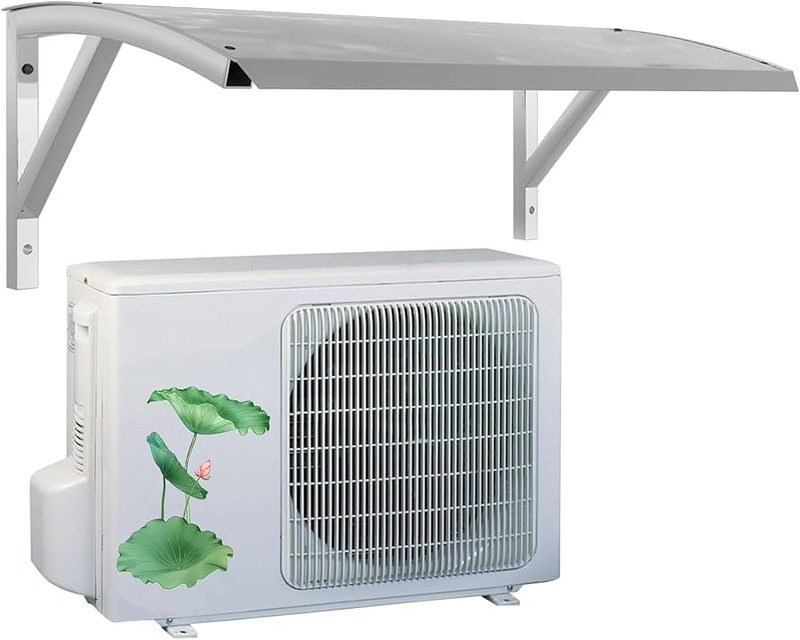
Cooling performance can also be affected by the surrounding environment of the air conditioner. The outdoor humidity levels, the bright sun rays and the lack of airflow around the exterior section of the unit can all reduce its efficiency.
The direct sun exposure can be reduced by shading the window AC with an awning or by planting shrubs around it so that the outdoor temperatures near the condenser can be kept low. It is also important to make sure that the fins outside are not blocked by any debris, e.g. leaves or tall grass. Such basic steps can improve efficiency to a great extent.
Extended Performance Through Insulation
An air conditioner that is in perfect working condition will not do well in a room that is not well insulated. Windows, doors and walls have leaks that allow hot air to enter, making the unit to work more and longer. Weatherstripping or caulking windows and doors can usually be a visible improvement in cooling efficiency.
Extra insulation on walls or attics can be useful to rooms that receive direct sunlight during most parts of the day. Although upgrading insulation will cost a little money, the savings in cooling expenses and better comfort can be significant in the long-term.
When To Seek Professional Assistance
Other problems with a window air conditioner are simple like cleaning or changing an easily reachable filter. But there may be more complicated issues that need professional knowledge. When the strange sounds do not stop, the unit keeps on tripping circuit breakers, or the cooling problem cannot be solved after simple troubleshooting, it is prudent to call a trained technician.
Tune-ups, checking the level of refrigerant, cleaning coils, and advanced diagnostics are the typical services that professional HVAC services provide. They can also provide recommendations on how to operate efficiently, upgrade possibilities or safe disposal of older units. Immediate assistance is possible to prevent additional destruction and maintain comfort indoors.
Table: Quick Reference For Common Issues And Solutions
| Problem | Likely Cause | Suggested Action |
|---|---|---|
| Unit Running But No Cold Air | Clogged Filter, Low Refrigerant, Faulty Thermostat | Clean/Replace Filter, Check Sensor And Thermostat, Inspect For Leaks |
| Airflow Weak Or Intermittent | Fan Blade Or Motor Problems | Tighten Fan Blade, Replace Motor If Necessary |
| Frost On Coils | Low Airflow, Refrigerant Leak | Clean Coils, Repair Leaks, Recharge Refrigerant |
| Loud Or Unusual Noises | Loose Components, Failing Motor | Check Screws, Mounts, Fan Balance, Replace Motor |
| Repeated Short Cycling | Oversized Unit Or Thermostat Issues | Reevaluate Sizing, Inspect Thermostat Alignment |
Additional Considerations
There is a set of continuous procedures to maintain a window air conditioner. Being mindful of airflow, cleanliness and component health is a good way to ensure the performance and life of the unit.
Such basic measures as regular filter cleaning and unblocked vents provide better comfort and cost-saving throughout the life of the system. In case the unit does not blow cold air even after careful inspection, it is always advisable to consult a professional who will give a more precise diagnosis and a lasting solution.
Don’t Overpay for HVAC Services – Call 888-894-0154 Now to Compare Local Quotes!

How to Get the Best HVAC Prices
- Firstly, keep in mind that installation quality is always the most important thing for residential HVAC project. So never sacrifice contractor quality for a lower price.
- Secondly, remember to look up the latest rebates as we talked above.
- Thirdly, ask for at least 3 bids before you make the decision. You can click here to get 3 free estimates from your local contractors, and this estimate already takes rebates and tax credit into consideration and filter unqualified contractors automatically.
Lastly, once you chose the right contractor, remember to use the tactics from this guide: Homeowners Tactics When Negotiating with HVAC Dealer to get the final best price.