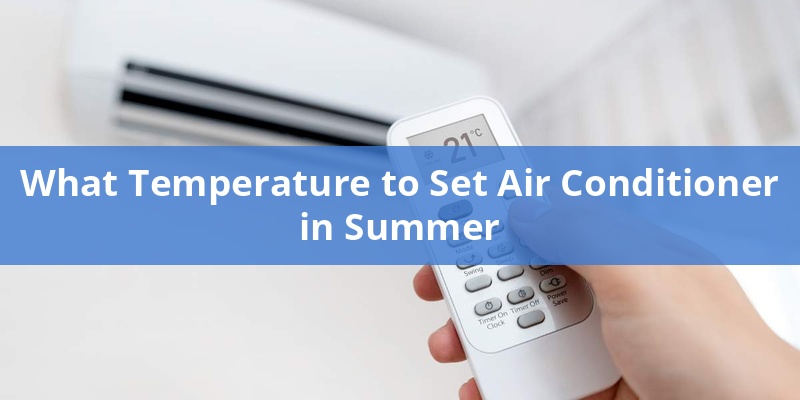
Finding the right air conditioner temperature can balance energy costs and indoor comfort. Many households wonder if there is a perfect number, yet the answer depends on personal habits, local climate, and the efficiency of the system. Experts often recommend a moderate setting for both savings and comfort. This article explores key factors such as humidity, insulation, and health considerations. It also provides insights into guidelines from recognized authorities, plus tips for maximizing efficiency and maintaining an ideal indoor environment.
Understanding The Ideal Indoor Temperature
Temperature preferences differ from one home to another. Still, there is a general consensus around an optimal range. The U.S. Department of Energy suggests that the thermostat be set to around 78°F when you are at home and awake during summer. This temperature can help reduce energy usage while still maintaining pleasant conditions. Some may opt for slightly lower or higher settings depending on factors like air circulation or how well a home retains cool air.
Outside temperature plays a role in determining how comfortable 78°F might feel. If it is extremely hot outside, an indoor temperature at 78°F can seem cool enough for many. Conversely, in milder climates, the same setting may feel too warm. It is worth noting that every degree below 78°F could lead to higher energy consumption. This relationship prompts many homeowners to consider whether they are comfortable raising the thermostat a bit to save on monthly bills.
Humidity levels also influence comfort. Even at a slightly higher thermostat setting, lower humidity can make a room feel cooler. Ensuring that an air conditioner can manage humidity can be just as vital as hitting a specific number. The right system can remove excess moisture effectively and improve overall comfort, allowing for potentially higher temperature settings that still feel pleasant.
Factors Influencing AC Temperature Settings
Finding the best summer temperature often means balancing individual needs, family preferences, and environmental factors. Climate conditions, age of occupants, and a home’s architecture all intersect to shape the perfect thermostat number. In some regions, humidity levels may demand a slightly lower temperature setting, while in others, strategic use of fans might allow for warmer settings that still feel comfortable.
Additionally, windows, insulation, and shade can either help or hinder a home’s ability to remain cool. Older windows can increase heat gain, causing the air conditioner to work harder. Proper insulation in walls and attics reduces the workload on the AC unit and maintains consistent indoor temperatures. Over time, weatherizing and sealing air leaks can lead to more stable indoor comfort and reduced energy bills.
Occupant health is another consideration. Infants, older adults, or those with respiratory issues may need a slightly cooler environment. On the other hand, setting the temperature too low can lead to excessive dryness and discomfort for some. Prioritizing both well-being and cost efficiency often involves minor thermostat adjustments. Monitoring how the body responds and making gradual changes can ensure a safe and comfortable indoor climate.
Recommended Settings From Recognized Authorities
U.S. Department Of Energy
The U.S. Department of Energy suggests keeping your home at 78°F when you are indoors and active during the summer. According to their data, each degree you raise your thermostat over a certain range may save about three to five percent on energy costs. This guideline balances comfort with cost-effectiveness. Those concerned about monthly utility bills often use this figure as a starting point.
During periods when nobody is at home, the Department of Energy advises increasing the thermostat by about 7° to 10°F for eight hours per day. This practice can yield significant savings over time. By closing curtains or blinds to reduce solar heat gain, the indoor temperature stays more stable, making it easier for the air conditioner to resume an optimal setting upon return.
Energy Star Recommendations
Energy Star, a U.S. Environmental Protection Agency program, focuses on efficient cooling strategies. They recommend setting the thermostat to around 78°F or higher whenever possible during summer. This approach aligns with the belief that modest increases in the setting can substantially lower energy use. They also emphasize using fans to help with air circulation, which can make a room feel cooler without forcing the air conditioner to run constantly.
Don’t Overpay for HVAC Services – Call 888-894-0154 Now to Compare Local Quotes!
For those using a central air system, Energy Star underscores the importance of proper maintenance. Changing air filters regularly and ensuring that ducts are well-sealed helps the system operate more efficiently at your chosen thermostat setting. Maintaining a well-functioning system is crucial because even the most strategic temperature setting will not guarantee comfort if the AC unit is underperforming or leaking air.
ASHRAE Insights
The American Society of Heating, Refrigerating, and Air-Conditioning Engineers (ASHRAE) offers guidance on creating comfortable indoor environments. Although their specific recommendations can vary depending on environmental context, they typically suggest a range between 73°F and 79°F for summer conditions. The goal is to balance thermal comfort with efficiency. ASHRAE recognizes that factors such as humidity and air velocity play a significant role in perceived comfort, making the exact temperature somewhat flexible from home to home.
ASHRAE also highlights the role of personal factors such as clothing and activity level. Wearing lighter garments during hot weather or avoiding strenuous activities in poorly cooled spaces can allow for higher thermostat settings without sacrificing comfort. Their research repeatedly points to the importance of humidity management. By removing excess moisture, an air conditioner operating within ASHRAE’s recommendations can maintain an agreeable indoor climate with fewer temperature fluctuations.
Energy Efficiency And Cost Considerations
The energy consumption of an air conditioning unit directly impacts monthly bills. Cooling systems typically account for a significant portion of electricity usage in summer. Setting the thermostat to a moderate temperature can reduce the overall load. Each degree lower than recommended settings may boost energy usage by approximately three percent or more, according to certain utilities. Conversely, raising the thermostat slightly beyond the recommended baseline can produce noticeable savings.
Insulation, sealing air leaks, and ensuring proper window treatments contribute to a more energy-efficient home. Simple steps, such as using blackout curtains on south-facing windows, can help limit how often the air conditioner cycles on. Closing doors to unused rooms concentrates cooling where it is needed. In warm climates, scheduling maintenance checks before summer ensures the AC unit operates optimally once temperatures soar.
Implementing strategies like running major appliances (e.g., dishwashers, dryers) during cooler parts of the day can further help minimize heat build-up indoors. Along with these efforts, installing high-efficiency air filters or upgrading outdated systems can make it easier to maintain a stable indoor temperature without overworking the air conditioner. These combined measures often cut energy costs and improve long-term comfort.
Thermostat Types And Smart Control
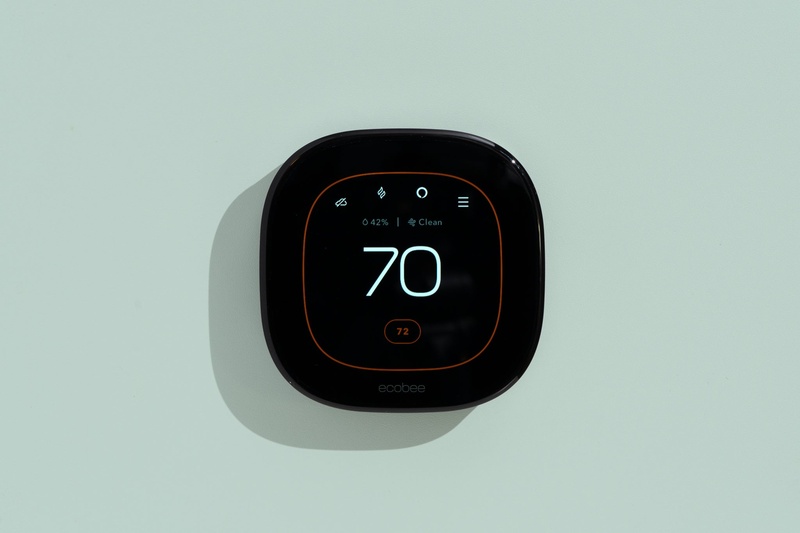
Not all thermostats are created equal. Traditional manual models require constant user adjustments, whereas programmable versions let homeowners set daily or weekly temperature schedules. By programming slight temperature increases for periods of inactivity, households can conserve energy without compromising overall comfort. Programmable thermostats are particularly useful for predictable routines such as work hours or overnight sleep times.
Smart thermostats go a step further by offering remote access, learning capabilities, and adaptive settings. They can sense patterns in the home, automatically adjusting temperatures to match occupancy or activity levels. Features like geofencing allow the thermostat to detect when residents leave or approach home, making micro-adjustments accordingly. Over time, these automated functions can optimize indoor climate control and reduce power consumption.
Many smart devices integrate with home automation systems, providing deeper insights through smartphone apps. This connectivity enables real-time energy tracking and allows quick adjustments. For those wanting a more hands-off approach to cooling, smart thermostats can deliver convenience, improved comfort, and cost savings all at once.
Special Considerations For Different Households
Every household faces unique challenges. For example, families with infants might prefer lower temperature settings, especially in rooms where babies sleep. On the other hand, older adults or those sensitive to cold might find the same indoor climate too chilly. The key is customizing the AC settings to accommodate varying needs. Health professionals often remind caregivers to observe signs of overheating or discomfort and adjust thermostats or use fans accordingly.
Homes with multiple levels sometimes experience temperature imbalances. Hot air rising to the upper floors may prompt the need for a zoned system. By sectioning the home into separate zones, each level can have its own thermostat. Zoned systems grant more targeted control, allowing for different settings in the kitchen, upstairs bedrooms, or living areas. Such control can enhance comfort and potentially cut energy use if less-frequented areas remain at higher temperatures.
Additionally, dwellings with large windows or sunrooms may face amplified heat gain during midday. By installing shades or thermal curtains, these areas can be kept cooler without needing drastic thermostat changes. Ultimately, tailoring the AC approach to the layout and needs of each household can provide consistent comfort while preventing unnecessary energy consumption.
Humidity And Indoor Air Quality
Humidity significantly influences how indoor temperatures feel. Even at a recommended setting, excess moisture can make the home feel muggy. For this reason, air conditioners not only cool the air but also remove water vapor. An ideal indoor humidity usually falls between 30% and 50% in most climates. If levels exceed this range, rooms can feel clammy and warm, often prompting homeowners to lower the thermostat further.
Dehumidifiers can assist when high humidity overwhelms the AC system. By eliminating additional moisture, the overall comfort level improves without the need for much cooler temperature settings. This process also mitigates issues such as mold growth and musty odors that can arise in overly damp environments. Ensuring that the air remains within a healthy humidity range can support respiratory well-being, particularly for those with allergies or asthma.
Indoor air quality also benefits from balanced humidity. When air is too moist, pollutants and allergens may linger. Conversely, overly dry air can aggravate skin and respiratory irritations. Finding a comfortable middle ground with the help of a properly maintained AC unit ensures both comfort and good indoor air quality all summer long.
Simple Strategies To Maximize Comfort
Even if the thermostat is set according to best practices, other factors impact how cool the home feels. Airflow can be enhanced with well-placed fans, particularly ceiling fans, which create a wind-chill effect. This allows most people to raise the AC temperature by a few degrees. Combining fans with slight thermostat adjustments often provides noticeable energy savings.
Window treatments play a vital role. Reflective blinds or energy-efficient drapes can reduce heat transfer through glass. Installing awnings or planting shade trees around the home helps to prevent excessive heat build-up as well. Strategic landscaping can cool the external environment, leading to more favorable indoor conditions.
Maintaining clean air filters and ensuring unobstructed vents are simple yet vital steps. Dust buildup in filters can impede airflow, making the AC work harder to achieve the same temperature. Vacuuming vents or clearing furniture away from registers can further optimize air circulation. By implementing these practical solutions, homeowners can enhance their comfort while keeping the thermostat set at an energy-efficient level.
Illustrative Temperature Setting Guide
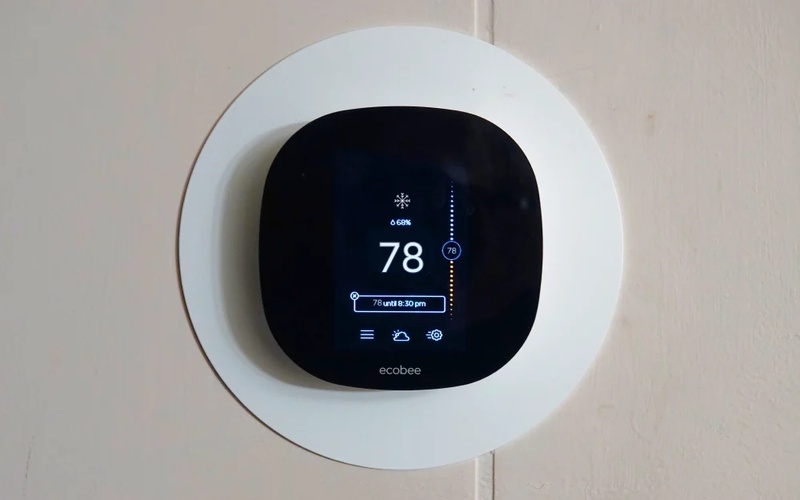
Below is a sample guide that demonstrates how slight variations in thermostat settings may influence different scenarios. Use it as a reference point to customize the perfect temperature for your household.
| Scenario | Recommended Setting | Notes |
|---|---|---|
| General Daytime Occupancy | 78°F | Energy-saving baseline for most households |
| Unoccupied For 8+ Hours | 85°F | Raise thermostat when away to reduce costs |
| Nighttime Cooling | 74°F – 77°F | Adjust based on comfort preferences and humidity |
| Humidity Above 60% | Around 75°F | Consider using dehumidifiers if necessary |
| Older Adults / Infants | 74°F – 76°F | Slightly cooler to ensure comfort and safety |
Maintaining And Servicing The AC System
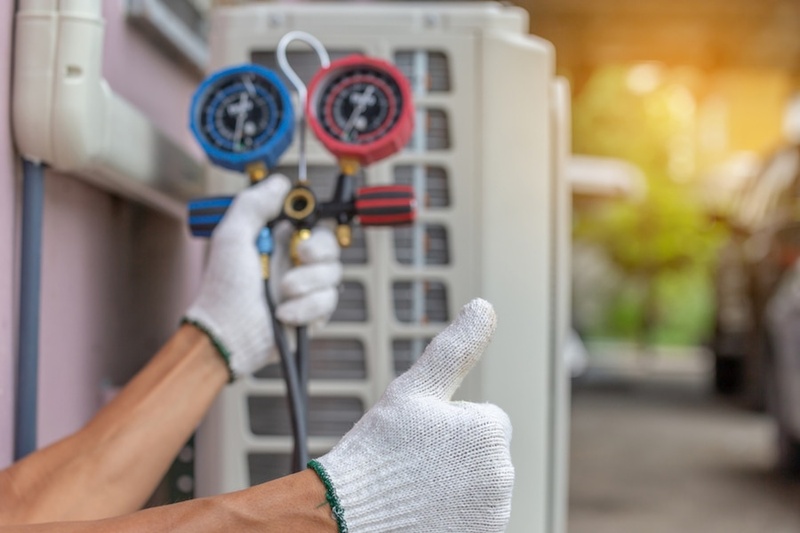
No temperature recommendation truly holds if the air conditioner is not functioning at its best. Regular maintenance helps identify issues that compromise efficiency. A dirty condenser coil, for example, forces the unit to work harder and may result in insufficient cooling and higher energy bills. Scheduling a professional inspection at least once a year can preempt breakdowns during peak summer heat.
Don’t Overpay for HVAC Services – Call 888-894-0154 Now to Compare Local Quotes!
Filter replacements are equally critical. Clogged filters slow airflow, reduce air quality, and stress the system, potentially leading to higher temperatures and more frequent breakdowns. Homeowners can follow guidelines from the AC manufacturer to determine how often to replace or clean filters. Moreover, checking refrigerant levels, cleaning the evaporator coils, and ensuring that the fan motor functions properly all contribute to a stable indoor environment.
Routine servicing extends the lifespan of your AC unit. By catching mechanical or electrical glitches early, technicians can correct small problems before they escalate. Ultimately, a well-maintained system performs closer to its rated efficiency, keeping the home reliably cool without inflating utility costs.
Dispelling Common Myths
Some people believe that cranking the thermostat to a very low temperature will cool the room faster. In truth, air conditioners operate at a constant rate. Setting the thermostat far below the target temperature only risks overcooling and wasting energy. If the goal is a quick cooldown, ensuring vents are open and the filter is clean can help, but extremely low settings do not make the AC work faster.
Another misconception is that leaving the AC on at a constant cool temperature is cheaper than allowing the house to heat up during the day. While certain properties may have unique factors, most modern AC units use less energy when the thermostat is raised during unoccupied hours. Any heat gain in that timeframe is generally less costly than running the system at full capacity all day.
Finally, some suspect that using fans in empty rooms cools the space. Fans do not reduce air temperature; they create a wind-chill effect. Turning off fans when rooms are empty saves electricity. Relying on air movement to boost comfort works best where people are actually present.
Combining Techniques For Optimal Results
The most successful approach to summer cooling involves a combination of best practices. Setting the temperature at or near the recommended range offers a solid foundation. From there, sealing leaks, adding insulation, and using efficient window treatments all support a stable indoor climate. Even adjusting personal habits—like wearing lighter clothing or cooking during cooler hours—can boost comfort.
Incorporating advanced features like programmable or smart thermostats helps manage temperature with minimal effort. Collectively, these methods build upon each other to deliver both comfort and energy savings. For those in extremely hot climates, focusing on humidity control and system maintenance often yields significant improvements. Ultimately, a balanced approach—one that respects both personal preference and practical considerations—leads to a more comfortable and cost-effective summer.

How to Get the Best HVAC Prices
- Firstly, keep in mind that installation quality is always the most important thing for residential HVAC project. So never sacrifice contractor quality for a lower price.
- Secondly, remember to look up the latest rebates as we talked above.
- Thirdly, ask for at least 3 bids before you make the decision. You can click here to get 3 free estimates from your local contractors, and this estimate already takes rebates and tax credit into consideration and filter unqualified contractors automatically.
Lastly, once you chose the right contractor, remember to use the tactics from this guide: Homeowners Tactics When Negotiating with HVAC Dealer to get the final best price.