Heat pump short cycling occurs when a heat pump turns on and off more frequently than normal. It can lead to energy inefficiency, wear on components, and inconsistent indoor temperatures. Understanding its causes and potential solutions can help homeowners maintain optimal comfort. It is important to identify these symptoms early and prevent unnecessary repairs or replacements.
Short cycling can often be resolved with simple adjustments or routine maintenance, especially if the underlying reasons are addressed promptly.
Understanding Heat Pump Short Cycling
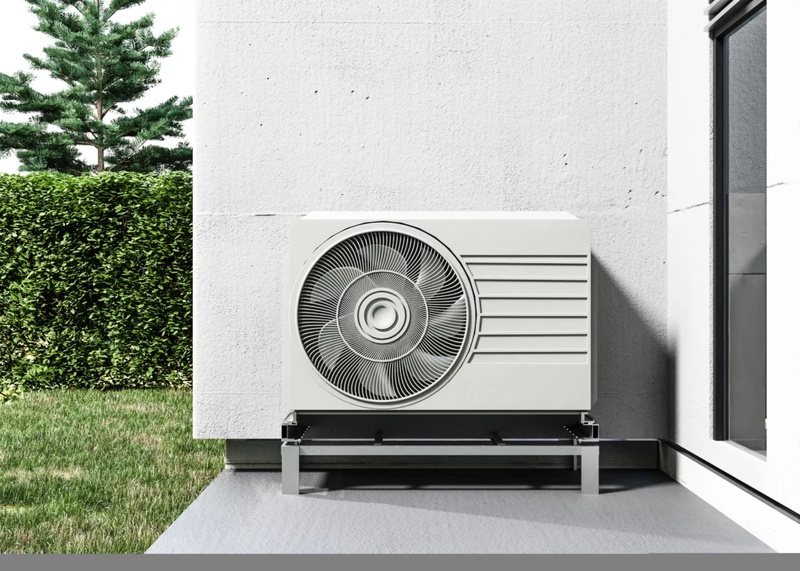
Heat pumps rely on a refrigeration cycle to transfer heat between indoor and outdoor spaces. They operate by extracting heat from one area and releasing it elsewhere, depending on whether they are in heating or cooling mode. If this cycle is disrupted, the system may start and stop too often.
Such frequent on-off cycles can hinder the unit’s ability to maintain consistent temperatures. The result is not only reduced comfort but also the risk of stress on components like compressors and motors.
Studies from sources like the U.S. Department of Energy indicate that heating systems, including heat pumps, account for a significant portion of residential energy use. When short cycling occurs, it can escalate energy consumption and reduce overall efficiency.
By recognizing how heat pump short cycling occurs, homeowners can take proactive steps to address underlying issues. This knowledge helps in ensuring optimal performance and longevity of their heating and cooling equipment.
Why Does Short Cycling Occur?
Many factors can trigger repeated stops and starts in a heat pump. The following points provide insight into common causes. Identifying the root cause is crucial for achieving a lasting solution.
Oversized System
An oversized heat pump may heat or cool the home too quickly, leading to shorter run times. As the set temperature is reached fast, the system shuts off prematurely. This is problematic because the heat pump has not completed a full cycle and might restart soon after. Repeated short cycles lead to excess energy consumption.
When selecting a heat pump, proper sizing is critical. Professionals can perform load calculations to ensure the unit’s capacity matches the home’s requirements. An accurate fit helps avoid comfort and efficiency issues down the line.
Restricted Airflow
Proper airflow allows a heat pump to exchange heat efficiently. If air filters, coils, or vents are dirty or obstructed, airflow diminishes. When restricted airflow occurs, the system can overheat or struggle to move air, causing the heat pump to shut off and restart frequently.
Don’t Overpay for HVAC Services – Call 888-894-0154 Now to Compare Local Quotes!
Routine filter replacement and cleaning of indoor and outdoor units can reduce blockages. Ensuring registers and vents are clear of furniture or debris also helps. Adequate airflow supports balanced temperature control and extends component life.
Thermostat Problems
A malfunctioning thermostat may inaccurately sense room temperature, leading to rapid on-off cycling. Loose wiring, incorrect placement, or sensitivity issues within the thermostat can trigger short runs. Even slight calibration errors can cause significant heating or cooling discrepancies.
Placing a thermostat away from direct sunlight, drafts, or heat sources is essential. If problems persist, a professional might recommend upgrading to a programmable or smart thermostat for better control and consistency.
Low Refrigerant Levels
Heat pumps depend on a precise refrigerant charge to transfer heat effectively. If refrigerant levels drop due to leaks or improper charging, the system may short cycle as it tries to reach the desired temperature but fails. Repeated attempts to compensate can drive up energy use and cause mechanical strain.
Professional diagnosis is critical to identify leaks, repair them, and recharge the system accurately. Maintaining the correct refrigerant balance promotes optimal performance and helps avoid preventable breakdowns.
Control Board or Sensor Issues
In modern heat pumps, electronic control boards and sensors manage key functions. If these components malfunction or receive incorrect data, they might signal the system to shut down prematurely. Erratic temperature readings often lead to rapid cycling.
Technicians can test sensors, relays, and circuit boards for faults. Replacing or recalibrating defective parts usually rectifies the problem, ensuring the heat pump receives accurate operational signals.
Signs And Symptoms Of Heat Pump Short Cycling
Not all homeowners notice the subtle indicators of short cycling immediately. Recognizing the symptoms can help address issues before they escalate. Early detection often prevents costly repairs and discomfort.
- Frequent starts and stops: The most obvious sign is the unit turning on and off unusually often.
- Unstable indoor temperatures: Inconsistent or fluctuating room temperatures suggest the system is not completing proper cycles.
- Higher energy bills: Repeated cycles draw more power and can result in noticeable spikes in monthly expenses.
- Increased noise: Rapid shutdowns and restarts may amplify operational noises or cause rattling sounds.
- Shortened compressor life: Short cycles can strain the compressor, leading to early failures if not resolved promptly.
Impact On Energy Efficiency And Comfort
Heat pump short cycling can substantially affect a household’s comfort, budget, and overall energy footprint. Frequent restarts disrupt the normal cycle that ensures consistent indoor temperatures.
When a system cannot maintain steady running intervals, it struggles to distribute air evenly. Some rooms might feel too warm or too cold, creating discomfort for occupants. At the same time, the repeated on-off pattern means the heat pump cannot reach its most efficient operating point.
According to the U.S. Energy Information Administration, heating and cooling typically account for almost half of home energy use. An inefficient heat pump that consumes excessive electricity can drive up monthly bills. Over time, short cycling may also compromise essential components, increasing repair or replacement costs.
By addressing the underlying causes, homeowners can stabilize temperatures and reduce strain on the heat pump. The goal is to maintain longer, more efficient cycles that maximize indoor comfort and energy savings.
Troubleshooting Steps And Recommended Fixes
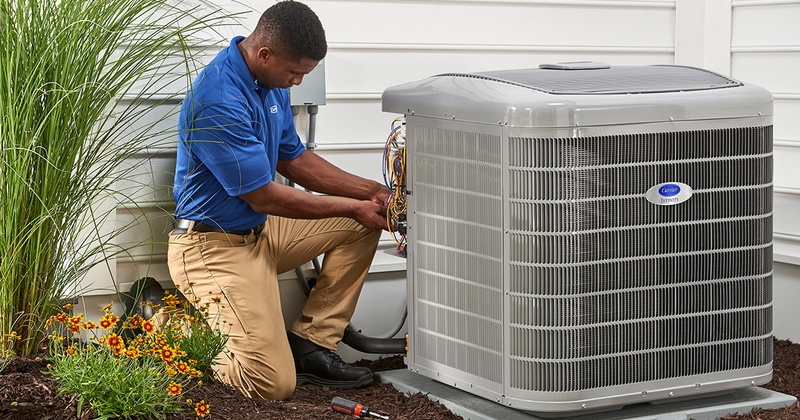
Before scheduling a professional service call, homeowners can try some initial troubleshooting techniques. Minor adjustments often alleviate short cycling, especially if the problem involves simple maintenance or basic settings.
- Check air filters: Ensure filters are clean. Replace them every one to three months or per the manufacturer’s instructions.
- Inspect vents and registers: Clear any obstructions like furniture or rugs that might restrict airflow.
- Review thermostat settings: Confirm the thermostat is set to the correct mode (heat or cool) and the temperature setpoint is appropriate.
- Monitor outdoor unit: Remove debris such as leaves, dirt, or ice buildup around the outdoor heat pump.
- Examine power supply: Verify all electrical connections and breakers related to the heat pump are in good condition.
If these steps do not resolve the short cycling issue, further examination may be necessary. Complex problems related to refrigerant, electrical components, or sizing generally demand professional expertise.
Common Causes And Suggested Solutions
| Cause | Effect | Suggested Solution |
|---|---|---|
| Oversized unit | Short run times and uneven temperature control | Select a properly sized heat pump based on load calculations |
| Restricted airflow | Overheating and frequent shut-offs | Clean or replace filters, remove debris, ensure open vents |
| Thermostat miscalibration | Incorrect temperature readings and rapid cycling | Recalibrate or replace thermostat, check sensor placement |
| Low refrigerant | Inadequate heat transfer and persistent restarts | Repair leaks and recharge system to recommended levels |
| Electronic control failure | Faulty signals leading to untimely shut-offs | Replace or repair control boards and sensors |
Professional Maintenance And Servicing
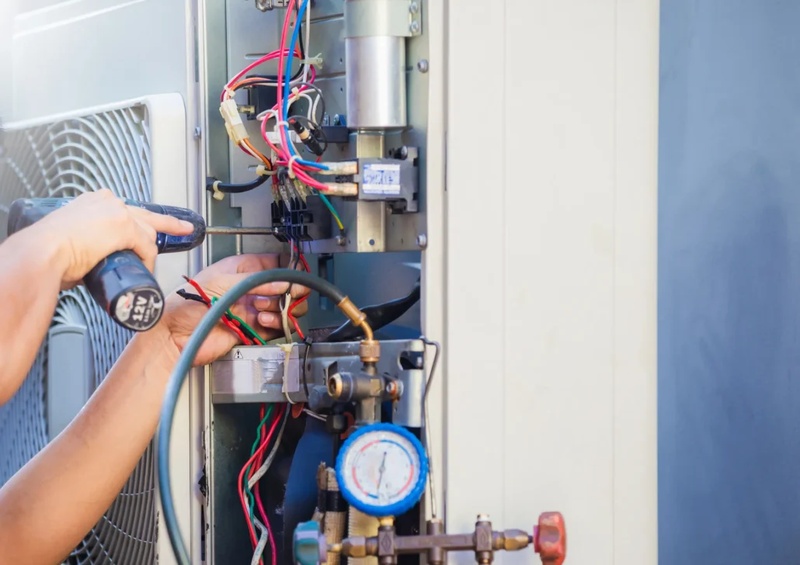
While do-it-yourself measures can tackle minor problems, certain issues demand professional care. A qualified technician can perform in-depth diagnostics to pinpoint the exact cause of short cycling. Professional checks often reveal hidden factors like micro refrigerant leaks or failing electronic components.
During routine tune-ups, experts can evaluate refrigerant charge levels, tighten electrical connections, and calibrate thermostats. They also assess the overall condition of compressors, motors, and coils. Early detection of worn parts helps prevent sudden breakdowns that leave homeowners without heating or cooling.
In some situations, replacing or upgrading certain components is advisable. A newer, properly sized system may offer features like variable-speed compressors that reduce the likelihood of short cycling. Energy-efficient heat pumps can also qualify for rebates or incentives in certain regions.
Effective Thermostat Management
Proper thermostat use can significantly improve a heat pump’s performance. Overly frequent temperature changes can cause the unit to cycle on and off rapidly. A stable temperature setting promotes longer, more even runs, boosting comfort and efficiency.
Smart thermostats offer advanced control, allowing homeowners to program different temperature schedules. Some models even learn occupant habits and adapt settings automatically. Precise temperature control ensures the heat pump operates at optimal intervals. For instance, gradually adjusting the thermostat instead of large, immediate changes can reduce stress on the system.
Regularly checking thermostat accuracy ensures it senses the correct room temperature. If the thermostat is located near doors, windows, or heat sources, relocating it can stabilize readings and minimize short cycling. A properly placed thermostat is one of the simplest ways to maintain consistent comfort.
Don’t Overpay for HVAC Services – Call 888-894-0154 Now to Compare Local Quotes!
Insulation And Sealing Measures
Even the best-maintained heat pump can struggle if the home is poorly insulated. Drafts, leaks, or thin insulation cause rapid temperature swings, forcing the unit to cycle often. Proper insulation in attics, walls, and basements helps retain heat or cool air more effectively.
Additionally, sealing gaps around windows, doors, and ductwork prevents air infiltration. This not only stabilizes indoor temperatures but also reduces the workload on the heat pump. According to Energy Star, improving insulation can save homeowners up to 15% on heating and cooling costs. Fewer drafts translate to fewer starts and stops.
Combining good insulation with a well-sized and well-maintained heat pump often delivers year-round comfort and lower utility bills. A whole-house approach ensures every element of the heating and cooling system works in harmony.
Considering Replacement Or Upgrades
For older heat pumps prone to frequent short cycling, repairs may become too costly. Continual system failures or escalating energy bills can indicate it is time to explore a replacement. Modern heat pumps typically feature improved compressor technologies and advanced controls that minimize short cycling.
A professional assessment can confirm whether a new system would be more cost-effective in the long run. High-efficiency models often provide significant savings on monthly bills compared to outdated units. Federal tax credits and local utility rebates may offset the initial investment, making upgrades more affordable.
When replacing a heat pump, careful sizing and proper installation are paramount. Choosing the right capacity helps avoid excessive cycling while ensuring sufficient heating and cooling output. The installation process should follow manufacturer guidelines to guarantee optimal system performance from day one.
Long-Term Care And Preventive Measures
Heat pump short cycling can be prevented or minimized through regular upkeep and mindful usage habits. Scheduling annual or biannual inspections is a practical way to catch emerging issues before they escalate. Proactive maintenance also extends the lifespan of heating and cooling equipment.
Homeowners can establish a checklist of tasks such as filter replacements, coil cleanings, and thermostat checks. Keeping records of service appointments and repairs allows for easier tracking of the system’s condition. Consistent record-keeping helps identify patterns in performance and ensures timely interventions when short cycling symptoms arise.
Additionally, setting realistic temperature ranges reduces abrupt changes that strain the system. Gentle adjustments over time keep the heat pump running smoothly and foster consistent indoor conditions. Implementing these strategies can significantly reduce the risk of recurrent short cycling episodes.
Environmental And Financial Benefits
Addressing heat pump short cycling offers notable advantages beyond indoor comfort. A well-tuned system consumes less electricity, lowering household energy costs. This efficiency gain translates into environmental benefits, as reduced power usage cuts down on greenhouse gas emissions.
According to the U.S. Environmental Protection Agency, residential HVAC systems are a major contributor to household energy usage. Extending the life cycle of mechanical components also reduces waste. Sustainable HVAC practices align with growing efforts to minimize the carbon footprint of homes.
For homeowners aiming to create an eco-friendly living space, resolving short cycling is a significant step. Proper repairs, regular maintenance, and well-informed upgrades ensure both financial and environmental dividends. Balanced indoor temperatures are just one of the many rewards of a smoothly running heat pump.
Regional Considerations
Climate and local weather patterns can influence short cycling risks. In areas with mild winters, heat pumps may cycle more frequently because the temperature differential between indoors and outdoors is smaller. In colder climates, ensuring adequate backup or auxiliary heat is essential to reduce strain on the system.
For instance, a heat pump in the Northeast might require a supplemental heating source during extremely low temperatures. Balancing the workload across multiple heating methods can reduce frequent on-off patterns. Coordinating the system’s settings and operation schedules can optimize performance under varied weather conditions.
Furthermore, humidity control is vital in regions with high moisture levels. Excess humidity can make indoor environments feel warmer, prompting the heat pump to cycle off prematurely. Dehumidification efforts or a compatible HVAC design can minimize these complications.
Don’t Overpay for HVAC Services – Call 888-894-0154 Now to Compare Local Quotes!
Additional Tips For Heat Pump Reliability
Short cycling often signals that the heat pump is under strain. Beyond standard troubleshooting, a few extra steps can help maintain consistent performance year-round. Preventive actions reduce the likelihood of inconvenient breakdowns.
- Schedule annual tune-ups with licensed professionals to catch minor issues early.
- Keep outdoor units free from snow, leaves, and vegetation to facilitate proper airflow.
- Perform routine inspections of ductwork to identify leaks or disconnections.
- Monitor indoor humidity levels, especially in humid climates, to reduce moisture accumulation.
- Consider installing backup or auxiliary heat sources for extreme weather conditions.
By integrating these practices, homeowners create a stable environment for their heat pumps, boosting both energy efficiency and longevity.
When To Seek Professional Advice
Some short cycling causes are straightforward, such as clogged filters or blocked vents. However, persistent issues may point to deeper mechanical or electrical faults. Repeated system shutdowns can damage components, and ignoring signs may lead to more significant expenses.
Calling a trusted HVAC professional ensures a thorough investigation of possible leaks, failing parts, or wiring complications. Technicians can use specialized tools like refrigerant gauges, multimeters, and advanced diagnostic software to evaluate the system accurately. Timely intervention guards against unexpected breakdowns.
Ultimately, seeking expert help provides peace of mind. From correcting thermostat calibrations to suggesting a complete upgrade, professionals tailor solutions to each home’s unique needs. Proactive collaboration with a qualified technician is a key factor in mitigating heat pump short cycling and preserving reliable heating and cooling year-round.
How to Avoid Being Ripped Off and Get a Fair Repair Price
Finding the right heat pump repair expert can be tricky—some companies offer rock-bottom prices because they’re inexperienced or have poor reputations, while others charge far too much for the same work. That’s why the smartest way to get quality repairs at a fair price is to compare estimates from top-rated local pros. Meet with each, learn about their history and the experience of the technicians that will do the work. Choose an experienced heat pump repair contractor with reasonable rates. You can expedite this process by using our Free Local Estimates service.
When you fill out a quick form and submit it, you’ll soon be contacted by three of the top heat pump repair and installation companies near you. They are prescreened for experience, and all are licensed and insured for your protection. Click below to get started and protect your home and wallet today.

How to Get the Best HVAC Prices
- Firstly, keep in mind that installation quality is always the most important thing for residential HVAC project. So never sacrifice contractor quality for a lower price.
- Secondly, remember to look up the latest rebates as we talked above.
- Thirdly, ask for at least 3 bids before you make the decision. You can click here to get 3 free estimates from your local contractors, and this estimate already takes rebates and tax credit into consideration and filter unqualified contractors automatically.
Lastly, once you chose the right contractor, remember to use the tactics from this guide: Homeowners Tactics When Negotiating with HVAC Dealer to get the final best price.