Air conditioners are essential for maintaining comfortable indoor temperatures, especially in hot climates. However, sometimes an air conditioner may run continuously without delivering adequate cooling. In such cases, identifying the root cause is crucial to restoring optimal performance. These issues can arise from minor obstructions, incorrect settings, or major mechanical faults. Ensuring a thorough diagnosis helps preserve system efficiency and prevents escalating costs. This article explores common reasons, maintenance tips, and solutions to keep air conditioners performing effectively.
Common Warning Signs Of Insufficient Cooling
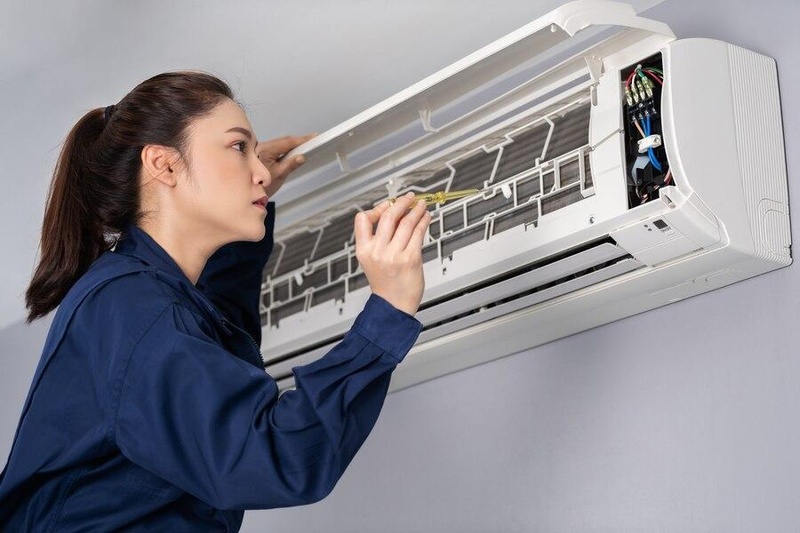
When an air conditioner struggles to cool a space, there are indicators worth noting. These signs offer preliminary insight into potential issues that require quick attention. Paying attention to these early signals helps address problems before they worsen.
Some homeowners might dismiss small performance drops as normal wear and tear. However, a system that works harder but delivers poorer results often hides underlying issues. Observing specific warning signs can guide homeowners to possible causes.
Below are some telltale symptoms of inadequate cooling:
- Longer Cooling Cycles: The unit runs continuously yet fails to reach desired temperatures.
- Uneven Room Temperatures: Certain areas remain hot even when the AC is set at a low temperature.
- Excess Moisture: Unusual humidity buildup indoors, creating discomfort.
- Frequent Thermostat Adjustments: Constantly lowering the setting to achieve cooler airflow.
These signs alone do not confirm the exact cause, but they highlight a need for inspection. Addressing them early can prevent mechanical or electrical failures.
Possible Causes Of Poor Cooling Performance
Various factors can lead to insufficient cooling. Understanding each potential culprit allows homeowners or technicians to undertake a systematic diagnosis. From simple mistakes in thermostat settings to more complex issues like refrigerant leaks, each cause warrants distinct repair steps.
Thermostat Errors And Settings
The thermostat is the primary control device that senses ambient temperature. Misconfigured settings or faulty wiring can cause the system to run inefficiently. A common mistake is setting the fan to “On” instead of “Auto,” causing the air handler to blow air even when no cooling cycle is active.
When thermostats malfunction or get inaccurate readings, the system may cycle at inappropriate intervals. Ensuring correct thermostat calibration can prevent unneeded strain on the air conditioner. Replacing old or faulty devices also remains a budget-friendly solution.
Clogged Air Filters
Air filters capture dust, pollen, and other debris that enter HVAC systems. Over time, filters accumulate substantial buildup, restricting airflow. According to the U.S. Department of Energy, replacing a dirty filter can lower an air conditioner’s energy consumption by 5% to 15%.
A clogged filter not only reduces cooling capacity but can also allow dust to settle on evaporator coils. Regular filter checks every 30 to 90 days help maintain peak performance. A quick visual inspection can reveal if the filter is filled with grime.
Don’t Overpay for HVAC Services – Call 888-894-0154 Now to Compare Local Quotes!
Blocked Vents And Registers
Blocked or closed vents can disrupt air distribution throughout rooms. Furniture, curtains, or debris can impede airflow, causing uneven cooling. Ensuring each supply vent and return grille remains clear of obstructions preserves the unit’s ability to move cooled air efficiently.
In large homes, closed vents in certain areas may be a strategy to focus cooling on priority spaces. Yet, shutting too many vents raises the system’s static pressure, risking damage or coil freezing. Keeping vents open and unobstructed remains an essential practice.
Dirty Evaporator Coils
The evaporator coil absorbs heat from indoor air. When dirt accumulates on its surface, heat transfer efficiency declines, leading to subpar cooling. Cleaning the coil with mild solutions or professional chemical treatments can restore normal function.
Signs of dirty coils include extended cooling cycles, higher energy bills, and reduced airflow. Periodic maintenance, such as annual checkups, helps spot early buildup before it impedes performance. Failure to clean the coil can trigger ice formation and risk damage to key components.
Low Refrigerant Levels
Refrigerant circulates within the system to absorb and release heat. If a system develops leaks, the refrigerant charge becomes insufficient. A low charge impairs cooling, leading to higher indoor temperatures. In some cases, a noticeable hissing sound may point to hidden leaks.
Recharging refrigerant without fixing leaks only provides a temporary solution. Technicians must locate and seal any breaches in coils or lines, then add refrigerant following the manufacturer’s specifications. Overcharging can be equally harmful, so a precise balance is crucial.
According to industry estimates, up to 40% of central air conditioners may suffer from improper refrigerant charges. Routine servicing ensures correct refrigerant levels are maintained, preventing performance decline.
Importance Of Proper Airflow And Ventilation
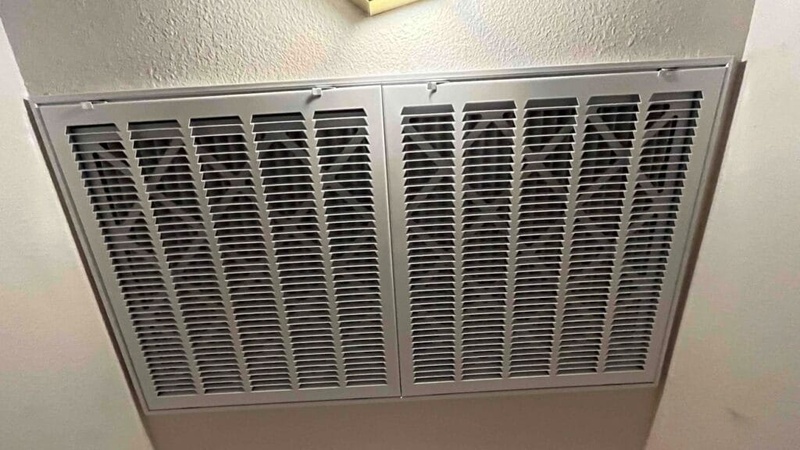
Maintaining adequate airflow is crucial for optimal cooling. When airflow is restricted, the system can struggle to remove heat and humidity effectively. Ensuring duct integrity, clean filters, and unobstructed vents maintains consistent temperatures.
Undersized or poorly designed ducts can also compromise airflow. Ducts with too many bends, leaks, or insufficient insulation cause cold air to escape, forcing the air conditioner to work longer. This inefficiency often translates to inflated energy bills and inadequate comfort.
Proper ventilation plays a significant role in removing stale or humid indoor air. Air exchange with fresh outside air, when balanced correctly, prevents stuffiness. However, too much outside air can overwhelm the system, especially during high temperatures. Striking a balance ensures a comfortable environment.
Ensuring robust airflow also helps reduce strain on the blower motor. By decreasing static pressure in the system, motors last longer and run more quietly. When everything is well-maintained, the cooling unit achieves a more efficient and lasting operation.
Quick Troubleshooting Steps
Before calling a professional, homeowners can take simple steps to identify obvious causes of poor cooling. These measures often resolve minor problems without extensive technical intervention.
- Check Thermostat Settings: Confirm the thermostat is set to “Cool” and the fan setting is on “Auto.”
- Inspect The Air Filter: Replace any dirty or clogged filters to restore normal airflow.
- Clear Vents: Ensure that vents and registers are open and free of obstructions like furniture or rugs.
- Clean Outdoor Unit: Remove debris, leaves, or tall grass around the condenser.
- Check Circuit Breakers: A tripped breaker can shut down the AC compressor, so resetting it may solve the issue.
These simple diagnostics can confirm if the problem is superficial. If cooling remains inadequate after these checks, professional assessment may be necessary to avoid further damage.
Seasonal Maintenance For Consistent Cooling
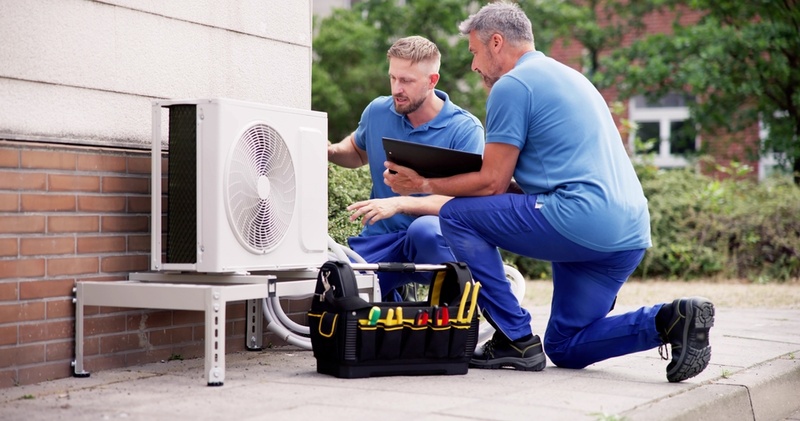
Routine maintenance ensures air conditioners operate efficiently throughout the year. Seasonal inspections help catch potential issues early and maintain a comfortable indoor environment. Below are essential tasks to complete before peak cooling seasons.
Spring Checkup
As outdoor temperatures begin to rise, scheduling a professional inspection is wise. This check may involve:
- Cleaning indoor and outdoor coils
- Verifying refrigerant levels
- Tightening electrical connections
- Lubricating moving parts
- Calibrating thermostats
An early start to maintenance reduces surprise breakdowns in mid-summer when the AC is working its hardest.
Filter Replacements
During heavy usage, filters can rapidly accumulate dust and allergens. Monthly inspections or replacements are advised if the household has pets or residents prone to allergies. Clean filters are a foundational step in preserving strong airflow and system health.
Outdoor Unit Care
The exterior condenser needs ample space for warm air to disperse. Trim nearby vegetation to maintain at least two feet of clear space around the unit. Clean the fins gently with a soft brush or low-pressure water to remove dirt. Regularly ensuring the condenser is free from debris improves heat dissipation.
Duct Inspection
Leaky or dirty ducts undermine an AC system’s performance. Have professionals inspect for leaks using specialized equipment, and seal any gaps with mastic or foil tape. Cleaning ducts can remove accumulated dust, fostering improved indoor air quality. Well-sealed ductwork helps air reach intended spaces at the right temperature.
Electrical Factors That Affect Cooling
Air conditioners rely on multiple electrical components. From circuit boards to capacitors, any disruption can diminish cooling. Understanding these electrical points offers insight into diagnosing performance drops.
Don’t Overpay for HVAC Services – Call 888-894-0154 Now to Compare Local Quotes!
Capacitor Malfunctions
Capacitors store energy to power the compressor and fan motors. If a capacitor weakens or fails, the motor may struggle to start or run efficiently, leading to reduced cooling output. A humming sound or hard starts often indicate capacitor problems.
Replacing capacitors requires safety knowledge, as they hold residual charge even when powered off. Certified technicians can quickly pinpoint and replace faulty components for a swift fix.
Faulty Contactors
The contactor engages the compressor and outdoor fan motor when the thermostat calls for cooling. Dirt buildup or pitting on the contactor surfaces can prevent the system from turning on or cause it to short cycle. Regular inspections help spot early contactor wear before system reliability declines.
Wiring And Breaker Issues
Loose or corroded wiring connections disrupt current flow, resulting in intermittent cooling. Additionally, breakers can trip if they detect excessive current draw. Ensuring all electrical connections are secure and free of corrosion reduces the likelihood of circuit interruptions.
If the breaker trips repeatedly, it may signal motor or compressor problems. An HVAC professional can diagnose whether the breaker itself is faulty or if a component in the unit draws excessive current.
When To Consider Upgrades Or Replacement
An older or consistently underperforming air conditioner may be beyond simple repairs. Deciding whether to upgrade or replace often hinges on balancing repair costs with the potential efficiency gains of modern systems.
New models boast advanced features like variable-speed compressors, enhanced coil designs, and higher Seasonal Energy Efficiency Ratio (SEER) ratings. While an upgrade can require a sizable initial investment, long-term savings on energy bills and improved indoor comfort frequently offset the cost.
According to the U.S. Energy Information Administration, residential air conditioning can account for up to 12% of total household energy consumption in some regions. Upgrading to a higher-SEER system could slash cooling expenses by 20% or more. These energy reductions and improved performance make modern units appealing for households with aging HVAC equipment.
Key Signs It May Be Time For Replacement
- System Over 10-15 Years Old
- Frequent Breakdowns Or Costly Repairs
- Inconsistent Cooling Or Airflow
- Escalating Energy Bills
Homeowners who plan to stay in the same property for several years may benefit from proactive replacement rather than continuous repairs. On the other hand, minor issues with newer units often warrant targeted fixes, as a full replacement could be premature.
How to Avoid Being Ripped Off and Get a Fair Repair Price
Finding the right AC repair expert can be tricky—some companies offer rock-bottom prices because they’re inexperienced or have poor reputations, while others charge far too much for the same work. That’s why the smartest way to get quality repairs at a fair price is to compare estimates from top-rated local pros. Meet with each, learn about their history and the experience of the technicians that will do the work. Choose an experienced AC repair contractor with reasonable rates. You can expedite this process by using our Free Local Estimates service.
When you fill out a quick form and submit it, you’ll soon be contacted by three of the top AC repair and installation companies near you. They are prescreened for experience, and all are licensed and insured for your protection. Click below to get started and protect your home and wallet today.

How to Get the Best HVAC Prices
- Firstly, keep in mind that installation quality is always the most important thing for residential HVAC project. So never sacrifice contractor quality for a lower price.
- Secondly, remember to look up the latest rebates as we talked above.
- Thirdly, ask for at least 3 bids before you make the decision. You can click here to get 3 free estimates from your local contractors, and this estimate already takes rebates and tax credit into consideration and filter unqualified contractors automatically.
Lastly, once you chose the right contractor, remember to use the tactics from this guide: Homeowners Tactics When Negotiating with HVAC Dealer to get the final best price.