When an AC compressor fails to start, the whole cooling system will have a hard time performing its duties. The temperatures inside increase and homeowners have little to do to cool the heat. Since the compressor is so important in the circulation of refrigerant, it is important to determine the cause of its not turning on as a way of maintaining performance and avoiding damages to other parts of the air conditioning system.
The possible causes are as varied as small electrical faults to serious mechanical breakdowns and precise diagnosis is important. Being aware of these frequent offenders and their remedies, people will be able to make the right choice, regain regular cooling, and protect the life of their AC system.
Why the AC Compressor Matters
A central air conditioning system has the compressor as its heart. It forces the refrigerant between the indoor evaporator coil and the outdoor condenser. After compression, the refrigerant emits heat in the outdoor coil and cools to absorb the warmth inside. In the absence of a working compressor, the refrigerant cannot circulate, and the house will get stagnant or slightly conditioned air only.
The compressor is one of the costly parts in most of the modern units. The failures may be expensive to fix or replace and that is why they should be detected early. In case of the compressor failure to engage, every minute of troubleshooting can prevent secondary problems.
A properly maintained compressor does not only maintain comfortable temperatures but also reduces the electricity bills since it operates efficiently. The realization of its significance explains why it should be addressed as soon as possible when the compressor is not making any noise.
Early Indications of a Compressor Problem

The first indication that something is wrong is that the thermostat setting does not match the room temperature as perceived by many homeowners. The indoor blower can blow air but it is lukewarm or not crisp as usual. In some cases, the outdoor unit is abnormally silent or it makes strange noises such as clicking repeatedly. Such precursors show that there is something wrong with the cooling cycle. The root cause can be confirmed by checking whether the compressor is in fact starting up.
In some cases, the compressor tries to start but it turns off. That can be followed by a humming sound or a flicker of lights in the house. In other instances, the system will not cool down due to short cycles. Being attentive to these warning signs enables the owners to look into the matter before the malfunction becomes serious. Timely intervention usually saves repair expenses and maintains efficiency of the system.
8 Causes and Troubleshooting of AC Compressor Failure
The failure of an AC compressor disrupts the whole cooling process and makes the indoor temperature excessively hot and other parts of the system vulnerable. This segment discusses eight of the most common reasons that lead to the failure of the AC compressor, as well as effective troubleshooting procedures to follow in each case.
Whether it is a simple problem such as a worn capacitor or more severe internal damage, early detection and specific solutions may be the difference between a simple repair and an expensive breakdown. Being aware of these causes and the ways to deal with them, homeowners and technicians can not only restore normal functioning, but also prevent the further damage of the compressor and guarantee efficient cooling during the season.
1. Power and Electrical Problems
A compressor which fails to start up may be out of proper power. In case of tripping of the circuit breaker, it is possible to have a short-circuit or overload of the air conditioner circuit. In some cases, the breaker is just old and has been in use all these years. The first thing that can be done is to check the breaker panel to ensure that it is still in the on position. When the breaker trips again after being reset, then there is probably a more serious electrical fault.
Don’t Overpay for HVAC Services – Call 888-894-0154 Now to Compare Local Quotes!
Powerless compressor is also caused by damaged wiring. The current path may be broken by loose terminals or corroded splices. The technician normally checks the disconnect switch close to the outdoor unit and makes sure that it has not been pulled out or water has not infiltrated it. Checking that there is enough voltage at the contactor input using a multimeter eliminates or proves the existence of wider wiring problems. After repairing, the compressor will be able to pull the power to start correctly.
2. Capacitor and Start Relay Failures
The majority of the modern AC compressors rely on capacitors to give the additional torque needed to start at high pressure. As a capacitor gets old, overheated, or exposed to an electrical surge, it loses the capacity to provide the required charge. The compressor will often try to start and will make a slight hum, but will never come up fully. A very good visual indication that a capacitor has failed is a bulging or leaking capacitor.
Start relays help the compressor to overcome starting torque requirements. In case of a stuck relay or a burned-out coil, the compressor will be offline. These components are usually tested using special meters and understanding of electrical specifications of each model. Startup problems can be solved easily by replacing a faulty capacitor or relay with a perfect match. These components are fairly cheap, and thus they are one of the first suspects in case a compressor goes silent.
3. Thermostat or Control Board Errors
The thermostat of an air conditioner sends instructions to the compressor, usually through low-voltage wires. The thermostat can be miscalibrated, improperly set or have a dead battery and never tell the outdoor unit to start cooling. Sometimes the problem can be solved by checking the wiring connections behind the thermostat and making sure that the thermostat is in the cool mode. Also, the older thermostats may become worn internally, and no longer provide the electrical connection required to start a compressor.
In more complex systems, the thermostat signal is processed by a control board that controls the compressor, fan and other safety systems. A bad board may not supply the necessary voltage to the contactor coil. Technicians usually look at error codes or burnt traces on the board. A damaged control board should be replaced with caution and it should be of the same specification and wiring harness as the original. A repaired board or a functioning thermostat will ensure that the compressor commands are regular.
4. Overheating and Thermal Switch
Compressors produce a lot of heat when they are operating normally. Internal temperatures can rise to very high levels in case air circulation around the unit is limited, or the cooling system is overloaded. Most compressors have a thermal switch or overload protector which trips when the heat is too high, and shuts off power until the situation returns to normal. Once this occurs, the compressor can attempt to restart several times unsuccessfully.
To avoid these thermal trips, cleaning around the outdoor condenser, making sure the coil is not dirty and having sufficient ventilation space is important. Changing air filters that are clogged or ensuring that there is no restriction of airflow indoors also helps to maintain constant operating temperatures. When the thermal switch is tripping frequently, then there are more serious mechanical or electrical issues, like bad bearings or uneven voltage. Identifying and fixing the cause prevents the compressor to experience recurrent and detrimental overheating.
5. Refrigerant Levels and Pressure Switches
A well charged system applies refrigerant pressure to maintain and control heat exchange. In case the refrigerant level becomes too low as a result of a leak, the low-pressure switch can be used to ensure that the compressor does not run in order to avoid damaging it. Alternatively, a high-pressure safety switch may be activated by an overcharged system, and the compressor turned off to prevent over-stressing. These switches are essential precautions that prevent the unit to self-destruct.
Refrigerant pressure is measured using special gauges by technicians and compared with the recommended levels of the manufacturer. In case the system is really low on refrigerant, the first thing to do is to find and fix the leaks and then recharge. The overcharged systems need to have the excessive refrigerant safely removed to level the pressures. When proper levels are reestablished, the switches reset, and the compressor will be able to operate normally again without the danger of permanent damage or excessive energy expenses.
6. Contactor or Control Board Complications
A contactor is a switch, which is electrically operated and supplies high voltage to the compressor when cooling is needed. The contact points may pit or weld together with time resulting in either continuous supply or no supply at all. A contactor that is stuck open causes a silent compressor. Technicians will usually listen to audible clicking or buzzing to know whether the coil is energizing. When power is getting to the contactor but not passing beyond the contactor, then damaged contact points are likely to be the cause.
The control boards also control the manner in which the contactor is energized and monitors different sensors and timing cycles. A failed software or burned circuitry may prevent the compressor ever getting a start signal. In this situation, checking of input and output voltages can be used to identify the fault. When a bad board or contactor is replaced, it should be done carefully and all connections made in accordance with the wiring schematic of the unit. No-start conditions are usually fixed by restoring proper operation.
7. Damaged or Worn Internal Components
Mechanical components like pistons, scrolls, and bearings are continuously used inside the compressor to pressurize refrigerant. With time, wear may result in problems that make the compressor to seize or stall in high loads. Before the compressor switches off, loud banging or grinding sounds are usually a sign of mechanical problems inside. In the more serious cases, the motor windings of the compressor may burn out.
Internal damage is usually diagnosed by testing amperage draws, motor windings continuity, and compressor reaction to attempts to manually rotate it. In case the compressor is locked up, it is usually the only solution to replace it. Although a complete compressor replacement is more expensive, it can provide a reliable cooling and guarantee the rest of the system is not damaged. A critical assessment will help to understand which is the most feasible way a new compressor or a system upgrade.
8. Age and System Replacement Considerations
A central air system that is approaching the normal 10- to 15-year life may have repeated compressor problems. Refrigerants like R-22 are old and may cost a lot to repair aging units, partly due to the limited availability of replacement parts or refrigerants. Some homeowners consider the general state of a system when an older compressor stops starting and decide whether to spend money on repairs.
The replacement of an older model with a newer high-efficiency one can significantly decrease the energy bills and incorporate newer features such as variable-speed compressors. The new refrigerants are also more environment friendly. Nevertheless, the choice between repair and replacement is based on the comparison of the short-term expenses, the probability of future failures, and possible warranty on new devices. A compressor repair can be cost effective in the short run but a system replacement can provide long term comfort.
Maintenance Tips for Compressor Longevity
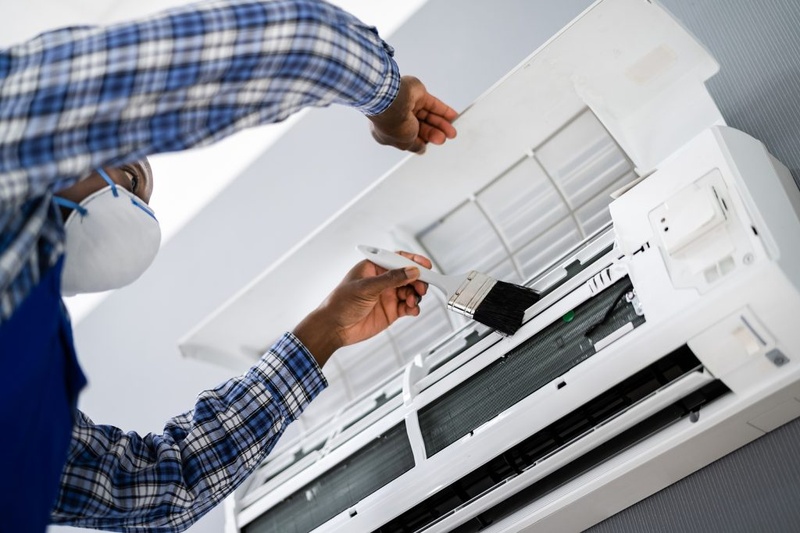
The most effective way of preventing sudden compressor breakdowns is regular maintenance. Replacing the air filters in the house and cleaning the outdoor condenser coil assist the system to have the right airflow. This minimizes the load that leads to overheating of the motor and high pressure situations. Refrigerant charge should be periodically checked by an HVAC professional, which will identify leaks early and maintain balanced pressures.
By making sure that the thermostat is properly calibrated and the whole system is tuned up once or twice a year, one can make sure that the hidden problems do not become out of control. Technicians are able to evaluate capacitor performance, wear of contactors and integrity of wiring.
Advance part replacement will prevent breakdowns in the peak summer usage. Other easy things such as cutting foliage around the outdoor unit enhance airflow, stabilizing operating temperatures and prolonging the life of the compressor.
Professional Diagnosis and Repair
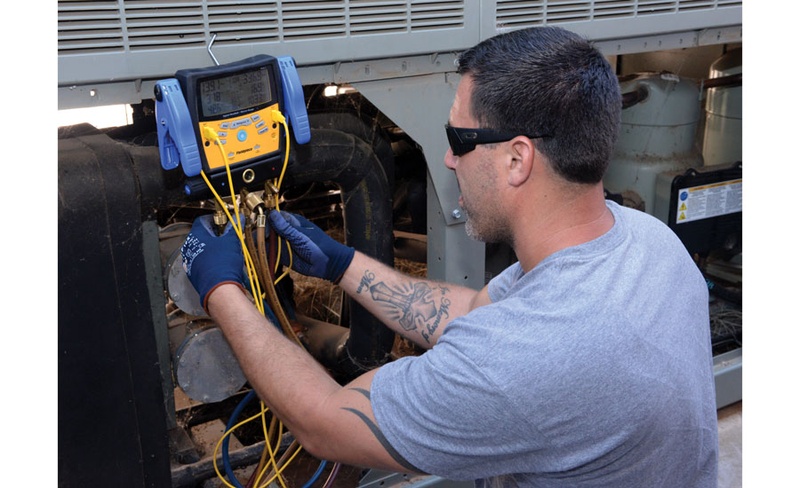
Homeowners may be able to inspect breakers or look at visible signs of wear, but diagnosing more serious problems may need special tools and special knowledge. An experienced technician understands how to test electrical parts, gauge refrigerant pressures and how to analyze the system behaviors effectively. They are able to identify the cause of silence of the compressor whether it is a faulty capacitor, faulty contactor or internal mechanical fault.
After identifying the problem, professionals make sure that new parts are used and they must conform to the original specifications of the manufacturer. Poorly rated capacitors or incompatible compressors may cause extra stress and reduce the life of the system. Since the failure of an AC compressor to start may be caused by numerous factors interacting with each other, thorough inspection is important.
Don’t Overpay for HVAC Services – Call 888-894-0154 Now to Compare Local Quotes!
A technician fixes the short-term problem and protects the system against recurrence with the appropriate knowledge and equipment.
Balancing Repair Costs and Future Savings
A broken compressor may cost a lot to repair, particularly when the problem is in serious mechanical damage or when several parts have failed. Although a quick fix may be sufficient to restore functionality, the fact that the unit has failed repeatedly may indicate that it may be worth overhauling or replacing altogether. The decision to weigh the cost of repairing against the cost of newer and more efficient unit is a strategic decision.
New system may be accompanied with strong warranties and new technology that consumes less energy. Conversely, in case the existing AC still has a few years of stable operation ahead and the compressor failure is not severe, the most economical way might be to perform specific repairs. Taking into account the comfort of the house, the cost of energy, and the possibility of future breakdowns, homeowners can make a competent decision that corresponds to their long-term interests.
How to Avoid Being Ripped Off and Get a Fair Repair Price
It is not easy to find an AC repair specialist, there are those who will give you the lowest possible prices because they are inexperienced or have bad reputations and there are those who will charge you too much to do the same job. That is why the best thing to do to obtain quality repairs at a reasonable price is to compare estimates of top-rated local professionals. Visit each of them, get to know their history and experience of technicians who will perform the work. Select a reputable AC repair contractor who has fair prices. You may speed up this process with the help of our Free Local Estimates service.
By completing a short form and sending it, you will receive a call soon by three of the leading AC repair and installation companies in your area. They are pre-screened in terms of experience and they are all licensed and insured to protect you. Start here and secure your home and wallet now by clicking below.
Checking for Secondary System Faults
There are cases when a compressor that is not running is just a sign of bigger problems in the system. When an indoor fan fails to work properly or when ductwork clogs slow down the airflow, the compressor can overheat or even turn off early. Irregular compressor engagement can be caused by blocked condensate drains, faulty sensors or even improperly sized systems. A more thorough system evaluation will make sure that there is no lurking problem that still hinders performance.
A multi-point inspection is often done by HVAC professionals, checking airflow, refrigerant balance, electrical condition, and control signals. Any anomalies can be identified and this can lead to secondary issues that make the compressor overcompensate. Addressing these underlying problems makes the fixed or replaced compressor work without hindrances. A complete inspection will avoid recurrence of no-starts and subject new parts to unnecessary stresses.
Maintaining Long-Term Performance
When the compressor is back to normal operation, a regular maintenance program maintains it in good working order. Such basic measures as checking the monthly utility bills to see whether there is a sudden increase or listening to the changes in the sounds of the system can be the first signs of the possible trouble. Professional tune-ups on a regular basis give a more in-depth examination of voltages, amperage draws, and refrigerant levels, and small adjustments can be made that maximize efficiency.
Also, proper insulation of refrigerant lines, sealing of duct leaks and a well-calibrated thermostat will help in the balanced operation of the system. Even minor adjustments can take off the excessive burden on the compressor. With the air conditioner running through seasons, one should be cautious of the main parts so that the comfort can be maintained. When properly maintained and troubleshooting is done with knowledge, home owners can expect their compressor to provide dependable cooling over the years.

How to Get the Best HVAC Prices
- Firstly, keep in mind that installation quality is always the most important thing for residential HVAC project. So never sacrifice contractor quality for a lower price.
- Secondly, remember to look up the latest rebates as we talked above.
- Thirdly, ask for at least 3 bids before you make the decision. You can click here to get 3 free estimates from your local contractors, and this estimate already takes rebates and tax credit into consideration and filter unqualified contractors automatically.
Lastly, once you chose the right contractor, remember to use the tactics from this guide: Homeowners Tactics When Negotiating with HVAC Dealer to get the final best price.