The following is a quick reference table that gives the average prices of Trane air conditioners of different sizes with approximate installation prices. These are approximate values of standard-efficiency models and simple installation in the United States.
The actual prices & cost can also differ according to the local labor rates, efficiency upgrades, or other services like ductwork adjustments:
| AC Size | Approx. Unit Cost (USD) | Approx. Installed Cost (USD) |
|---|---|---|
| 2 Ton | $2,900 – $4,350 | $3,950 – $5,960 |
| 3 Ton | $3,550 – $5,100 | $4,580 – $7,160 |
| 4 Ton | $4,000 – $6,470 | $5,100 – $8,080 |
| 5 Ton | $4,520 – $7,580 | $5,650 – $9,200 |
What Factors Influence Trane AC Prices?
Unit Size (Tonnage): The cooling capacity of the AC unit is directly proportional to its size. The bigger the house or the area, the more tonnage the system needs—and that usually means a higher price. It should be properly sized, an undersized unit will not cool effectively and an oversized system may short-cycle and waste energy.
Energy Efficiency (SEER Rating): Seasonal Energy Efficiency Ratio ratings indicate how efficiently the system operates over a typical cooling season. Trane offers models from about 14 SEER on standard units to more than 20 SEER on premium, variable-speed systems. Higher-SEER models cost more upfront but can significantly reduce monthly utility bills over time.
Compressor Technology: Trane manufactures both single-stage and variable-speed compressors, the latter providing more precise temperature control and better energy efficiency. This high-tech option generally raises the unit’s cost but greatly enhances comfort and long-term savings.
Installation Complexity: Costs vary with local labor rates and project difficulty. Altering ductwork, adding electrical wiring, or installing zoning systems can drive up expenses. A simple replacement in a home with suitable ducts will cost less than a full retrofit with structural modifications
Local Market Conditions: Regional climate, contractor demand, and material availability all influence final pricing. Cooler areas with less AC demand may see more competitive rates.
Promotions or Rebates: Manufacturers, utilities, and government programs sometimes offer incentives for high-efficiency installations. Taking advantage of these can substantially lower the net cost of a Trane air conditioner
Knowing these factors will help homeowners budget realistically and decide if investing in a more efficient model makes sense in the long run
How Much Does a 2-Ton Trane AC Cost?
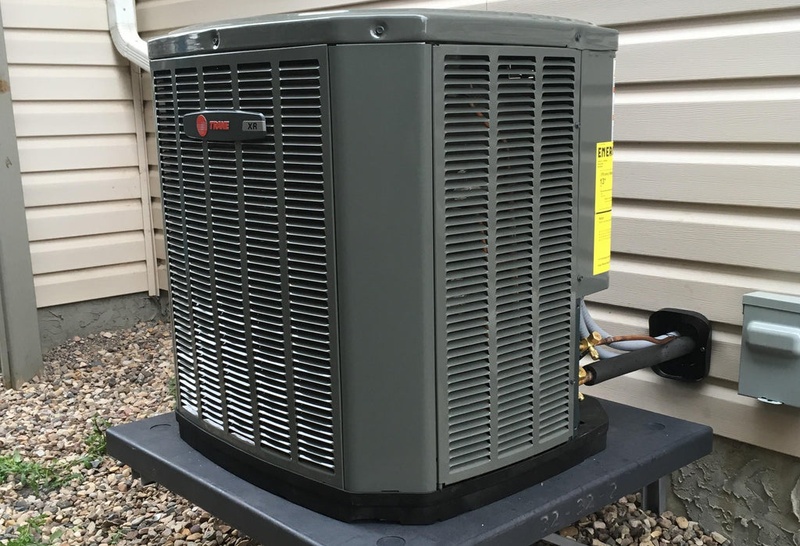
A 2-ton Trane air conditioner should be enough to cool smaller houses, condominiums or apartments of about 1,000 square feet (but again this will vary depending on insulation, window location, and climate).
Don’t Overpay for HVAC Services – Call 888-894-0154 Now to Compare Local Quotes!
Average Price: The price of a 2-ton Trane unit could be between 2,900 and 4,350 dollars for the equipment only. The cost of installation may add up to approximately 3,950 to 5,960 dollars. These estimates are based on a standard-efficiency model (14 to 16 SEER) and simple installation.
An air conditioner of 2 tons is ideal in a space of about 800 to 1,000 square feet although professional load calculations are essential. Cooling needs can be greatly influenced by even slight differences in insulation levels, window area or climate.
A slight increase in the rating of the equipment (a few hundred dollars) to a slightly higher rating (16 SEER or so) can save electricity in the long run. Inverter-driven compressors provide more consistent temperature but increase the initial cost.
The total cost can be increased by electrical upgrades, sealing of ducts, or installation of smart thermostats.
In case of the lack of ductwork or its inadequate size, some adjustments may be required prior to the AC being able to operate effectively
Who is the Best Customer of a 2-Ton AC? A 2-ton system is suitable in smaller homes or homes in cooler climates with relatively low cooling loads.
How Much Does a 3-Ton Trane AC Cost?

A 3-ton Trane air conditioner may provide a reasonable combination of capacity and efficiency in moderately sized homes (typically 1,100 to 1,500 square feet).
Mean Price Quotes: The equipment itself could be as much as 3,550 to 5,100 dollars on a simple 14 to 16 SEER unit. The installed cost is usually between 4,580 to 7,160 when labor, line set adjustments and other materials are considered.
Ductwork and Installation: A 3-ton system needs ducts that are of the right size to allow the air to flow. In case the current ductwork is undersized, leaky, or in a bad condition, extra expenses might be incurred to make the new unit work efficiently.
Performance can also be improved by proper insulation and sealing.
SEER Ratings Effects: The mid-range to high-end 3-ton units may have 18 SEER or higher, and use two-stage or variable-speed compressors. These characteristics increase the comfort level indoors and reduce utility costs, although at an increased initial cost.
Regular servicing such as filter replacement, cleaning of coils, and refrigerant inspection helps a 3-ton Trane system to run smoothly. The quality of the first installation and regular servicing usually defines the durability and the overall performance of the unit.
Who will use a 3-Ton AC? Moderate size homes in climates that experience a lot of summer heat can enjoy regular cooling comfort. A 3-ton unit is a compromise between capacity and cost as long as it is properly sized to the cooling load of the home.
How Much Does a 4-Ton Trane AC Cost?
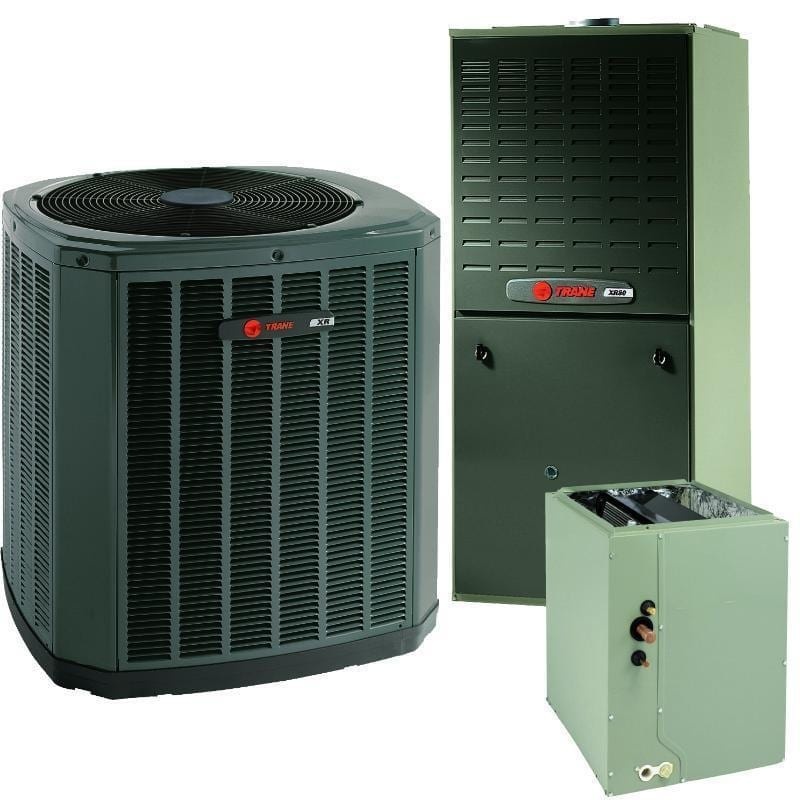
A 4-ton Trane air conditioner is ideal in mid-to-large residential areas, which are usually 1,600 to 2,000 square feet.
Cost of Installation and Price Range: The average 4-ton Trane unit may be priced between 4,000 and 6,470 dollars. Installation may cost between 5,100 and 8,080 with labor, materials and possible duct modifications. The differences are caused by the efficiency, market rates and complexity of the installation.
The bigger the system the more energy it uses; therefore, by investing in a higher SEER model, the utility costs can be reduced considerably in the long run. Advanced controls and two-stage compressors tend to enhance humidity control and stabilize indoor temperatures.
Duct sizing is very important in a 4-ton system because the air handler must be able to move more air without resulting in high static pressure.
Ducts that are too small may cause unequal cooling and overload the parts of the AC
Zoning and Controls: In larger houses, zoning can be very effective in enhancing comfort as it can be used to send cool air to the rooms that are mostly used. Zoning increases the cost of the initial investment, but it can save energy by avoiding overcooling of unused areas.
A 4-ton Trane AC that is installed and taken care of well can last up to 15 years and more. Routine tune-ups, check-ups, and replacement of parts as necessary extend the life and keep efficiency.
How Much Does a 5-Ton Trane AC Cost?
The 5-ton Trane air conditioner is used in bigger houses, usually between 2,000 to 2,500 square feet or larger.
Don’t Overpay for HVAC Services – Call 888-894-0154 Now to Compare Local Quotes!
Standard Price and Installation Range: The cost of a 5-ton AC unit alone is usually between 4,520 and 7,580 dollars. With the inclusion of installation charges, duct modifications, and other supplies, the cost may reach 5,650 to 9,200 dollars. Top-of-the-line models with higher SEER ratings can exceed these numbers but save significantly on energy bills in the long run.
A 5-ton system is quite powerful in cooling, but a careful load calculation must be done to make sure that it is not oversized or undersized.
The size of windows, insulation in the attic and ceiling height can also determine the efficiency of the system in cooling
To counter the possible high energy bills, many homeowners opt for higher-SEER models of a 5-ton unit. Indoor air quality and comfort can be enhanced by features such as variable-speed compressors, sophisticated filtration, and intelligent thermostats, but these features increase the cost of the equipment.
Oversizing may lead to humidity problems, on-off cycling and energy wastage. One should not assume that bigger is better when calculating the right size of the system but use professional load calculations.
Possible Return on Investment Although a 5-ton unit is a costly investment, it may be worthwhile to large families living in hot areas. In the long run, high-efficiency technologies will assist in lowering monthly bills, which will partially cover the increased cost of purchase
Which Installation Factors Affect Overall Costs?
n addition to the cost of the AC unit itself, there are a number of installation-related factors that may affect the overall bill:
Ductwork Condition: Leaking, poorly insulated, or damaged older duct systems may be inefficient. Replacing or fixing ductwork will cost more but will maximize AC efficiency and comfort.
Electrical Upgrades: A new AC unit might need an upgrade of the electrical panel in case the current panel does not support the amperage. Newer or bigger systems tend to require more electricity as compared to older ones. Refrigerant Line Set: It is imperative to match the type and diameter of the refrigerant to ensure the best performance. Old line sets may be incompatible or in bad condition and should be replaced, increasing the budget of the project.
Coil or Indoor Air Handler: The central air conditioners depend on an indoor coil to exchange heat. In case a homeowner chooses to change both the furnace and the AC coil to a more coordinated system, the total cost will increase. A matched system is, however, often more efficient and performant.
Work and Complication: The cost of labor differs with the location and certain installations are more labor intensive than others. A simple replacement is usually cheaper than retrofitting an old system with a lot of retrofitting, vent work or structural modifications.
What Are Some Key Features of Trane AC Units?
Trane’s reputation for durable, efficient systems stems from several notable features:
- Sturdy Construction: Trane focuses on durability, frequently applying all-aluminum coils and being extensively tested. This strong design reduces the possibility of premature component failure and assists the unit to survive in severe environments.
- Variable-Speed Compressors: The mid- to high-end Trane models tend to include two-stage or completely variable-speed compressors, which keep the indoor temperatures more consistent and consume energy more efficiently.
- Smart Thermostat Integration: A part of Trane units is compatible with ComfortLink technology, which allows remote monitoring, diagnostics, and accurate temperature control. Smart thermostats are also able to monitor energy use and give maintenance warnings.
- Noise Reduction: Trane spends on the insulation of compressor compartments and the fan blade design that reduces the sound of operation. These will make the outdoor unit less noisy and will make the household environment more comfortable.
- Warranty Coverage: Trane provides limited warranties on key parts, and some of the high-end models have extended warranties. Maintenance of these warranties is often subject to timely registration and regular maintenance
How Can Homeowners Save on Trane AC Costs?
Get Several Quotes: Competitive pricing is achieved by obtaining multiple quotes by well-established HVAC contractors. Contractors can vary in the equipment suggestions, labor plans, and promotions. Make a Smart Purchase Time: In some cases, spring and fall (when HVAC demand is reduced) may provide better offers or reduce the waiting line. Also, there are manufacturers who conduct seasonal promotions.
Enquire About Rebates and Incentives: A lot of utility companies and local governments offer incentives to install high-efficiency systems. These can reduce the overall out-of-pocket expenses when combined with the promotions of Trane itself.
Put First Things First: Proper Sizing: A thorough load calculation by an HVAC professional avoids the expensive problem of oversizing. An appropriately sized AC will be more efficient, will cycle less frequently and is more likely to last longer.
Don’t Overpay for HVAC Services – Call 888-894-0154 Now to Compare Local Quotes!
Keep the System in Check: Regular tune-ups once a year and timely filter replacement maintain efficiency and minimize the chances of untimely system breakdowns. In the long run, maintenance of the AC is cost effective as it reduces expensive repairs.
Take a look at Extended Warranties: The long warranties are an added cost but may save homeowners the high cost of repairing important parts in future. Evaluation of the coverage information and comparing it with the average repair expenses may help to understand its worth.
Homeowners can have the performance, longevity, and comfort of a Trane air conditioner without breaking the bank by using these cost-saving strategies together: getting multiple quotes, using rebates, and correct sizing.
How to Get the Best Trane AC Prices?
- Firstly, keep in mind that installation quality is always the most important thing for air conditioner project. So never sacrifice contractor quality for lower price.
- Secondly, remember to look up the latest tax credit and rebates.
- Thirdly, ask for at least 3 bids before you make the decision. You can click here to get 3 free estimates from your local contractors, and this estimate already takes rebates and tax credit into consideration and filter unqualified contractors automatically.
At last, once you chose the right contractor, remember to use the tactics from this guide: homeowners tactics when negotiating with HVAC dealer to get the final best price.