You want to change your water heater but you do not know how much it will cost? Most residential installations cost between 800 and 3500 dollars on average to replace a water heater depending on the type, size and complexity of the installation.
Knowing these costs is a key to homeowners to budget accordingly and make informed choices regarding their home hot water system.

This detailed guide will help you to understand all the costs that you will incur when replacing your water heater such as unit prices, installation costs, and other factors that can influence your overall investment.
| Water Heater Type | Unit Cost | Installation Cost | Total Average Cost |
|---|---|---|---|
| Conventional Tank (40-50 gal) | $400-$1,500 | $400-$900 | $800-$2,400 |
| Tankless | $700-$2,000 | $700-$1,500 | $1,400-$3,500 |
| Heat Pump (Hybrid) | $1,200-$3,000 | $400-$900 | $1,600-$3,900 |
| Solar | $2,000-$5,000 | $1,500-$3,000 | $3,500-$8,000 |
Types of Water Heaters and Their Replacement Costs
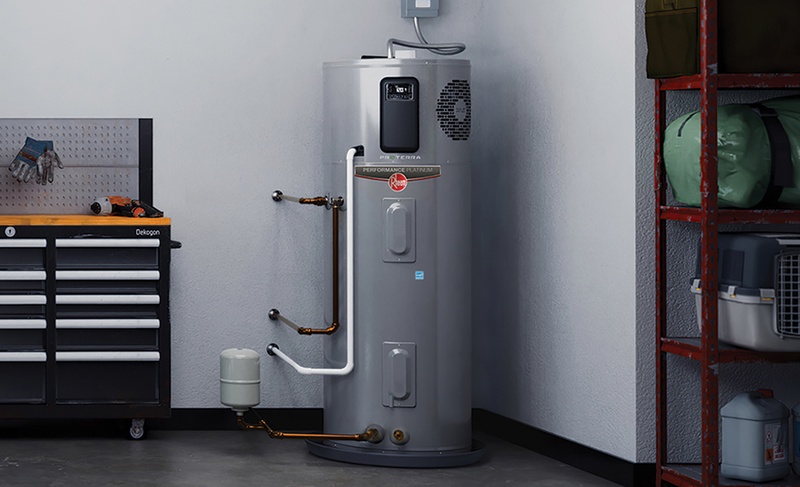
The various types of water heaters have different prices, benefits and installation specifications. There are four primary categories of residential water heaters, which include conventional storage tanks, tankless, heat pump (hybrid) and solar systems, each with its own household requirements and budgetary considerations.
Conventional Storage Tank Water Heaters
The conventional storage tank water heaters are the most common and traditionally used water heaters in American homes and they have an insulated tank that heats and stores water until it is needed. These units normally go at a price of 400-1500 dollars just on the appliance alone and installation costs are 800-2400 dollars.
The traditional tank water heaters come in different capacities, usually 30-80 gallons. The average 40-50 gallon models that can serve an average household (3-4 people) are normally in the mid-range price category.
They are powered by electricity, natural gas, liquid propane or fuel oil, and gas-powered models are typically $100-$200 more expensive than similar electric models.
Although these systems are cheaper to install, they use more energy as a result of standby heat loss and tend to have shorter lifespan (8-12 years) compared to the other types. They need larger space and can even get out of hot water when there is a high demand.
Tankless Water Heaters
Tankless water heaters warm the water directly as it passes through the device without the storage tank. The unit price is between 700-2000 dollars, and installation adds another 1400-3500 dollars depending on the complexity and the infrastructure of the home.
These systems provide hot water when needed, which removes standby energy losses that are linked to storage tanks. They are small, wall-mounted, and conserve a lot of space and they usually last 20+ years with proper maintenance – almost twice as long as the conventional ones.
Don’t Overpay for HVAC Services – Call 888-894-0154 Now to Compare Local Quotes!
The increased initial costs of tankless systems may be compensated by the energy savings (up to 34 percent more efficient as Energy Star claims). Installation may however necessitate upgrading of gas lines, venting or electrical systems, particularly where the installation is replacing a conventional tank model.
Heat Pump (Hybrid) Water Heaters
Heat pump water heaters do not produce heat but transfer heat in the air or ground by using electricity. Unit prices are normally between 1,200-3,000 dollars, and the total installed costs are 1,600-3,900 dollars, which puts them in the middle of the scale regarding initial investment.
They use up to 60 percent less electricity compared to the conventional electric water heaters because they transfer heat rather than produce it. Although they are more costly at the beginning, hybrid models can pay off their cost difference in terms of energy savings in 2-4 years in most households.
Heat pump water heaters must be installed in places with good air space and moderate temperatures (40-90 F). They require 7 feet clearance between the floor and ceiling and at least 1,000 cubic feet of air space and thus cannot fit in small spaces.
Solar Water Heaters
Solar water heating systems have solar collectors installed on the roof and absorb the heat of the sun and transfer it to water. These green systems are the most expensive to install, with prices of between 3,500-8,000 dollars fully installed, but they save a lot of energy in the long run.
The majority of solar water heaters need a backup system on cloudy days or during peak demand, which is normally included in the overall system price. The initial investment can be greatly reduced by federal tax incentives, state rebates and local utility programs.
Well-maintained solar water heaters have a life of 20+ years and the cost of energy savings can pay off the investment in 10-15 years depending on the local utility rates and sunlight availability. They are perfect to environmentally friendly house owners in sunny areas who seek long term value.
Factors Affecting Water Heater Replacement Costs
The total cost of replacing a water heater is affected by a number of factors besides the unit price. Knowledge of these variables will enable the homeowner to know the possible costs and prevent surprises in the budget when replacing the home.
Installation Location and Accessibility
The geographical position of the water heater you are using also has a great influence on the cost of installation. Accessibility of hard-to-reach places may add 25-50 percent to the labor costs because it takes longer and special equipment to get the work done safely.
Water heaters that are placed in crawlspaces, attics or closets with low clearance are usually more expensive to replace compared to those placed in open basements or utility rooms. The space might need drywall, doorway, or other structural elements to be removed and replaced in order to install some installations.
Installations on the second floor or in the attic may need extra labor and safety measures, especially on heavier models of tanks. Other contractors will offer high prices on such difficult installation situations because of the risk and physical activity.
Code Compliance and Necessary Upgrades
The local building codes change with time and in most cases, when replacing a system, it is necessary to update the system. Depending on the age of the old system, it may cost an additional 100-1,000 dollars to bring a water heater installation up to current code standards.
Upgrades that are typically required by code are expansion tanks ($40-$150), pressure relief valves ($20-$200), earthquake strapping in seismic areas ($50-$150), and dedicated electrical circuits or GFCI protection ($150-$300). Gas models may need venting upgrades to comply with current safety requirements of up to $300-$800.
Local codes may require water heater platforms to elevate the units in a garage or flood-prone location (usually 18 inches above the floor), which costs an additional $100-$200. These are dependent on location but are not negotiable on legal, permitted installations.
Fuel Source Conversion
The change in the type of fuel is one of the most important cost factors in the replacement of water heaters. Switching to gas may cost an additional $500 to 2,000 to the project, whereas switching to electric will cost an average of 200 to 800.
Gas conversions involve the installation of gas lines ($15-$25 per linear foot), venting ($300-$800) and possibly the replacement of gas meters ($300-$800). Such changes usually require permits and inspections, which increase the cost and the project schedule.
Electric conversions might need electrical panel work in case the current circuit is not sufficient to accommodate the needs of the new water heater. Additional 30-amp circuits to run the standard electric models or 40-60 amp service to run tankless electric models can cost an additional $300-$1,500 to the project.
Home Age and Existing Infrastructure
Older houses usually have special problems which add to the cost of replacement. Houses constructed prior to 1980 can need retrofitting of the plumbing connections, electrical or venting to allow the installation of modern water heaters safely, which can add up to $200-$1,000 to the job.
During the installation of water heaters, old plumbing materials such as galvanized steel pipes may require replacement because they are likely to be corroded and not compatible with new copper or PEX systems. This remediation work is normally charged between 300-1500 dollars depending on the complexity.
Older homes could have electrical panels that do not have space to add new appliances or do not comply with the latest safety regulations, which might need to be upgraded at a cost of between $1,200 and 4,000. Such infrastructure constraints at times render the conversion of fuel sources economically unfeasible.
Don’t Overpay for HVAC Services – Call 888-894-0154 Now to Compare Local Quotes!
Average Labor Costs for Water Heater Installation
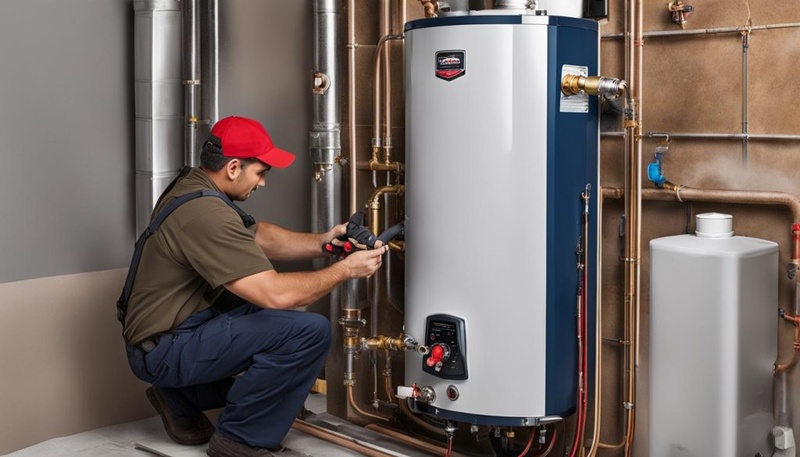
The cost of professional installation is a large part of the cost of replacing a water heater, which is usually 30-40 percent of the total cost of the project. The average labor costs are between 45-150 dollars an hour and most installations take 2-8 hours of labor depending on complexity.
| Installation Type | Average Labor Hours | Typical Labor Cost | Complexity Factors |
|---|---|---|---|
| Like-for-Like Tank Replacement | 2-3 hours | $150-$450 | Straightforward, minimal modifications |
| Tank to Tankless Conversion | 4-8 hours | $400-$1,200 | Venting, electrical/gas line upgrades |
| Standard to Heat Pump | 3-5 hours | $250-$750 | Condensate drainage, electrical upgrades |
| Solar System Installation | 8-16 hours | $800-$2,400 | Roof work, backup system integration |
Plumber vs. Contractor vs. DIY Installation
Various professionals provide services of installing water heaters at different prices. The cost of installing a water heater is usually between 75-150 dollars per hour by licensed plumbers, 45-85 dollars per hour by general contractors and 50-100 dollars per hour by handyman services.
Licensed plumbers are the safest option even though they charge higher per hour because they are specialized in water systems, venting, and codes. Most cities have licensed plumbers to install permitted water heaters especially gas water heaters.
General contractors can provide cheaper prices but often subcontract plumbing which can include markup costs. Handyman services may offer the cheapest labor rates but are usually not specialized in the complex installations and therefore may pose safety concerns or code violations.
DIY installation may save labor cost completely but has high risks such as personal injury, damages to property, warranty voiding, inspection failure, and insurance issues. The majority of the manufacturers demand professional installation to keep the warranty.
Regional Labor Rate Variations
The cost of labor to install the equipment differs greatly depending on the geographic location due to the difference in local cost of living, the demand of the services and licensing requirements. The labor rates in metropolitan areas are normally 30-50 percent more than in the rural areas on the same water heater installation.
| Region | Average Hourly Labor Rate | Typical Installation Cost |
|---|---|---|
| Northeast (NY, MA, CT) | $90-$150 | $500-$1,200 |
| West Coast (CA, WA, OR) | $85-$150 | $450-$1,100 |
| Midwest (IL, OH, MI) | $65-$120 | $350-$900 |
| South (TX, FL, GA) | $60-$110 | $300-$850 |
| Rural Areas (Nationwide) | $45-$90 | $250-$700 |
The increased prices in coastal and northeastern states are associated with more stringent licensing, increased insurance costs to contractors, and more complicated permitting. Competitive rates are usually higher in the southern and midwestern regions because of the reduced overhead costs.
Pricing is seasonal in most areas, and rates are higher during peak seasons (usually fall and winter) when emergency replacements go up. Other contractors provide off-season discounts in spring and summer when the demand is not so high.
Additional Costs to Consider
In addition to the fundamental costs of the water heater unit and labor costs of installation, there are a number of other costs that can affect your overall project budget. These additional costs may increase the cost of replacing a water heater by up to $300-$2,000 depending on your circumstances and needs.
Permits and Inspections
To be safe and to meet the code, most municipalities need permits to replace water heaters. The cost of permit is usually between 50-250 dollars depending on the location and the scope of the project with bigger cities tending to charge higher fees than the rural areas.
Installations of gas water heaters nearly always need permits because of the safety issues of gas lines and venting. In some jurisdictions, electric models may be exempted of permits, especially in like-for-like replacements that do not involve electrical alterations.
Inspection fees are normally part of permit fees and they are used to ensure that installations are up to the local building codes. Unsuccessful inspections can involve correctional work and re-inspection charges, which can add up to 100-300 dollars to the project and delay the project completion.
Disposal of Old Unit
There are extra expenses that most homeowners do not consider when they want to remove and dispose of their old water heater. The cost of disposal is usually between 25-150 depending on the local laws and the way of disposal.
Most installation contractors will quote basic removal as part of their service, but will add a fee to remove hard-to-get-at units or those that contain hazardous materials. There are municipalities that have special requirements in the disposal of water heater that increase the cost.
There are recycling opportunities in most regions, and some scrap yards will take old water heaters in exchange of small amounts of money ($10-$30) because of the metal content. Contractor disposal is, however, more feasible due to transportation logistics in spite of the extra cost.
Don’t Overpay for HVAC Services – Call 888-894-0154 Now to Compare Local Quotes!
Water Damage Remediation
When replacing a leaked or failed water heater, water damage to other areas may be involved. The cost of minor repair of water damage is between 300 and 1,200 dollars whereas major repair may cost more than 5000 dollars depending on the materials involved and the structural effects.
Typical remediation requirements are the replacement of water-damaged drywall ($250-$750), treatment or replacement of the affected flooring ($400-$1,500), and the possible mold problem ($500-$3,000). These are not the costs that are normally included in the standard replacement quotes.
Water damage restoration can be a specialty of its own and not just plumbers, which can complicate the project management and prolong the time it takes to fully replace the water heater and the space.
System Upgrades and Accessories
New water heaters can be enhanced by various accessories and system improvements to increase performance, life and safety. Typical add-ons cost between $100 and $800 on top of the base installation price but can be worthwhile because of the longer equipment life and better efficiency.
| Accessory/Upgrade | Cost Range | Benefit |
|---|---|---|
| Expansion Tank | $40-$150 installed | Prevents excessive pressure, extends system life |
| Water Softener/Conditioner | $400-$1,500 installed | Reduces mineral buildup, improves efficiency |
| Timer Controls (Electric) | $75-$150 installed | Reduces energy consumption during peak hours |
| Recirculation Pump | $200-$600 installed | Provides instant hot water, reduces water waste |
| Premium Anode Rod | $40-$150 installed | Extends tank life by preventing corrosion |
| Thermal Blanket | $30-$70 installed | Reduces standby heat loss, improves efficiency |
| Water Heater Pan | $30-$100 installed | Contains leaks, prevents water damage |
Water softeners are especially useful in hard water areas, where they may extend the life of water heaters by twofold by inhibiting scale formation. Recirculation pumps are able to save water and offer convenience by delivering hot water almost immediately.
Water Heater Cost by Brand
The choice of brand has a great impact on the prices and quality of water heaters. The high-end manufacturers sell their products at a higher price than the economy ones, but the premium brands are usually 15-40 percent more expensive and usually have longer warranties and better performance.
| Brand | Economy Models | Mid-Range Models | Premium Models | Warranty |
|---|---|---|---|---|
| Rheem/Ruud | $400-$700 | $700-$1,300 | $1,300-$2,500 | 6-12 years |
| A.O. Smith | $450-$800 | $800-$1,400 | $1,400-$3,000 | 6-12 years |
| Bradford White | $500-$900 | $900-$1,500 | $1,500-$2,800 | 6-10 years |
| Navien | N/A | $1,300-$1,800 | $1,800-$3,500 | 15 years (heat exchanger) |
| Rinnai | N/A | $1,200-$1,700 | $1,700-$3,200 | 12-15 years (heat exchanger) |
| State | $400-$700 | $700-$1,200 | $1,200-$2,300 | 6-10 years |
| Whirlpool | $350-$650 | $650-$1,100 | $1,100-$2,200 | 6-12 years |
Brands of professional quality such as Bradford White are sold mostly by licensed plumbers and not at retail stores. They are usually more heavily built with more stringent testing and carry higher prices to reflect their commercial grade construction.
Tankless experts such as Navien and Rinnai only deal with the high-end products that are sold at a premium price. Their expertise in tankless technology is usually more efficient and reliable even though it is more expensive.
Home Depot (Rheem), Lowe (A.O. Smith), and other retailer store brands can be of similar performance as name brands at reduced prices, but with shorter warranties or fewer service technicians available.
Water Heater Replacement Cost by Size
The size of a water heater has a direct effect on the cost of the water heater, the larger the water heater the higher the cost. A unit price increase of 100-200 dollars is normal with every 10 gallons of capacity increase in the conventional tank models.
| Tank Size | Suitable For | Average Unit Cost | Installation Cost | Total Cost |
|---|---|---|---|---|
| 30 Gallons | 1-2 people | $350-$900 | $400-$900 | $750-$1,800 |
| 40 Gallons | 2-3 people | $400-$1,100 | $400-$900 | $800-$2,000 |
| 50 Gallons | 3-4 people | $500-$1,300 | $450-$950 | $950-$2,250 |
| 75 Gallons | 4-5 people | $700-$1,800 | $500-$1,000 | $1,200-$2,800 |
| 80+ Gallons | 5+ people | $900-$2,000 | $550-$1,100 | $1,450-$3,100 |
In the case of tankless water heaters, the size is based on the flow rate of gallons per minute (GPM) as opposed to the storage capacity. The increment in the price of each GPM of capacity is about 150-300 dollars and the majority of residential systems have a capacity of 4-10 GPM.
| Tankless Size (GPM) | Suitable For | Average Unit Cost | Installation Cost | Total Cost |
|---|---|---|---|---|
| 4-6 GPM | 1-2 bathrooms | $700-$1,300 | $700-$1,500 | $1,400-$2,800 |
| 7-9 GPM | 2-3 bathrooms | $1,000-$1,700 | $800-$1,600 | $1,800-$3,300 |
| 10+ GPM | 3+ bathrooms | $1,500-$2,200 | $900-$1,800 | $2,400-$4,000 |
An oversized water heater is costly to purchase and operate and an undersized one results in shortage of hot water. The right sizing according to the size of the household and the peak demand patterns will guarantee the best performance and cost effectiveness throughout the life of the system.
DIY vs. Professional Water Heater Installation
The idea of DIY installation is very popular among homeowners who want to minimize the costs of replacing a water heater, yet this method implies serious trade-offs. DIY installation may save up to 400-1200 dollars on labor but it comes with a number of risks and complications that professional installation does not have.
Comparing DIY and Professional Installation
| Consideration | DIY Installation | Professional Installation |
|---|---|---|
| Initial Cost | Lower (saves labor costs) | Higher (includes labor) |
| Safety Risk | Higher (electrical, gas, scalding hazards) | Lower (trained professionals) |
| Warranty Coverage | Often voided by DIY installation | Maintained with licensed installation |
| Code Compliance | Challenging without specialized knowledge | Ensured by licensed professionals |
| Insurance Implications | May void coverage for related damages | Maintains insurance protections |
| Time Investment | Significant (4-12 hours for novices) | Minimal (2-8 hours, no homeowner time) |
| Tool Requirements | Specialized tools needed ($100-$300) | Included in service cost |
The majority of manufacturers do not cover water heaters that are installed by unlicensed people, and this removes the coverage of the potentially costly defects. This warranty consideration in itself is usually more than the cost savings of DIY installation to many homeowners.
Poor installation may cause severe safety risks such as carbon monoxide emissions (gas models), electrical fire (electric models), explosion risk (pressure problems), or scalding (temperature control malfunctions). Professional installation greatly minimizes these risks.
When DIY May Be Appropriate
Even though it is risky, DIY installation can be appropriate in some limited cases. The easiest electric tank replacements in convenient locations with available compatible connections have the least risk profile to DIY installations, especially to homeowners with plumbing and electrical expertise.
Replacement of like-with-like with the same connection types, location, and capacities reduces possible complications. Major configuration or fuel source conversions are never suitable to DIY installations no matter how experienced.
In some jurisdictions, homeowners can pull their own permits on water heater replacement, which covers the code compliance issue but still saves on labor costs. This mixed solution retains certain cost advantages and guarantees adequate inspection and safety check.
Financing Options for Water Heater Replacement
The initial cost of replacing water heaters can be addressed with the help of various financing options. There are zero-interest promotional credit, long-term home improvement loans and many others, each having its own advantages depending on your financial status.
Manufacturer and Retailer Financing
A large number of water heater manufacturers and retailers have special financing plans. These often include promotional periods of 0% interest on purchases above minimum limits (usually 500-1000 dollars).
Similar promotional financing is offered by home improvement stores such as Home Depot, Lowe and Menards through store credit cards. Such alternatives are usually credit-based and can charge a high interest rate (18-26% APR) when the balance is not paid during the promotional period.
Financing by the manufacturer via partnered installation companies can have longer terms (24-60 months) at competitive interest rates (5-15% APR) and streamlined application procedures combined with the quote and installation process.
Personal Loans and Credit Options
Traditional financing methods provide alternatives to specialized water heater financing progra

How to Get the Best HVAC Prices
- Firstly, keep in mind that installation quality is always the most important thing for residential HVAC project. So never sacrifice contractor quality for a lower price.
- Secondly, remember to look up the latest rebates as we talked above.
- Thirdly, ask for at least 3 bids before you make the decision. You can click here to get 3 free estimates from your local contractors, and this estimate already takes rebates and tax credit into consideration and filter unqualified contractors automatically.
Lastly, once you chose the right contractor, remember to use the tactics from this guide: Homeowners Tactics When Negotiating with HVAC Dealer to get the final best price.