For air conditioner pipe insulation, choose pre-slit foam for indoor refrigerant lines and multi-layer Oxford covers for outdoor protection. Duck Brand foam is best for easy indoor installs; CrsaSwivo and MYFAMIREA are best for outdoor weatherproof protection; Tsurpcao foam tubing is best for tight 1″ pipes and flexible routing; K-FLEX elastomeric is best for durable, brand-name thermal insulation. Below is a quick comparison to match buyers to the right product type.
| Product | Best For | Key Feature |
|---|---|---|
| Duck Brand Foam Pipe Covers | DIY indoor plumbing and AC lines | Pre-slit, self-sealing foam, safe to 212°F |
| CrsaSwivo 3-Layer HVAC Cover | Outdoor AC lines needing weatherproofing | 600D Oxford + pearl cotton + aluminum foil |
| Tsurpcao 1″ Foam Tubing | Tight 1″ diameter pipes and flexible routing | Fire-retardant foam, -40°F to 176°F range |
| MYFAMIREA 3-Layer HVAC Cover | Outdoor mini-split and copper line protection | Triple-layer weather resistant sleeve |
| K-FLEX USA 3/4″ Elastomeric Insulation | Higher-performance elastomeric insulation needs | Elastomeric material with aluminum facing |
Duck Brand Foam Pipe Covers

Features: Pre-slit foam tubes with self-sealing adhesive edge, designed for hot and cold water pipes, indoor water, air conditioning and HVAC pipes. Rated safe for temperatures up to 212°F.
Best for: Choose this if you need easy, quick insulation for indoor AC refrigerant or water lines. The pre-slit design and self-sealing edge simplify installation for DIYers and service technicians working on curved or already-installed pipes.
Caution: Avoid this if you need UV-resistant or heavy-duty outdoor protection, because foam tube products like this are primarily intended for indoor use and do not offer the multi-layer weatherproof protection listed for outdoor sleeves.
CrsaSwivo 3 Layers HVAC Copper Pipe Insulation Cover
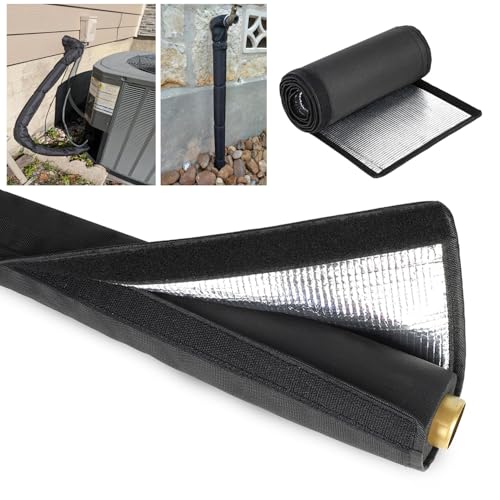
Features: Three-layer construction with outer 600D Oxford cloth, pearl cotton middle, and aluminum foil inner layer. Measures approximately 78.74″ x 11.81″ and includes four adjustable nylon straps; designed to reduce heat/cold loss and condensation and to resist aging.
Best for: Best for outdoor AC line sets and refrigerant piping exposed to sun and weather. The layered design reflects heat, cushions lines, and provides adjustable straps for secure fit on pipe runs up to the listed width.
Caution: Avoid this if your pipe bundle exceeds the stated width or outer diameter range, since the cover’s stated adjustable sizing limits may not fit very large multi-line bundles.
Tsurpcao 1″ Pipe Insulation Foam Tubing

Don’t Overpay for HVAC Services – Call 888-894-0154 Now to Compare Local Quotes!
Features: Foam tubing with 1″ inner diameter and 1-23/32″ outer diameter, 6 ft total length. Made of fire-resistant, self-extinguishing material; working temperature range -40°F to 176°F. Materials are described as flexible, waterproof, and low thermal conductivity.
Best for: Choose this if you have 1″ pipes or tight routing where flexible, flame-retardant tubing is required. The specified ID/OD makes it suitable for precise fits on small-diameter refrigerant lines and indoor plumbing.
Caution: Avoid this if your pipes are larger than the listed dimensions; this tubing is sized for 1″ ID applications and will not properly fit larger-diameter lines without modification.
MYFAMIREA 3-Layer HVAC Copper Pipe Insulation Cover

Features: Triple-layer outdoor sleeve with waterproof 600D Oxford outer shell, thickened pearl cotton middle, and reflective aluminum foil inner layer. Designed to protect HVAC lines from sun damage, freezing, and physical wear while improving thermal performance.
Best for: Better for homeowners and contractors who need a weather-resistant, reusable wrap for mini-splits, central AC, and exposed copper lines. The durable outer fabric and inner foil address both UV exposure and heat reflection.
Caution: Avoid this if your installation requires custom-length coverage beyond the listed 72″ length without overlapping or if you require integrated fasteners beyond the sleeve’s closure method.
K-FLEX USA 3/4″ x 6 ft. Elastomeric Pipe Insulation
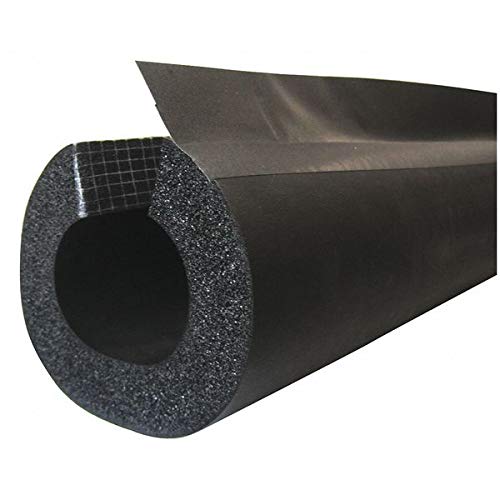
Features: Elastomeric pipe insulation in 3/4″ nominal size and 6 ft length from a recognized insulation brand. Product description lists durable construction and aluminum-facing material in the feature set.
Best for: Best for buyers who want a branded elastomeric option for thermal control on indoor refrigerant or water lines. Elastomeric material offers flexible, closed-cell insulation suitable for condensation control on conditioned systems.
Caution: Avoid this if you specifically need an outdoor multi-layer weather sleeve. This elastomeric product is a thermal insulation jacket rather than a heavy-duty, UV-resistant outer cover.
Buying Guide
Which material is best for outdoor AC pipe insulation?
Choose a multi-layer sleeve that lists an outer 600D Oxford fabric, a thick insulating middle (pearl cotton or similar), and an inner reflective foil. Those three layers address physical wear, thermal reflection, and trapped-air insulation. Look for adjustable straps or closures for a tight fit.
Can I use pre-slit foam on exposed outside lines?
Pre-slit foam like Duck Brand is designed for indoor installs. For exposed outdoor lines, prefer a dedicated weatherproof sleeve. Outdoor covers list UV resistance, waterproof outer fabric, and thicker insulation layers.
How do I measure pipe insulation size?
Measure the pipe outer diameter (OD). For foam tubing, match the inner diameter (ID) to the pipe OD. For multi-line sleeves, measure the combined bundle width and compare to the sleeve’s length/width to ensure proper wrap and closure.
Is temperature range important?
Yes. Check the material’s stated working temperature range to ensure it handles local extremes. Foam and elastomeric products list temperature ratings; select materials rated below expected low temps to prevent embrittlement and above high temps to avoid deformation.
Installation and fastening considerations?
Look for pre-slit, self-sealing edges for fast indoor installs. For outdoor covers, choose adjustable straps, contact-type fastening strips, or sewn closures to secure the sleeve against wind and movement. Ensure overlaps and sealed seams to prevent water ingress.
How to balance insulation thickness and flexibility?
Thicker insulation reduces heat transfer and condensation but can be less flexible in tight runs. Use foam tubing for tight bends and elastomeric or multi-layer sleeves where mechanical protection and weather resistance are priorities.
FAQ
- Can I wrap both the suction and liquid lines? Yes. Insulating the suction line reduces condensation and improves efficiency; insulating the liquid line can reduce heat gain on long exposed runs.
- Do I need special tools to install foam tubing? No special tools are required for pre-slit foam; a utility knife and tape are usually sufficient for cutting and sealing ends.
- How do I protect insulated outdoor sleeves from rodents or mechanical damage? Use a durable outer cover such as 600D Oxford fabric or add a conduit/covering that resists tearing and abrasion.
- Will insulation prevent freezing? Insulation reduces heat loss and helps prevent freezing in many cases, but in extreme cold additional heat tracing or protective measures may be required.
- How do I maintain insulated AC lines? Inspect periodically for tears, displaced sections, or degraded closures. Replace sections with UV or water damage and reseal any exposed seams.

How to Get the Best HVAC Prices
- Firstly, keep in mind that installation quality is always the most important thing for residential HVAC project. So never sacrifice contractor quality for a lower price.
- Secondly, remember to look up the latest rebates as we talked above.
- Thirdly, ask for at least 3 bids before you make the decision. You can click here to get 3 free estimates from your local contractors, and this estimate already takes rebates and tax credit into consideration and filter unqualified contractors automatically.
Lastly, once you chose the right contractor, remember to use the tactics from this guide: Homeowners Tactics When Negotiating with HVAC Dealer to get the final best price.