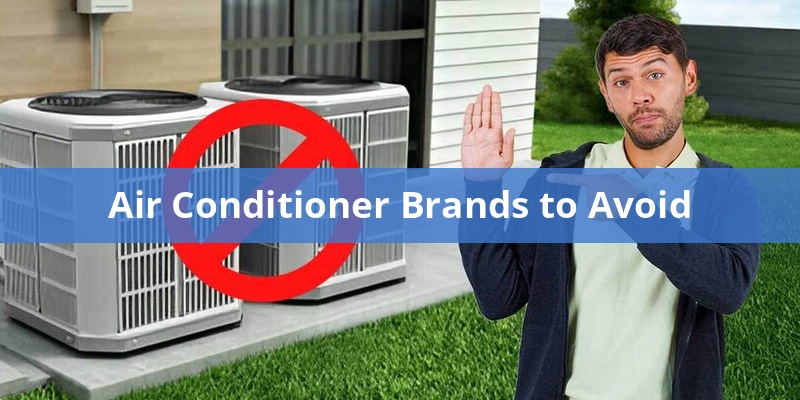
The selection of the air conditioner is also important to keep cool during hot summers. Unluckily, there are brands of AC that can make American consumers sweat, but not because of the heat, but because of the frustration.
Such problems as frequent failures, ineffective cooling, and unsupportive customer service haunt some manufacturers.
In this guide, we shall point out brands of air conditioners to avoid in the U.S market and the reasons why. We will discuss central AC systems, mini-split systems, and room ACs (window and portable) and identify problem brands and recommend good ones so you can keep cool without the hassles.
| AC Type | Brands to Avoid | Better Alternatives |
|---|---|---|
| Central AC | York (Coleman/Luxaire), Rheem, Concord, Tempstar | Trane (American Standard), Carrier (Bryant), Lennox, Daikin |
| Mini‑Split (Ductless) | Mr COOL, Carrier (Toshiba), Midea, Klimaire, LG, Gree, Senville | Mitsubishi, Fujitsu, Daikin, Panasonic |
| Room AC (Window/Portable) | TCL, Hisense, Black+Decker, Arctic King, Keystone, Whynter | LG, Midea, Friedrich, Newer Energy Star models |
Central AC Brands to Avoid
Central air conditioners are a big investment, and they are supposed to cool your house in 1015 years or so. Selecting a troublesome brand of central AC may lead to endless repairs, huge energy bills, and premature replacement, which is a costly mistake.
These are a few of the most common brands of central AC that you will see in consumer complaints and in the HVAC technician do-not-buy lists:
- York (including Coleman& Luxaire): York central ACs have gained a reputation of having a problem with quality-control and customer support. A lot of owners complain about such parts as evaporator coils breaking or leaking, which is expensive to repair. Coleman and Luxaire are sister brands produced by the same parent company and thus they share the same problems. The common complaints of users are refrigerant leaks and poor efficiency of such units. These systems are not always of the highest quality in terms of construction and therefore might not last long, even though they are usually promoted as cost-effective options.
- Rheem (and Ruud): Rheem central air conditioners have been rated both good and bad. Certain HVAC professionals observe that Rheem experienced problems with dying compressors and evaporator coils in previous models. The reputation of Rheem was less reliable because of inconsistent quality control in some years. Despite the fact that Rheem/Ruud systems may do a good job when installed correctly, many instances of premature refrigerant leaks and part failures place these brands on the watch list. Consumers ought to know that they may have warranty headaches in case of the known problems.
- Concord: Concord is a low-end brand of central HVAC (related to one of the largest manufacturers). Its cheaper cost is at the expense of durability. Consumers complain that Concord units require repair in a short period of time after only one or two years of use. Certain malfunctions (such as electrical problems or refrigerant leaks) are safety concerns when they are not fixed. Repair bills can erase the initial savings and Concord is not a good option as a long-term home cooling.
- Tempstar (and others): Tempstar is one of a number of less well known brands (part of the ICP/Carrier group) that are either good or not. A large number of Tempstar owners have complained of unreliable cooling and inconsistent cooling performance as the system matures. The other headache is that replacement parts may be difficult to locate or may take ages to come. This implies that a minor part breakdown can make you go without AC in a heatwave. These brands might be less expensive in the short term but the hassles and additional expenses in the future are major disadvantages.
It is noteworthy that even otherwise good companies have low end product lines that might not be durable. As an example, some older Lennox entry level models and some Carrier budget units (such as Payne) have been criticized as proprietary parts or limited warranties. Never trust the brand name, but always research the particular model series in terms of reliability.
Superior Central AC Alternatives: Stay with manufacturers that are proven to be quality and nationally supported. Trane (and its sister brand American Standard) is commonly ranked among the most dependable central AC manufacturers, with long-lasting parts and few breakdowns. Carrier (and Bryant) also provides good performance and dealer networks to service.
Lennox is known to be of high efficiency units and innovation and when properly installed their systems provide consistent long term cooling. International brands such as Daikin(parent of Goodman) are also investing in improved quality control. These options may be more expensive initially, but they are likely to be more reliable, energy efficient and have a better warranty service, which saves you money (and headaches) in the long run.
Mini‑Split AC Brands to Avoid
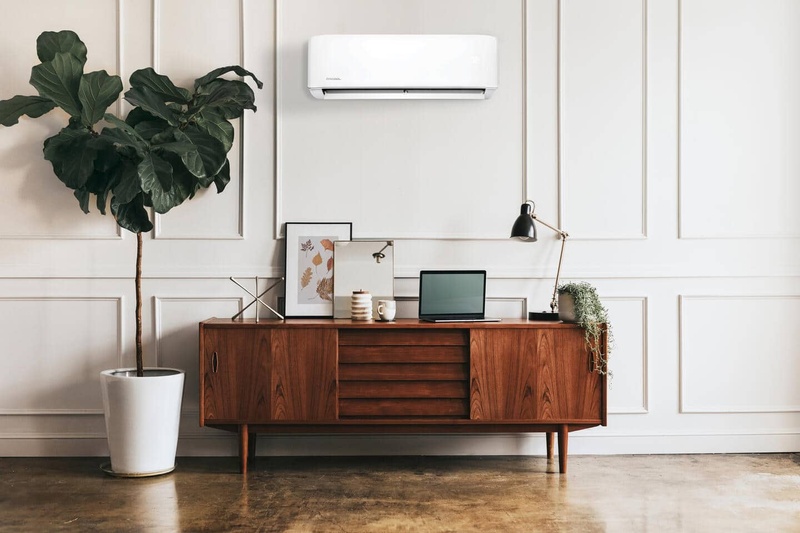
Ductless mini-split systems are known to be flexible and efficient, however, selecting the wrong brand might cause significant frustrations. Most of the off-brand or low-end mini-splits have poor quality control, installation problems, and unenthusiastic support.
These are some of the brands of mini-split AC to be wary of or to simply avoid:
Don’t Overpay for HVAC Services – Call 888-894-0154 Now to Compare Local Quotes!
- Mr COOL: As a DIY-friendly mini-split, Mr COOL is marketed as a product that is easy to install and has a low price. Nevertheless, many customers have complained that the units break down shortly after installation or are unable to keep cool. Refrigerant leaks, weird sounds, and error codes are mentioned as complaints. One of the most frequent complaints is problems with warranty service – customers regularly complain about inactive customer service and the inability to receive spare parts. In a word, the ease of DIY cannot compensate the reliability problems that Mr COOL systems have.
- Carrier (Toshiba Carrier ductless): Carrier is a leading brand in central AC, but their branded ductless mini-split systems have not won over all. Other purchasers discovered that the mini-split systems offered by Carrier were not as cool as they should have been, despite the specifications being good on paper. Temperature control issues and fan-speed glitches are also reported. Many Carrier mini-split owners who have problems report slow and unhelpful customer service. This demonstrates that even a high-end name can fail in this category when the product support is not in place.
- Midea: Midea is a giant producer that literally produces HVAC equipment under different brands. The mini-split units produced by Midea themselves are quite affordable and have nice features on paper. However, real life feedback shows some red flags. Users have complained that these systems may fail within just a few years of usage, which is much less than the 15-20 years you would expect. When owners want to get repairs, many become frustrated with the customer service of Midea, with delays and problems getting warranty assistance. In short, Midea mini-splits may cost you less in the short term, but their durability and service appear to be less than that of the market leaders.
- Klimaire: Klimaire (and other little known brands) are aimed at the low end of the ductless market. In marketing, they usually boast of simple installation and good performance. However, in reality, it has received mixed reviews regarding durability by consumers. There are also cases of DIY installers who experienced errors and malfunctions shortly after installing a Klimaire and getting it running, e.g. units that freeze up or show error codes as soon as they are plugged in. Customers also complain that it is not easy to get help; customer-support response is slow and warranty service may be a pain. Although Klimaire may be a short term fix in a small area, its long term reliability and support is doubtful.
- LG: LG is a famous brand of electronics, and their mini-split systems have the latest features. However, there are cases of unreliability that have made LG land on the avoid list of ductless units. Many people also complain about the inability to get replacement parts in time, so when your LG mini-split requires a repair, you may have to wait weeks to get a certain part. Units that are whisper-quiet at first but get noisy with time are also reported, and heating-mode peculiarities that interfere with comfort. These problems together with the problem of service cause some home owners to avoid LG in the mini-split market, despite the brand performing better with other appliances.
- Gree: Gree is a giant HVAC manufacturer in the world and literally produces most of the so-called store brand mini-splits. They have their own branded units that are feature rich and are usually cheap on the specs. The trick is that Gree systems are quite installation sensitive. According to HVAC forums, when a Gree mini-split is not installed perfectly, it can either have operational problems or lose efficiency. Other professionals also have warranty issues – Gree warranty may be nullified unless the product is installed by certified technicians, and the DIY customers will be left in a lurch. To conclude, Gree is a potentially good product, but it is not a good option to use it without being a professional because the margin of error is minimal and support may be weak.
- Senville: Senville is a Canadian company that markets cheap mini-split packages. They have become popular because they provide good SEER ratings at low costs. Senville units however have their caveats. The installation is often more difficult than anticipated by many users, particularly in multi-zone systems, and in many cases professional assistance is required in spite of the marketing as a do-it-yourself product. It is also complained that Senville systems are not so good in heating mode in colder climates and that the customer support of the company is not responsive when problems occur. In essence, Senville is a very good deal on the surface, but you might be assuming a certain amount of risk in terms of performance stability and quality of support.
Mini-splits are one of the areas where it is truly important to buy a quality product that has a proven track record because a cheaply made mini-split can turn into a nightmare when it is the height of summer (or winter, in the case of heat-pump models) and you can not get service.
Most HVAC professionals recommend that you should not use most no-name or bargain ductless brands because they tend to have similar parts and traps.
Improved Mini-Split Options: The general opinion of the professionals is that the best brands of mini-split are the ones that have proven reliability and service. Mitsubishi Electric is usually ranked the highest, and their mini-splits have a reputation of being well built, very quiet, and perform well in cold weather. Another very well-known brand is Fujitsu, which provides effective systems and a decent history of long life.
Daikin is also a world leader in HVAC, and it produces quality ductless units. Other well-known brands are Panasonic and Samsung. Such brands may be more expensive initially than the low-cost brands, but they are guaranteed to be better-engineered and have extensive service networks. Concisely, to have a smooth mini-split, it is prudent to spend money on a brand with a high reputation of reliability and customer satisfaction than to risk the unknown cheap brand.
Room AC Brands to Avoid (Window & Portable Units)
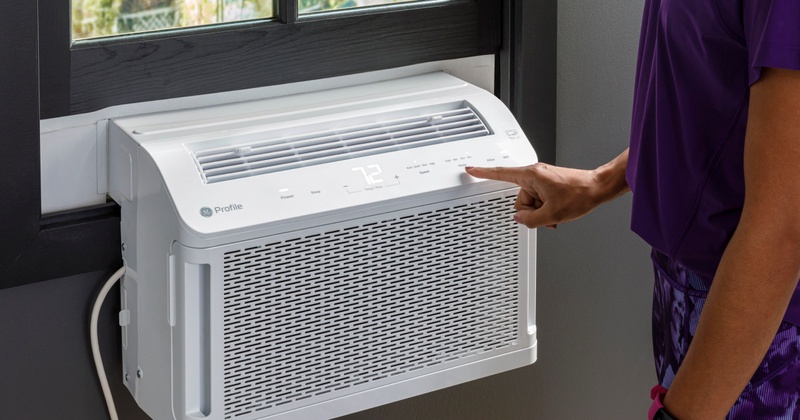
Room air conditioners (either window mounted or portable) are an easy method of cooling one room. However, other brands and models will not cool well (and will increase your electric bill) or will die after a season.
We also brandish names of brands that have received low scores in the room AC category in terms of reliability, performance, or support. We will divide it by window AC units and portable AC units:
Window Air Conditioner Brands to Avoid
- TCL: TCL is a brand known to sell low-end TVs and it also sells low-end window ACs. Unluckily, they tend to have difficulty in cooling bigger rooms and are rather loud. According to many users, TCL units can only be used in really small areas or when used occasionally. When forced too much, they can run without stopping and never reach the target temperature. The cheaper construction may also imply that it has a shorter life span so although the price is low the value is questionable.
- Hisense: Another brand of electronics is Hisense which sells cheap window ACs. Other Hisense models do not even have simple features such as good thermostats or remote controls. Customers often complain of loud operation and vibration noise that makes these units a nuisance to live with. Although Hisense has been around in the appliances industry, their window ACs are rated low in terms of satisfaction because of these design and performance flaws.
- GE (General Electric): GE is a household brand when it comes to appliances, but their new window air conditioners have not impressed most consumers. It has been reported that GE units are likely to wear out quicker than anticipated. Mechanical problems or electronic control problems may arise in a matter of two years. Moreover, GE models are heavy and bulky compared to the units of the competitors and it is a pain to install or remove them. The difficulty of handling and durability issues make GE fall in the avoid list of room ACs.
- Frigidaire: Frigidaire is a long-established brand in the cooling industry, and not everything they sell under the window AC category is as good as the old reputation. The most common criticism is bad customer service in case of a problem – users complain that they cannot get their warranty support or repairs scheduled. One also hears a lot of stories of Frigidaire window ACs that break down frequently or lose performance after a year or two. There is also the problem of noise; certain models rattle or have loud compressors and are not so bedroom friendly. Having rather short warranty terms and these reported problems, Frigidaire budget models may not be the safest choice (their high-end models are slightly better).
- Keystone: Keystone is a low profile brand that sells low priced window AC and portable units. The cheap cost is at a cost. Keystone ACs are not energy-efficient and users have to keep them running, which increases bills. Worse still, major components are prone to malfunction frequently. Replacement parts are not very easy to come by when a fan motor or compressor breaks down (and not very cost effective considering the price of the unit). These are some of the problems that have been recurrent and this makes Keystone another brand to watch out.
- Other Off-Brands: Avoid different off-brand or store-brand window ACs. Less known brands are usually not supported well and their sustainability is doubtful. Others will cool OK initially but after one season they will fail and with a brand name that is not well known you may not be able to find repair services or parts. It is usually better to stay away of any brand that you have not heard of or one that lacks a strong U.S. support base because chances are high that you will end up with a throw away unit.
Portable Air Conditioner Brands to Avoid
- Black+Decker: Black+Decker also markets portable AC units in numerous retailers by using its recognizable brand name. Nonetheless, the performance and the build quality of these units disappoint many buyers. B+D portables are usually very noisy and are not able to cool rooms as desired even though they have modern appearances. The durability is also an issue, users report instances of such ACs breaking or leaking water in a summer or two. The outcomes are not always worth the price considering the high prices that are usually placed on the brand name.
- Whynter: Whynter is a company that specializes in portable air conditioners, such as the dual-hose ones. They claim to be heavy duty coolers but there are certain usability problems that place Whynter in the avoid list of many consumers. It is worth noting that not all Whynter models have automatic fan and filter indicators, so you will need to manually change the settings and keep track of the filter, which most new ACs do automatically. It is also reported by users that some Whynter models cannot be turned on/off with the help of regular smart plugs or timers (they do not restart automatically), which is inconvenient. Although the cooling capacity may be excellent, additional manual work and peculiarities of using a Whynter AC make it a less attractive option to those who prefer not to have any problems with cooling.
- Friedrich (Portable Units): Friedrich produces high end window ACs, but their entry into portable ACs has not been very successful. Friedrich portables have a high price tag that does not reflect on their performance. These units are cumbersome, difficult to transport and move around yet they are slow to cool a room effectively to the satisfaction of many users. Indeed, even some of the cheaper competitors beat Friedrich in simple cooling tests, which is annoying when you have paid premium price.
- Arctic King: Arctic King is a low-end brand that can be found in large-box shops and on the internet. These portable ACs are cheap and even flashy in design, yet they do not perform well enough in real life. The owners often complain that the unit cannot reduce the temperature to a comfortable level even in a small room. There is also unreliability, some units die after a short period, and warranty services are not highly rated. Although the low price is enticing, an Arctic King portable AC can turn out to be a waste of money in case it is not able to keep you cool when you need it.
- Other Low-End Portable Brands: Generally speaking, avoid portable ACs of brands that you have not heard of or that specialize in low-priced products. Internal components of many generic or OEM rebranded units are similar. Such brands as Cool-It or some of the licensed Honeywell models are frequently complained about their poor cooling performance and loudness. Portables are already limited in nature and a bad one will just increase those problems.
There is also the issue of energy consumption: a number of reviews state that Friedrich portables use a great deal of energy relative to the cooling they offer. You may be paying more initially and in your utility bills without having a greater comfort.
When a portable AC is significantly less expensive than a name brand of the same BTU rating, it is probably at the expense of quality or service.
Improved Room AC Options: In the case of window air conditioners, there are a number of brands that are more dependable and efficient. LG makes some of the best-rated window AC units, e.g., their Dual Inverter line provides superior cooling at significantly reduced noise levels and energy consumption compared to the typical models (a huge advantage in bedrooms).
Another strong competitor is Midea; their U-shaped inverter window AC received a lot of compliments as it is efficient and silent. And, in case you want the best durability, Friedrich still offers window models that are all metal construction, and will cost more, but they are designed to take the punishment. Other well known brands of window ACs are Frigidaire (particularly their more expensive Energy Star models) and newer brands such as Windmill that emphasize ease of use and quiet operation.
In the case of portable ACs, the reality is that they tend to be less efficient than window units, but in case you require one, select a model of a well-known brand and of the right size. LG provides portable devices that tend to perform better than generic (some LG portables employ dual-inverter technology to enhance efficiency and noise).
The caveats notwithstanding, Whynter does have dual-hose models that are some of the better performers in terms of cooling power, though you should be ready to deal with a little more manual interaction. Honeywell branded portables are not perfect, but tend to be fairly well supported by customers and better built than off-brands. Also, consider such features as the dual-hose construction and an effective auto-evaporation of the condensate.
Sometimes it pays to pay a bit extra to get a model that has been tested and you can be sure you will get a unit that will cool your room and not just one season.
Keeping yourself updated on the AC brands that have persistent problems will help you evade the disappointment of having a poorly performing air conditioner. Installing central air, a ductless system, or simply plugging in a window unit, the most important thing is to select a well-known brand to be satisfied with it in the long term.
Avoid the above-mentioned landmines, and choose the suggested alternatives that are reliable, efficient and supported. When you make the right decision, you will have a cool comfortable home environment and peace of mind many years to come.

How to Get the Best HVAC Prices
- Firstly, keep in mind that installation quality is always the most important thing for residential HVAC project. So never sacrifice contractor quality for a lower price.
- Secondly, remember to look up the latest rebates as we talked above.
- Thirdly, ask for at least 3 bids before you make the decision. You can click here to get 3 free estimates from your local contractors, and this estimate already takes rebates and tax credit into consideration and filter unqualified contractors automatically.
Lastly, once you chose the right contractor, remember to use the tactics from this guide: Homeowners Tactics When Negotiating with HVAC Dealer to get the final best price.