Air conditioner units may have mold that may be a health concern when not attended to. It usually grows well in cool and wet conditions and this is why the inside parts of the air conditioners are very favorable to fungal growth. Although mold may lead to bad smell and low cooling capacity, it may also provoke allergies and breathing difficulties.
By learning the causes, identifying the symptoms and using the appropriate maintenance methods, mold can be prevented to take root. Proper cleaning techniques, combined with regular inspections, guarantee cleaner indoor air and more effective cooling system.
What Is Mold In An Air Conditioner?
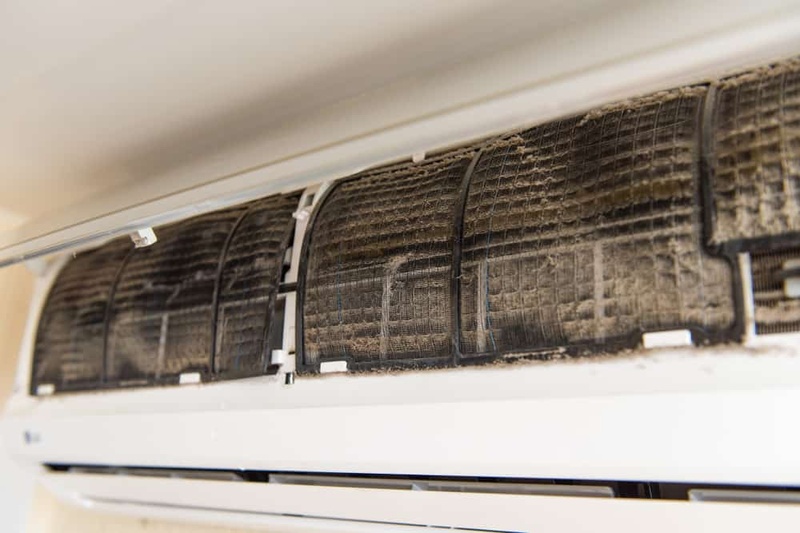
Mold is a fungus which likes moist conditions. It exploits condensation which naturally forms on cooling coils or in drain pans in air conditioners. With time, the spores may deposit, feed on the organic materials such as dust and start multiplying on surfaces.
This growth usually manifests itself in the form of dark or fuzzy spots but it may be colored depending on the type of mold. The closed and moist conditions in the AC systems enable the growth of colonies of mold in case the conditions are not altered.
The presence of mold in an air conditioner is not a matter of aesthetics. When unattended, it may cause a musty smell that can be felt whenever the system is switched on. These are the smells caused by microbial volatile organic compounds (MVOCs) released as the mold spores grow.
When the air conditioner is used with mold, it may spread polluted air in the living areas. This constant exposure can cause health problems particularly to sensitive individuals or individuals with pre-existing respiratory problems.
Common Causes Of Mold Growth
To grow, mold needs moisture, food and favorable temperatures. In air conditioners, the main offenders are over condensation and high humidity. An example is a clogged drain line that may result in pooling of water that provides an ideal environment.
Mold is also caused by poor maintenance routines. Due to lack of cleaning, coils and filters accumulate dirt, dust and other organic debris, which act as food sources to fungal colonies. Mold issues in air conditioners may be even more tenacious in areas that have high humidity naturally.
Mold can also be encouraged by an oversized or an improperly sized air conditioner. An AC that switches on and off repeatedly does not have enough time to remove enough moisture in the air. This creates a situation whereby the environment is left wet, which promotes the growth of spores.
Also, any leakages or broken insulation inside the air conditioner case will cause warm air to blend with the cooler surfaces, which causes condensation. This causes long-term dampness which encourages the growth of molds.
Don’t Overpay for HVAC Services – Call 888-894-0154 Now to Compare Local Quotes!
Signs And Symptoms Of Mold Infestation
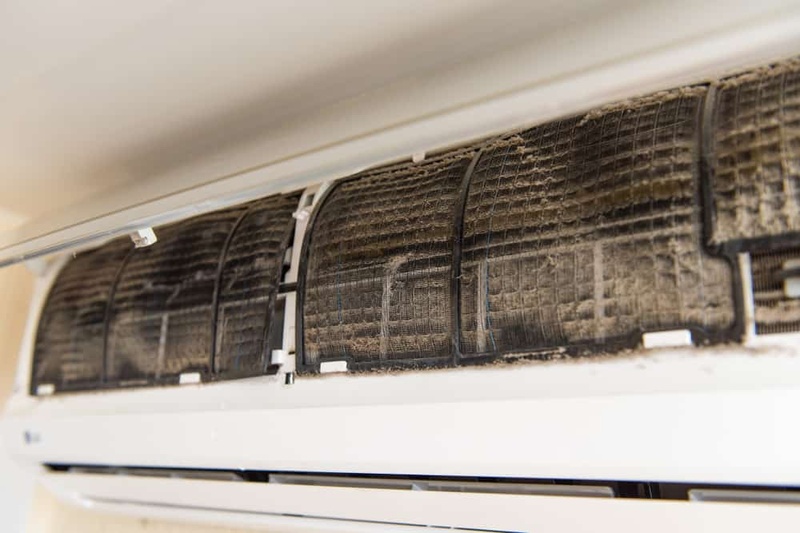
A musty smell is one of the initial indicators of mold growth in an air conditioner, especially when the machine begins to operate. Another obvious sign is the visible growth on the surfaces of the vent or inside parts. Other mold spots may be black, green or grey and may appear powdery or slime.
Occurrence of frequent headaches, coughing or sneezing among occupants can also be an indication of an indoor air quality problem that is associated with mold.
Not every mold causes strong smell, but any odor that is persistent or unexplainable should be checked by the AC. The following table indicates some of the most typical indicators that may indicate that mold is growing in an air conditioner:
- Musty or damp odor noticeable when the unit runs.
- Visible dark or green patches on vents or coils.
- Frequent respiratory irritations or allergy-like symptoms.
- Persistent condensation or moisture around the unit.
- Unexplained higher humidity levels in indoor areas.
Potential Health Risks
Mold exposure may cause a number of health problems. Some people will not be affected, whereas others can develop allergic reactions, respiratory discomfort, or skin irritation. With time, frequent exposure to mold spores may even worsen chronic diseases, including asthma or chronic obstructive pulmonary disease (COPD).
Infants, the elderly, and individuals with compromised immune systems are at an increased risk, and thus they are more prone to infections or serious allergic reactions.
Not every mold is poisonous, but spores of such common molds as Aspergillus or Stachybotrys (so-called black mold) can be a serious health hazard when inhaled on a regular basis. With long-term exposure, it may cause sinus congestion, throat irritation or eye discomfort.
In worse conditions, mold toxins may lead to chronic fatigue, headaches or shortness of breath. A mold-free air conditioner is a key to a safe indoor environment, particularly to the people who are most susceptible to respiratory problems.
Preventive Measures To Avoid Mold
Prevention is always easier than treatment of a complete mold infestation. The maintenance of the parts of the air conditioners is very important. This involves filter cleaning or replacement at least once a month or as the manufacturer suggests, removal of any debris on outdoor units and ensuring that condensate drains are working properly.
Mold-friendly conditions can also be restricted by maintaining the indoor humidity level below 50 percent using a dehumidifier.
It is necessary to provide good ventilation in the house. Damp places like bathrooms, laundry rooms or kitchens ought to be equipped with exhaust fans that remove moist air. When the living area does not have the appropriate air circulation, the mold spores have higher chances of settling and growing in the stagnant areas.
It is also important to remove water leaks or any other standing water as fast as possible because standing water is an attraction point to mold colonies. In hot and humid regions, it is possible to run the AC a little longer in order to minimize the moisture build-up.
It is also important to get the air conditioner to fit the space properly. A unit that is oversized to the space will quickly cool the room but will not dehumidify the room effectively and mold will grow. Regular maintenance by HVAC experts can help to detect possible trouble areas, like worn insulation or clogged condensation lines, before mold can even have a chance to grow.
These measures make the environment unfriendly to fungal growth in the long run.
Steps For Mold Removal And Cleaning
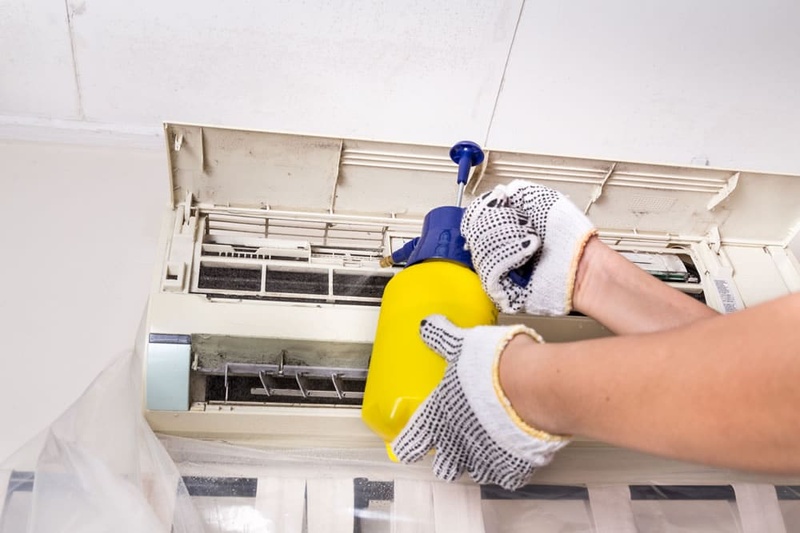
In the event that the mold is identified, it is important to deal with it immediately. Begin by switching off the air conditioner so as not to distribute spores to other parts of the house. When handling any moldy component, always wear protective clothing like gloves, goggles and a respirator mask.
Cleaning agents usually contain a combination of water, detergent or commercial mold killers. Scrub the mouldy surfaces gently, rinse and dry them well. This preliminary measure kills off the visible growth, but may not kill all the spores.
Removable panels and filters ought to be removed to the outside and cleaned to avoid spores spreading inside. In the case of the coils, an EPA-registered HVAC cleaner is advisable to make the process of the removal of fungal contaminants safe and effective. Once the cleaning has been done, make sure that everything is dried before putting the unit back together.
Moisture left in the system may cause a new growth of molds. It is advisable to run the AC on a fan-only mode to help in drying, but only briefly. Follow-ups within the weeks after a cleaning will also assist in verifying whether the mold has been successfully removed.
More severe procedures may be necessary in case mold has spread deep into ductwork or internal AC systems. When this happens, the professionals employ special tools such as negative air machines or HEPA vacuums to eliminate spores. They can also use anti-microbial coating on susceptible surfaces which prevents future growth.
Although large-scale cleaning may be done on a DIY basis, it requires care, proper equipment, and high safety standards. Leaving behind even minor areas of molds may enable it to reappear in a short time.
DIY Mold Removal Vs. Professional Services
The do-it-yourself option is possible in case mold is discovered on the parts of the air conditioner that are easy to reach, e.g., filters, vents, or coils. Simple household cleaners, combined with vigorous scrubbing, are usually adequate in case of minor infestations.
Don’t Overpay for HVAC Services – Call 888-894-0154 Now to Compare Local Quotes!
Do-it-yourself is also a cost-effective solution, and homeowners can address mold without paying service charges. The success of these approaches, however, depends greatly on technique, regular care and readiness to perform frequent cleaning in case of the reappearance of the infestation.
Professional HVAC specialists come with specialized skills, equipment, and cleaning supplies. They are able to reach and clean inaccessible or hard to reach parts in ducts, drip pans or further parts of the unit. Professionals are also used to determine the root cause of the problem such as poor insulation or condensation, which causes frequent mold issues.
Although professional services are more costly in the initial stages, they are able to offer a more complete solution, reducing the chances of subsequent outbreaks. Major or extensive mold attacks normally require professional help in order to remediate it.
Choosing The Right Cleaning Products
There are numerous mold-cleaning products, including household bleach and special HVAC-cleaning products. Nevertheless, bleach is not necessarily the most appropriate solution to use when cleaning air conditioner parts because it may be corrosive to metal surfaces and may not kill mold in porous substances.
Rather, fungicidal products aimed at HVAC systems usually provide more safe and predictable outcomes. An example is vinegar which is slightly acidic and may neutralize certain molds. Mold removers available in the market usually have substances that break down the cell walls of fungi and prevent its growth.
Below is a table outlining common mold-cleaning options:
| Product Type | Effectiveness | Considerations |
|---|---|---|
| Bleach Solutions | High on non-porous surfaces | May corrode metal; Not ideal for AC coils |
| Vinegar & Water | Moderate for mild mold | Non-toxic; Best for light surface cleaning |
| Commercial HVAC Cleaners | High effectiveness | Targeted for coils & ducts; Follow label instructions |
| Hydrogen Peroxide Solutions | Good for mild infestations | Safe for most surfaces; Test on hidden area first |
Mold In Central Air Conditioning Systems
Central AC systems distribute air by a large duct system that supplies cooled air to several rooms. In case mold develops inside or near these ducts, spores may be distributed all over the building so that people in every room are at risk of being exposed. In ductwork, condensation may take place when the system is oversized or when duct insulation is improper.
Periodic duct cleaning, as well as changing of filters, is important to ensure that mold colonies do not colonize these vast, intertwining networks.
The duct interiors are difficult to access and it is necessary to use special equipment to see and clean them properly. Negative pressure is usually used by professional cleaning services to vacuum dust, debris and spores and then anti-microbial treatments are applied. It is also necessary to make sure that there is a good seal around the air handler cabinets and ducts.
Broken joints or openings will permit damp air to get into the system. Prevention of mold in central AC units is long-term, and it depends on regular maintenance, such as regular filter replacement and HVAC inspection.
Mold In Window Air Conditioners
Window air conditioners are a self-contained unit that cools a small area or a single room. They also produce condensation particularly when used over a long period of time in humid environments. This water may collect in the drip tray, filters or internal crevices and cause moulds.
Since window units are frequently used on a seasonal basis and put away during the colder months, moisture may be left in the unit unless it is dried out. This residual moisture helps the survival and development of spores the next time the unit is used.
The regular cleaning involves filter removal and cleaning, cleaning of the internal parts that are accessible, and draining of any water that may be standing in the tray. The homeowner must make sure that the unit is well angled such that water drains outside rather than accumulating indoors.
A deep end of season clean will also prevent mold, particularly when the unit is stored in a dry place. By doing these, the chances of mold growing in window AC units are highly minimized.
When To Seek Professional Assistance
Although small colonies of molds on the AC filters or vents can be addressed through simple cleaning, large infestations usually necessitate the assistance of professionals. One of the telltale signs is that the moldy smell does not go away or becomes worse even after a good DIY clean up.
Don’t Overpay for HVAC Services – Call 888-894-0154 Now to Compare Local Quotes!
Health problems that occupants have, including chronic coughing, allergy attacks, or frequent sinus infections, are also indicative of the possibility of mold being deeper into the system. Tests can be done by professionals to identify the kind and level of growth of molds.
HVAC specialists have special cleaning equipment and disinfectants. They are taught to open up complicated units or open closed ducts without breaking delicate parts. In case of serious contamination with mold or its recurrence, specialists will be able to identify and correct the underlying causes, such as inadequate insulation, old equipment, or drainage systems that are not maintained.
Their experience does not only eliminate existing mold but can also prevent new infestations, making the indoor air healthier.
How to Avoid Being Ripped Off and Get a Fair Repair Price
It is not easy to find a good AC repair specialist, there are those who will give you the lowest prices due to inexperience or bad reputation and there are those who will overcharge you on the same job. This is why the best idea to receive quality repairs at reasonable price is to compare the estimates of the highest-rated local pros.
Visit each of them, learn their history, and the experience of the technicians who will perform the work. Select a good AC repair contractor who has a fair price. You may accelerate this procedure with the help of our Free Local Estimates service.
Once you complete a short form and send it, you will shortly receive a call by three of the best AC repair and installation companies in your area. They are pre-screened on experience and they are all licensed and insured to protect you. Click below to start and secure your home and wallet today.
Maintenance Tips For Long-Term Mold Prevention
The best method of preventing mold in air conditioners is regular maintenance. Clean or replace filters frequently to minimize accumulation of dust and check drip pans or drain lines to make sure they are not clogged. Increasing run time of thermostats may also increase dehumidification, which makes the environment less hospitable to mold spores.
One can think of regular professional inspection that could detect minor issues before they develop into serious infestations.
It is also important to monitor the level of humidity inside. Monitoring moisture with a hygrometer and using a dehumidifier in case it reaches 50 percent and above can significantly minimize the chances of mold. Air seal doors and windows to keep humidity in the house constant. Also, make sure that high-moisture rooms are well ventilated.
An active strategy towards general ventilation of the house, in combination with a regular AC maintenance, will help to make the living environment mold-free and healthy.
Common Questions About Mold In Air Conditioners
Does mold in the air conditioner have to be seen?No. Mold may be concealed in ducts or behind panels. A moldy odor or frequent respiratory conditions may be a sign of concealed mold, and additional examination should be conducted.
Is it possible to clean mold off coils with bleach?Bleach can corrode metal parts and can not penetrate porous surfaces. AC coils are safer with specialized HVAC cleaners or less harsh ones such as vinegar.
Does a regular change of filters eliminate the possibility of mold?Regular change of filters will greatly minimize the build up of dust and spores but other conditions such as humidity and poor drainage may still encourage mold. It is better to be holistic.
What happens when mold is not removed?There are long-term effects. Chronic respiratory problems, headaches and other health complications may arise after prolonged exposure. Mold should be addressed promptly in terms of indoor air quality and general well-being.
Do I need to have my ducts professionally cleaned in case of mold?In case of suspected mold deep in ductwork, professional cleaning may be the only way to completely rid the ductwork of mold. Specialists apply special equipment and chemicals to make sure that it is removed completely.

How to Get the Best HVAC Prices
- Firstly, keep in mind that installation quality is always the most important thing for residential HVAC project. So never sacrifice contractor quality for a lower price.
- Secondly, remember to look up the latest rebates as we talked above.
- Thirdly, ask for at least 3 bids before you make the decision. You can click here to get 3 free estimates from your local contractors, and this estimate already takes rebates and tax credit into consideration and filter unqualified contractors automatically.
Lastly, once you chose the right contractor, remember to use the tactics from this guide: Homeowners Tactics When Negotiating with HVAC Dealer to get the final best price.