Air conditioning systems play a crucial role in maintaining comfortable indoor environments. When the thermostat fails, it disrupts the entire cooling process. Many homeowners face this issue without knowing the root cause. This article explores the key reasons behind a malfunctioning AC thermostat and offers practical solutions. According to the U.S. Energy Information Administration, over 88% of American households use air conditioning, making thermostat reliability essential for modern living.
| Possible Issue | Typical Impact |
|---|---|
| Dead Batteries | Display Goes Blank |
| Incorrect Wiring | Irregular Cooling |
| Internal Dust | Thermostat Misreads Temperature |
Understanding The Basic Functions Of An AC Thermostat
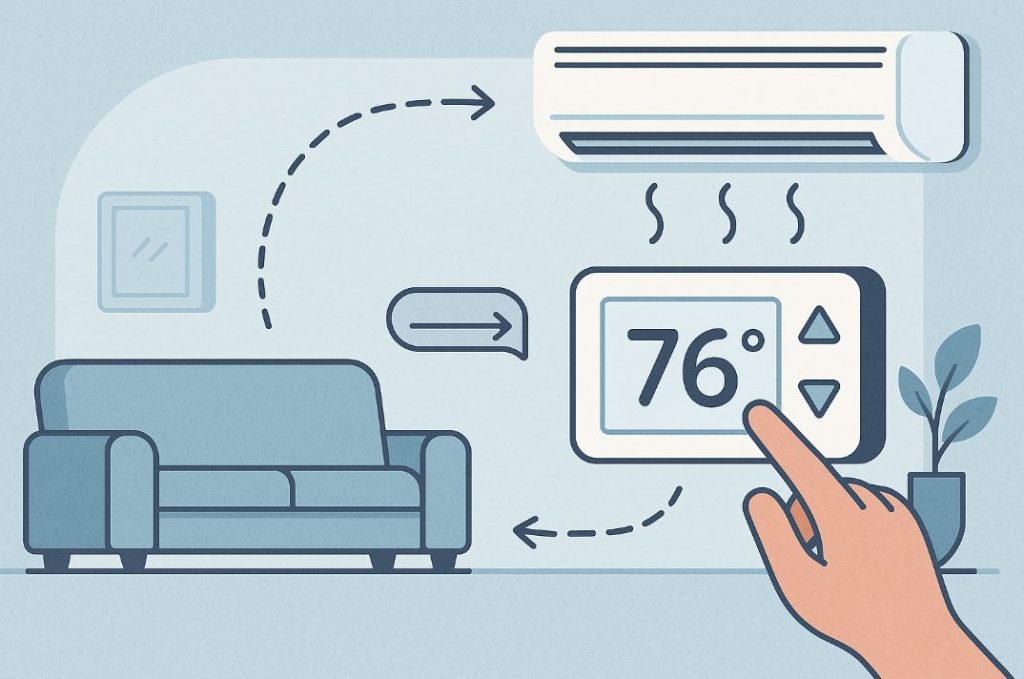
An AC thermostat measures the current temperature inside a home and compares it with the user’s desired setting. It communicates with the air conditioner’s control board, sending signals to start or stop the cooling cycle as needed. This balance between temperature reading and cooling output ensures that living spaces remain comfortable without wasting energy.
Mechanical thermostats rely on metal strips, while modern digital units use electronic sensors. Both types serve the same purpose but differ in precision and features. Digital models often include programmable settings, allowing homeowners to schedule cooling times. By leveraging these functionalities, energy consumption can be optimized. A well-maintained thermostat helps maintain stable indoor conditions throughout the day.
Common Signs Of A Malfunctioning AC Thermostat
A problematic thermostat rarely fails all at once. Usually, there are early warning signs that indicate trouble. Recognizing these warning signals can save time and money, preventing larger issues from developing. If the AC runs continuously or shuts off too quickly, the thermostat may be misinterpreting the indoor temperature.
Another sign is an unresponsive display or one that flickers. Frequent temperature fluctuations also suggest an internal sensor fault. In many cases, a simple battery replacement or dust cleaning resolves the situation. However, if these basic steps fail, further troubleshooting or professional intervention might be required.
Some typical symptoms of a failing thermostat include:
- Display goes blank or unreadable
- System cycles on and off erratically
- Unusual temperature differences across rooms
- Unresponsive or slow control panel

Possible Causes Of AC Thermostat Failure
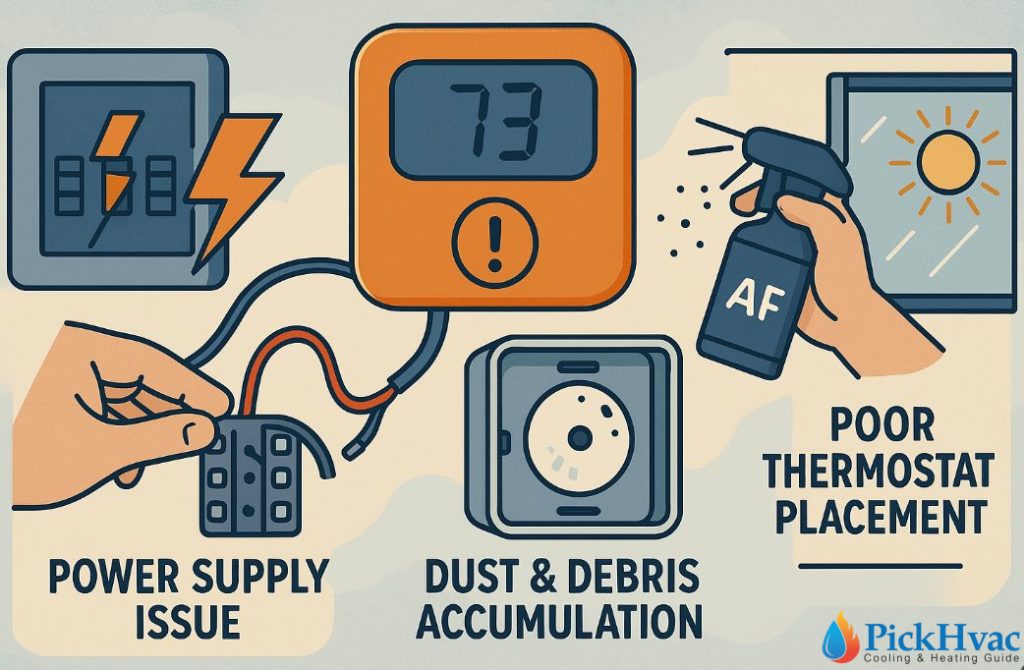
Identifying the root cause is crucial for resolving thermostat issues. Several factors can lead to malfunction, from power supply problems to dust accumulation. Addressing the underlying cause ensures that the thermostat is fixed without recurring troubles. Below are some common culprits.
Power Supply Issues
Thermostats require a consistent power source to function properly. If batteries are weak or the fuse linked to the thermostat’s circuit has blown, the device may appear dead. On some systems, a tripped circuit breaker can halt power flow. Homeowners often overlook these simple checks and assume the thermostat itself is defective.
In homes using central heating and cooling, the thermostat may draw power from the HVAC system’s control board. Any disruption in that system can interrupt the thermostat’s operation. A quick inspection of the breaker panel and battery compartment is essential before performing more extensive diagnostics.
Wiring And Connectivity Problems
Loose or damaged wires can cause intermittent signals between the thermostat and the AC unit. If the device is poorly installed or wires are worn, communication may break, leading to uneven cooling or a non-functional AC. Rodents or other pests sometimes chew through wires, causing hidden damage. Verifying the wiring inside the thermostat’s terminal is a vital step in finding these issues.
Don’t Overpay for HVAC Services – Call 888-894-0154 Now to Compare Local Quotes!
In older homes, outdated wiring might not support advanced digital thermostats. Such cases require an upgrade or additional adapters. A thorough visual inspection can reveal disconnected or corroded wires. When in doubt, consulting a professional electrician ensures a safe and correct repair.
Dust And Debris Accumulation
Dust settling on internal sensors can distort temperature readings. Over time, this buildup can lead to constant miscommunication between the thermostat and the AC system. If the temperature reading is off by a few degrees, the unit may run unnecessarily or fail to activate when needed. Gently cleaning the inside of the thermostat with compressed air can often resolve this.
In high-traffic areas or homes with pets, dust and hair accumulate faster. Regular maintenance and cleaning keep the thermostat’s sensors functional. Ensuring that the thermostat cover is securely in place also helps reduce debris infiltration.
Poor Thermostat Placement
Placing a thermostat near a heat source, in direct sunlight, or close to vents can lead to inaccurate temperature readings. If it’s installed in a drafty hallway or close to the kitchen, it might sense a temperature spike. This prompts the air conditioner to shut off prematurely. Optimal placement typically involves central locations away from windows or heating appliances.
Unusual temperature variations may also occur if a thermostat is near doors that are frequently opened. This location-based cause can be easily overlooked, yet it significantly impacts overall performance. Moving the device to a neutral spot is often the best solution.
Troubleshooting Steps For A Faulty AC Thermostat
Troubleshooting an AC thermostat does not have to be complex. Basic checks can pinpoint the problem and sometimes fix it. Before calling a professional, homeowners can perform the following steps to identify the issue and potentially resolve it with simple DIY methods.
- Check the batteries or ensure the circuit breaker is not tripped.
- Clean the thermostat’s interior with a soft brush or compressed air.
- Verify the wiring connections are secure and corrosion-free.
- Confirm that the thermostat settings match the desired mode (cooling).
- Relocate the thermostat if exposed to direct sunlight or heat sources.
Always power down the HVAC system before handling wires to avoid electric shock. If these steps fail to restore functionality, the device may require a deeper inspection or a professional evaluation. Knowing when to seek expert advice can save both time and potential damage to the HVAC system.
In some cases, a simple factory reset might help. This process varies between thermostat models, but typically involves pressing and holding certain buttons. By resetting, the unit reverts to its default settings, possibly resolving minor software or configuration errors.
When To Replace Or Upgrade The Thermostat
Not every thermostat problem can be repaired. Older models with frequent malfunctions may cost more in the long run than investing in a modern unit. If internal components fail repeatedly, or if the display no longer responds, it could be a sign that the device has reached the end of its lifespan.
Programmable and smart thermostats offer advanced features like remote control and energy usage reports. Upgrading may improve efficiency and comfort, especially if the current thermostat is outdated. Many modern options integrate seamlessly with smart home systems, allowing for remote adjustments through mobile apps.
Some considerations for deciding on an upgrade include:
- High repair costs exceeding a replacement price
- Repeated issues indicating a failing internal sensor
- Desire for advanced scheduling or remote access
- Incompatibility with new HVAC components
Professional Maintenance And Expert Advice
While DIY solutions can resolve many thermostat issues, certain problems demand professional attention. HVAC technicians possess the tools and expertise to handle complex wiring or circuit board malfunctions. They can also perform calibration checks to ensure the thermostat accurately matches the home’s temperature. Regular maintenance sessions by a qualified technician help extend the thermostat’s lifespan and maintain system efficiency.
Technicians often spot hidden issues that homeowners may overlook, such as minor wiring vulnerabilities or sensor misalignments. Scheduling annual inspections, particularly before peak summer usage, can identify potential concerns early. This proactive approach reduces the risk of inconvenient breakdowns and keeps the indoor environment comfortable, reliable, and energy-efficient.
How to Avoid Being Ripped Off and Get a Fair Repair Price
Finding the right thermostat repair expert can be tricky—some companies offer rock-bottom prices because they’re inexperienced or have poor reputations, while others charge far too much for the same work. That’s why the smartest way to get quality repairs at a fair price is to compare estimates from top-rated local pros. Meet with each, learn about their history and the experience of the technicians that will do the work. Choose an experienced thermostat repair contractor with reasonable rates. You can expedite this process by using our Free Local Estimates service.
When you fill out a quick form and submit it, you’ll soon be contacted by three of the top thermostat repair and installation companies near you. They are prescreened for experience, and all are licensed and insured for your protection. Click below to get started and protect your home and wallet today.

How to Get the Best HVAC Prices
- Firstly, keep in mind that installation quality is always the most important thing for residential HVAC project. So never sacrifice contractor quality for a lower price.
- Secondly, remember to look up the latest rebates as we talked above.
- Thirdly, ask for at least 3 bids before you make the decision. You can click here to get 3 free estimates from your local contractors, and this estimate already takes rebates and tax credit into consideration and filter unqualified contractors automatically.
Lastly, once you chose the right contractor, remember to use the tactics from this guide: Homeowners Tactics When Negotiating with HVAC Dealer to get the final best price.