Below is a quick-reference table to answer the core question right away: how much might it cost to run a typical ceiling fan in the United States in 2025? The estimates assume an average electricity rate of about $0.14 per kilowatt-hour (kWh) and usage of around 8 hours per day. Actual costs will vary by region, fan wattage, and individual habits.
Approximate Daily, Monthly, and Yearly Costs for a Ceiling Fan (8 hours/day at $0.14/kWh)
| Fan Wattage | Daily Cost (8 hrs) | Monthly Cost (8 hrs/day) | Yearly Cost (8 hrs/day) |
|---|---|---|---|
| 30 W | $0.03 | $0.90 | $10.95 |
| 50 W | $0.056 | $1.68 | $20.44 |
| 75 W | $0.084 | $2.52 | $30.66 |
| 90 W | $0.10 | $3.00 | $36.50 |
These figures are approximate, designed to give a ballpark idea of running costs. The rest of this article explores how these numbers are calculated, which variables influence them, and how to minimize power consumption without sacrificing comfort.
What Factors Influence the Cost of Running a Ceiling Fan?
Multiple variables can affect your ceiling fan’s energy consumption and overall cost. The following factors are most significant:
- Wattage of the Fan
The primary driver of cost is wattage—how much power the fan uses in watts (W). A 30-watt fan uses less electricity than a 90-watt fan, all else being equal. The wattage is typically listed on the packaging or in the product manual. - Electricity Rate
Regional electricity rates differ across the United States, typically ranging from $0.10/kWh to $0.20/kWh or more. In 2025, an average rate around $0.14/kWh is a common benchmark. Higher local rates will increase your fan’s running costs. - Hours of Operation
The more you use the fan, the more electricity it consumes. A fan running for 24 hours a day will naturally cost three times as much as one operating for only 8 hours. - Fan Speed Settings
Many modern fans have multiple speed options—low, medium, and high. Higher speeds draw more power, making it costlier to run. Using a medium or low setting when possible can yield substantial savings. - Fan Size and Blade Design
Larger, more advanced fans may have higher wattage motors. However, some large-diameter models are engineered to move air efficiently at low speeds, potentially reducing total energy draw. Design features like aerodynamic blades can reduce strain on the motor. - Additional Features
Smart functionality, built-in LED lights, and other extras can add to a fan’s overall energy usage. However, efficient LED lighting typically uses far less electricity than older incandescent bulbs.
How to Calculate the Energy Usage of a Ceiling Fan?
Calculating energy usage—and thus cost—is relatively straightforward if you know your fan’s wattage and your electricity rate:
- Convert Watts to Kilowatts
A watt (W) is a thousandth of a kilowatt (kW). For instance, a 50 W fan equals 0.05 kW. - Multiply by Hours of Operation
If you run the fan for 8 hours, that’s 0.05 kW x 8 hours = 0.40 kWh. - Multiply by Your Electricity Rate
Assuming $0.14/kWh, the cost is 0.40 kWh x $0.14 = $0.056 (5.6 cents) per day. - Scale Up to Monthly/Yearly Costs
- Monthly (30 days): $0.056/day x 30 = $1.68
- Yearly (365 days): $0.056/day x 365 ≈ $20.44
This basic formula can be applied to any wattage or electricity rate, making it easy to compare different fans.
What Are Typical Costs for Different Usage Scenarios?
Higher-Speed Settings
If a 50 W fan at medium speed ramps up to 75 W on high speed, the cost rises proportionally:
- Hourly cost at 75 W: 0.075 kWh x $0.14 = $0.0105/hour (about 1.05 cents/hour).
- Daily (8 hours): $0.084 (8.4 cents).
- Monthly (8 hours/day): $2.52.
- Yearly (8 hours/day): $30.66.
Longer Usage (24 hours a day)
Running the same 50 W fan around the clock means 24 hours of usage:
- Daily usage: 50 W x 24 = 1,200 Wh or 1.2 kWh.
- Daily cost: 1.2 kWh x $0.14 = $0.168 (16.8 cents).
- Monthly (30 days): $0.168 x 30 ≈ $5.04.
- Yearly (365 days): $0.168 x 365 ≈ $61.32.
Multiple Fans in the Home
If each room has its own ceiling fan, the overall cost multiplies. For instance, running three 50 W fans each for 8 hours a day:
- Individual fan daily cost: $0.056.
- Total daily cost for three fans: $0.168 (16.8 cents).
- Total monthly cost: $5.04.
- Total yearly cost: $61.32.
By understanding these scenarios, homeowners can adjust usage to minimize energy costs while maintaining comfort.
Don’t Overpay for HVAC Services – Call 888-894-0154 Now to Compare Local Quotes!
Are Smart or Energy-Efficient Ceiling Fans Worth It?

As technology advances, manufacturers have introduced energy-efficient and “smart” ceiling fans. These models often come with:
- DC Motors: Direct current (DC) motors can be significantly more efficient than traditional AC motors. They typically run cooler and require less power for the same airflow.
- Smart Controls: Some fans connect to Wi-Fi or Bluetooth, allowing automated scheduling or remote adjustments. By turning off when rooms are empty, they can reduce wasted energy.
- LED Light Kits: Integrated LED light fixtures use a fraction of the electricity of older incandescent or halogen bulbs.
While these features can increase the upfront price, the long-term savings in energy bills can make them more cost-effective. In a market where electricity rates may rise over time, investing in an energy-efficient or smart fan model can pay off in the long run.
How Can You Reduce Ceiling Fan Running Costs?
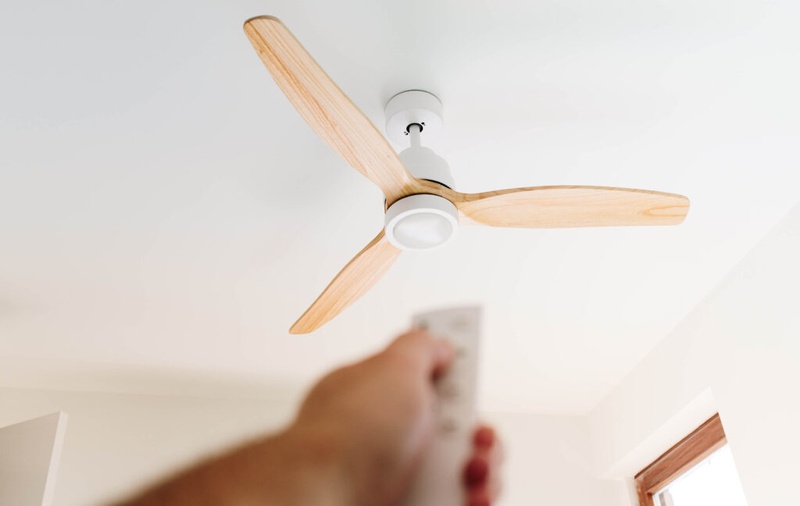
Even if you have a standard ceiling fan, there are several steps to cut down on energy consumption and save money:
- Use the Right Speed
Running the fan on a lower or medium setting is often enough to achieve a comfortable breeze. High speed draws more power, so reserve it for hot days or large spaces. - Turn Fans Off When Not in Use
Unlike an air conditioner that cools the entire room, a fan cools people through air movement. If no one is present in the room, turning the fan off prevents wasted electricity. - Optimize Your AC Usage
Using a ceiling fan and air conditioner together can allow you to set your AC thermostat a few degrees higher, resulting in overall energy savings. - Regular Cleaning and Maintenance
Dust buildup on blades can impede airflow, forcing the motor to work harder. A fan with clean blades runs more efficiently, drawing less power. - Use a Timer or Smart Plug
Setting a timer prevents overnight or prolonged operation. Smart plugs can turn the fan off if you forget to do so manually. - Combine With Natural Ventilation
Opening windows during cooler parts of the day, while running a ceiling fan, can reduce the need for air conditioning and let fresh air circulate.
Does Running a Ceiling Fan Truly Save on Cooling Costs?
In general, ceiling fans allow people to feel comfortable at higher ambient temperatures by creating airflow across the skin. This effect, known as the “wind chill” factor, can help reduce reliance on air conditioning. When used strategically:
- You might set your thermostat 2–4°F higher while feeling just as cool.
- Each degree you raise your AC thermostat can reduce air conditioning costs by roughly 3–5%, depending on your system’s efficiency.
- Over a long summer, the combined effect of a higher thermostat setting and running a fan can yield noticeable savings.
However, if you keep the fan on in empty rooms, the potential savings disappear. A ceiling fan’s primary benefit is personal comfort, so ensuring that fans are used only when people are present is key to maximizing efficiency.
How to Maintain a Ceiling Fan for Better Efficiency?
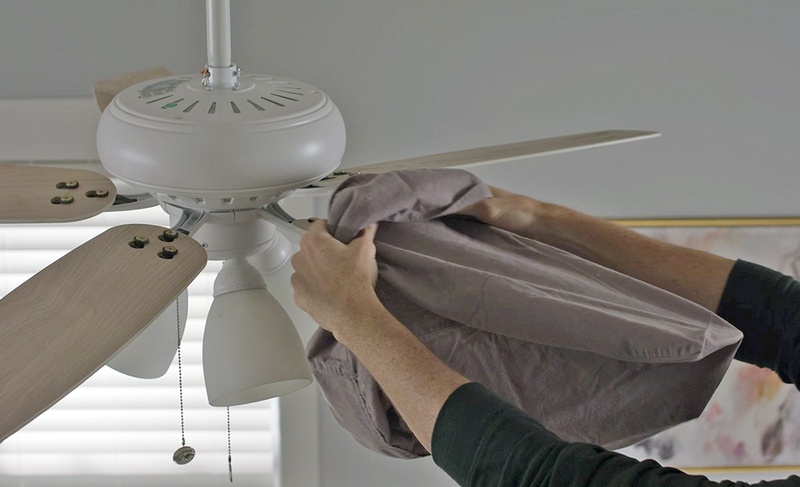
A well-maintained fan performs better and costs less to run. Basic maintenance includes:
- Blade Cleaning
Dust and debris on fan blades not only affect airflow but also put extra load on the motor. A gentle wipe-down with a damp cloth every few weeks helps maintain efficiency. - Motor Lubrication
Some older or high-end models might require occasional lubrication. Most newer fans use sealed bearings, eliminating the need for oiling. Checking the instruction manual for maintenance guidance is always a good idea. - Balancing the Blades
If a fan wobbles, it can strain the motor and lead to higher energy consumption. Blade balancing kits, usually provided by manufacturers, help correct any imbalance. - Tightening Screws and Mounts
Loose screws in the mounting bracket or blade arms can create rattling noises and unwanted friction. Periodically inspect and tighten all hardware. - Professional Servicing for Smart Fans
If your fan has smart features, keep the firmware updated to address any software-related issues that might affect performance. Occasionally, a professional electrician might be needed for firmware updates or wiring checks.

How to Get the Best HVAC Prices
- Firstly, keep in mind that installation quality is always the most important thing for residential HVAC project. So never sacrifice contractor quality for a lower price.
- Secondly, remember to look up the latest rebates as we talked above.
- Thirdly, ask for at least 3 bids before you make the decision. You can click here to get 3 free estimates from your local contractors, and this estimate already takes rebates and tax credit into consideration and filter unqualified contractors automatically.
Lastly, once you chose the right contractor, remember to use the tactics from this guide: Homeowners Tactics When Negotiating with HVAC Dealer to get the final best price.