Houses in areas with low temperatures require heating systems that can work even when it is very cold and the temperature is much below freezing point. The ductless mini split heat pumps have been improved a lot and the current models are designed to deliver comfortable warmth even in the coldest weather.
This guide will look at the best mini split systems in cold climates – all residential, ductless, units that are excellent at efficient heating in winter. We make the comparison of the best-rated models that have proven their good performance, efficiency, and user satisfaction.
Continue reading to find out a comparison and reviews of the best and a detailed buying guide to enable you to make the right choice of a cold-climate mini split to install in your house.
Comparison Table: Top Cold Climate Ductless Mini Splits
| Mini Split System | Capacity & Efficiency | Cold Climate Performance | Notable Features |
|---|---|---|---|
| Mitsubishi Hyper-Heating 12,000 BTU | 12k BTU (1 Ton), ~26 SEER, ~13 HSPF | 100% heating at 5°F; works down to -13°F | H2i Hyper Heat inverter, 3D i-see sensor, Hot-Start (no cold drafts), 10-yr warranty |
| Daikin Aurora 12,000 BTU | 12k BTU, 19.5 SEER2 (~21 SEER), ~10 HSPF | Up to 100% heat at 5°F; operates to -13°F | Enhanced low ambient design, optional base-pan heater, WiFi adapter ready, 12-yr compressor warranty |
| Gree Sapphire 12,000 BTU | 12k BTU, 30.5 SEER, 14.0 HSPF | Maintains heat down to -22°F | Ultra Heating tech, Energy Star, built-in WiFi (Gree+ app), quiet 56 dB operation, 5/7-yr warranty |
| Senville AURA 12,000 BTU | 12k BTU, ~25 SEER, ~12 HSPF | Reliable heating down to -22°F | Energy Star, Alexa-enabled smart control, inverter compressor, complete install kit, 5/7-yr warranty |
| Cooper & Hunter Hyper Heat 12,000 BTU | 12k BTU, 22 SEER, 12.7 HSPF | Effective heating to -22°F | Low ambient kit, 46°F freeze protection mode, includes 16-ft installation kit, whisper-quiet, 7-yr compressor warranty |
| MRCOOL DIY 5th Gen 12,000 BTU | 12k BTU, 23.5 SEER2 (~25 SEER), Energy Star | Heats effectively down to -13°F | DIY installation (pre-charged lines), 115V plug-and-play, smartphone app, 7-yr compressor warranty |
| Pioneer Diamante 12,000 BTU | 12k BTU, 20-23 SEER, 10 HSPF | Heating operation down to -13°F | Auto heat mode with base pan heater, programmable remote, optional WiFi, 5-yr warranty |
Reviews of the Best Mini Split Heat Pumps for Cold Weather
#1 Mitsubishi Hyper-Heating 12,000 BTU Ductless Mini Split
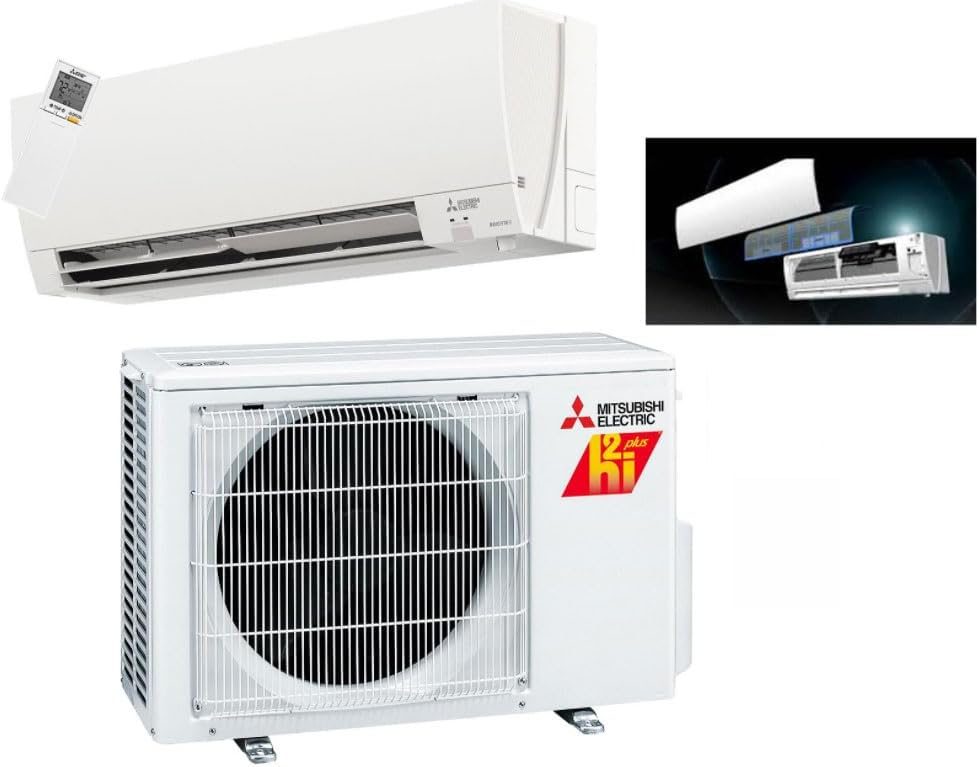
The Mitsubishi Hyper-Heating 12,000 BTU mini split is considered to be one of the best cold-climate models. The H2i Hyper-Heat inverter technology which is advanced in Mitsubishi provides complete heating ability even in cold weather. This 1-ton (12k BTU) unit is capable of delivering 100 percent of its rated heat output at 5 o F and can keep running efficiently in outdoor temperatures to as low as -13 o F.
This implies dependable heat in your house in the event of severe winters when other heat pumps would have failed or stalled.
The Mitsubishi Hyper-Heat has a SEER of approximately 26 and 13 HSPF which makes it very efficient all year round. It rapidly adapts the speed of compressors to achieve comfort without energy wastage. The most notable is the Hot-Start mode that does not allow the indoor fan to blow until the coil is hot hence there are no cold drafts during start-up.
The indoor air handler has a 3D i-see sensor that scans the room and intelligently directs the air without temperature stratification and energy savings when the room is not occupied.
This mini split of Mitsubishi is designed to work in cold climates. Outdoor unit is coated with Blue Fin to resist corrosion and can be fitted with an optional base pan heater to ensure that any ice formed is melted. According to home owners, it heats up fast and the inside temperatures remain very constant despite the cold outside.
To take advantage of the entire 10-year parts and compressor warranty, it has to be installed by a professional. Although it is a high-priced system, it is worth it to consumers who require the best cold weather heating system considering its capability of hyper-heating, efficiency and reliability of Mitsubishi.
#2 Daikin Aurora 12,000 BTU Low-Ambient Mini Split System
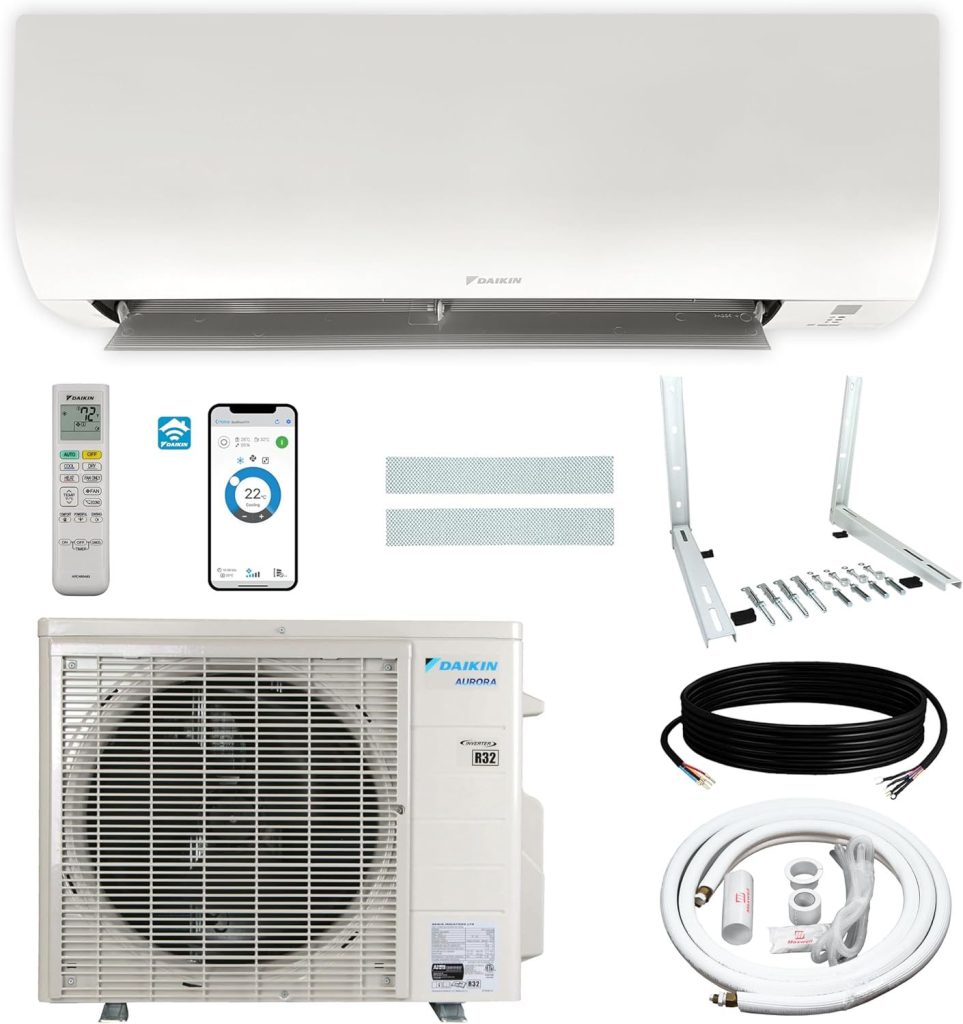
Another best option in cold climate is Daikin Aurora 12,000 BTU mini split, which is meant to keep the house comfortable during harsh winters. This unit is rated to provide 100 percent of its heating capacity to 5 o F and is designed to keep on operating at temperatures as low as -13 o F. Daikin low-ambient Aurora series has an improved compressor and control logic that will make sure that you have the heat output when you need it the most.
The Aurora is Energy Star qualified and efficient all year round with about 19.5 SEER2 (approximately 21 SEER using the old ratings) and a high HSPF.
Cold weather performance is one of the outstanding features. The outdoor condenser on the Daikin Aurora is designed to endure the harshest of environments: the drain pan is designed to reduce the buildup of frost, and a base pan heater may be added to the coldest of climates. The intelligent defrost cycle and inverter compressor ensures that the system does not shut down very often.
The Aurora is hailed by homeowners in northern climates because it keeps their homes warm even when the thermometer reads into the negatives.
In addition to heating power, Daikin Aurora provides silent work and a variety of modern features. It is WiFi enabled through an adapter, which enables control with smartphone apps and smart thermostats. The indoor unit is a multi-speed fan controlled unit and can be used in a special dehumidification mode during summer.
Most users observe that this mini split gives a very uniform, comfortable heating, unlike the dry air and temperature fluctuation of conventional furnaces. The Aurora is also supported by a good warranty (usually 12 years on the compressor with a professional install and registration). In general, it is a high-performance, dependable heat pump which is suitable in cold climate.
#3 Gree Sapphire 12,000 BTU Ultra-High Efficiency Heat Pump
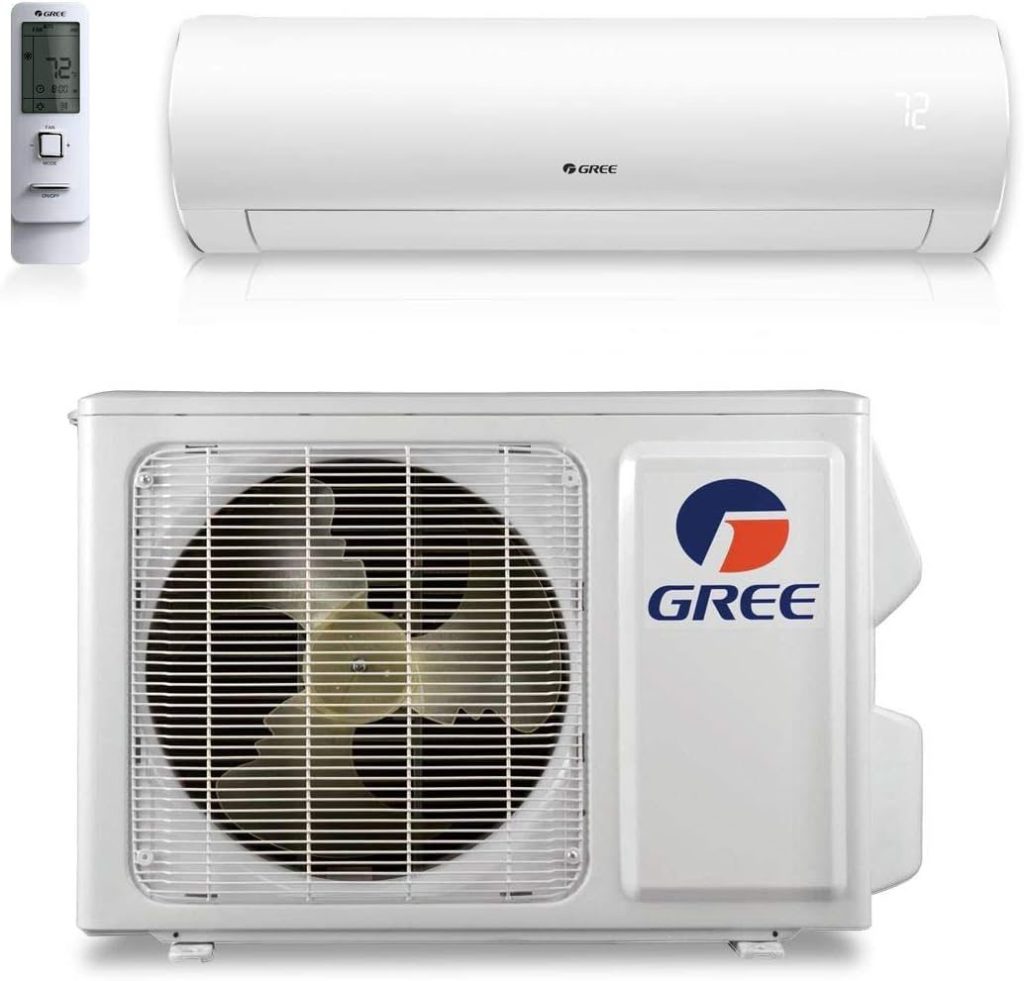
Gree Sapphire 12,000 BTU mini split is a highly efficient system and a cold climate system. This model will save you energy with its industry leading efficiency of up to 30.5 SEER and 14.0 HSPF that will keep you warm. What is more important to winter performance, Gree ULTRA Heating technology is rated to provide heat at an extreme -22F (-30C) outdoor temperature.
Output will of course decrease at these low temps, but the Sapphire will not turn off completely, but instead will run to provide additional heat.
The Gree Sapphire is quite impressive in more common cold temperatures (0-20F) – most users state that it can easily warm small to mid-sized areas and not require backup heat. Its two-stage compressor is high efficiency and G10 inverter is adjusted to keep the heat output and stable room temperature.
It is also a very quiet unit with indoor noise level of about 26-46 dB and an outdoor maximum of about 56 dB, hence it is not obtrusive when running.
The Sapphire series is feature-rich: It comes with an air purification filter in the indoor unit, built-in WiFi (using the Gree+ app) to control the system with a smartphone and schedule it, and a multi-speed fan. This 12k BTU system needs a 230V power connection and professional installation and has a 5-year parts and 7-year compressor warranty when installed by a licensed HVAC technician.
The Gree Sapphire is a leading candidate, considering that it has an extreme cold climate heating ability and stellar efficiency.
#4 Senville AURA 12,000 BTU Mini Split (Heat Pump)
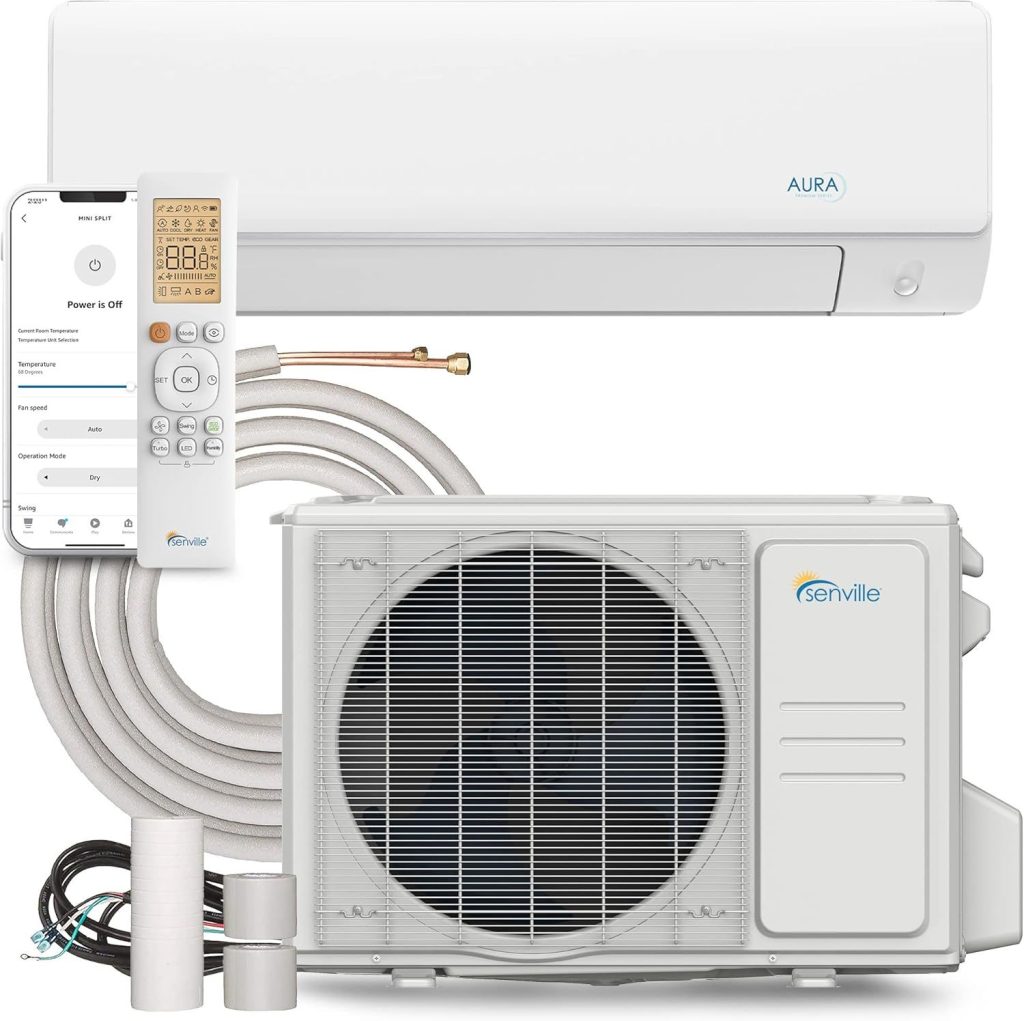
AURA 12,000 BTU mini split Senville is one of the most popular cold-climate heat pumps that provide an excellent combination of performance and price. This Energy Star-rated unit is a year-round efficient comfort unit and can heat down to -22 o F due to an enhanced low-ambient inverter compressor.
Senville in particular sells the AURA series as being suitable to cold areas (Arctic operation), and users report that it continues to operate even in subzero temperatures, with only the heating capacity being reduced in the coldest conditions.
The AURA series has about 25 SEER cooling efficiency and about 11-12 HSPF, which means that it will not increase your electric bill as compared to the older heaters. It is a 230V unit which is a complete kit comprising of the indoor air handler, outdoor condenser, remote control, and a 16-ft line set to be installed.
The in-built smart connectivity is one of the highlights of this model, it is compatible with Alexa and comes with WiFi app control out-of-the-box. It is also possible to control the temperatures, schedule or switch the system on/off with the help of voice commands or your phone, which is convenient during winter months.
The quiet functioning and powerful airflow are usually mentioned by the users of the Senville AURA. It has also a Turbo mode to quickly heat up, a 4-way adjustable air louvers to spread warm air. Although Senville is a brand that is cheaper than Mitsubishi or Daikin, the AURA series is not inferior in performance.
These have been installed with good success by many home owners in cold regions (New England, Midwest, Canada) to heat basements, additions, or even entire small homes. Like most mini splits, it is advisable to have it installed professionally to be efficient and long-lasting. The Senville AURA 12k is perhaps the best value mini split in its category in terms of smart features and reliable heat with a 5-year parts and 7-year compressor warranty.
#5 Cooper & Hunter Hyper Heat 12,000 BTU Ductless AC/Heat Pump
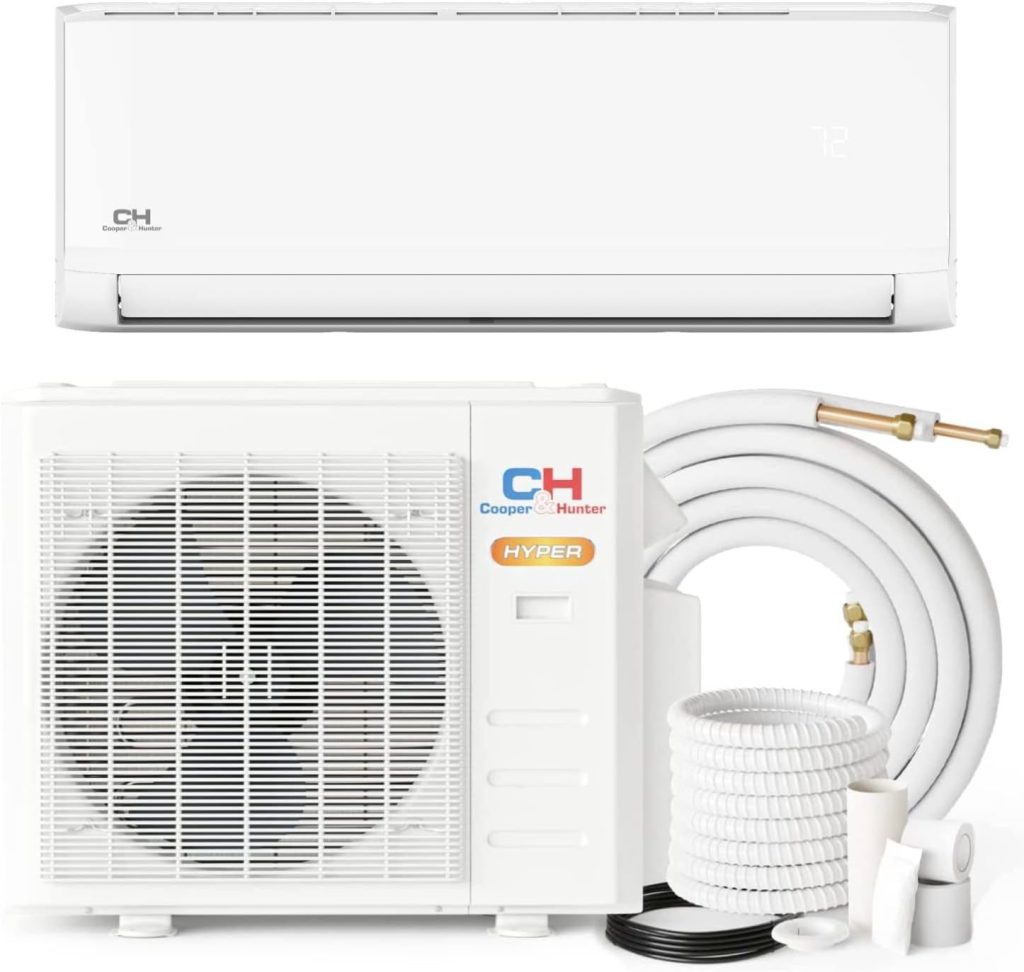
Cooper & Hunter (C&H) provides the Hyper Heat 12,000 BTU mini split as their cold-climate product, and it has already gained popularity in cold areas. This 230V, 1-ton system is 22 SEER cooling and approximately 12 HSPF, which makes it rather efficient. More to the point, it is designed to be used in extreme cold: the C&H Hyper Heat is rated to operate in ambient temperatures as low as -22 o F.
It can be depended upon to heat an area when the outdoor temperatures are well below zero, so it can be used in garages, cabins, or northern houses.
Among the reasons why the model performs well in cold weather is that it has low ambient kit and intelligent defrost control. It will automatically operate defrost cycles in order to ensure that the outdoor unit is not covered with ice. It also has a basepan heater which switches on in order to avoid freezing of the condensate and thus keeps it running.
Also the system includes a special 46 o F heating mode (also known as freezing protection or maintenance heat) – this will maintain an unoccupied space slightly above freezing without using much energy, such as a vacation home or workshop during winter.
Cooper & Hunter Hyper Heat is supplied with an entire installation kit (16 ft copper line set, wiring, etc.), but it is not a DIY product, professional installation is required in order to have the warranty supported. When it is up and running, owners tend to commend the fact that it is very quiet (with the help of the so-called Whisper technology) and that it can warm up the room very fast.
The indoor unit is sleek and contemporary in appearance, featuring such functions as Turbo (rapid heating), sleep mode, and a programmable timer. Although a relatively new player, C&H has developed a good reputation of providing good performance at the price. This Hyper Heat range is an excellent mid priced alternative to the more expensive Japanese brands and offers true cold climate heating performance with a 7 year compressor warranty to give you peace of mind.
#6 MRCOOL DIY 5th Generation 12,000 BTU Mini Split
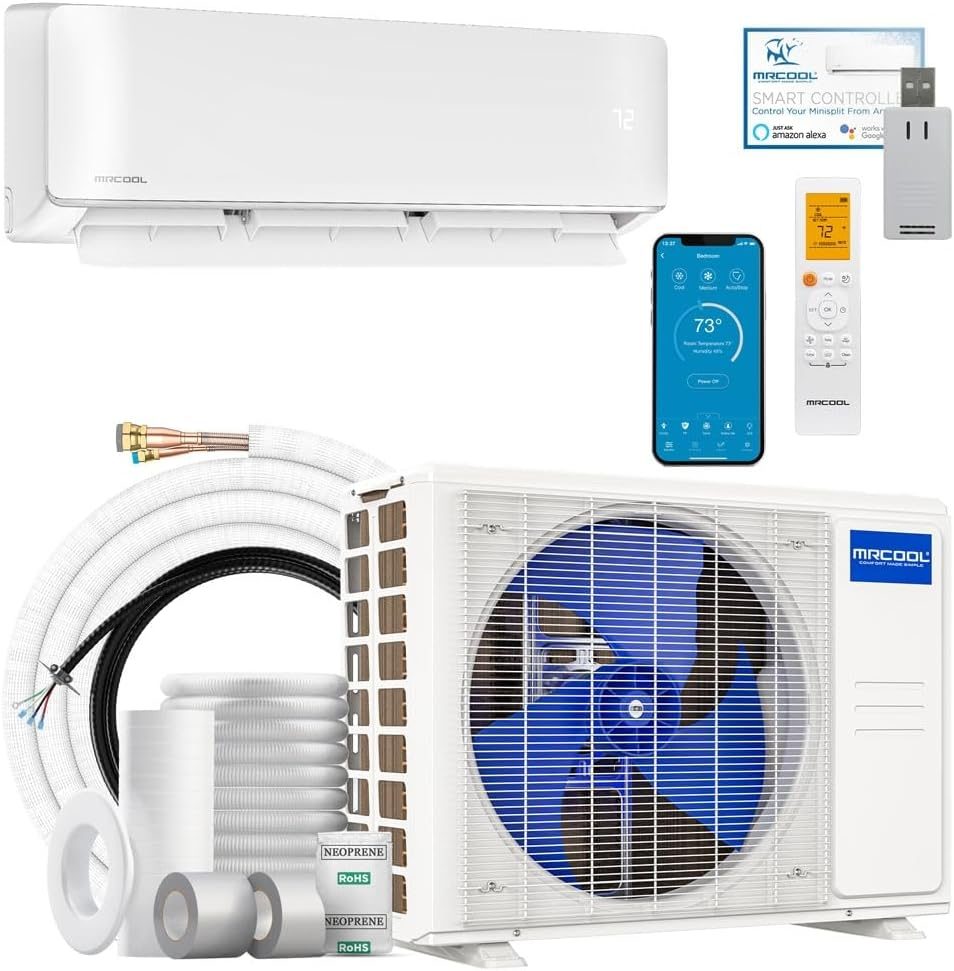
The MRCOOL DIY 12k BTU mini split (5th Gen) is an unusual product that homeowners will appreciate because they do not need to pay to hire a professional to install it. The DIY series by MRCOOL is made in such a way that a skilled DIYer can install the system without special tools and HVAC training. It is supplied with pre-charged quick-connect refrigerant lines and instructions step by step.
This 12,000 BTU unit is Energy Star rated and operates on 115V power and has a high 23.5 SEER2 efficiency rating, so it is efficient and qualifies to receive many energy rebates.
The MRCOOL is designed to withstand cold weather to some extent even though it is a DIY unit. The new generation has a rating of heating efficiently to -13 o F outdoor temperature. When used in the real world, the MRCOOL DIY is able to keep small areas warm during the winter months provided the temperature does not fall below the low negatives or above.
When it is very cold in subzero temperatures, its heating capacity will be reduced and you may require an alternative source of heat.) It has an automatic defrost and a crankcase heater that covers the compressor in low temperatures. Although it may not stand up in blizzard conditions as well as some hyper-heat units, it is very capable in moderate cold climates or supplemental heat.
This unit is very convenient and flexible and this is one of its primary selling points. The 25-ft pre-charged line set that is included enables you to connect the indoor and outdoor units without vacuuming or handling of refrigerants. It takes a day to install with simple tools by many users.
The system can also control WiFi apps and even be connected to Alexa and Google Assistant (the DIY 5th Gen has the Smart HVAC module). The fact that it is silent and provides good cooling during the summer is another bonus, which basically provides you with climate control throughout the year. The 7-year compressor and 5-year parts warranty offered by MRCOOL is not bad (but a bit shorter than pro-grade brands). The MRCOOL DIY 12k is a great option in case you need a do-it-yourself heating solution and live in a place where the winter temperatures drop to 0 to -10 o F.
#7 Pioneer Diamante Series 12,000 BTU Mini Split Heat Pump
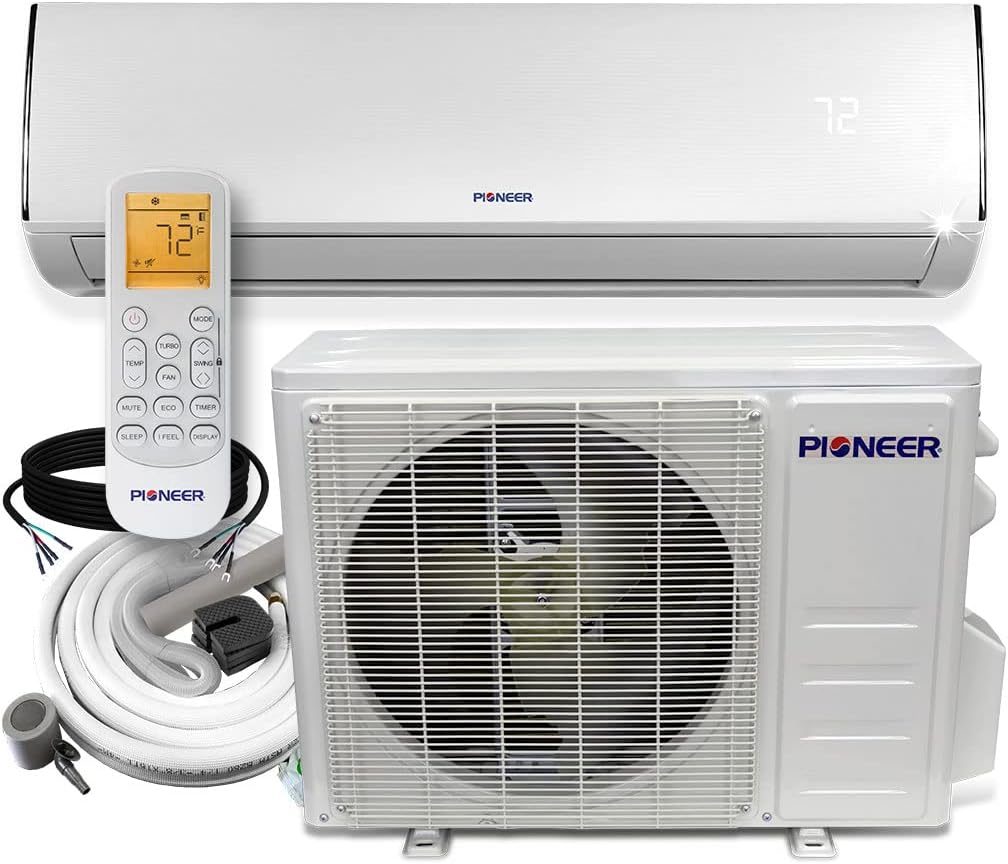
The pioneer 12,000 BTU mini split systems have been selling like hot cakes over the years and the new Diamante series has models that can be used in cold climates. This 1 ton heat pump has an efficiency of approximately 20-21 SEER (new variants of the model, the so-called Diamante Ultra, have up to ~23 SEER) and around 10 HSPF, which makes it average in terms of energy efficiency.
Its strong points are price and good overall performance. Pioneer sets the low-ambient series of its heating to -13 o F, and this is facilitated by the electric base pan heater and smart defrost controls to ensure that the outdoor unit is free of ice.
Practically, the Pioneer Diamante is able to warm a normal living area during a freezing condition without any problems. It has been reported by many users in single-digit or teen-degree winter low climates that it is comfortable without the use of auxiliary heat. In the event that the temperatures drop below -10F and remain there, the built in heater and defrost will cycle to avoid freezing but the heat output will be reduced (as with any heat pump).
Nevertheless, in the majority of households, this feature will handle the coldest winter cold snaps.
The Pioneer is a full installation kit and has a reputation of having clear instructions, which makes it a favorite among the DIY enthusiasts (however, it is advisable to have an HVAC pro to ensure proper installation and long life). It has a remote control that is digital, programmable, and has multiple modes (cool, heat, dry, and fan-only). A smart control WiFi dongle may be added as an option.
The Pioneer is quiet and has a sleek design of the indoor unit that fits in most home environments. It also has handy features such as the Follow Me (it uses the sensor in the remote to control the temperature where you are) and auto restarting after power cuts. Pioneer mini splits are known to be very reliable and offer good heating and cooling at a fraction of the price of the premium brands and are backed by a 5-year compressor warranty. Diamante 12k is a great low-cost alternative in case you require a reliable source of heat during the winter season but do not want to spend a fortune on a high-end product.
Cold Climate Mini Split Buying Guide
The selection of the most suitable mini split in cold climates is associated with the knowledge of the functioning of these systems in low temperatures and the features to consider. Heat pumps are not all the same in the winter heating performance.
We explain below important factors to consider such as heating capacity and efficiency ratings, installation and usage tips to enable you make a well informed choice on your home heating needs.
How Do Mini Splits Perform in Cold Weather?
The ductless mini split systems are basically air source heat pumps, which implies that they transfer heat in the outside air into your house. This is highly efficient in mild conditions. But when the outdoor temperatures get colder, there is less heat energy to use and the task of the heat pump becomes more difficult.
The first-generation heat pumps would have difficulties in generating heat below 30F or 20F and thus would not be reliable in cold regions. The current cold-climate mini splits are designed to address this difficulty using high-tech solutions:
- Improved Compressors: Inverter compressors are modern and have the ability to operate at variable speeds and very high compression rates to remove even the heat in freezing air. When it is cold they do not simply switch off, they increase to cater to the demand.
- Subcooling and Vapor Injection: Most cold-climate models employ some form of subcooling such as flash injection or vapor injection, in which a small portion of refrigerant is injected at mid-cycle to increase heating capacity at low temperatures. This is commonly what Hyper Heat (Mitsubishi) or other such technologies are all about.
- Large Coils and Heat Exchangers: The coils of a cold-climate heat pump are usually larger to absorb more heat out of the air and the fans are powerful to maintain airflow in the most extreme cold air conditions.
- Smart Defrost Cycles: When it is cold and wet, the coils of the outdoor unit may accumulate frost. Mini splits are equipped with automatic defrosting which momentarily reverses the system to defrost. The most effective systems have the least amount of defrost time so as to minimize heat interruptions inside.
- Crankcase and Base Pan Heaters: Crankcase heater: To avoid thickening of the compressor oil in extreme cold, many units have a small heater in the crankcase. Similarly, an element of base pan heater can be used to avoid ice accumulation in the drain pan of the outdoor unit. They are important in models that are rated to operate below zero (e.g. -15 o F or -22 o F).
When you find a mini split advertised as having a low temperature rating of -13F or whatever, it normally implies that the manufacturer has added the above features so that the unit will be safe to operate at that temperature. It might not provide full heating power at the lowest setting (you might only get 50-80 percent of rated power at the extreme low end) but it will still provide some heat rather than turn off.
Understanding Heating Capacity and Sizing
The mini split should be the right size and this is particularly crucial in cold regions. A heat pump is normally rated at 47 0 F outdoor temperature (this is the AHRI standard). The capacity tends to decline as it becomes colder. The manufacturers can give you information like 80 percent capacity at -13F – this will inform you how much heat you will get at extreme cold.
- Size your system by calculating a heating load of your space. In case your room or house requires 10,000 BTU/hr of heat on a 0 o F day, then you will need a mini split capable of providing that. It may imply the utilization of a 12k BTU appliance which has the capacity to store ~10k BTU at 0 o Fahrenheit.
- Search the specs of low-temperature capacity. Heating capacity at 17 o F, 5 o F and -5 o F will be published frequently by high end brands such as Mitsubishi, Fujitsu and Daikin. This would assist in right-sizing the unit. At 47 oF (by operating the compressor more vigorously) some units can exceed their nominal capacity so that at 5 oF they will still be at the nominal capacity.
- In case of unavailability of data, oversizing should be done a little bit on the heating side. In extremely cold climates it is normal to select a capacity one step higher. The mini split driven by inverter will vary and will not waste energy in less cold weather, but that additional capacity is available when it is cold outside.
- It is important to keep in mind a secondary source of heat. Even the finest mini split heat pump may not be able to handle it when the temperature falls below its working range (as in an Arctic freeze of -20F several days in a row). Where this is the case, houses are usually equipped with emergency electric resistance heaters or other systems. Electric baseboard or plenum heaters can also be matched with some mini splits.
Key Features for Cold Climate Operation
Comparing mini splits to be used in cold weather, it is necessary to focus on the following features and specifications:
- Minimum Operating Temperature: This is the minimum outdoor temp that the unit can operate. Typical levels are 5 o F, -4 o F (-20 o C), -13 o F (-25 o C), and -22 o F (-30 o C). The fewer, the better the cold-weather design.
- HSPF (Heating Seasonal Performance Factor): This is an efficiency rating that is measured during a typical season. The greater the HSPF, the less electricity the unit consumes to give out the heat. In cold climates, an increased HSPF (e.g. 10 or more) can greatly reduce the winter utility costs. As of 2023, HSPF2 is the new metric, with slightly lower numbers; an HSPF2 of 9.5 is approximately the same as HSPF 11 of previous ratings.
- Low Temp Capacity: As stated, when the manufacturer gives a percentage or BTU output at a low temperature (17 o F or 5 o F), then use that to rate the performance. As an example, the LG Art Cool Premier 12k was found to still deliver ~10,000 BTU at -13 o F, which is fantastic. This is not revealed by all brands, but by many cold-climate models.
- Base Pan Heater: Does the unit have a factory installed pan heater or have a factory option? Pan heater is strongly recommended in case you live in a place that regularly dips to below ~5F because ice buildup can destroy the fan or coils. Others such as Cooper & Hunter include it as standard whereas others such as Daikin make it optional and say that their designs are better and may not require it unless it is extreme conditions.
- Defrost Controls: All heat pumps defrost, but smarter units have sensors that start the defrost when required (rather than on a fixed time schedule). This maximizes the up-time of heating. There are also cases where user reviews will tell you whether a unit defrosts too frequently, which may be an indication that it is not as well-optimized to balance cold humidity, which may be a factor in your decision.
- Energy Star Certification: In cold climates, an efficient unit saves money and in many cases, it works better (since efficiency is linked to good design). Energy Star heat pumps have to reach some SEER and HSPF levels. Also, there are rebates in some areas on the installation of Energy Star cold-climate heat pumps, which may cover the difference in the price of high-end models.
- Sound Levels: It is good to mention whether the mini split is silent even when it is increasing its power during chilly nights. The majority of good mini splits are quite silent inside (20-40 dB). Outside, the sound may get louder during a hard work. In case the outdoor unit is close to a bedroom window or neighbor, look at the decibel ratings. Even the best cold-climate units still tend to remain below ~55 dB outdoors with the unit cranked up.
Installation Considerations in Cold Regions
Installation is a large factor in cold weather performance and life:
- Professional Installation: It is usually suggested that a licensed HVAC installer should install the unit (with some exceptions of DIY-design products). Proper refrigerant charge, line set insulation and vacuuming the lines is vital. A minor undercharge or moisture in the lines may decrease heating efficiency or lead to the problem of icing. In addition, most manufacturers need pro install to warrant.
- Outdoor Unit: In areas that receive snow, the outdoor condenser must be installed at least 2-3 feet above the ground (usually on a wall bracket or raised pad) to prevent it being buried in snow. It must also have clearance all around it to allow air circulation and to allow the defrost run off to drain. Do not put it in a place where it can be hit by icicles or roof snow.
- Defrost Drain: As the unit enters defrost, water will fall off of the outdoor coil. Make sure that there is a place where this water can drain off and not create an ice puddle right under the unit (which may expand and eventually touch the unit). Individuals who have a problem with defrost water add a small gutter or pan to direct the water.
- Cold Climate Installation Kits: Certain brands or third party suppliers provide cold-weather accessories such as wind baffles (to assist with extremely low ambient cooling, in case you use AC in the winter), crankcase heaters (in case they are not built-in) or drain pan heater strips. These are not included in your unit but you may want to add them in case you are going to a very cold place. As an example, Pioneer and others are selling pan heater kits which can be wired into the unit.
- Electrical Requirements: The majority in this category of 12k BTU mini splits will be 208/230V electrical service with the exception of the MRCOOL which is 115V. In an existing house, have an electrician put in the correct dedicated circuit. Performance problems can be experienced with undersized wiring or voltage drop during cold weather (when the heat pump is likely to be drawing full current), and it is therefore important to follow electrical specifications.
Maintenance and Usage Tips for Winter
After you have a good cold-climate mini split installed, a little routine maintenance will keep it running best when you need it the most:
- Maintain the Outdoor Unit Free: When there is heavy snow, the condenser should be cleared of snow with care and all the top and sides should be free. It is not possible to exchange heat between the unit and the environment when it is covered with snow. Nevertheless, never scrape the ice off with hard objects, use the defrosting cycle or a pan heater to deal with thin ice. In the event of thick ice being formed because of unusual freezing rain, switch the unit off and slowly melt/remove the ice to avoid damaging the fan.
- Check and Clean Filters: Indoor unit filters should be cleaned (or replaced, in case they are disposable) once a month or two, particularly when they are heavily used. Blocked filters limit air circulation and decreases heating efficiency and capacity.
- Do not Drastically Reduce the Thermostat: Heat pumps work best at a constant temperature. During very cold weather, when you turn the unit off or when you have a very low set back at night, it may need to work extra hard (and use more energy) to catch up in the morning. A small setback of a few degrees is acceptable but do not turn it off unless you have other heat and only want to save electricity when you are away.
- Only use Auxiliary Heat when necessary: In case you have baseboard heaters or any other system that you can use as backup, you can program it to turn on when the temps are extremely low or when the mini split is not able to maintain the setpoint. Most homeowners in cold climates do not use this very often, but it is nice to have something in mind in case of a bitterly cold night. Certain thermostats or home automation systems are able to automatically switch on backup heat at a predetermined outdoor temperature.
- Annual Check-up: You should check up your mini split annually. The technician is able to test the refrigerant level, electrical parts as well as clean the outdoor coil. This will be able to counter any decline in performance before winter comes. Check-up in the fall is a good idea because your system can be tuned up to meet the heating season.
With these practices, your ductless mini split will give you efficient and reliable heating during the winter. These improvements in cold-weather performance have seen many people in cold areas use mini splits not only as supplemental heating systems, but as the main heating systems. When you buy a high-end Mitsubishi or a low-end Senville, be sure it is a model rated to your climate, install it properly and experience the comfort and consistency of the heat with a reduction in energy costs.
Conclusion: It is no longer the case that you have to use the inefficient electric heaters or keep feeding a wood stove to heat a home in a cold climate. The newest models of cold-climate mini split heat pumps will be able to heat your home and make it comfortable despite the fact that it is freezing outside, and all this with a fraction of the energy consumption of conventional resistance heat.
Here in this article, we have discussed some of the best mini split systems to use in cold climates which all combine a good heating capacity, energy efficiency, and features that are friendly to the homeowner. You can compare the capabilities of the units and take into account your needs (budget, DIY or pro installation, smart functions, etc.) and choose the unit that suits your case. Do not forget to size it properly and make an appropriate installation to achieve the best results. The proper ductless heat pump will keep you cool throughout the winter and will help you to save on heating costs in the future.