Van life presents unique heating challenges: limited space, power constraints, ventilation, and insulation. This guide compares seven popular heater options suited for vans and campervans, summarizing their core features and practical uses to help select the right system for your setup.
| Product | Type | Best For |
|---|---|---|
| Mr. Heater MH9BXRV Buddy | Propane Radiant (Indoor-Safe) | Quick radiant heat in ventilated vans |
| VEVOR 8KW Diesel Heater (Bluetooth) | Diesel Air Heater | Permanent installs; high-altitude use |
| VEVOR Diesel Air Heater All In One | Diesel Air Heater (single outlet) | Compact installs; fast heating |
| outequip 12V Rooftop AC (with heater) | Rooftop AC with PTC Heater | Dual-season cooling + mild heating |
| Living in a Bubble Insulated Covers | Insulation / Window Covers | Reduce heat loss, improve heater efficiency |
| VEVOR 8KW Diesel Heater (All in One Tank) | Portable Diesel Heater (tank) | Temporary installs or portable use |
| Xtreme Heaters RV & Cabin Heater | Portable Electric Space Heater | Supplemental, short-term warmth |
Mr. Heater MH9BXRV Buddy Portable RV Heater
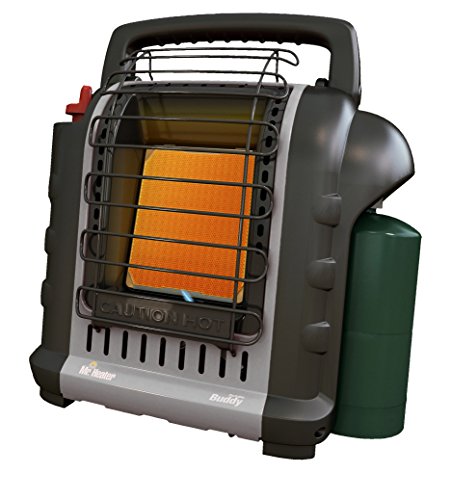
The Mr. Heater MH9BXRV Buddy is a 4,000–9,000 BTU radiant propane heater designed for spaces up to 225 square feet. It is listed as approved for indoor/outdoor use and described as clean-burning with nearly 100% efficiency. Built-in safety systems include auto shut-off if tipped over, pilot outage detection, and oxygen depletion sensing to reduce risks in enclosed spaces.
Operational notes included by the manufacturer state that the unit may shut off when used at altitudes above 7,000 feet. The radiant design provides direct warmth to nearby occupants and surfaces, making it effective for quickly warming a small van cabin when adequate ventilation and propane storage practices are followed.
VEVOR 8KW Diesel Heater With App Control

This 8 kW diesel air heater provides forced-air warmth for van interiors sized around 215–269 ft². The design uses a sandblasting aluminum heat exchanger for rapid heat transfer and is rated to produce usable warmth within about 10 minutes.
Controls include an upgraded Bluetooth app controller, a 32 ft remote, and an LCD display. The unit boasts automatic altitude compensation up to 18,045 feet, adjusting fuel and combustion parameters to maintain performance in high-elevation environments. Rated voltage is 12V, and the temperature range covers about 46 °F–96.8 °F (8 °C–36 °C).
VEVOR Diesel Air Heater All In One (8KW)

This 8 kW plateau version diesel heater lists wide operating temperature ranges (working heater temperature down to −40 °F). It is intended for rapid heating with an aluminum combustion chamber that can warm a van interior in about 10 minutes and is suitable for engine pre-heating and defrosting windows.
Fuel economy is emphasized: the system offers low energy consumption with fuel usage between 0.1–0.24 L/h. The integrated oil pump aims for precise combustion and reduced vibration for quieter operation. The unit claims a maximum working altitude up to 5,500 meters (≈18,045 ft).
outequip 12V 10000 BTU Rooftop AC With Heater

This rooftop unit is a 10,000 BTU air conditioner with a built-in 4,500 BTU PTC supplemental heater. The cooling function claims rapid temperature reduction in minutes, while the PTC heater provides supplementary warmth for mild cold conditions but is not marketed as a primary heater for extreme cold or large spaces.
Construction highlights include UV-stabilized ABS housing, EPDM gaskets, and a zinc-coated condenser for weather resistance. The rooftop form factor can free up interior space but requires a permanent roof install and sufficient electrical capacity or battery/inverter support for operation.
Living in a Bubble Insulated Blackout Window Covers

These insulated blackout front window covers are designed for Mercedes Sprinter models but illustrate the value of tailored insulation. Fabric is UV50+ rated and thick to reduce heat loss in winter and block heat in summer. The covers block 100% of light and provide privacy while improving the effectiveness of a van heating system.
Installation uses strong sewn-in magnets to secure the covers without drilling. Improved window insulation reduces runtime and fuel/electric draw for heaters, minimizes drafts, and can assist safety systems by lowering the need to operate heaters at high output.
VEVOR 8KW Diesel Heater All In One With Tank

This all-in-one diesel heater requires no permanent installation and includes a built-in fuel tank, useful for temporary setups or portable heating. The heater claims rapid warming through a sandblasting aluminum heat exchanger and is rated for an applicable range around 215–269 ft².
Fuel efficiency is highlighted: the unit lists consumption between 0.16–0.62 L/h and a built-in 5 L fuel tank to support continuous operation for multiple hours. The package includes a 32 ft remote and LCD controller, allowing preheating from outside and monitoring of heater status.
Xtreme Heaters Boat, Cabin & RV Portable Heater

The Xtreme Heaters portable unit is presented as a compact electric space heater for boats, cabins, and RVs. The design draws air from the top, allowing placement against walls or on carpets while maintaining safe airflow. Features include a low profile, stable base, and a tip-over switch that automatically cuts power if the unit tips.
As a supplemental heater, this unit is suitable for brief bursts of warmth or as a backup in mild conditions. It emphasizes quiet operation and placement flexibility, but electric models require sufficient shore power, battery/inverter capacity, or generator support for repeated overnight use.
Buying Guide
This buying guide outlines factors to weigh when choosing a van heater, comparing fuel types, installation, safety, efficiency, and lifestyle fit.
Heating Type and Fuel Source
Diesel air heaters use vehicle or separate diesel fuel and produce forced warm air through a heat exchanger. They are efficient for continuous overnight heating, integrate with vehicle electrical systems (12V), and typically support high-altitude operation when specified. Diesel models vary between permanent-installed units and all-in-one portable units with internal tanks.
Propane radiant heaters (like the Mr. Heater Buddy) provide strong localized heat and fast warmth but require propane storage, ventilation, and strict attention to oxygen depletion and CO safety. They can be nearly 100% efficient for converting fuel to heat but may be limited by indoor safety approvals and altitude effects.
Electric PTC heaters and portable electric units are simple to use where shore power is available or with a suitably sized inverter and battery bank. PTC (positive temperature coefficient) heaters are self-limiting, safer, and suited to mild temperatures but generally insufficient alone in extreme cold or long-term overnight use.
Installation and Space Considerations
Rooftop units like the outeqip AC/heater require roof cutting and sealing, professional or DIY skills, and sufficient electrical capacity. They free interior floor space but increase aerodynamic drag and may require structural considerations.
Underfloor or wall-mounted diesel heaters need exhaust, air intake, and fuel connections. Permanent installations generally offer better performance and lower noise. All-in-one portable diesel heaters avoid installs but require secure placement, fuel containment, and attention to exhaust routing if used indoors.
Power, Fuel Economy, and Runtime
Evaluate fuel consumption rates and available onboard fuel. Diesel heaters often list liters per hour rates; lower consumption increases runtime from a given fuel volume. Electric heaters depend on shore power or inverter capacity; compute amp draw against the battery bank and inverter rating to estimate feasible runtime.
For vans that boondock frequently, diesel or propane options may be more practical for extended use. In regions with reliable shore power, rooftop AC units with a PTC heater can provide dual-season comfort with less fuel planning.
Safety Features and Ventilation
Prioritize units with oxygen depletion sensors (ODS), tip-over switches, and automatic shut-offs. Diesel heaters require proper exhaust routing to prevent CO buildup. Propane heaters must be used according to manufacturer ventilation instructions and local codes. Install independent CO and propane detectors in sleeping areas and maintain ventilation to reduce condensation and risk.
Noise and Comfort
Forced-air diesel heaters produce a baseline fan noise and combustion sound; look for models citing low vibration or quiet operation if noise is a concern. Radiant propane heaters are typically quieter but only heat by radiation and convection, not circulate air. Insulation and window covers can reduce heater runtime and perceived noise by retaining heat.
Altitude and Climate Compatibility
If traveling at high elevations, choose heaters with altitude compensation or rated working altitudes. Propane radiant models may shut off above certain elevations unless specified otherwise. For very cold climates, select higher-BTU or multi-kW diesel systems and prioritize insulation to reduce required output.
Ventilation, Insulation, and Accessories
Effective heating depends heavily on insulation. Window covers, wall insulation, and draft sealing significantly reduce heater load. Accessories like insulated blackout covers improve privacy and thermal retention, extending fuel or battery life and reducing system cycling.
Maintenance and Reliability
Consider ease of access to service parts, recommended maintenance intervals, and the availability of technical support. Diesel heaters need periodic checks of fuel lines, pumps, and glow plugs; propane heaters require regulator and hose inspections. Electric heaters have fewer maintenance requirements but depend on electrical system health.
Use Case Comparisons
- Full-time van dwellers in cold climates: Prefer permanently installed diesel air heaters with proper exhaust and insulation.
- Part-time travelers or mild climates: Portable all-in-one diesel or propane radiant units can suffice with proper safety measures.
- Dual-season travelers: Rooftop AC units with supplemental PTC heating provide cooling and mild heating when shore power is available.
- Minimalists and short trips: Small electric or portable heaters may be adequate if shore power or a capable inverter is present.
When selecting a heater for van life, balance fuel type, installation complexity, safety features, and insulation. Match heater capacity to interior volume, verify altitude ratings for mountain travel, and plan for ventilation and detector placement to maintain safe operation. Choosing the right combination of heater and thermal upgrades, such as insulated window covers, increases efficiency and comfort across seasons.