Shopping for an outdoor infrared heater means balancing weather protection, wattage, mounting options, and energy efficiency. This guide reviews seven top-rated infrared heaters suitable for patios, restaurants, garages, and covered outdoor spaces, with a quick comparison table to help narrow choices.
| Product | Brand | Type / Wattage |
|---|---|---|
| DR-238 Carbon Infrared Heater | DR. INFRARED HEATER | 900–1500W, IP55 |
| Encyclpo 36″ Portable Tower | Encyclpo | 1500W, IPX5 |
| VAGKRI 42″ Tower Heater | VAGKRI | 620–1500W, 9 Levels |
| Briza Infrared Electric Patio Heater | Briza | 1500W, Wall/Ceiling/Stand |
| Paraheeter Wall/Ceiling/Tripod Heater | Paraheeter | 1500W, CSA Cert. |
| Dr. Infrared 3000W Heater | DR. INFRARED HEATER | 3000W, 10,260 BTU, IP55 |
| SereneLife 1500W Patio Heater | SereneLife | 1500W, IP24 |
Dr Infrared DR-238 Carbon Heater
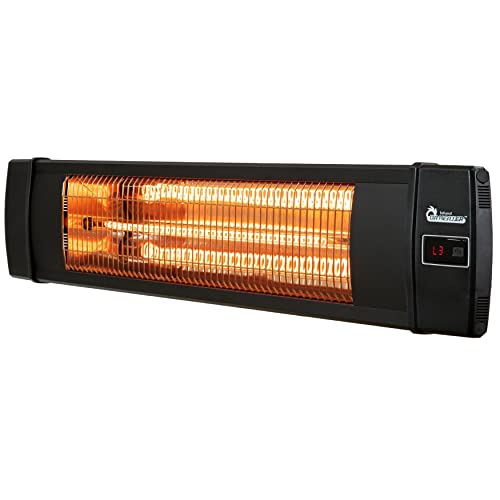
The DR. INFRARED HEATER DR-238 is rated for both indoor and outdoor use with an IP55 approval, indicating strong protection against dust and low-pressure water jets—useful for covered patios and open-air restaurant settings.
This model offers clean, instantaneous infrared heat with three power settings: 900W, 1200W, and 1500W. The unit runs on standard 120V power and includes a remote control for convenient operation.
Design features emphasize plug-and-play installation and multiple heat settings for varied outdoor conditions. The unit’s carbon infrared element produces odorless heat that warms people and surfaces rather than air, which is effective in breezy outdoor environments.
Encyclpo 36″ Portable Tower Heater

The Encyclpo 36″ tower heater uses two carbon fiber heating wires to deliver instant infrared warmth in as little as one second, focusing heat on people and objects instead of the surrounding air. This quick response is useful for guests arriving to a patio space.
With an IPX5 waterproof rating, the unit is designed for both indoor and outdoor installation, including patios, garages, and balconies. The heater operates quietly and offers three power levels to adjust output.
Safety features include overheat protection and tip-over safeguards common to portable towers. The unit’s quiet operation and odorless heat make it suitable for residential living spaces as well as outdoor seating areas where noise can be a concern.
VAGKRI 42″ 1500W Tower Heater

The VAGKRI 42″ tower heater emphasizes customizable heating with nine power levels ranging from 620W to 1500W, allowing fine-tuned control of output for varied outdoor conditions and energy budgets.
The design provides a 100° wide-angle heating range to distribute infrared warmth across seating areas. The heater claims a one-second heat response and is intended for small to large rooms, patios, garages, and offices.
Controls include remote operation and a 24-hour timer on some configurations. The variety of power settings supports both energy-efficient low-power operation and higher output when rapid warming is needed.
Briza Infrared Electric Patio Heater
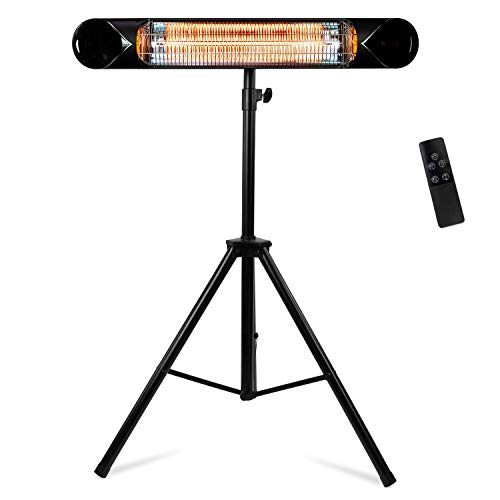
The Briza infrared heater is designed for dual use—it ships with hardware for wall or ceiling mounting and includes an adjustable tripod stand for portable placement.
It features remote control for power, timer settings, and heat level adjustments, enabling hands-free operation from across the patio or room. The unit includes a built-in sensor that automatically shuts off if tipped over.
Mounting flexibility makes this model suitable for varying installation needs, from permanent ceiling mounts over a covered patio to portable use on a stand near outdoor seating areas.
Paraheeter Wall, Ceiling & Tripod Heater

Paraheeter’s 1500W carbon infrared heater supports three installation modes: wall mount, ceiling mount, and tripod stand. The product includes an installation manual and video to simplify setup.
Safety elements include a grounded three-prong plug, a protective metal grille, and tip-over automatic shutoff. The heater is promoted as energy-efficient, heating objects and people rather than the air, which can lower operating costs compared with propane heaters.
The carbon infrared design produces odorless, quiet warmth that suits outdoor and indoor use without generating fumes, making it suitable for covered patios, garages, and enclosed shop spaces.
Dr Infrared 3000W Ceiling/Wall Heater
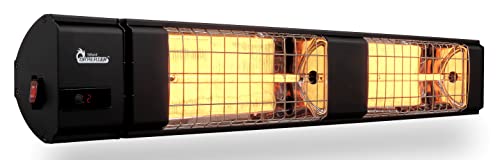
This higher-output DR. INFRARED model delivers 10,260 BTU at 3000W using a carbon infrared element, intended for larger patios, commercial outdoor spaces, or garages that require stronger heating performance.
The heater supports 220–240V operation and includes mounting hardware, a remote control, and weatherproofing with an IP55 rating. Two power levels plus standby allow flexibility for different applications.
The unit is described as odorless and instant, suited to both indoor and outdoor environments where substantial radiant heat coverage is needed, such as restaurant patios or large covered decks.
SereneLife 1500W Infrared Patio Heater

The SereneLife infrared patio heater delivers instant, sun-like warmth using carbon fiber elements and provides two heat levels with remote control. It is ETL-certified and designed for patio and deck use.
Build materials include an aluminum alloy frame and stainless steel base cover with an IP24 weather resistance rating. The manufacturer highlights an 88% efficiency rating for the heating element.
This lighter-duty weather rating is typically suited for covered outdoor settings or locations with overhead protection rather than direct exposure to heavy rain or snow.
Buying Guide: How to Choose an Outdoor Infrared Heater
Selecting the right outdoor infrared heater depends on space size, installation preference, weather exposure, and energy goals. The items below outline key factors to compare before purchase.
Coverage And Heating Power
Determine the size of the area you want to heat. Small seating nooks may work with a 1500W unit, while larger or semi-enclosed restaurant patios often need higher output (e.g., 3000W) or multiple units. Wattage and BTU correlate to coverage: more watts generally mean more radiant heat and a larger effective radius.
Mounting Options
Heaters come in portable tower, wall/ceiling-mounted, and tripod-mounted forms. Portable towers are flexible but may need more floor space and safety measures. Ceiling or wall-mounted heaters free floor space and reduce tip-over risk but require secure installation and suitable overhead structures.
Weather Resistance And IP Ratings
Outdoor-rated units list an IP code reflecting resistance to dust and water. IP55 indicates strong protection for open-air usage with occasional splashing. IPX5 resists water jets and suits covered outdoor spaces, while IP24 offers limited weather protection and is best for covered patios or areas with overhead shelter.
Heating Technology: Carbon Infrared Versus Other Elements
Carbon infrared elements heat objects and people quickly and are often described as sun-like. They are typically more energy efficient at targeted heating compared with convection or resistance heaters in drafty outdoor environments. Quartz or ceramic elements may also be used; compare response time, efficiency, and durability.
Energy Efficiency And Operating Cost
Consider variable power levels, timers, and thermostatic controls to avoid wasteful continuous operation. Units with multiple wattage settings or timers can lower energy use. Compare efficiency claims and look for certification labels such as ETL or CSA for safety standards and tested performance.
Safety Features
Key safety features include tip-over shutoff, overheat protection, grounded plugs, and sturdy protective grilles. Ceiling- and wall-mounted units typically reduce tip-over risk, while portable units should include auto-shutoff sensors and stable bases for outdoor conditions.
Noise And Comfort
Infrared heaters often operate quietly since they do not rely on fans. Portable towers may produce low-level operational sounds. If noise is a concern for outdoor dining or quiet patios, seek models marketed as ultra-quiet or fanless infrared designs.
Installation And Maintenance
Assess electrical requirements—most 1500W units run on 120V circuits, while higher-output commercial models may require 220–240V. Confirm mounting hardware and installation instructions are included. Regular maintenance typically involves cleaning the grille and checking fasteners; weatherproofing and covering units in severe weather extends service life.
Cost Considerations Without Price Focus
Instead of focusing on sticker price, evaluate cost per use by comparing wattage, efficiency, and runtime. Higher-wattage units can reduce the number of units needed but increase instantaneous energy draw. Lower-wattage units with focused radiant heat may be more cost-effective for small zones.
Comparing Portability Versus Permanence
Portable towers provide convenient repositioning for events or seasonal use but require floor space and care in windy conditions. Permanently mounted ceiling or wall heaters deliver stable coverage for fixed seating arrangements and tend to offer a cleaner look for commercial patios.
Environment And Use Cases
For fully exposed outdoor areas, higher IP ratings and multiple units are advisable. For covered patios, IP24-rated heaters or ceiling-mounted infrared emitters provide efficient comfort with less exposure risk. For garages and workshops, consider higher wattage and CE/CSA certification for continuous operation.
Warranty, Certification, And Support
Review manufacturer warranties and certifications such as ETL, CSA, or CE. Warranty length and customer support policies can matter for long-term reliability and replacement of heating elements or control components.
Final Selection Checklist
- Measure the target area and match with appropriate wattage or number of heaters.
- Decide mounting type: portable vs. wall/ceiling.
- Confirm IP rating suitable for local weather exposure.
- Verify safety features: tip-over, overheat protection, grounded plug.
- Check electrical requirements (120V vs. 220–240V) and installation needs.
- Compare energy management features like timers, multiple power levels, and remote control.