Extend your outdoor season with the right porch heater. Below is a quick comparison table of the seven selected models covering fuel type, heat output, and weather rating to help you pick the best fit.
| Model | Fuel / Type | Output | Weather Rating |
|---|---|---|---|
| DR Infrared DR-238 | Electric Infrared | 900–1500W (multi-level) | IP55 (indoor/outdoor) |
| EAST OAK 50,000 BTU | Propane (commercial-style) | 50,000 BTU | Outdoor use, stainless steel |
| Hykolity Pyramid 48,000 BTU | Propane (glass tube) | 48,000 BTU | Outdoor rated, includes cover |
| SereneLife 900W | Electric Infrared | 900W | IP65 waterproof |
| Pamapic 41,000 BTU | Propane (stainless burner) | 41,000 BTU | CSA certified |
| Cuisinart Portable Tabletop | Propane (tabletop) | 11,000 BTU | Portable, safety tilt switch |
| Danluke 1500W Hanging | Electric Infrared (ceiling) | 1500W | IP34 waterproof |
DR Infrared DR-238 Carbon Infrared Heater
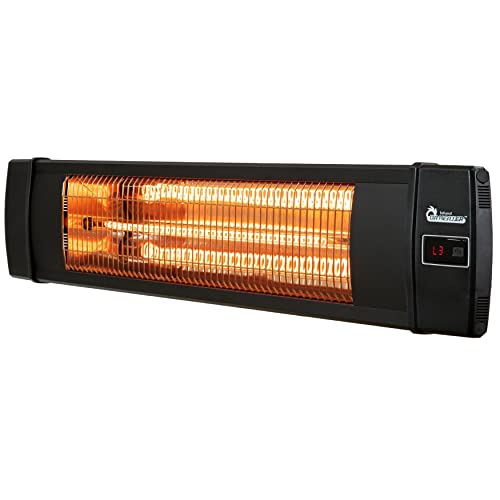
The DR Infrared DR-238 is an electric carbon infrared heater designed for both indoor and outdoor environments. It carries an IP55 rating for outdoor suitability and offers three power settings: 900W, 1200W, and 1500W, allowing adjustable heat output for different porch sizes and weather conditions.
This heater uses plug-and-play 120V power and includes a remote control for easy operation. The unit emphasizes clean, instant, and odorless infrared heat, making it suitable for covered porches, patios with overhead protection, garages, and open-air restaurant areas where combustion-free warmth is preferred.
EAST OAK 50,000 BTU Patio Heater

The EAST OAK patio heater is a high-output propane model delivering 50,000 BTU, intended for larger patios and light commercial use. Its double-layer 304 stainless steel heating mesh improves durability and safety while increasing the product life compared to single-layer burners.
Designed to warm up to a 20-foot diameter from the central position, this unit includes wheels for mobility and a reflector shield assembled from three pieces. ETL certification emphasizes compliance with recognized safety standards for outdoor heating equipment.
Hykolity Pyramid 48,000 BTU Glass Tube Heater

The Hykolity Pyramid is a tall glass-tube propane heater providing 48,000 BTU with a visible flame feature. At about 90 inches tall, it combines decorative design with practical coverage for backyard, porch, and poolside areas.
This propane heater offers variable heat settings and an integrated control valve, runs on a standard 20 lb propane tank, and can operate for approximately 8–10 hours on a full tank. Features include wheels for portability and a cover for off-season protection.
SereneLife 900W Outdoor Electric Infrared Heater

The SereneLife 900W infrared heater is engineered for weather resistance with an IP65 rating, making it suitable for exposed outdoor locations. It uses high-efficiency carbon fiber heating elements and offers two heat levels plus a remote for convenient control.
This unit emphasizes energy efficiency with an 88% rated effectiveness for infrared warmth. The aluminum alloy frame provides corrosion resistance, making it a choice for users who want electric safety and low maintenance without propane refills.
Pamapic 41,000 BTU Propane Patio Heater

The Pamapic model offers 41,000 BTU output using a stainless steel burner and tempered glass components for visual flame protection. It emphasizes clean combustion with minimal smoke and reflective surfaces to enhance warming efficiency.
Mobility is addressed with four universal wheels, two lockable, plus adjustable feet for stability on uneven surfaces. The unit carries CSA certification and includes a dust cover with zipper closure for convenient storage protection.
Cuisinart Portable Tabletop 11,000 BTU Heater
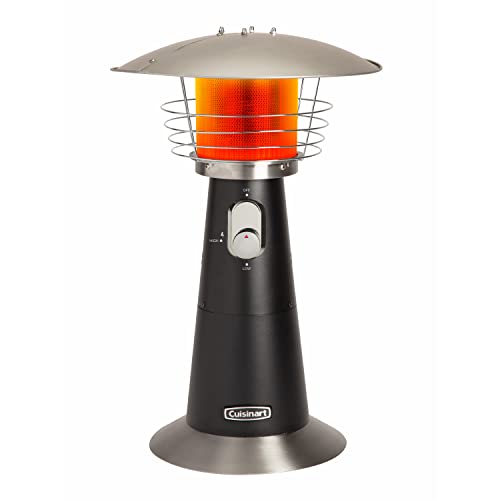
The Cuisinart Portable Tabletop propane heater is designed for close-range heating with 11,000 BTU output and coverage up to about 30 square feet. Its compact, lightweight form makes it suitable for tabletop use, camping, tailgates, and small porches.
Safety features include an anti-tilt automatic shut-off and a burner screen guard to reduce direct contact with the flame. The reflector top distributes heat evenly and the unit’s portability appeals to users seeking a small, instant heat source without permanent installation.
Danluke 1500W Ceiling Mounted Infrared Heater

The Danluke electric hanging heater provides 1500W infrared heating with 360° coverage and an IP34 rating for water and dust protection. It is built for ceiling- or overhead-mounting under gazebos, porches, and enclosed patios where floor space is limited.
Features include tip-over and overheat protection integrated into the design and adjustable mounting height. This model is intended for users preferring a permanent or semi-permanent overhead electric solution without combustion-related emissions.
Buying Guide
Choosing the right porch heater depends on several key factors: fuel type, heat output, installation style, portability, safety features, and weather resistance. This section breaks down those considerations and compares the main options objectively.
Fuel Type: Electric vs Propane
Electric heaters (infrared) provide clean, odorless heat and are typically easier to operate—just plug in or hardwire. They are ideal for covered or semi-enclosed porches, and models with IP65/IP55 ratings can tolerate moisture. Electricity avoids fuel refills and combustion byproducts but requires access to adequate power (120V vs 240V options) and may have higher running costs depending on local electricity rates.
Propane heaters (free-standing) produce higher immediate BTU output and are better for open-air spaces where heat needs to spread across larger areas. They are portable and useful for patios without electrical access. Consider storage and ventilation requirements, as well as refill logistics for propane tanks.
Heat Output and Coverage
Measure the area you want to heat. Tabletop and small portable heaters (around 11,000 BTU or 900–1200W) are suitable for close-range use, such as a small porch table or patio seating. Standard free-standing patio heaters (40,000–50,000 BTU) provide radius coverage for larger seating groups and commercial spaces.
For electric heaters, compare wattage and whether the unit uses infrared carbon fiber elements for focused warmth. For gas models, BTU and reflector design influence how heat disperses. Verify manufacturer coverage estimates rather than assuming maximum BTU equals effective warmth across a given area.
Weather Resistance and Mounting
Look for explicit IP ratings
Glass-tube designs add wind protection for the flame, while reflective shields improve directional heating. If you need a permanent solution, consider an electric hardwired or ceiling-mounted heater. For seasonal or mobile setups, free-standing propane models with wheels and covers are more flexible.
Safety Features and Certifications
Prioritize heaters with safety validations such as ETL, CSA, or similar certifications. Safety features to consider include tip-over shutoff, overheat protection, anti-tilt switches, and burner guards or screens. Tabletop heaters should include automatic shutoff; tall free-standing units often include protective mesh and stable bases to reduce risk in windy conditions.
For households with children or pets, protective screening and automatic safety cutoffs are essential. For commercial settings, look for units rated for commercial use and compliant with local regulations.
Portability and Installation
If you plan to move the heater between spaces, choose a model with wheels or a lighter tabletop unit. If you want a permanent installation, ceiling-mounted electric heaters provide unobstructed floor space and consistent coverage. Consider assembly complexity and whether the reflector or guard requires tools for setup.
For propane models, check how the tank is accessed and secured—side doors and locking caster systems simplify tank changes and movement. For electric heaters, verify cord length, plug type, and whether a dedicated circuit is recommended.
Energy Efficiency and Running Cost
Electric infrared heaters often convert a high percentage of energy into usable radiant heat, with some carbon fiber units advertising >80% efficiency. Propane heaters provide high BTU but require fuel purchases; compare runtime estimates (hours per 20 lb tank) to anticipate refill frequency.
Consider usage patterns: short, frequent use favors instant-on electric units; prolonged gatherings in open spaces may be more economical with high-BTU propane models when electricity is limited or costly.
Design, Noise, and Aesthetic
Pyramid and glass-tube models offer visual flame ambiance in addition to heat, which may suit entertainment areas. Electric models are typically quieter and odorless. Reflector styles, finish (stainless steel, bronze), and height affect both function and appearance, so select a model that fits your porch layout and aesthetic preferences.
Common Tradeoffs
- Power vs Portability: Higher-BTU propane heaters warm larger areas but are bulkier and require fuel handling.
- Clean Operation vs Coverage: Electric heaters are clean and low maintenance but may need multiple units to match the coverage of a single propane heater.
- Cost vs Convenience: Propane can be less expensive for occasional outdoor, open-air heating; electric is more convenient for covered porches and continuous, fuss-free operation.
When comparing models, weigh the environment where the heater will operate (open vs covered), proximity to electrical outlets, desired mobility, and safety needs. Use the product feature summaries and this guide to match heater type, output, and weather rating to your porch setup.