Replacing or upgrading a baseboard heater cover improves safety, appearance, and heat distribution. The table below summarizes seven slip-on and adjustable covers chosen for common hydronic and electric baseboard heaters. Check sizing and system compatibility before purchase.
| Product | Key Features |
|---|---|
| Gekufa Baseboard Heater Cover 3FT (White) | 3 ft galvanized steel, trim-to-fit guidance, left/right endcaps |
| SDSNTE 4ft Steel Slip-On Baseboard Cover (White) | 4 ft, 21-gauge steel, 16-gauge endcaps, rustproof finish |
| neatheat TALL 6ft Baseboard Heat Cover | Tall profile for high-output heaters, easy install |
| Saree Upgraded 4 FT Galvanized Cover with Endcaps | 4 ft, 24-gauge galvanized steel, 22-gauge endcaps, white enamel |
| Baseboarders Basic Series 6 ft Galvanized Cover (White) | 6 ft, hydronic-specific, lifetime rust protection |
| NeatHeat 6ft Baseboard Heat Front Cover | 6 ft, one-size-fits-most, cuttable with household tools |
| Caoooort Retractable 3–6ft Galvanized Cover (Kit) | Adjustable length 3–6 ft, includes hardware and end caps |
Gekufa 3ft Baseboard Heater Cover

This 3 ft (36″) cover is built for standard hydronic baseboard heaters and ships with left and right endcaps. The manufacturer emphasizes measuring the pipe-to-pipe length and allowing approximately 0.5″ clearance for a proper fit. It is a slip-on panel designed to replace worn or rusted trims quickly.
Included guidance highlights a trim-to-fit approach: use tin snips or a fine-tooth saw for small adjustments, then sand and apply a rust-resistant primer or paint to exposed edges. These steps increase corrosion resistance, particularly in bathrooms or humid rooms.
SDSNTE 4ft Steel Slip-On Cover

The SDSNTE cover is a single-panel 4 ft (48″) slip-on design intended to improve safety and room aesthetics while maintaining effective airflow. It lists dimensional limits: heater length must be less than 4 ft, height less than 8.5 inches, and maximum depth under 3.25 inches.
Constructed from 21-gauge steel with a white stoving varnish and 16-gauge endcaps, the product stresses durability and rust resistance. The single-panel layout helps prevent direct contact with heating elements, a child- and pet-safety consideration for occupied homes.
neatheat TALL 6ft Baseboard Cover
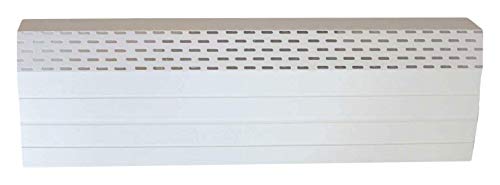
This model is a tall-profile 6 ft cover made for oversized, high-output baseboard heaters. The product description instructs buyers to consult the measuring guide before ordering to confirm the taller front will clear the heater and back plate.
Installation is listed as straightforward with no special tools required. The tall profile is appropriate where the heating element is deep or where a larger front surface is needed to maintain proper airflow without obstructing heat transfer.
Saree 4ft Galvanized Baseboard Cover

The Saree kit combines a 4 ft galvanized steel cover with left and right endcaps and offers dimensional guidance for fit: finished floor to top of back plate between 7.5″ and 9″, and element clearance from 5″ to 6.75″. Maximum depth allowance is 3.25″.
Made from 24-gauge galvanized steel with 22-gauge endcaps and a white enamel finish, the item emphasizes longevity and a uniform appearance. The kit targets both electric and hydronic baseboard replacements and highlights compatibility checks to avoid misfit.
Baseboarders 6 ft Galvanized Cover
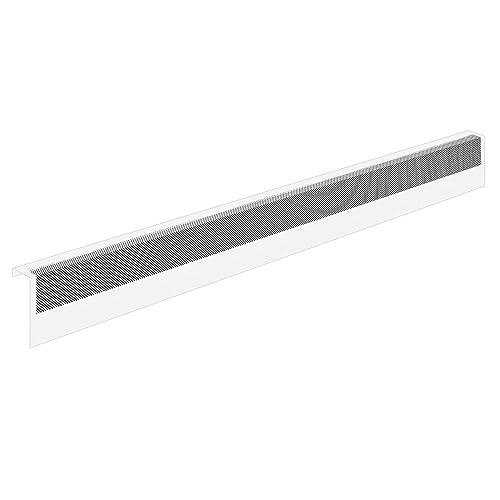
The Baseboarders Basic Series 6 ft (72″) model is positioned specifically for hydronic (water) baseboard heaters. The listing explicitly advises against using it on electric baseboard heaters due to design differences and clearance requirements.
As part of the Basic Series, it includes a lifetime protection guarantee against rust and normal use. Covers are intended for DIY replacement of old hydronic covers and can accept optional accessories from the brand to match room styling or additional attachments.
NeatHeat 6ft Baseboard Heat Front Cover
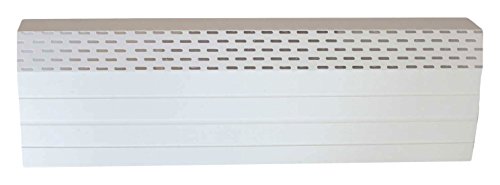
This NeatHeat 6 ft front cover is marketed as a one-size-fits-most option that installs easily with common household tools. It can be cut with ordinary tools to match smaller heaters, making it adaptable for a range of installations.
The listing highlights easy installation and universal fit features. As with other slip-on covers, proper measurement is essential to confirm clearance above the back plate and front depth to maintain airflow and prevent contact with the heating element.
Caoooort Retractable 3–6ft Baseboard Cover Kit

The Caoooort kit offers an adjustable length from 3 ft up to 6 ft by combining two 3 ft panels and included hardware and end caps. The package includes screws and hardware to secure the panels and save on buying separate end caps.
Components are galvanized steel with a white powder-coated finish to improve rust resistance and high-temperature durability. The retractable design is useful for covering multiple heater lengths with a single kit and for staged replacements.
Buying Guide
Choosing the right baseboard heater cover depends on system type, accurate measurements, material and finish, and installation preferences. The sections below compare essential factors to help narrow options objective ly.
System Compatibility: Hydronic vs Electric
Confirm whether your heater is hydronic (water) or electric. Hydronic covers are often simple slip-on fronts that fit over the convector and back plate; electric heaters typically require covers designed for electrical clearance and may have integrated controls or different back plate geometry. Using a hydronic-only cover on an electric heater can create fit and safety issues.
Accurate Measuring
- Length: Measure pipe-to-pipe or end-to-end of the existing cover. Allow for the listed clearance (commonly ~0.5″).
- Height and Depth: Check finished floor to top of back plate, and depth from back plate to front of the heating element. Some products list acceptable ranges—follow them closely.
- Tall vs Standard: Use a tall profile when the element sits deeper or when manufacturer guidance requires extra front clearance.
Material, Gauge, And Finish
Common materials are galvanized steel and painted/stoved steel. Gauge matters: thicker gauges (lower gauge number) resist denting and offer greater durability. Galvanized steel provides improved corrosion resistance; a white powder-coated or enamel finish improves aesthetics and can extend life.
Slip-On, Trim-To-Fit, And Adjustable Designs
Slip-on panels provide fast replacement without removing the heater; they are common for hydronic systems. Models that are cuttable allow custom length adjustments with household tools. Retractable or adjustable kits cover multiple lengths (e.g., 3–6 ft) and include hardware and end caps. If trimming is necessary, follow manufacturer guidance to sand, prime, and paint exposed edges to prevent corrosion.
Safety And Airflow
Covers must maintain adequate airflow around the heating element to allow effective convection. Single-panel designs with venting help distribution while preventing direct contact. Check that the cover prevents touching of hot surfaces, particularly in homes with children or pets.
Installation And Tools
- Many listed covers claim no special tools required; common tools include a screwdriver, tin snips, or fine-tooth saw for trimming.
- When installing, ensure screws and endcaps are secured and that the cover aligns with the back plate to avoid gaps that impede airflow or create rattle.
Durability, Warranty, And Rust Protection
Look for rust protection such as galvanized material or lifetime rust guarantees. Warranty terms differ by brand; hydronic-specific covers sometimes include long-term rust protection while multi-purpose covers emphasize painted finishes. Consider rooms with high humidity—galvanized steel plus primer on trimmed edges improves longevity.
Appearance And Room Integration
Baseboard covers come in universal white finishes to match trim, but consider finish type (enamel vs powder coat) for gloss level and paintability. Some covers accept accessories for a finished look; adjustable kits reduce the need to stock multiple sizes for different rooms.
Comparisons And Use Cases
- Fixed-length slip-on covers (3 ft, 4 ft, 6 ft) are best when exact length and back-plate geometry match the existing unit; they are the simplest to install.
- Trim-to-fit or cuttable covers suit irregular lengths or nonstandard radiator arrangements but require cutting, sanding, and sealing edges.
- Tall profiles are designed for high-output or deep heating elements; they prevent airflow restriction when element protrusion is larger.
- Retractable or kit covers can cover multiple lengths and are efficient for purchasing replacements for several rooms with varying heater sizes.
Maintenance And Longevity
Periodic cleaning and inspection of the cover and back plate will prolong service life. After trimming, treat raw edges with a rust-inhibiting primer and paint. For long-term durability, galvanized steel and thicker gauges reduce the risk of dents and corrosion.
Final Considerations
Before buying, verify system type, exact measurements, and whether the product is specified for hydronic or electric use. Decide whether you prefer quick slip-on installation, adjustable kits for multiple rooms, or a tall profile to fit deep elements. Applying the manufacturer’s trimming and finishing guidance ensures a professional-looking, durable installation.